
Disclosure: As an Amazon Associate, Bookish Wisdom earns from qualifying purchases. This doesn’t change our picks or your price.
Quick answer: The best books on the meaning of life include Man’s Search for Meaning, The Myth of Sisyphus, The Denial of Death, Siddhartha, The Alchemist and Flow. Start with Man’s Search for Meaning, then try The Myth of Sisyphus for a harder look or Flow for a practical one.
Few questions are bigger than what makes a life meaningful, and few books claim to answer it. The ones that endure do something more modest and more useful: they show how thoughtful people have lived with the question. This list gathers fifteen books that explore meaning from many angles: psychology, philosophy, memoir, fiction and science. Some come from survivors who found purpose in suffering, others from writers who found it in nature, work, love or art. You may not find a single answer, but you may find a better question, or a sentence that stays with you for years. Read slowly, and let different books argue with each other.
Table of Contents
Quick Picks at a Glance
| Book | Author | Approach | Best For |
|---|---|---|---|
| Man’s Search for Meaning | Viktor E. Frankl | Psychology | readers facing hardship |
| The Myth of Sisyphus | Albert Camus | Philosophy | readers who face the absurd |
| The Denial of Death | Ernest Becker | Psychology | readers who like depth |
| Siddhartha | Hermann Hesse | Fiction | readers who like spiritual novels |
| The Alchemist | Paulo Coelho | Fiction | readers who like fables |
| Flow | Mihaly Csikszentmihalyi | Psychology | readers who want practical ideas |
| The Happiness Hypothesis | Jonathan Haidt | Psychology | readers who like science and wisdom |
| When Breath Becomes Air | Paul Kalanithi | Memoir | readers who want a moving memoir |
| Tuesdays with Morrie | Mitch Albom | Memoir | readers who want a gentle read |
| Four Thousand Weeks | Oliver Burkeman | Time | readers who feel busy |
| Walden | Henry David Thoreau | Nature and simplicity | readers who need quiet |
| Letters to a Young Poet | Rainer Maria Rilke | Letters | readers who like poetic advice |
| The Book of Joy | Dalai Lama, Desmond Tutu and Douglas Abrams | Joy | readers who like dialogues |
| Ikigai | Héctor García and Francesc Miralles | Purpose | readers who like short books |
| Meditations | Marcus Aurelius | Stoicism | readers who want daily wisdom |
1. Man’s Search for Meaning by Viktor E. Frankl
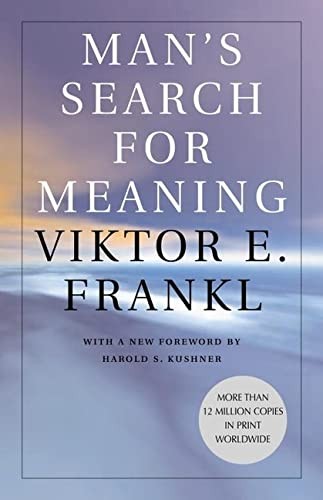
Frankl, a psychiatrist who survived Nazi camps, argues that the primary human drive is the search for meaning and that it can be found even in suffering. A short, profound book that has helped millions. Content note: descriptions of concentration camps.
Best for: readers facing hardship.
2. The Myth of Sisyphus by Albert Camus
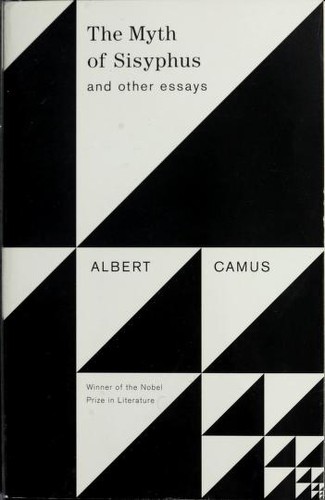
Camus asks whether life is worth living without ultimate answers and concludes that we must imagine Sisyphus happy. Short and bracing.
Best for: readers who face the absurd.
3. The Denial of Death by Ernest Becker
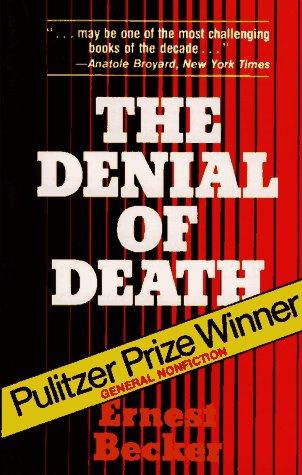
Becker argues that much of human behavior is a response to the fear of death. Dense but influential, it won the Pulitzer Prize.
Best for: readers who like depth.
4. Siddhartha by Hermann Hesse
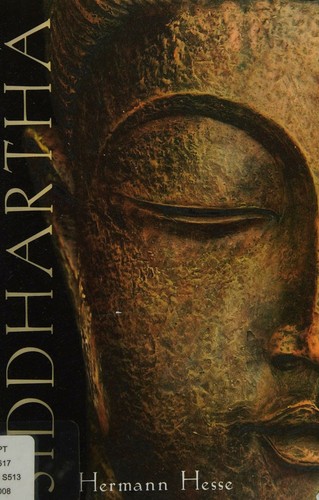
A young man in ancient India searches for enlightenment through asceticism, pleasure and ordinary life. Poetic, short and reflective.
Best for: readers who like spiritual novels.
5. The Alchemist by Paulo Coelho
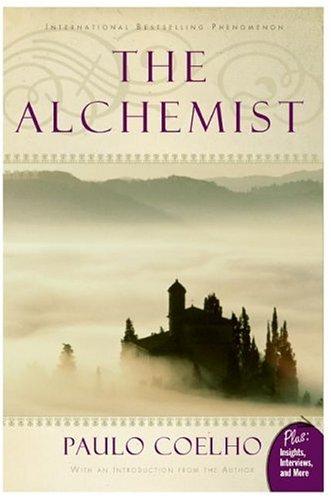
A shepherd travels in search of treasure and learns about following his personal legend. Simple and inspiring, though some readers find it too simple.
Best for: readers who like fables.
6. Flow by Mihaly Csikszentmihalyi
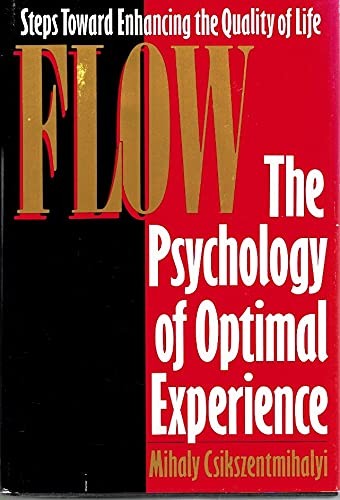
Csikszentmihalyi’s research on optimal experience shows how absorbing activities bring satisfaction. Explains why meaning often arises from engagement.
Best for: readers who want practical ideas.
7. The Happiness Hypothesis by Jonathan Haidt
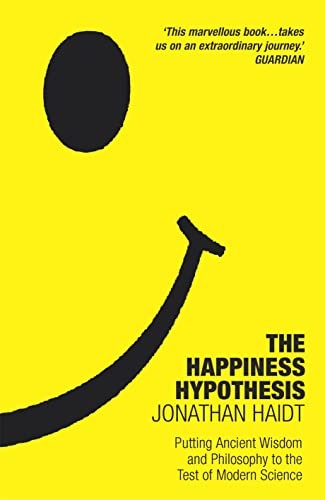
Haidt compares ancient wisdom with modern research on happiness, virtue and meaning. Engaging and wide-ranging.
Best for: readers who like science and wisdom.
8. When Breath Becomes Air by Paul Kalanithi
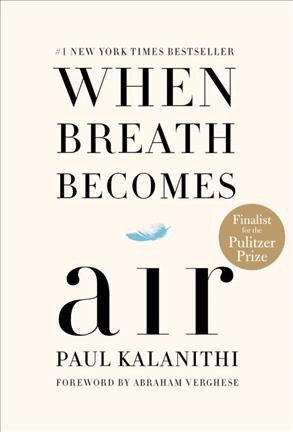
A neurosurgeon diagnosed with terminal cancer reflects on mortality and what makes life worth living. Beautifully written. Content note: terminal illness and death.
Best for: readers who want a moving memoir.
9. Tuesdays with Morrie by Mitch Albom
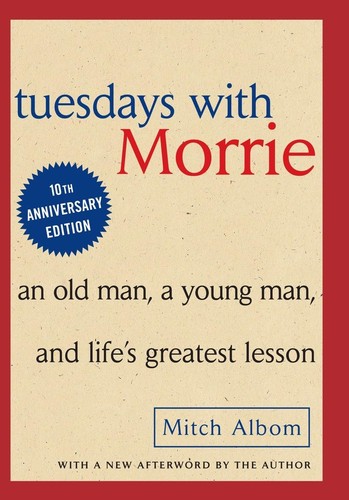
Albom visits his former professor weekly as the professor dies of ALS. Simple lessons on love, work and regret.
Best for: readers who want a gentle read.
10. Four Thousand Weeks by Oliver Burkeman
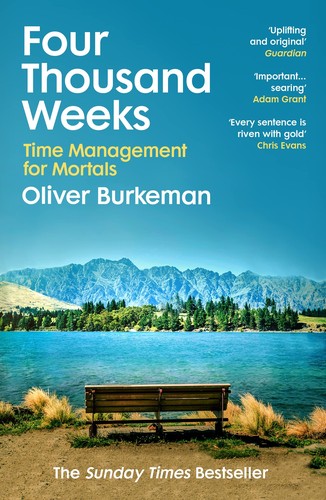
Burkeman argues that we have limited time and that accepting it can free us to focus on what matters. Funny and humane.
Best for: readers who feel busy.
11. Walden by Henry David Thoreau

Thoreau’s account of living simply by a pond argues for a deliberate life. Dense in parts but unforgettable.
Best for: readers who need quiet.
12. Letters to a Young Poet by Rainer Maria Rilke
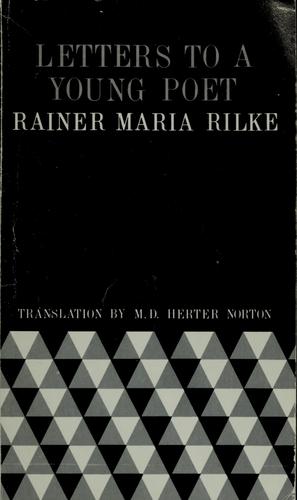
Ten letters to a young poet offer reflections on solitude, love and creativity. Short, intimate and timeless.
Best for: readers who like poetic advice.
13. The Book of Joy by Dalai Lama, Desmond Tutu and Douglas Abrams
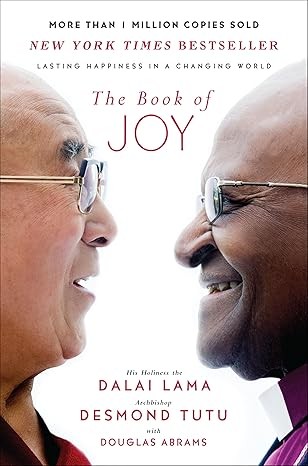
Two spiritual leaders discuss joy and suffering over a week, with insights and humor. Warm and practical.
Best for: readers who like dialogues.
14. Ikigai by Héctor García and Francesc Miralles
Introduces the Japanese concept of a reason for being, with lessons from long-lived people. Light and quick.
Best for: readers who like short books.
15. Meditations by Marcus Aurelius
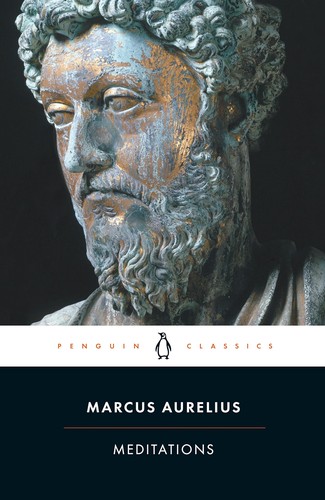
A Roman emperor’s private reminders about duty, impermanence and virtue. Use a modern translation.
Best for: readers who want daily wisdom.
How to Choose the Right Book on The Meaning Of Life
Choose by the lens you prefer. If you like psychology, try Man’s Search for Meaning, Flow and The Happiness Hypothesis. If you like philosophy, read The Myth of Sisyphus and The Denial of Death. If you prefer stories, Siddhartha, The Alchemist and Tuesdays with Morrie approach meaning through characters. If you want personal reflection, When Breath Becomes Air and Walden are powerful memoirs. For gentler, shorter reads, Letters to a Young Poet and Ikigai are good. Read in any order, and keep a journal of the lines you want to remember.
Which Book Should You Start With? A Quick Guide
If you are not sure where to begin, match your situation to the list below.
- Readers facing hardship: Man’s Search for Meaning
- Readers who face the absurd: The Myth of Sisyphus
- Readers who like depth: The Denial of Death
- Readers who like spiritual novels: Siddhartha
- Readers who like fables: The Alchemist
- Readers who want practical ideas: Flow
- Readers who like science and wisdom: The Happiness Hypothesis
- Readers who want a moving memoir: When Breath Becomes Air
- Readers who want a gentle read: Tuesdays with Morrie
- Readers who feel busy: Four Thousand Weeks
- Readers who need quiet: Walden
- Readers who like poetic advice: Letters to a Young Poet
- Readers who like dialogues: The Book of Joy
- Readers who like short books: Ikigai
- Readers who want daily wisdom: Meditations
A Simple Reading Plan
A reading plan works better than a stack of good intentions. Begin with Man’s Search for Meaning, which is the easiest way into the meaning of life, and give it two weeks at ten to twenty pages a day. When you finish, spend five minutes writing down the one idea you want to try. Then move to The Myth of Sisyphus, and only after that to The Denial of Death or a title that is denser. Mixing formats helps: read one book on paper, listen to another on a walk and keep a third on your phone for waiting rooms. If a book is not helping after fifty pages, put it down without guilt and try the next one, because the right book at the right time matters more than finishing every one.
Print, E-Book or Audiobook?
You do not have to pick one format. For a book on the meaning of life, listen to the audiobook while walking or driving, and keep the paper or e-book handy for the chapters you want to study. Reading and listening together can improve retention, since you hear the author’s voice and see the structure on the page. Library apps lend all three formats free, and used paperbacks are inexpensive. If your attention drifts with long audio sessions, try 1.25x speed for an easy book and normal speed for a dense one. Choose whatever makes it easiest to read a little every day.
How to Get More From What You Read
Reading is the first step, and practice is the second. For each book on the meaning of life, choose one idea that fits your life and schedule it, whether it is a ten-minute exercise, a conversation or a habit. Write it where you will see it, such as on a sticky note or in your calendar. After two weeks, ask what worked and what did not, and adjust. Sharing your progress with a friend adds accountability. If a book offers exercises, do them with a pencil instead of skipping to the next chapter, because the exercises are where most of the value lies.
Reading on a Budget
Reading about the meaning of life does not have to be expensive. Start at the library, where print books, e-books and audiobooks are free with a card and a hold list, and ask the librarian for related titles. Secondhand bookstores and online used sellers keep prices low, and older editions are usually just as good as new ones. Watch for e-book sales, and borrow a title before buying it to be sure it suits you. When a book becomes a favorite, buy a copy for your shelf so you can reread and annotate it.
Talk About What You Read
Talking about what you read turns information into understanding. After each book on the meaning of life, tell someone one thing you learned, even if it is just a five-minute chat over dinner. Post a short review for other readers, which forces you to organize your thoughts. If a book raises difficult feelings, share them with a trusted friend or counselor instead of carrying them alone. And if you disagree with an author, say so; thoughtful disagreement is part of learning, and it sharpens your own view.
Common Mistakes to Avoid
Readers often make a few predictable mistakes with books on the meaning of life. The first is reading too many at once and finishing none, so stick with one or two at a time. The second is looking for a perfect answer, when most authors offer ideas to test, not rules to follow. The third is skipping the exercises or reflection questions, which are often the most useful parts. The fourth is comparing yourself with the author’s success story. Finally, do not treat a book as a substitute for support from people who know you. Use books as one tool among several, and be kind to yourself when progress is slow.
How to Judge a Book on The meaning of life
A few quick checks can save you time when choosing a book on the meaning of life. Look at who wrote it and what qualifies them. See whether the author cites research or sources, and whether those sources are recent enough to matter. Notice the tone: honest authors admit limits and exceptions, while less reliable ones speak in absolutes. Skim the table of contents and a sample chapter, and read both enthusiastic and critical reviews. If a claim seems too good to be true, search for what other experts say. Reading widely across several authors is the best protection against any single voice.
When Reading Is Not Enough
Books are a good start, but they are not the whole answer to every situation involving the meaning of life. If your difficulties interfere with sleep, work, relationships or safety, talk with a doctor, counselor or other qualified professional. Support groups, whether in person or online, can give you something books cannot: people who understand and respond. Friends and family can help if you let them know what you need. Think of your reading as one part of a larger toolkit, and do not hesitate to add other tools. Asking for help is a sign of strength and often speeds progress.
Questions to Reflect On
Keep these in a notebook and return to them after each book:
- What do I most want to understand or change about {t}?
- Which idea from my reading feels true for me, and which do I doubt?
- What is one small action I can take this week?
- Who could I talk to about what I am learning?
- How will I know in a month that this reading helped?
Tips for Reading About The meaning of life
- Keep a quotes journal. Copy lines that resonate.
- Read a mix. Alternate philosophy with memoir.
- Talk with others. Discuss with a friend or book club.
- Live the question. Rilke advised living the questions now.
- Revisit. Books read at different ages say different things.
Related: 15 Best Philosophy Books for Beginners and atomic Habits Summary and Key Takeaways.
Frequently Asked Questions
What is the best book on the meaning of life?
Man’s Search for Meaning by Viktor Frankl is widely considered a classic.
Which book is good for a philosophical look?
The Myth of Sisyphus and The Denial of Death take a deeper approach.
Is there a fiction book about meaning?
Siddhartha and The Alchemist are novels that explore the search for meaning.
How many books on the meaning of life should I read at once?
One or two at a time is plenty. Finish a book, try one idea from it and then move on, so what you read turns into something you do.
Are these books on the meaning of life available as audiobooks?
Most of them are. Check your library’s app, such as Libby, or an audiobook service, and listen to a sample to see whether the narrator suits you.