

Disclosure: As an Amazon Associate, Bookish Wisdom earns from qualifying purchases. This doesn’t change our picks or your price.
Quick answer: If you loved Meditations by Marcus Aurelius, try Letters from a Stoic by Seneca, The Daily Stoic by Ryan Holiday, Enchiridion by Epictetus, A Guide to the Good Life by William B. Irvine, How to Be a Stoic by Massimo Pigliucci and On the Shortness of Life by Seneca.
Meditations is the private journal of Marcus Aurelius, Roman emperor from 161 to 180 CE and one of the last great Stoic philosophers. Written in the middle of wars, plague and political trouble, it reminds himself to stay calm, focus on what is within his control and treat others with fairness. It was never meant for publication, which gives it a rare honesty. The picks below share its Stoic wisdom, practical advice and timeless tone, from ancient texts to modern guides. They are adult nonfiction and philosophy, mostly short and easy to read in pieces.
Table of Contents
Why Readers Love Meditations
Readers love Meditations because it is humane, humble and practical. Marcus reminds himself each morning that the people he will meet that day may be meddling, ungrateful or arrogant, and that he must treat them well anyway. He doesn’t present himself as wise; he’s reminding himself. That vulnerability makes the book feel like a conversation with a friend. Modern readers, from athletes to executives, use it for calm and perspective, and it has seen a revival through books, podcasts and apps that apply Stoicism to daily life.
How We Chose These Books
Every pick below shares at least one thing readers loved about Meditations: its characters, its mood, its setting or the questions it raises. We mixed well-known favorites with a few less obvious choices, and we noted the genre and who each book suits best in the table, so you can scan for the right fit before you read the blurbs.
We kept every description spoiler-free and flagged mature content where it matters, since some of these books are written for adults and others suit teens. If you’re not sure where to start, the tips near the end of this list match each pick to what you loved most. The FAQ at the bottom answers the questions readers ask most often.
Quick Picks at a Glance
| Book | Author | Type | Best For |
|---|---|---|---|
| Letters from a Stoic | Seneca | Philosophy | Friendly Stoic advice |
| The Daily Stoic | Ryan Holiday and Stephen Hanselman | Philosophy | A page for each day |
| The Obstacle Is the Way | Ryan Holiday | Philosophy | Turning problems into advantages |
| Enchiridion | Epictetus | Philosophy | A short handbook |
| Discourses | Epictetus | Philosophy | More depth from Epictetus |
| A Guide to the Good Life | William B. Irvine | Philosophy | Stoicism for modern people |
| How to Be a Stoic | Massimo Pigliucci | Philosophy | Using Epictetus in daily life |
| On the Shortness of Life | Seneca | Philosophy | Time and priorities |
| Ego Is the Enemy | Ryan Holiday | Philosophy | Humility and focus |
| Stillness Is the Key | Ryan Holiday | Philosophy | Calm in a noisy world |
| The Practicing Stoic | Ward Farnsworth | Philosophy | A thematic guide |
| The Inner Citadel | Pierre Hadot | Scholarship | A deeper study |
| Lives of the Stoics | Ryan Holiday and Stephen Hanselman | History | Stoics’ stories |
| Courage Is Calling | Ryan Holiday | Philosophy | Brave action |
| Man’s Search for Meaning | Viktor E. Frankl | Psychology | Meaning in hardship |
1. Letters from a Stoic by Seneca
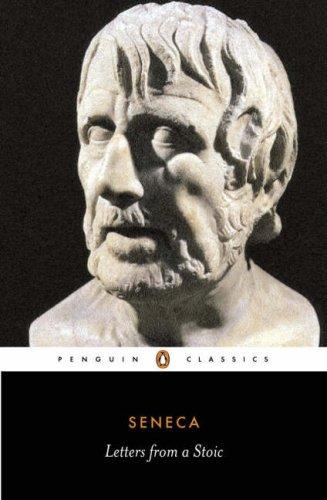
Seneca’s letters to a younger friend, Lucilius, offer practical guidance on time, friendship, anger and death. They’re short and engaging, and often considered the best introduction to Stoicism.
2. The Daily Stoic by Ryan Holiday and Stephen Hanselman
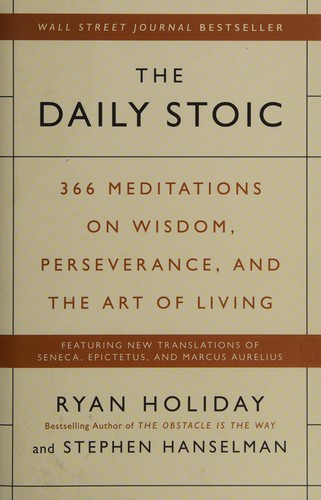
366 short meditations with quotations from Stoic writers and brief commentary. It’s perfect for daily reading.
3. The Obstacle Is the Way by Ryan Holiday
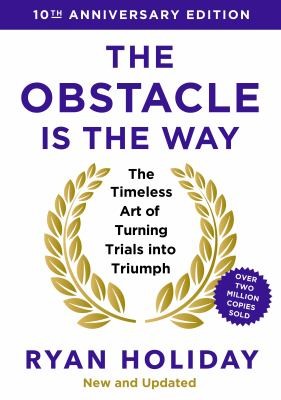
Holiday uses stories of historical figures to show how to turn obstacles into opportunities. It’s fast and energetic.
4. Enchiridion by Epictetus
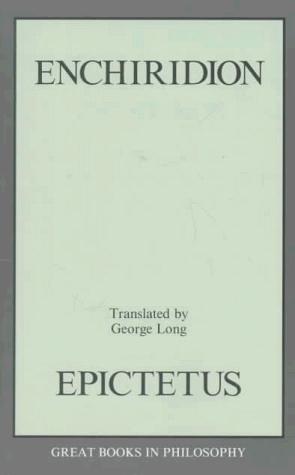
A brief handbook of Stoic principles compiled by Epictetus’s student Arrian. It’s one of the most direct and quotable Stoic texts.
5. Discourses by Epictetus
Lectures of the former slave turned teacher, covering freedom, desire and duty. It’s longer than the Enchiridion and rich in advice.
6. A Guide to the Good Life by William B. Irvine
Irvine, a philosophy professor, explains Stoic techniques and shows how to apply them today. It’s clear, practical and a popular entry point.
7. How to Be a Stoic by Massimo Pigliucci
Pigliucci, a philosopher, describes how Epictetus’s teachings can help with modern problems, with personal stories. It’s warm and thoughtful.
8. On the Shortness of Life by Seneca
A short essay arguing that life is long enough if we don’t waste it. It’s concise and energizing.
9. Ego Is the Enemy by Ryan Holiday
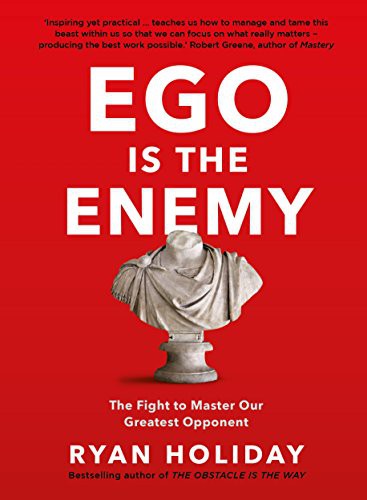
Holiday explains how ego sabotages success and shows how to stay grounded. It’s short and direct.
10. Stillness Is the Key by Ryan Holiday
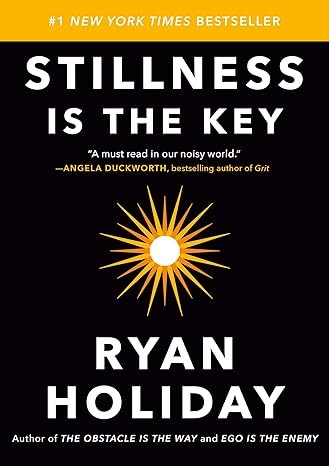
Holiday explores how to cultivate stillness in mind, spirit and body through Stoic and other traditions. It’s a gentle follow-up.
11. The Practicing Stoic by Ward Farnsworth
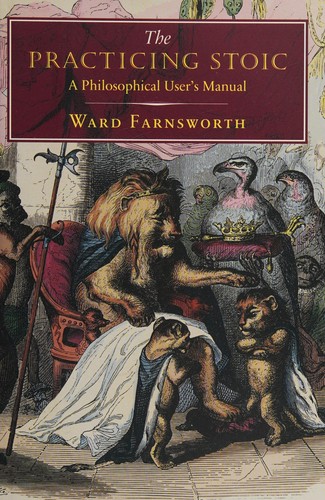
Farnsworth organizes Stoic quotations by theme, such as anger, fear and gratitude, with commentary. It’s a handy reference.
12. The Inner Citadel by Pierre Hadot
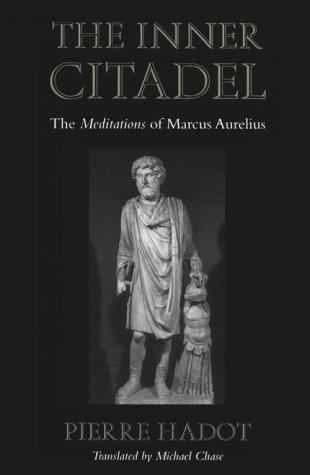
Hadot analyzes Meditations as a series of spiritual exercises. It’s scholarly but illuminating for committed readers.
13. Lives of the Stoics by Ryan Holiday and Stephen Hanselman
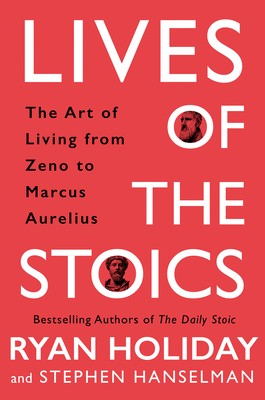
Short biographies of Stoics, from Zeno to Marcus Aurelius, showing how they lived their philosophy. It’s lively and informative.
14. Courage Is Calling by Ryan Holiday
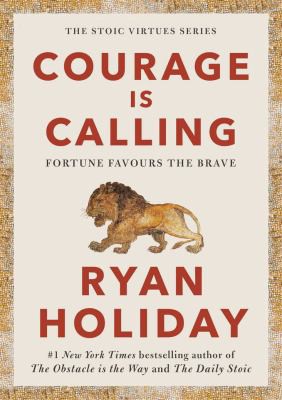
Holiday explores courage using stories of historical figures and Stoic ideas. It’s energetic and encouraging.
15. Man’s Search for Meaning by Viktor E. Frankl
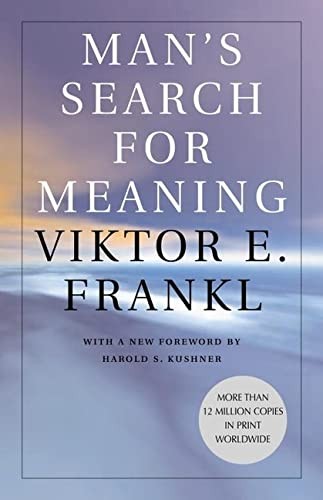
Frankl’s account of surviving concentration camps and his philosophy of finding meaning. It echoes Stoic ideas about choosing your response.
How to Pick Your Next Stoic Read
- Want a gentle start? Letters from a Stoic and The Daily Stoic.
- Want modern guides? A Guide to the Good Life and How to Be a Stoic.
- Want original texts? Enchiridion and Discourses.
- Want short reads? On the Shortness of Life.
- Want applied wisdom? The Obstacle Is the Way and Ego Is the Enemy.
- Read a little each day. These books reward small daily doses.
What Is Stoicism?
Stoicism is an ancient Greek and Roman philosophy that teaches that virtue, meaning wisdom, courage, justice and self-control, is the key to a good life. Stoics focus on what is within their control, their judgments, choices and actions, and accept what is not, such as other people’s opinions or the weather. They practice exercises like imagining worst cases and reflecting each evening on the day. The philosophy was founded by Zeno around 300 BCE and shaped Roman leaders and thinkers. Today it’s popular as a practical guide to resilience.
The Three Great Roman Stoics
The most-read Stoic writers are Seneca, Epictetus and Marcus Aurelius. Seneca was a statesman and playwright whose letters give friendly advice. Epictetus was a former slave who taught that we are disturbed not by things but by our views about them, and his students wrote down the Discourses and the Enchiridion. Marcus Aurelius was an emperor who wrote Meditations for himself. Reading all three shows different sides of Stoicism: social, practical and personal. Modern authors like Ryan Holiday and Massimo Pigliucci translate their ideas for today.
Which Translation of Meditations to Read
Meditations has been translated many times. Gregory Hays’s version is modern, clear and popular with new readers. George Long’s older translation is free online but more formal. Martin Hammond’s Penguin version is accurate and readable. Robin Hard’s translation offers helpful notes. Try reading a few pages of each in a bookstore or sample, and choose the voice that speaks to you. Many readers keep a copy by the bed and read a page a day.
Stoic Exercises You Can Try
Stoicism is meant to be practiced. Try a morning reflection on what could go wrong and how you’d respond. Practice negative visualization, imagining losing something you value, to increase gratitude. In the evening, review your day: what went well, what you could do better. Distinguish what is up to you from what isn’t whenever you feel stressed. And remember memento mori, the reminder that life is short, as a reason to be kind and present, not fearful.
Stoicism and Modern Psychology
Many therapists note that Stoic ideas resemble cognitive behavioral therapy, which teaches that our interpretations of events shape our feelings. Writing about this connection, authors such as Donald Robertson have explored how ancient techniques can help with anxiety and anger. Stoicism isn’t a replacement for therapy, and critics point out that it can be misread as suppressing emotion. A healthy Stoic approach acknowledges feelings and then chooses a wise response.
Criticisms and Cautions
Some critics say modern Stoicism is too individualistic, ignoring community and social change, or that it’s been turned into a productivity hack. Others note that Marcus himself lived in great privilege. These points are worth considering, and many Stoic writers, including Seneca and Epictetus, emphasize duty to others. Treat Stoicism as a toolkit rather than a creed, and combine it with other sources of wisdom, such as friends, literature and your own experience.
A Four-Week Stoic Reading Plan
If you want a simple plan, spend week one with a short intro such as A Guide to the Good Life. In week two, read twenty pages of Meditations each day, jotting down lines that stand out. In week three, move to Letters from a Stoic and read one letter each night. In week four, try The Daily Stoic or Ego Is the Enemy for a modern application. Keep a notebook with a Stoic exercise each day, and at the end of the month note what has changed in how you react to stress.
Stoic Quotes to Reflect On
A few ideas from these authors are easy to remember. Epictetus said that some things are up to us and some are not. Seneca wrote that we suffer more in imagination than in reality, and that it is not that we have a short time to live, but that we waste a lot of it. Marcus Aurelius reminded himself that the impediment to action advances action, and what stands in the way becomes the way. Choose one line a week, write it somewhere you’ll see it, and see how it shapes your choices.
Related: The Obstacle Is the Way summary and key takeaways and Ego Is the Enemy summary and key takeaways.
Frequently Asked Questions
What book is most like Meditations?
Letters from a Stoic by Seneca and the Enchiridion by Epictetus are the closest classics, and The Daily Stoic is the best modern companion.
Which translation of Meditations should I read?
Gregory Hays’s translation is the most popular modern version.
Is Stoicism a religion?
No. It’s a philosophy about how to live well, though its ancient authors sometimes referred to gods and fate.
Was Meditations written for publication?
No. Marcus Aurelius wrote it as a private journal.
What should I read after Meditations?
Try Letters from a Stoic, then The Daily Stoic.