
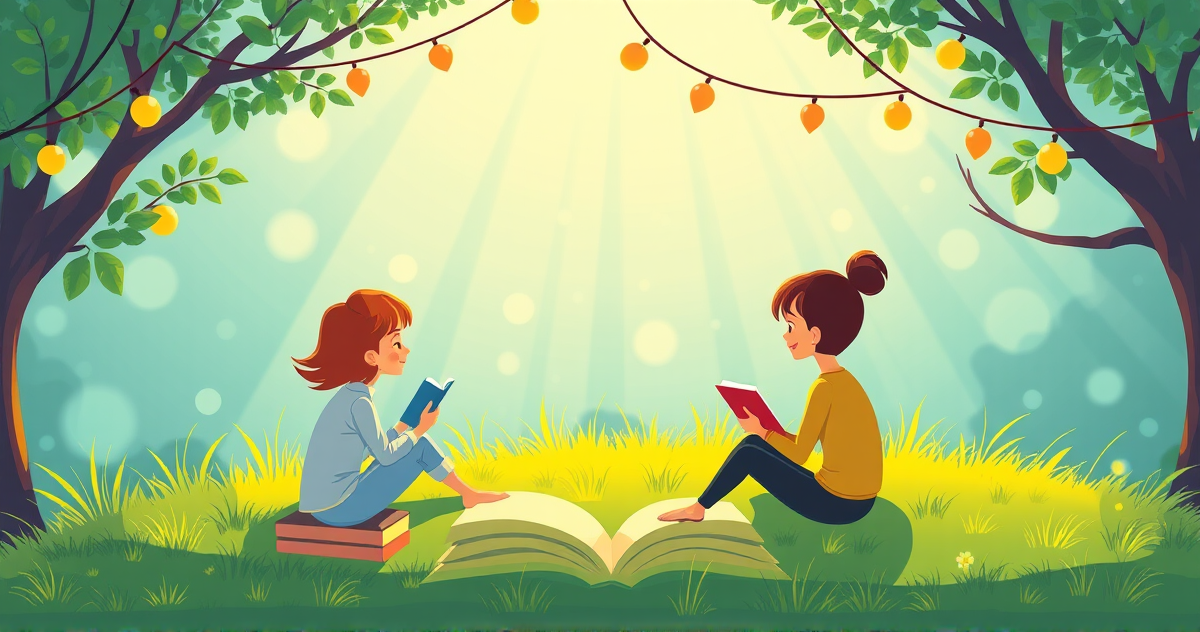
Most people think of reading as a solitary activity, but the truth is that 6 unexpected ways reading can improve your relationships exist that might surprise you. From developing deeper empathy to creating meaningful connections with your partner, books offer powerful tools for enhancing your interpersonal bonds. Whether you’re looking to strengthen romantic partnerships, friendships, or family relationships, the simple act of reading can transform how you connect with others in ways you never imagined.
The science behind reading’s impact on relationships is fascinating and well-documented. Research shows that people who read regularly demonstrate higher levels of emotional intelligence, better communication skills, and increased capacity for understanding different perspectives. These benefits extend far beyond personal growth, creating ripple effects that enhance every relationship in your life.
Table of Contents
1. Reading Fiction Develops Your Empathy Superpowers
When you dive into a novel, something magical happens in your brain. You’re not just reading words on a page; you’re literally experiencing life through someone else’s eyes. Reading fiction for better communication works because it activates the same neural pathways involved in real-world social interactions. Studies from researchers at The New School found that people who read literary fiction scored significantly higher on empathy tests than those who read non-fiction or popular fiction.
This enhanced empathy translates directly into your relationships. When your partner is upset about something that seems trivial to you, your fiction-trained brain kicks in, helping you understand their emotional landscape. You become better at picking up on subtle cues, reading between the lines of conversations, and responding with genuine compassion rather than defensiveness.
The beauty of this process is that it happens naturally and unconsciously. Every time you connect with a fictional character’s struggles, celebrate their victories, or feel frustrated by their poor choices, you’re building emotional muscles that make you a more understanding and supportive partner, friend, or family member.
2. Shared Reading Creates Intimate Bonding Experiences
Shared reading activities for couples offer a unique form of intimacy that goes beyond physical closeness. When you and your partner read the same book, you’re essentially sharing a mental adventure together. You experience the same plot twists, fall in love with the same characters, and get frustrated by the same cliffhangers, creating a shared emotional journey that strengthens your bond.
Book clubs for couples have become increasingly popular because they provide structured opportunities for deep conversations. Discussing themes, character motivations, and plot developments naturally leads to sharing personal values, memories, and perspectives. These conversations often reveal aspects of your partner’s personality and thought processes that might never surface in everyday small talk.
Even reading different books can enhance intimacy when you share what you’re learning or enjoying. Taking turns reading passages aloud to each other creates moments of vulnerability and connection. Your partner gets insight into what captivates your mind, while you practice the intimate act of sharing something meaningful with someone you care about.
3. Books Provide Safe Conversation Starters for Difficult Topics
One of the most unexpected benefits of reading together is how it creates safe entry points for discussing challenging subjects. When a book character faces infidelity, financial stress, parenting dilemmas, or career changes, it opens the door for you and your partner to explore these topics without the pressure of immediate personal stakes.
This indirect approach to difficult conversations reduces defensiveness and allows for more honest communication. Instead of saying “I think you spend too much money,” you might discuss how a character’s financial decisions affected their marriage, naturally leading to a conversation about your own financial values and goals. How books reduce relationship stress becomes evident when these literary discussions help you address issues before they become major problems.
Self-help and relationship books serve a similar function, providing vocabulary and frameworks for discussing relationship dynamics. When you both read about communication styles, love languages, or conflict resolution techniques, you develop a shared understanding of relationship concepts that makes future discussions more productive and less emotionally charged.
4. Reading Expands Your Perspective-Taking Abilities
Every book you read introduces you to different worldviews, cultural backgrounds, and life experiences. This exposure dramatically improves your ability to understand where others are coming from, even when their perspectives differ significantly from your own. Reading helps understand different perspectives relationships by training your brain to consider multiple viewpoints simultaneously.
In relationships, this skill proves invaluable during disagreements or misunderstandings. Instead of assuming your partner is being unreasonable, your reading-enhanced perspective-taking abilities help you consider their background, experiences, and emotional state. You become curious rather than defensive, asking questions like “Help me understand why this is important to you” instead of immediately arguing your point.
This expanded perspective-taking also helps you appreciate the complexity of human nature. Characters in books rarely fit into simple “good” or “bad” categories, and this nuanced understanding carries over into your real relationships. You become more forgiving of others’ flaws and more appreciative of their unique strengths and struggles.
5. Personal Growth Books Accelerate Individual Development
Personal growth books for relationship success work by helping you become the best version of yourself, which naturally improves all your relationships. When you read about emotional intelligence, mindfulness, communication skills, or personal boundaries, you’re investing in tools that make you a better partner, friend, and family member.
The key insight here is that healthy relationships require healthy individuals. Books about psychology, self-awareness, and personal development help you understand your own patterns, triggers, and needs. This self-knowledge prevents you from unconsciously sabotaging relationships or expecting others to fill emotional gaps that only you can address.
Reading about topics like attachment styles, childhood influences on adult relationships, or effective communication techniques gives you practical strategies for improving your relationship skills. You learn to recognize when you’re projecting past hurts onto current situations, how to express needs clearly without being demanding, and how to support others without losing yourself in the process.
6. Books Create Opportunities for Meaningful Gift-Giving and Thoughtfulness
The act of choosing books for people you care about demonstrates a deep level of thoughtfulness that strengthens relationships. When you select a novel you think your friend would love, a cookbook for your food-obsessed sibling, or a business book for your ambitious partner, you’re showing that you pay attention to their interests, dreams, and personality.
Books to improve empathy for partners can be particularly powerful gifts when chosen with care. Recommending a book that helped you understand something important about life, love, or personal growth shows vulnerability and creates opportunities for meaningful conversations. The recipient feels seen and valued, knowing you thought carefully about what might resonate with them.
Book recommendations also create ongoing connection points. Following up to discuss what someone thought about a book you suggested, sharing favorite quotes, or debating different interpretations keeps relationships active and engaged. These literary conversations often become cherished memories that strengthen bonds over time.
The Science Behind Reading and Relationship Enhancement
Neuroscience research reveals fascinating insights about how reading literally rewires your brain for better relationships. When you read about social situations, your brain activates the same regions involved in real social interactions. This mental rehearsal makes you more skilled at navigating complex interpersonal dynamics in your actual relationships.
Studies using fMRI brain scans show that reading literary fiction increases activity in areas associated with theory of mind – your ability to understand that others have thoughts, feelings, and perspectives different from your own. This cognitive skill is fundamental to successful relationships, whether romantic, platonic, or professional.
The temporal effects are equally impressive. Research indicates that the empathy-boosting effects of reading fiction can last for days or even weeks after finishing a book. This means that regular readers maintain consistently higher levels of social cognition and emotional intelligence compared to non-readers.
Practical Tips for Maximizing Reading’s Relationship Benefits
To fully harness these 6 unexpected ways reading can improve your relationships, consider implementing some strategic reading practices. Start a monthly book club with your partner, choosing titles that explore themes relevant to your relationship goals. Alternate between fiction and non-fiction to balance emotional development with practical skill-building.
Create reading rituals that enhance intimacy, such as reading together before bed or sharing favorite passages over morning coffee. Keep a shared journal where you both write reflections about books you’re reading, creating a written record of your intellectual and emotional journey together.
Don’t underestimate the power of audiobooks for busy couples. Listening to books during commutes, workouts, or household chores allows you to share literary experiences even when schedules are tight. Many couples find that discussing audiobooks during walks or car rides leads to some of their most meaningful conversations.
Choosing Books That Strengthen Relationships
Selecting the right books can amplify reading’s relationship benefits. Look for novels with complex characters facing realistic relationship challenges. Authors like Jojo Moyes, Nicholas Sparks, and Elena Ferrante create characters whose relationship dynamics mirror real-life complexities, providing rich material for discussion and reflection.
For non-fiction, consider books that combine research with practical application. Titles like “The Seven Principles for Making Marriage Work” by John Gottman or “Attached” by Amir Levine offer science-based insights that can transform how you approach relationships. Reading these together ensures you’re both learning the same concepts and can support each other in implementing new strategies.
Don’t overlook memoirs and biographies, which offer intimate glimpses into how real people navigate relationship challenges. These stories provide inspiration, cautionary tales, and proof that relationship struggles are universal human experiences rather than personal failures.
Conclusion
The 6 unexpected ways reading can improve your relationships demonstrate that books offer far more than entertainment or education – they provide powerful tools for human connection. From developing empathy through fiction to creating intimate bonding experiences through shared reading, books enhance every aspect of how we relate to others.
Reading transforms you into a more understanding, thoughtful, and emotionally intelligent person, qualities that naturally improve all your relationships. Whether you’re strengthening a romantic partnership, deepening friendships, or building better family connections, the simple act of reading regularly can create profound positive changes in how you connect with others.
The beauty of this approach lies in its accessibility and sustainability. Unlike expensive therapy or complicated relationship programs, reading requires only time and curiosity. Every book you read contributes to your relationship skills, making you more empathetic, better at communication, and more capable of understanding different perspectives.
Start small by choosing one book to read with someone you care about, or commit to reading fiction regularly to develop your empathy muscles. Pay attention to how your enhanced emotional intelligence and communication skills begin improving your daily interactions. The investment you make in reading today will pay dividends in stronger, more fulfilling relationships for years to come.