
Disclosure: As an Amazon Associate, Bookish Wisdom earns from qualifying purchases. This doesn’t change our picks or your price.
Quick answer: These 15 biography books suit teens (ages 13 and up). Start with I Know Why the Caged Bird Sings, The Autobiography of Malcolm X, Narrative of the Life of Frederick Douglass, Night, The Glass Castle or Born a Crime. Each pick below has a short blurb, an age range and a content note where it matters.
Biographies and memoirs let teens see how real people shape their lives, and the best ones read like novels. This list gathers fifteen powerful life stories for ages 13 and up, from classics of American literature to modern bestsellers. They cover war, poverty, race, fame and invention. Many contain difficult content, including abuse, violence and discrimination, and we flag it. Use them for school assignments, book clubs or a teen looking for someone to learn from.
Table of Contents
Quick Picks at a Glance
| Book | Author | Ages | Best For |
|---|---|---|---|
| I Know Why the Caged Bird Sings | Maya Angelou | 15+ | memoir readers |
| The Autobiography of Malcolm X | Malcolm X and Alex Haley | 15+ | history readers |
| Narrative of the Life of Frederick Douglass | Frederick Douglass | 13+ | history readers |
| Night | Elie Wiesel | 14+ | Holocaust memoir readers |
| The Glass Castle | Jeannette Walls | 14+ | family-memoir readers |
| Born a Crime | Trevor Noah | 14+ | humor and history fans |
| Steve Jobs | Walter Isaacson | 15+ | tech and business readers |
| Becoming | Michelle Obama | 14+ | inspiration seekers |
| Hamilton: The Revolution | Lin-Manuel Miranda and Jeremy McCarter | 13+ | musical fans |
| Just Mercy (Adapted for Young Adults) | Bryan Stevenson | 14+ | justice-minded readers |
| Bossypants | Tina Fey | 15+ | humor readers |
| Educated | Tara Westover | 15+ | survival and education fans |
| The Autobiography of Benjamin Franklin | Benjamin Franklin | 13+ | classic readers |
| Man’s Search for Meaning | Viktor E. Frankl | 15+ | reflective readers |
| Unbroken | Laura Hillenbrand | 14+ | survival-story fans |
1. I Know Why the Caged Bird Sings by Maya Angelou
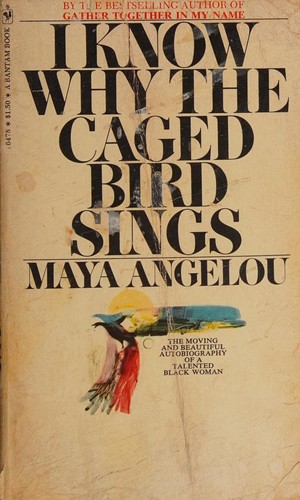
Angelou recalls her childhood in Arkansas and California, including trauma and resilience. Lyrical and unforgettable. Often taught in schools. Content note: child sexual assault and racism.
Best for: memoir readers. Ages: 15+.
2. The Autobiography of Malcolm X by Malcolm X and Alex Haley
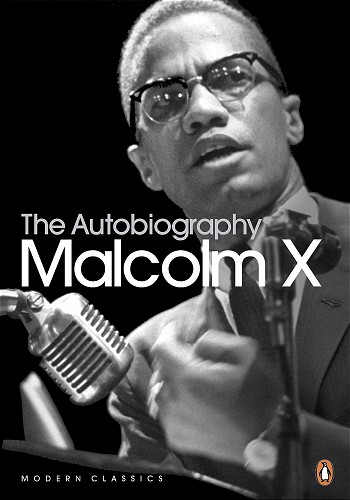
Malcolm X tells his life story, from street hustler to activist. A landmark of American nonfiction. Contains strong views and violence. Content note: violence and racism.
Best for: history readers. Ages: 15+.
3. Narrative of the Life of Frederick Douglass by Frederick Douglass
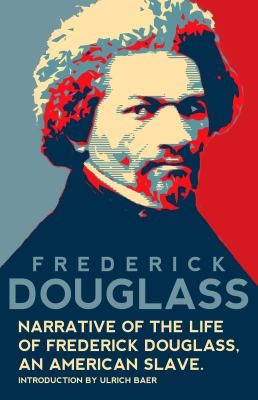
Douglass describes his life as an enslaved man and his escape. Short, powerful and clear. A foundational slave narrative. Content note: slavery and violence.
Best for: history readers. Ages: 13+.
4. Night by Elie Wiesel
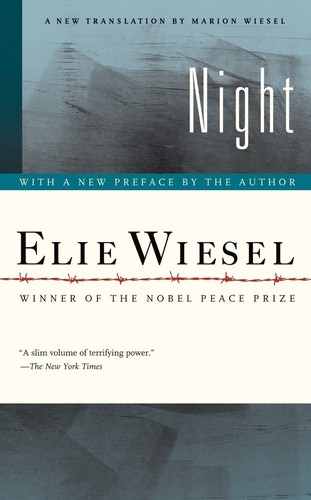
Wiesel recounts surviving Auschwitz and Buchenwald as a teen. Short, devastating and essential. Often taught in schools. Content note: genocide and death.
Best for: Holocaust memoir readers. Ages: 14+.
5. The Glass Castle by Jeannette Walls
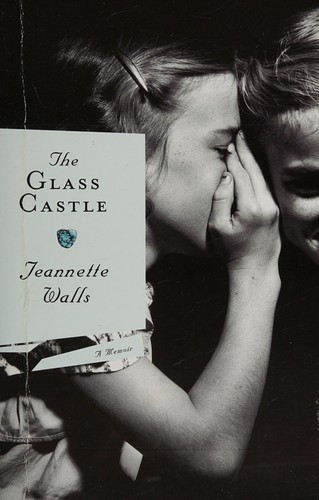
Walls grew up with brilliant but irresponsible parents who moved the family from place to place. A story of poverty and resilience. Contains neglect and abuse. Content note: neglect and abuse.
Best for: family-memoir readers. Ages: 14+.
6. Born a Crime by Trevor Noah
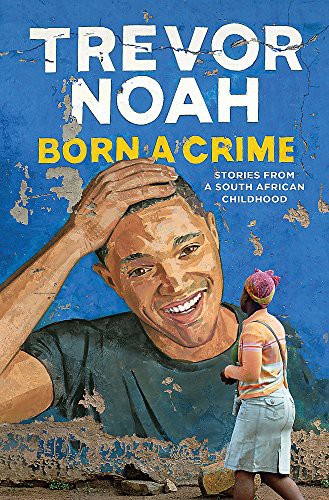
Noah recounts growing up biracial in apartheid South Africa. Funny and moving. Contains some violence and strong language. Content note: domestic violence and strong language.
Best for: humor and history fans. Ages: 14+.
7. Steve Jobs by Walter Isaacson
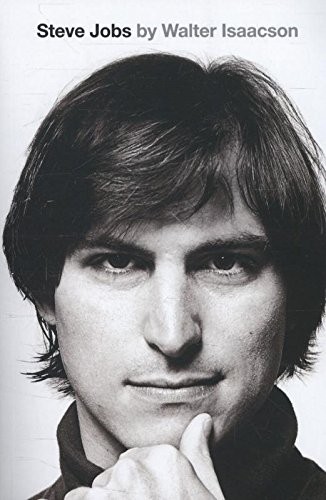
Isaacson draws on interviews to portray Apple’s founder, flaws and all. Long but readable. A fascinating study of creativity.
Best for: tech and business readers. Ages: 15+.
8. Becoming by Michelle Obama
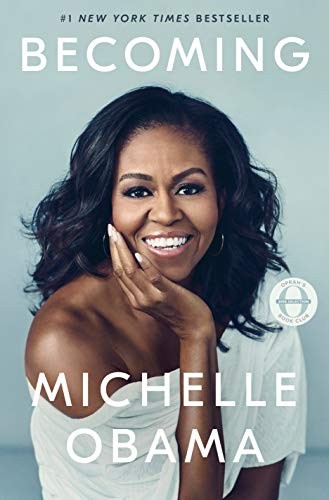
Michelle Obama describes her path from Chicago’s South Side to the White House. Warm and reflective. Easy to read.
Best for: inspiration seekers. Ages: 14+.
9. Hamilton: The Revolution by Lin-Manuel Miranda and Jeremy McCarter
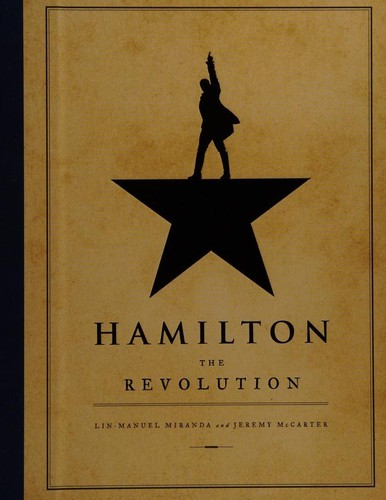
This book tells how the musical was created, with lyrics and notes. Lively and visual. Great for theater fans. Content note: some strong language.
Best for: musical fans. Ages: 13+.
10. Just Mercy (Adapted for Young Adults) by Bryan Stevenson
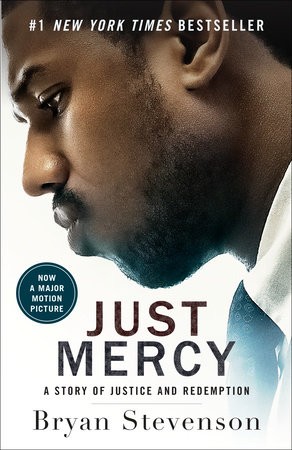
Lawyer Bryan Stevenson recounts defending death row inmates. Moving and eye-opening. Contains discussion of injustice and capital punishment. Content note: wrongful convictions and execution.
Best for: justice-minded readers. Ages: 14+.
11. Bossypants by Tina Fey
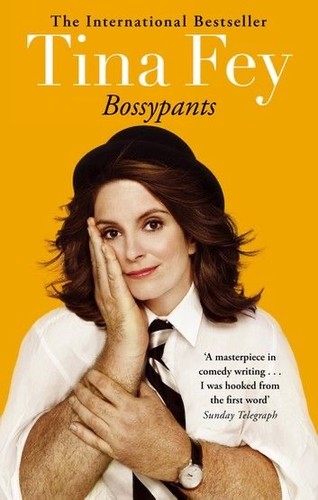
Fey writes funny, candid essays about her career. Sharp and witty. Contains adult humor. Content note: adult humor and language.
Best for: humor readers. Ages: 15+.
12. Educated by Tara Westover
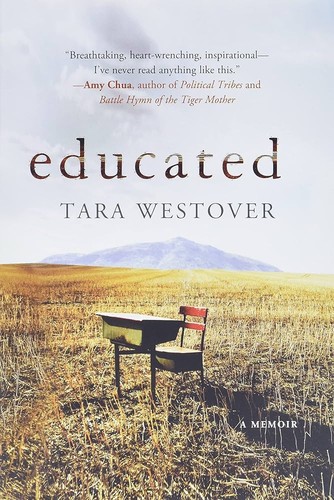
Westover grew up in a survivalist family without formal schooling and went on to earn a PhD. Gripping and thought-provoking. Contains abuse. Content note: abuse and injury.
Best for: survival and education fans. Ages: 15+.
13. The Autobiography of Benjamin Franklin by Benjamin Franklin
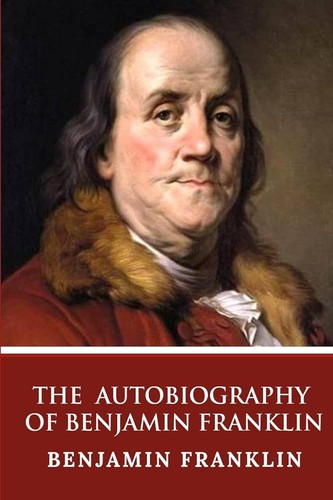
Franklin recounts his rise from a printer’s apprentice to statesman. Practical and witty. The language is old-fashioned.
Best for: classic readers. Ages: 13+.
14. Man’s Search for Meaning by Viktor E. Frankl
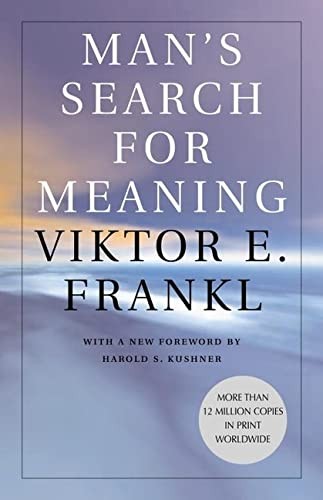
Psychiatrist Frankl describes surviving concentration camps and finding purpose. Short and profound. Heavy but life-changing. Content note: Holocaust suffering.
Best for: reflective readers. Ages: 15+.
15. Unbroken by Laura Hillenbrand
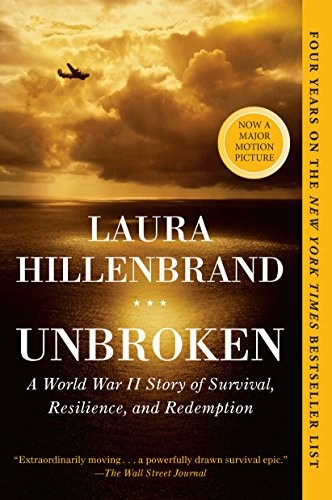
Olympian Louis Zamperini endures a plane crash, drifting at sea and imprisonment in WWII. Gripping and inspiring. Contains torture. Content note: torture and war violence.
Best for: survival-story fans. Ages: 14+.
How to Match a Biography Book to Your Teen
Teen readers want books that respect their intelligence and reflect real feelings. Begin with what your teen already enjoys, whether that is a show, a game or a favorite author, and choose a biography title that echoes it. Teens often prefer to pick for themselves, so offer a short stack instead of one assigned book. Read the content notes in this list, since some books cover mature themes, and talk openly about them. A short, fast-paced novel is a good way back into reading for someone who has drifted away, while avid readers may enjoy long series. Libraries, e-books and audiobooks all count as reading, and a teen who listens on a commute is still building vocabulary.
A Simple Reading Plan for Biography Books
Pick one title to try this month and set a small target, such as ten to twenty pages a day or one chapter before bed. Library apps and e-readers make biography books easy to carry, and audiobooks fill commutes and chores. If a book does not hook your teen within the first fifty pages, switching is fine. Not every book suits every reader. Encourage your teen to share what they are reading with friends, in a club or online, since talking about books keeps the habit alive. A short list of next reads on a phone note can help them keep going without searching each time.
Why Biography Books Matter for Teens
Reading biography books as a teen does more than pass time. Fiction and narrative nonfiction build empathy by letting readers live inside other people’s choices, and they strengthen the focus and vocabulary that school, college and work reward. Teens who read for pleasure tend to do better academically, and they often say books helped them feel less alone. A biography book can also be a bridge for conversation, giving parents and teens a safe way to talk about difficult subjects through characters instead of directly. Because teens are busy, the best strategy is to make reading easy and rewarding, which is exactly what a well-chosen book does.
Where to Find and How to Read These Books
You do not need to buy every title. A library card gives your teen free access to print books, e-books and audiobooks through apps such as Libby, and holds let you queue popular biography titles. Paperbacks are the best value, and used copies are plentiful for older bestsellers. E-readers and phones make books easy to carry, and audiobooks turn commutes, workouts and chores into reading time. Many schools also run reading lists and book clubs that use these titles. If your teen likes a book, check whether it has a sequel or a companion book, because finishing a series is often what turns a casual reader into a committed one.
After the Last Page: What to Read Next
When your teen finishes a book, the best next step is usually a short conversation, not a quiz. Ask what they thought of the ending, whether they would recommend it and what they want to read next. Then look for a sequel, another book by the same author or a similar biography title from this list. A shared reading list on a phone, a library hold queue or a school or online book club can keep the momentum going. If a book did not work, that is useful information about taste. Trying a few different books is how teens find what they love.
A Quick Checklist Before You Pick a Biography Book
Ask these questions before you borrow or buy:
- Does the opening grab your teen within the first chapter or two?
- Is the content, including violence, language and romance, right for their maturity?
- Is it standalone, or the start of a series they can binge?
- Does a library, e-book or audiobook copy exist so they can start immediately?
- Does it connect to something they already love, such as a show, game or hobby?
Questions to Talk About After Reading
These work for almost any book on this list:
- What do you think the author was really trying to say?
- Which character did you understand best, and which frustrated you?
- Did the ending feel earned?
- How does this book compare with others in the genre?
- Would you recommend it to a friend, and what would you say?
Tips for Choosing Biography Books for Teens
- Pick someone to admire. The best biography is about a person your teen is curious about.
- Check difficulty. Some are heavy on content or length.
- Use audiobooks. Memoirs read by the author are powerful.
- Discuss choices. Ask what you would have done.
- Pair with context. Look up the era to deepen understanding.
Related: 15 best biography books for middle schoolers and 15 best book club books for teens.
Frequently Asked Questions
What are the best memoirs for teens?
I Know Why the Caged Bird Sings, Night, Born a Crime and The Glass Castle are popular.
Which biographies are short enough for school?
Night and Narrative of the Life of Frederick Douglass are brief.
Are memoirs appropriate for 14-year-olds?
Many are, but some contain abuse or violence, so check the notes.