
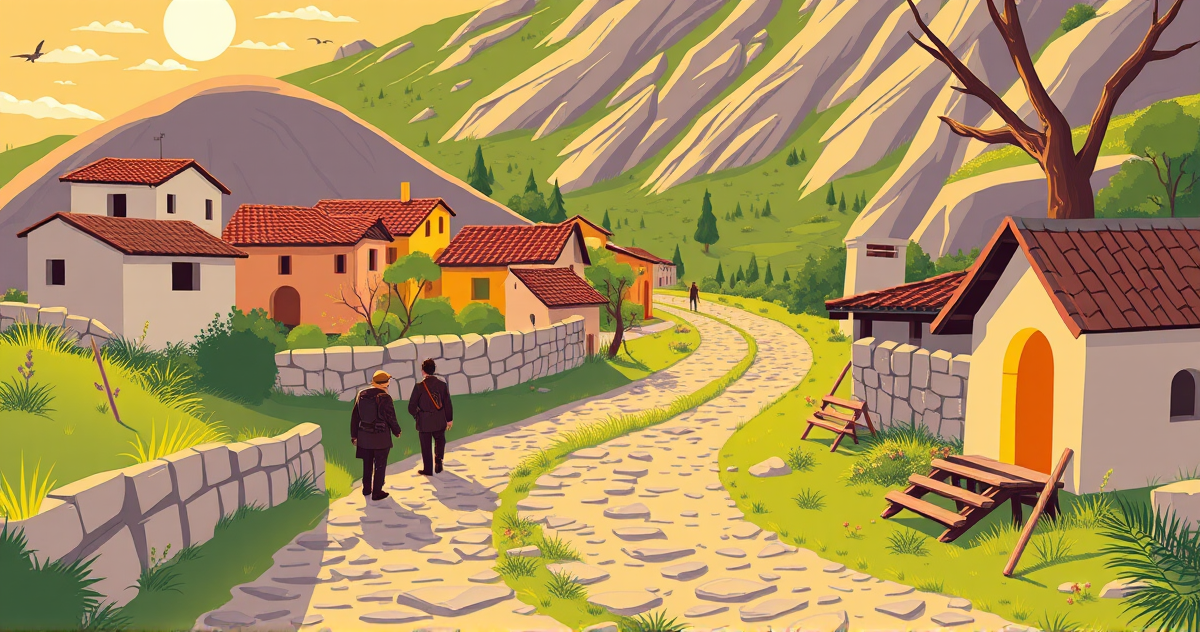
The ancient pilgrimage route to Santiago de Compostela has inspired countless writers, walkers, and spiritual seekers throughout the centuries. Whether you’re planning your own journey or simply fascinated by this transformative experience, the best books about the Camino de Santiago offer profound insights, practical guidance, and deeply personal stories that capture the essence of this sacred walk. From memoirs that chronicle life-changing adventures to practical guides that help you navigate every step, these carefully selected books will enrich your understanding of the Camino’s spiritual and cultural significance.
These literary companions span genres from travel memoir to spiritual reflection, offering perspectives from seasoned pilgrims, first-time walkers, historians, and cultural experts. Each book provides unique value whether you’re seeking inspiration, practical advice, or simply want to experience the Camino vicariously through compelling storytelling.
Table of Contents
1. The Pilgrimage by Paulo Coelho
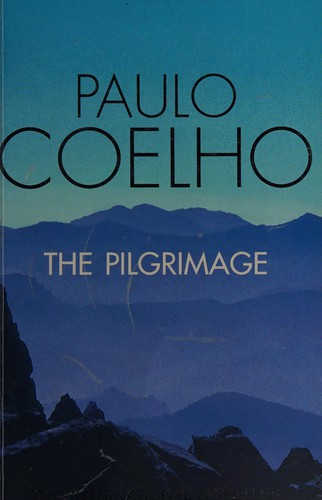
Paulo Coelho’s spiritual memoir chronicles his transformative journey along the Camino Francés in 1986, blending mystical experiences with practical wisdom. The Brazilian author weaves together ancient teachings, personal revelations, and encounters with fellow pilgrims to create a deeply moving narrative about self-discovery. This book launched Coelho’s international career and introduced millions of readers worldwide to the profound spiritual possibilities of the Camino experience. His poetic prose captures both the physical challenges and metaphysical rewards of walking this ancient path.
2. Off the Road: A Modern-Day Walk Down the Pilgrim’s Route into Spain by Jack Hitt
Jack Hitt’s humorous and insightful account follows his 500-mile journey from France to Santiago, offering a contemporary American perspective on this medieval pilgrimage. His witty observations about fellow pilgrims, Spanish culture, and his own motivations create an entertaining yet thoughtful exploration of why people undertake this challenging walk. Hitt masterfully balances historical context with personal anecdotes, making complex cultural and religious themes accessible to modern readers. The book serves as both travel literature and cultural commentary, examining how ancient traditions adapt to contemporary life.
3. I’m Off Then: Losing and Finding Myself on the Camino de Santiago by Hape Kerkeling
German comedian Hape Kerkeling’s bestselling memoir became a cultural phenomenon, inspiring thousands of Germans to walk the Camino. His honest, often hilarious account of physical struggles, emotional breakthroughs, and unexpected friendships resonates with readers seeking authentic transformation stories. Kerkeling’s self-deprecating humor and vulnerability make his spiritual journey relatable to skeptics and believers alike. The book demonstrates how the Camino can profoundly impact anyone, regardless of their initial motivations or spiritual background.
4. The Way of St. James: A Walker’s Guide by Alison Raju
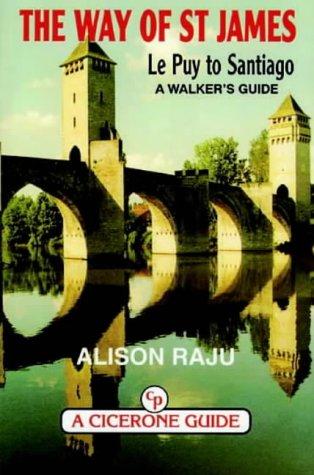
This comprehensive guidebook stands among the best books about the Camino de Santiago for practical planning and navigation. Raju provides detailed route descriptions, accommodation listings, historical background, and essential logistics for multiple Camino routes. Her clear writing style and thorough research make complex planning decisions manageable for first-time pilgrims. The guide balances practical information with cultural insights, helping readers understand both the mechanics and meaning of their pilgrimage experience.
5. Walking to the End of the World by Beth Jusino
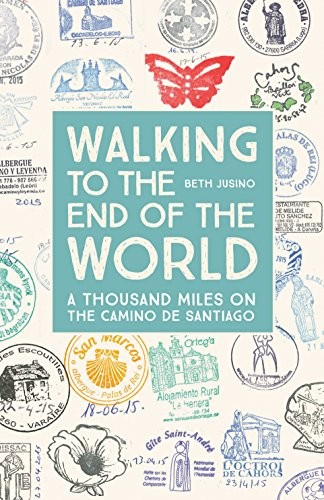
Beth Jusino’s memoir explores her 500-mile journey as a spiritual quest for meaning and direction in life. Her honest portrayal of physical discomfort, emotional challenges, and unexpected joys provides realistic expectations for potential pilgrims. Jusino skillfully weaves together personal narrative with historical context, explaining how the Camino evolved from medieval pilgrimage to modern spiritual journey. Her accessible writing style makes complex theological and historical concepts understandable for general readers.
6. The Camino: A Journey of the Spirit by Shirley MacLaine
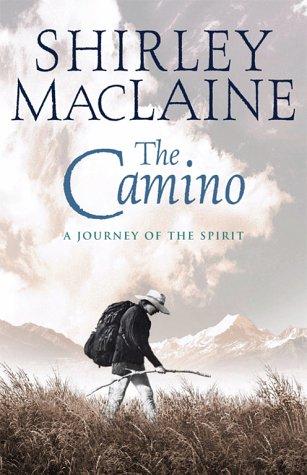
Academy Award-winning actress Shirley MacLaine brings her unique spiritual perspective to the Camino experience, exploring themes of reincarnation, past lives, and metaphysical healing. Her celebrity status and unconventional beliefs sparked controversy, but her genuine commitment to the pilgrimage journey shines through. MacLaine’s book appeals to readers interested in New Age spirituality and alternative approaches to personal transformation. Despite mixed critical reception, her passionate advocacy introduced many Americans to the Camino’s transformative potential.
7. Following the Milky Way: A Pilgrimage on the Camino de Santiago by Erin Byrnes
Erin Byrnes combines personal memoir with practical advice, offering a balanced perspective on the modern Camino experience. Her detailed observations about route conditions, accommodation options, and cultural encounters provide valuable insights for planning pilgrims. Byrnes addresses common challenges like blisters, language barriers, and homesickness with practical solutions and encouraging perspective. The book serves as both inspirational reading and practical reference, making it valuable for armchair travelers and serious pilgrims alike.
8. The Camino de Santiago: A Spiritual and Cultural Journey by Rafael Serrano
Rafael Serrano’s scholarly approach examines the Camino’s historical development, cultural significance, and contemporary revival with academic rigor. His comprehensive analysis traces the pilgrimage from medieval origins through modern tourist phenomenon, explaining how political, religious, and social forces shaped its evolution. The book provides essential historical context that enriches understanding of the Camino’s deeper meaning beyond personal transformation stories. Serrano’s research appeals to readers seeking intellectual engagement with the pilgrimage tradition.
9. Walking the Camino: Six Ways to Santiago by Bethan Davies and Ben Cole
This beautifully illustrated guidebook covers six different Camino routes with detailed maps, elevation profiles, and practical information for each path. Davies and Cole combine stunning photography with clear navigation instructions, making route planning accessible for pilgrims of varying experience levels. Their comprehensive approach includes lesser-known routes alongside popular paths, encouraging exploration beyond the crowded Camino Francés. The book’s visual appeal and practical utility make it an excellent reference for serious pilgrimage planning.
10. My Camino: 1,000 Miles of Wandering by Jennifer Pharr Davis
Long-distance hiking expert Jennifer Pharr Davis brings her outdoor expertise to the Camino experience, offering unique insights about physical preparation and endurance challenges. Her athletic background provides practical advice about gear selection, training routines, and injury prevention that benefits physically demanding pilgrimage journeys. Davis examines how the Camino differs from other long-distance hiking experiences, exploring its unique combination of physical challenge and spiritual purpose. Her book appeals particularly to experienced hikers considering their first pilgrimage adventure.
11. The Road to Santiago: Pilgrims of St. James by Walter Starkie
Walter Starkie’s classic account, first published in 1957, provides historical perspective on the Camino before its modern revival. His scholarly background and deep knowledge of Spanish culture offer insights unavailable in contemporary accounts, capturing the pilgrimage during a quieter era. Starkie’s elegant prose and cultural analysis demonstrate how the Camino maintained its spiritual significance even when few pilgrims walked its paths. The book serves as valuable historical documentation and literary achievement, influencing many subsequent Camino writers.
12. Walking to Santiago by Laurie Dennett
Laurie Dennett’s memoir stands out among best books about the Camino de Santiago for its focus on grief and healing through pilgrimage. Her journey following her husband’s death explores how walking meditation and physical challenge can facilitate emotional recovery. Dennett’s honest portrayal of loss and gradual healing resonates with readers facing their own life transitions or tragedies. The book demonstrates the Camino’s therapeutic potential while respecting the complexity of grief and recovery processes.
13. The Camino Ingles and Ruta do Mar: A Pilgrim’s Guide to the English Way by Dave Whitson
Dave Whitson’s specialized guide focuses on the lesser-known English Way, providing detailed information about this historic route from Ferrol and A Coruña to Santiago. His thorough research and personal experience walking these paths multiple times ensures accuracy and practical utility for pilgrims seeking alternatives to crowded routes. Whitson includes historical background about English and Irish pilgrims who historically used these coastal approaches to Santiago. The guide serves pilgrims interested in exploring quieter, more contemplative Camino experiences.
14. Steps Out of Time: One Woman’s Journey on the Camino by Katharine B. Soper
Katharine Soper’s reflective memoir explores themes of aging, purpose, and spiritual seeking through her Camino experience as a mature woman. Her thoughtful observations about intergenerational pilgrim relationships and age-related challenges provide valuable perspectives often overlooked in younger pilgrims’ accounts. Soper’s background in education and counseling informs her insightful analysis of the Camino’s psychological and spiritual dimensions. The book encourages older adults to consider pilgrimage as a meaningful life transition activity.
15. The Camino de Santiago: A Comprehensive Guide by Serge Koenig
Serge Koenig’s exhaustive guidebook provides encyclopedic coverage of multiple Camino routes with unprecedented detail about logistics, history, and cultural context. His methodical approach includes GPS coordinates, accommodation reviews, and practical tips gathered from extensive personal experience and pilgrim feedback. The guide’s comprehensive nature makes it invaluable for serious pilgrimage planning, though its density might overwhelm casual readers. Koenig’s dedication to accuracy and completeness establishes this work as a definitive reference among best books about the Camino de Santiago for practical guidance.
Conclusion
These fifteen exceptional books capture the multifaceted nature of the Camino de Santiago experience, from spiritual transformation to practical navigation, historical context to personal memoir. Whether you’re drawn to Paulo Coelho’s mystical insights, Jack Hitt’s cultural observations, or comprehensive guidebooks that ensure successful pilgrimage planning, each title offers unique value for different reader interests and needs.
The best books about the Camino de Santiago serve multiple purposes: inspiring potential pilgrims, providing practical guidance for journey planning, offering vicarious experiences for armchair travelers, and preserving the rich literary tradition surrounding this ancient pilgrimage route. These authors, through their diverse backgrounds and perspectives, demonstrate how the Camino continues to evolve while maintaining its essential spiritual and cultural significance.
Reading about the Camino before, during, or after your own pilgrimage enhances understanding and appreciation of this remarkable journey. These books connect individual experiences to the broader historical and cultural context that makes the Camino such a powerful force for personal transformation and spiritual growth. Whether you walk the path physically or journey through these pages mentally, the wisdom contained in these works will enrich your understanding of what makes the Camino de Santiago one of the world’s most meaningful pilgrimage experiences.