
Finding the best books for a 15 year old boy can feel like searching for treasure in a vast literary ocean. At fifteen, boys are navigating complex emotions, discovering their identity, and craving stories that speak to their experiences. Whether your teen loves action-packed adventures, thought-provoking dystopian futures, or coming-of-age tales, this carefully curated list delivers page-turners that will keep them reading long past bedtime.
These selections blend entertainment with meaningful themes, offering everything from supernatural thrillers to realistic fiction that tackles real-world issues. Each book has been chosen for its ability to engage reluctant readers while providing the depth and complexity that fifteen-year-olds crave.
Table of Contents
1. The Maze Runner by James Dashner
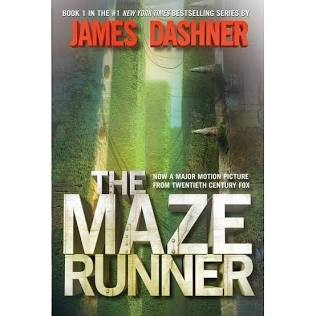
Thomas wakes up in a metal elevator with no memory of his past, arriving in the Glade surrounded by towering walls and filled with other teenage boys. This dystopian thriller combines mystery, action, and survival elements that perfectly capture the uncertainty many fifteen-year-olds feel about their future. The fast-paced plot and cliffhanger ending make it impossible to put down, while themes of friendship, leadership, and courage resonate deeply with teen readers.
Dashner’s world-building creates an immersive experience that feels both terrifying and exciting. The book explores what it means to be brave when everything familiar has been stripped away, making it one of the best books for a 15 year old boy seeking adventure with substance.
2. Hatchet by Gary Paulsen
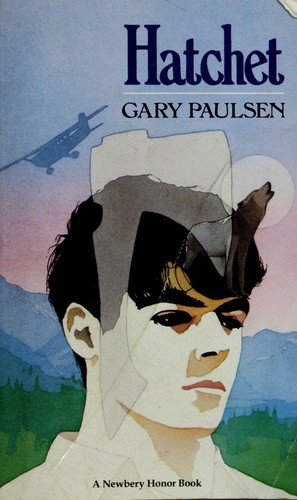
When thirteen-year-old Brian Robeson survives a plane crash in the Canadian wilderness with only a hatchet as his tool, readers experience every moment of his struggle for survival. This classic adventure novel teaches resilience, problem-solving, and self-reliance while delivering heart-pounding tension. Paulsen’s vivid descriptions make readers feel the mosquito bites, taste the fish, and experience the triumph of making fire.
The book’s exploration of a young man learning to depend on himself speaks directly to teenagers developing independence. Brian’s internal growth mirrors the external challenges, creating a powerful narrative about discovering inner strength during life’s most difficult moments.
3. Ready Player One by Ernest Cline
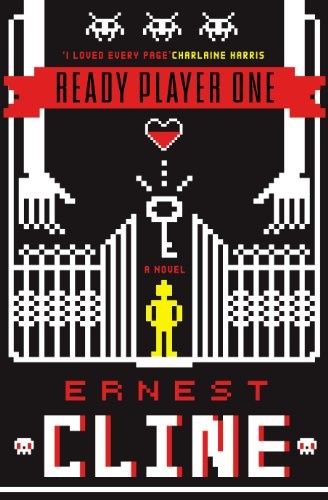
Set in 2045, Wade Watts escapes his dystopian reality by entering OASIS, a virtual universe where he hunts for an Easter egg that will grant him immense fortune and power. This novel brilliantly combines gaming culture, 1980s nostalgia, and social commentary in a way that speaks to digital natives. The quest structure keeps readers engaged while exploring themes of friendship, identity, and the balance between virtual and real life.
Cline’s references to video games, movies, and pop culture create connections that resonate with modern teens. The underdog story of Wade competing against corporate giants mirrors many teenagers’ feelings about facing seemingly impossible challenges in their own lives.
4. The Outsiders by S.E. Hinton
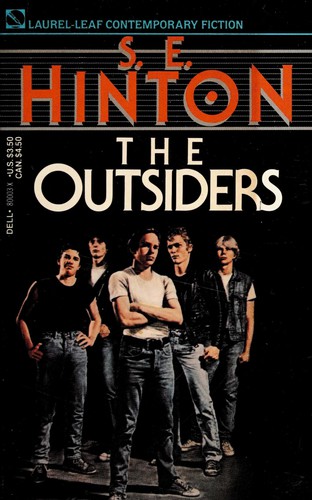
Ponyboy Curtis navigates life as a Greaser in 1960s Oklahoma, dealing with class conflict, family loyalty, and the search for belonging. Despite being written decades ago, this coming-of-age classic remains incredibly relevant to fifteen-year-old readers facing their own social hierarchies and identity questions. Hinton’s authentic voice captures the intensity of teenage emotions and the importance of found family.
The novel’s exploration of socioeconomic differences and the complexity of human nature provides rich material for discussion and reflection. Its themes of brotherhood, sacrifice, and staying true to oneself make it essential reading that continues to impact generations of young readers.
5. Holes by Louis Sachar
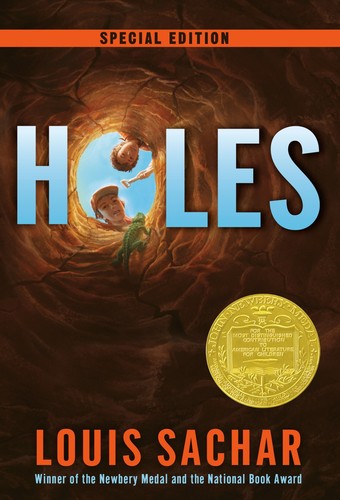
Stanley Yelnats is sent to Camp Green Lake, a detention center where boys dig holes in the desert as punishment, but the real story involves family curses, hidden treasure, and redemption spanning generations. Sachar masterfully weaves together multiple timelines, creating a mystery that keeps readers guessing while delivering important messages about justice, friendship, and perseverance.
The book’s unique structure and interconnected storylines challenge readers intellectually while maintaining accessibility and humor. Stanley’s transformation from victim to hero provides an inspiring model for overcoming adversity and finding strength in unexpected places.
6. Monster by Walter Dean Myers
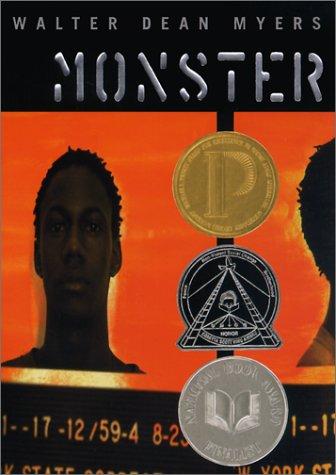
Sixteen-year-old Steve Harmon writes his story as a movie script while on trial for murder, questioning his own identity and guilt throughout the legal proceedings. This innovative format draws readers into the criminal justice system while exploring themes of identity, morality, and societal judgment. Myers doesn’t provide easy answers, instead challenging readers to grapple with complex questions about justice and personal responsibility.
The book’s realistic portrayal of urban life and the legal system provides valuable insights into experiences many teens may not otherwise encounter. Its exploration of how society labels young people makes it particularly relevant for fifteen-year-old readers forming their own identities.
7. The Giver by Lois Lowry
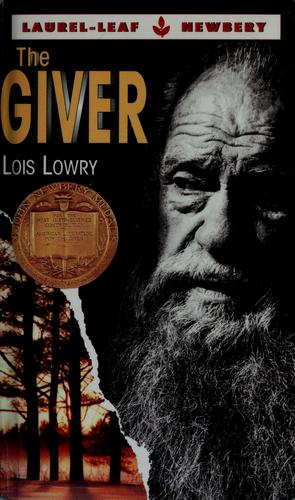
Jonas lives in a seemingly perfect society where pain, conflict, and choice have been eliminated, until he’s selected to receive memories of the world’s true history. This thought-provoking dystopian novel challenges readers to consider the value of human emotions, individual choice, and the complexity of life. Lowry’s deceptively simple prose masks profound philosophical questions about conformity, freedom, and what makes life meaningful.
The book’s exploration of a controlled society resonates with teenagers beginning to question authority and social norms. Jonas’s awakening to the world’s complexity mirrors the intellectual and emotional development many fifteen-year-olds experience as they mature.
8. Freak the Mighty by Rodman Philbrick
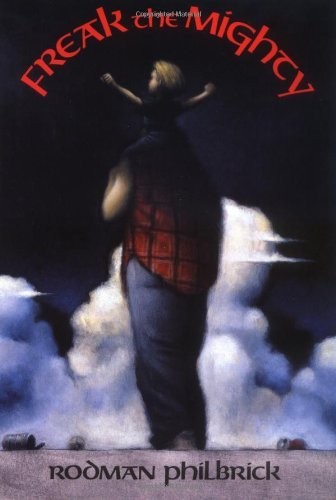
Maxwell, a large, learning-disabled boy, teams up with Kevin, a brilliant boy with a physical disability, creating an unlikely friendship that transforms both their lives. This powerful story about acceptance, friendship, and seeing beyond appearances delivers important messages about diversity and human potential. Philbrick creates characters that feel authentic and relatable, avoiding stereotypes while addressing real challenges.
The novel’s exploration of different types of strength and intelligence helps readers understand that everyone has unique gifts to offer. The friendship between Max and Kevin demonstrates how supporting others can lead to personal growth and unexpected courage.
9. Touching Spirit Bear by Ben Mikaelsen
After violently attacking a classmate, fifteen-year-old Cole Matthews faces a year of banishment on a remote Alaskan island as part of a Native American justice program called Circle Justice. This intense survival story combines physical challenges with emotional healing, exploring themes of anger, forgiveness, and personal transformation. Mikaelsen’s detailed descriptions of wilderness survival create visceral reading experiences that keep pages turning.
The book’s focus on restorative rather than punitive justice provides valuable lessons about accountability and making amends. Cole’s journey from anger to understanding offers hope for readers struggling with their own difficult emotions and relationships.
10. Artemis Fowl by Eoin Colfer
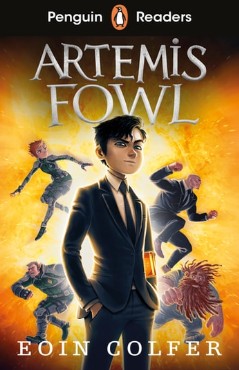
Twelve-year-old criminal mastermind Artemis Fowl discovers the existence of fairies and attempts to steal their gold, leading to a battle of wits between the human and fairy worlds. This clever fantasy adventure combines technology with magic, creating a unique world that appeals to readers who enjoy both genres. Colfer’s witty dialogue and complex plotting create an engaging reading experience that balances humor with genuine stakes.
The series’ anti-hero protagonist offers a refreshing change from typical young adult heroes, allowing readers to explore moral complexity and character development. Artemis’s evolution throughout the series provides a compelling character arc that grows with readers.
11. The Book Thief by Markus Zusak

Narrated by Death, this novel follows Liesel Meminger, a young girl living with foster parents in Nazi Germany who steals books and shares them with others. Zusak’s unique narrative voice and beautiful prose create an unforgettable reading experience that explores the power of words and stories during humanity’s darkest moments. The book’s blend of historical fiction with magical realism appeals to sophisticated young readers.
Despite its serious subject matter, the novel celebrates resilience, friendship, and the transformative power of literature. Its exploration of how stories can provide hope and connection during difficult times makes it particularly meaningful for young readers discovering their own relationship with books.
12. Peak by Roland Smith

Fourteen-year-old Peak Marcello attempts to become the youngest person to summit Mount Everest, facing physical challenges, family complications, and moral dilemmas along the way. Smith’s detailed descriptions of mountain climbing create thrilling adventure sequences while exploring themes of family relationships, personal goals, and ethical decision-making. The novel’s realistic portrayal of extreme sports appeals to action-loving readers.
The book’s examination of publicity, exploitation, and genuine achievement resonates with teenagers navigating social media and external pressures. Peak’s internal struggles with family loyalty versus personal ambition reflect conflicts many fifteen-year-olds face in their own lives.
13. Tangerine by Edward Bloor

Paul Fisher moves to Florida where he uncovers family secrets while dealing with his fear of his violent older brother and his passion for soccer. This complex novel weaves together sports, family dynamics, environmental issues, and personal growth in a compelling narrative that keeps readers engaged on multiple levels. Bloor’s authentic portrayal of sibling relationships and family dysfunction resonates with many teenage readers.
The book’s exploration of how families can enable destructive behavior while ignoring victims provides important insights into family dynamics. Paul’s journey toward finding his voice and standing up for himself offers inspiration for readers facing their own family challenges.
14. Life of Pi by Yann Martel
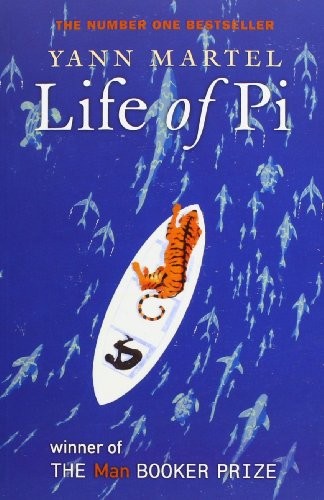
Pi Patel survives 227 days stranded on a lifeboat in the Pacific Ocean with a Bengal tiger named Richard Parker, creating one of literature’s most extraordinary survival stories. Martel’s philosophical exploration of faith, survival, and storytelling challenges readers intellectually while delivering breathtaking adventure sequences. The novel’s ambiguous ending encourages deep thinking and discussion about truth and belief.
The book’s blend of adventure, spirituality, and philosophical questioning appeals to mature fifteen-year-old readers ready for complex themes. Pi’s resourcefulness and determination provide inspiring examples of human resilience and adaptability in extreme circumstances.
15. The Perks of Being a Wallflower by Stephen Chbosky
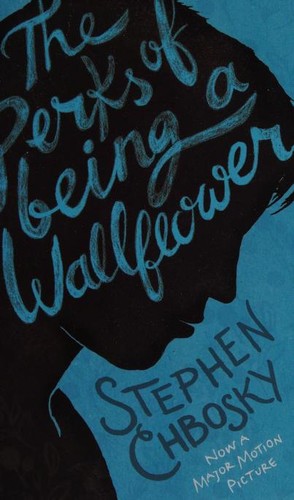
Charlie navigates his freshman year of high school through letters to an anonymous friend, exploring themes of friendship, mental health, trauma, and self-discovery. Chbosky’s authentic voice captures the intensity and confusion of teenage emotions while addressing serious topics with sensitivity and hope. The epistolary format creates intimacy between Charlie and readers, making his experiences feel immediate and personal.
The novel’s honest portrayal of teenage struggles with identity, sexuality, and mental health provides validation for readers facing similar challenges. Charlie’s growth throughout the story demonstrates that healing and connection are possible, even after difficult experiences, making it one of the most impactful best books for a 15 year old boy seeking authentic representation of teenage life.
Conclusion
These fifteen exceptional novels represent the diverse landscape of young adult literature, offering something for every type of reader. From dystopian adventures to realistic coming-of-age stories, each book provides entertainment while addressing the complex emotions and experiences that define the teenage years. The best books for a 15 year old boy don’t just tell great stories—they offer windows into different worlds and mirrors reflecting their own experiences.
Whether your fifteen-year-old gravitates toward action-packed survival stories, thought-provoking science fiction, or emotionally rich contemporary fiction, this collection provides starting points for lifelong reading habits. These books prove that young adult literature can be both accessible and profound, entertaining and educational, adventurous and introspective.
Reading during the teenage years shapes perspectives, builds empathy, and provides tools for understanding an increasingly complex world. By choosing books that respect their intelligence while acknowledging their experiences, we can help fifteen-year-old boys discover the transformative power of great storytelling and develop a lasting love for literature that will serve them throughout their lives.