
Disclosure: As an Amazon Associate, Bookish Wisdom earns from qualifying purchases. This doesn’t change our picks or your price.
Quick answer: The best books on Reconstruction explain the years after the Civil War when the US tried to rebuild the South and guarantee rights to formerly enslaved people. Start with Reconstruction by Eric Foner, The Second Founding by Eric Foner, Black Reconstruction in America by W. E. B. Du Bois, Stony the Road by Henry Louis Gates Jr. and The Day Freedom Died by Charles Lane.
Reconstruction, from 1865 to 1877, was one of the most important and misunderstood periods in American history. The 13th, 14th and 15th Amendments abolished slavery, guaranteed equal protection and gave Black men the vote. Formerly enslaved people built schools, churches and families, and hundreds of Black men served in public office, including in Congress. But white supremacist violence, Supreme Court decisions and fading Northern support brought it to an end, opening the way to Jim Crow. For decades, textbooks told a false story of Reconstruction as a failure caused by corrupt Black rule. The books below tell the true story.
Table of Contents
Quick Picks at a Glance
| Book | Author | Type | Best For |
|---|---|---|---|
| Reconstruction: America’s Unfinished Revolution | Eric Foner | History | The definitive history |
| The Second Founding | Eric Foner | History | The amendments |
| Black Reconstruction in America | W. E. B. Du Bois | Classic history | A pioneering work |
| Stony the Road | Henry Louis Gates Jr. | History | From Reconstruction to Jim Crow |
| The Day Freedom Died | Charles Lane | Narrative history | The Colfax Massacre |
| Forever Free | Eric Foner | Illustrated history | Visual learners |
| Been in the Storm So Long | Leon F. Litwack | History | Freedpeople’s experiences |
| A Short History of Reconstruction | Eric Foner | History | A quick overview |
| Grant | Ron Chernow | Biography | The president’s role |
| Freedom’s Lawmakers | Eric Foner | Reference | Black officeholders |
| Reconstruction: A Concise History | Allen C. Guelzo | Short history | A different view |
| A Fool’s Errand | Albion W. Tourgée | Novel | Primary sources |
| The Reconstruction Amendments | Kurt T. Lash (editor) | Primary sources | Serious readers |
| Days of Jubilee | Patricia C. McKissack and Fredrick L. McKissack | Kids’ nonfiction | Ages 10 and up |
| Freedom Over Me | Ashley Bryan | Picture book | Ages 6–10 |
1. Reconstruction: America’s Unfinished Revolution by Eric Foner
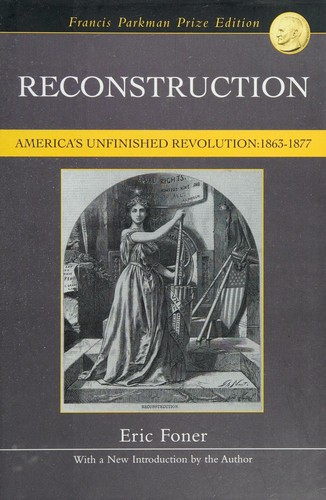
Foner’s landmark history shows Reconstruction as a bold attempt at interracial democracy that was defeated by violence. It’s the essential book, and a shorter version is also available.
2. The Second Founding by Eric Foner
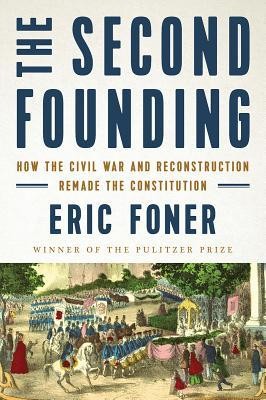
Foner explains how the 13th, 14th and 15th Amendments remade the Constitution and how courts later narrowed them. It’s short and important.
3. Black Reconstruction in America by W. E. B. Du Bois
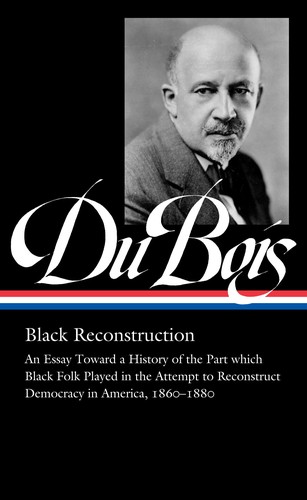
Du Bois’s 1935 book challenged the racist histories of its time by centering Black workers and politicians. It’s a groundbreaking classic.
4. Stony the Road by Henry Louis Gates Jr.
Gates explores how the promise of Reconstruction was undone and how racist images spread. It’s illustrated and powerful.
5. The Day Freedom Died by Charles Lane
Lane tells the story of the 1873 massacre of Black men in Colfax, Louisiana, and the Supreme Court case that let the killers go free. It’s gripping and shocking.
6. Forever Free by Eric Foner
Foner’s shorter, illustrated history of emancipation and Reconstruction includes images and essays by Joshua Brown. It’s an accessible introduction.
7. Been in the Storm So Long by Leon F. Litwack
Litwack’s Pulitzer Prize-winning history describes how enslaved people experienced the end of slavery and the first years of freedom. It’s rich and moving.
8. A Short History of Reconstruction by Eric Foner
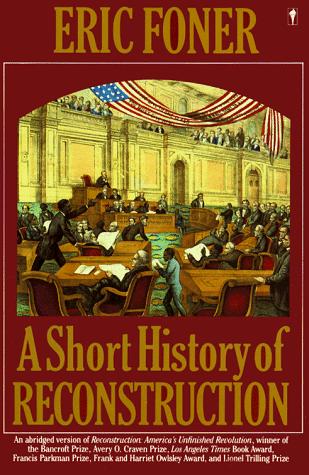
Foner’s own abridgment of his big history covers the same story in fewer pages. It’s ideal for busy readers and students.
9. Grant by Ron Chernow
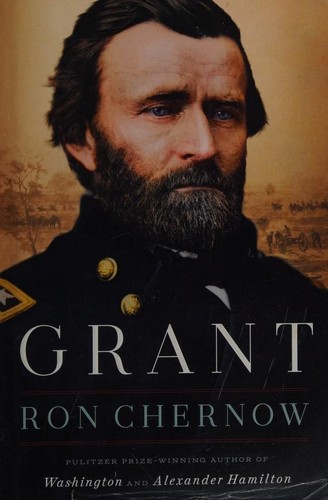
Chernow’s biography shows how President Grant fought the Ku Klux Klan and defended Black rights during Reconstruction. It changes how many readers see him.
10. Freedom’s Lawmakers by Eric Foner
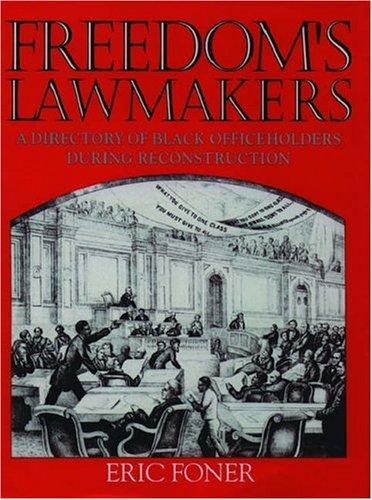
This directory profiles more than 1,500 Black officeholders during Reconstruction. It’s a remarkable record of a forgotten generation of leaders.
11. Reconstruction: A Concise History by Allen C. Guelzo
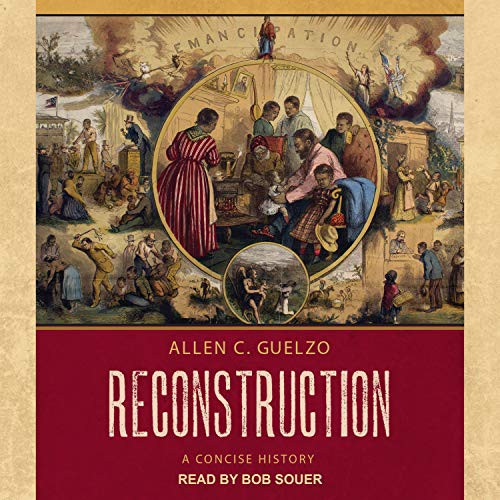
Guelzo offers a short, readable overview and a somewhat different interpretation from Foner’s. It’s useful for comparing views.
12. A Fool’s Errand by Albion W. Tourgée
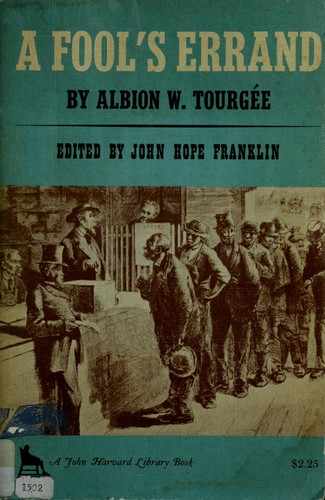
Tourgée, a white Union veteran who served as a judge in North Carolina, wrote this 1879 novel about Reconstruction and Klan violence. It was a bestseller in its time.
13. The Reconstruction Amendments by Kurt T. Lash (editor)
This collection gathers the key debates over the 13th, 14th and 15th Amendments. It’s for readers who want the original arguments.
14. Days of Jubilee by Patricia C. McKissack and Fredrick L. McKissack
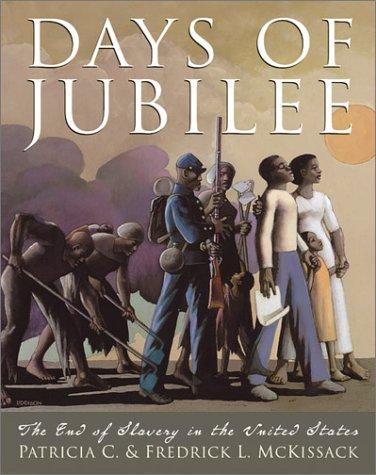
The McKissacks tell how enslaved people learned of their freedom at different times and places at the end of the Civil War. It’s clear and moving.
15. Freedom Over Me by Ashley Bryan
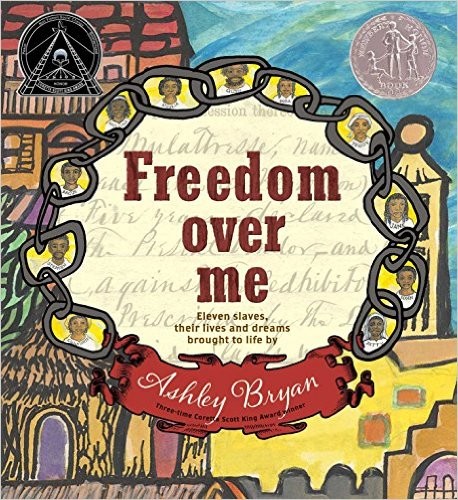
Based on a real 1828 document listing enslaved people for sale, Bryan imagines their lives and dreams. It’s not about Reconstruction itself but helps children understand the freedom it promised.
Tips for Reading About Reconstruction
- Start with Foner. His short or long history is the best foundation.
- Unlearn old myths. The “tragic era” story was racist propaganda.
- Read the amendments. The 13th, 14th and 15th are short and powerful.
- Learn about the violence. The Day Freedom Died shows how Reconstruction was defeated.
- Connect to today. Debates about voting rights trace back to this era.
- Read Du Bois. Black Reconstruction is a milestone of American history writing.
Related: best books on the American Civil War and best books on the Civil Rights Movement.
Frequently Asked Questions
What is the best book about Reconstruction?
Reconstruction: America’s Unfinished Revolution by Eric Foner is the definitive history, and A Short History of Reconstruction is his shorter version.
Why did Reconstruction end?
White supremacist violence, Northern loss of interest, economic depression, Supreme Court rulings and the political deal around the 1876 election brought it to an end in 1877.
What did Reconstruction achieve?
It abolished slavery, added the 14th Amendment’s guarantee of equal protection and the 15th Amendment’s protection of Black men’s voting rights, and saw hundreds of Black men elected to office.