
Disclosure: As an Amazon Associate, Bookish Wisdom earns from qualifying purchases. This doesn’t change our picks or your price.
Quick answer: The best books on toddler tantrums include The Happiest Toddler on the Block, How to Talk So Little Kids Will Listen, The Whole-Brain Child, No-Drama Discipline, Raising Your Spirited Child and The Explosive Child. Start with The Happiest Toddler on the Block and How to Talk So Little Kids Will Listen for quick tools.
Toddler tantrums are a normal, if exhausting, part of development. Between ages one and four, children want independence but lack the language and self-control to handle frustration, so big feelings spill out as screaming, hitting or collapsing in the cereal aisle. The good news is that tantrums usually peak around age two to three and fade as language and regulation grow. The books in this list explain what is happening in a toddler’s brain, offer scripts for calming meltdowns and help parents stay calm themselves. Some focus on connection, others on routines and limits. Choose approaches that fit your child’s temperament, and remember that your calm presence during the storm is the most helpful thing you can offer.
Table of Contents
Quick Picks at a Glance
| Book | Author | Focus | Best For |
|---|---|---|---|
| The Happiest Toddler on the Block | Harvey Karp | Toddler communication | parents of toddlers |
| How to Talk So Little Kids Will Listen | Joanna Faber and Julie King | Communication | parents of ages 2 to 7 |
| The Whole-Brain Child | Daniel J. Siegel and Tina Payne Bryson | Brain science | parents who like explanations |
| No-Drama Discipline | Daniel J. Siegel and Tina Payne Bryson | Discipline | parents seeking calm |
| Raising Your Spirited Child | Mary Sheedy Kurcinka | Temperament | parents of intense kids |
| The Explosive Child | Ross W. Greene | Collaborative problem solving | parents of frequent meltdowns |
| 1-2-3 Magic | Thomas W. Phelan | Behavior | parents who want a simple system |
| Positive Discipline: The First Three Years | Jane Nelsen, Cheryl Erwin and Roslyn Ann Duffy | Discipline | parents of babies and toddlers |
| The Wonder Weeks | Hetty van de Rijt and Frans Plooij | Development | parents curious about leaps |
| Bringing Up Bébé | Pamela Druckerman | Culture | parents who like cultural comparisons |
| Simplicity Parenting | Kim John Payne | Routine | parents of overstimulated kids |
| Good Inside | Becky Kennedy | Connection | parents who feel guilty |
| Peaceful Parent, Happy Kids | Laura Markham | Positive parenting | parents who yell |
| Brain Rules for Baby | John Medina | Science | parents who like research |
| Unconditional Parenting | Alfie Kohn | Philosophy | parents questioning punishments |
1. The Happiest Toddler on the Block by Harvey Karp
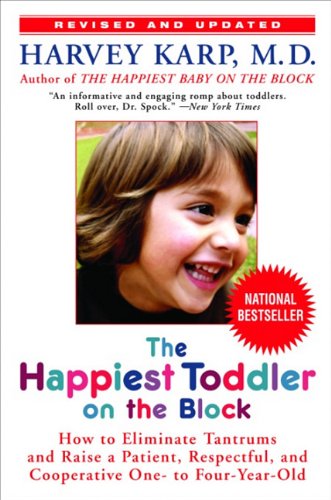
Karp teaches ‘toddler-ese,’ a way of mirroring feelings in short phrases, plus the ‘fast-food rule’ of repeating the child’s feelings. Practical and popular.
Best for: parents of toddlers.
2. How to Talk So Little Kids Will Listen by Joanna Faber and Julie King
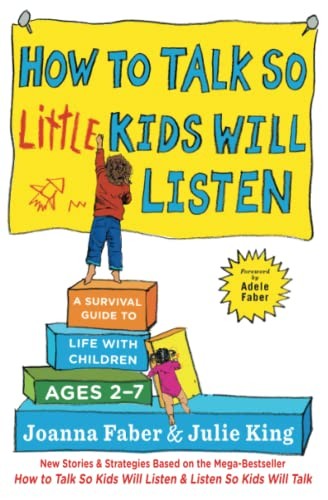
An updated guide to talking with young children, with scripts, cartoons and humor.
Best for: parents of ages 2 to 7.
3. The Whole-Brain Child by Daniel J. Siegel and Tina Payne Bryson
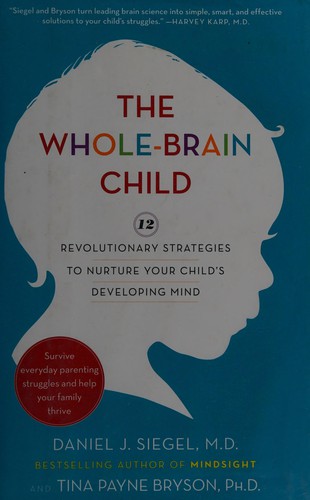
Explains how a child’s upstairs and downstairs brain interact in meltdowns.
Best for: parents who like explanations.
4. No-Drama Discipline by Daniel J. Siegel and Tina Payne Bryson
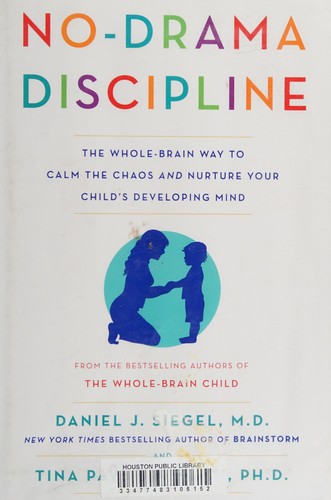
Shows how to discipline while building connection.
Best for: parents seeking calm.
5. Raising Your Spirited Child by Mary Sheedy Kurcinka
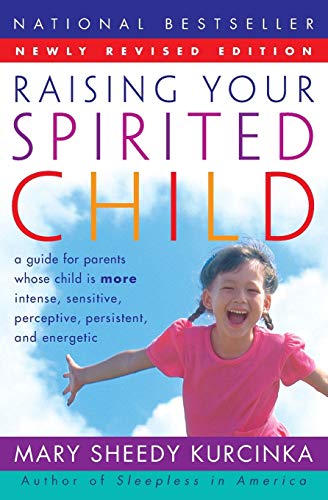
Helps parents understand temperament traits like intensity and persistence.
Best for: parents of intense kids.
6. The Explosive Child by Ross W. Greene
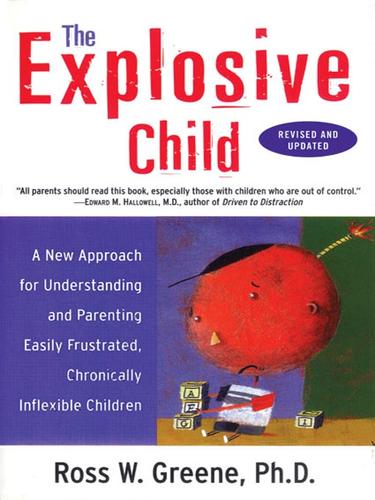
Offers a plan for solving problems with kids prone to explosions.
Best for: parents of frequent meltdowns.
7. 1-2-3 Magic by Thomas W. Phelan
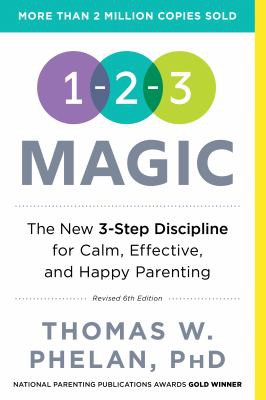
A simple counting method for stopping unwanted behavior without arguing.
Best for: parents who want a simple system.
8. Positive Discipline: The First Three Years by Jane Nelsen, Cheryl Erwin and Roslyn Ann Duffy
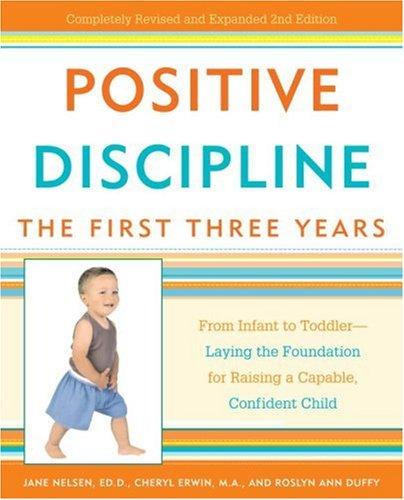
Offers respectful discipline for the earliest years.
Best for: parents of babies and toddlers.
9. The Wonder Weeks by Hetty van de Rijt and Frans Plooij
Describes developmental leaps that can cause fussiness.
Best for: parents curious about leaps.
10. Bringing Up Bébé by Pamela Druckerman
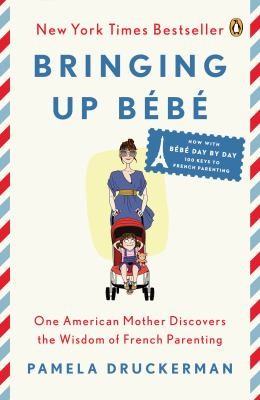
An American in Paris describes French parenting, with its emphasis on patience and structure.
Best for: parents who like cultural comparisons.
11. Simplicity Parenting by Kim John Payne
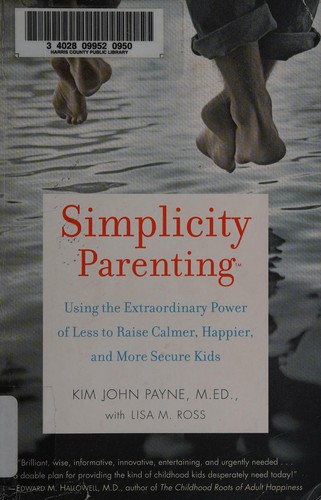
Argues that simplifying toys, schedules and media reduces stress.
Best for: parents of overstimulated kids.
12. Good Inside by Becky Kennedy
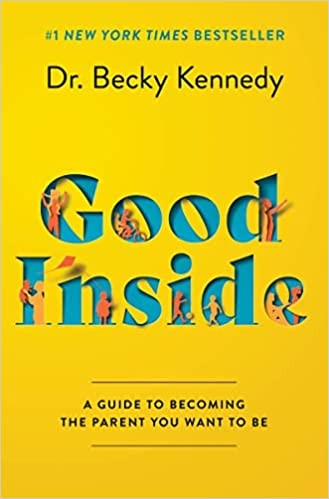
Encourages empathy with boundaries.
Best for: parents who feel guilty.
13. Peaceful Parent, Happy Kids by Laura Markham
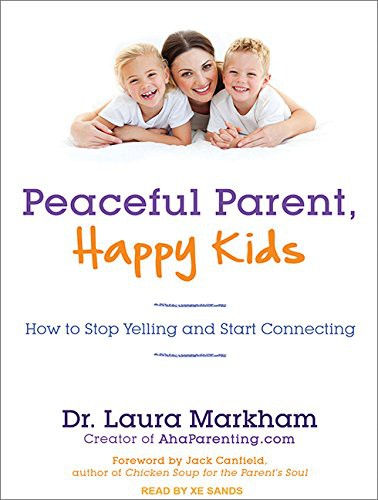
Explains how self-regulation helps children.
Best for: parents who yell.
14. Brain Rules for Baby by John Medina
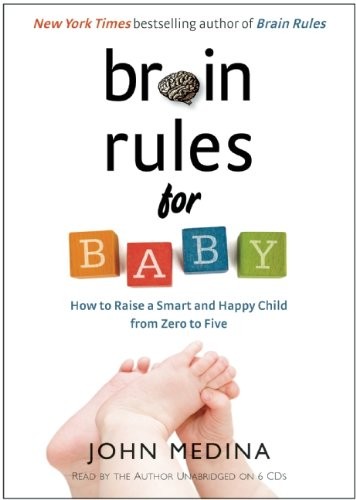
A molecular biologist shares science on early development.
Best for: parents who like research.
15. Unconditional Parenting by Alfie Kohn
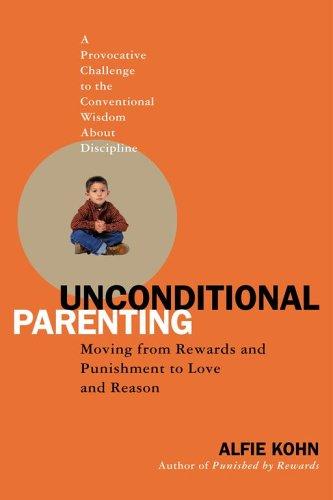
Argues for parenting without rewards and punishments.
Best for: parents questioning punishments.
How to Choose the Right Book on Toddler Tantrums
Pick based on what you need. For quick tools, The Happiest Toddler on the Block and How to Talk So Little Kids Will Listen give scripts. For brain science, The Whole-Brain Child and No-Drama Discipline explain why meltdowns happen. For intense kids, Raising Your Spirited Child and The Explosive Child help. For structure, 1-2-3 Magic and Positive Discipline: The First Three Years give routines. For perspective, Bringing Up Bébé and Simplicity Parenting suggest calmer family rhythms. Try one tool at a time.
Which Book Should You Start With? A Quick Guide
If you are not sure where to begin, match your situation to the list below.
- Parents of toddlers: The Happiest Toddler on the Block
- Parents of ages 2 to 7: How to Talk So Little Kids Will Listen
- Parents who like explanations: The Whole-Brain Child
- Parents seeking calm: No-Drama Discipline
- Parents of intense kids: Raising Your Spirited Child
- Parents of frequent meltdowns: The Explosive Child
- Parents who want a simple system: 1-2-3 Magic
- Parents of babies and toddlers: Positive Discipline: The First Three Years
- Parents curious about leaps: The Wonder Weeks
- Parents who like cultural comparisons: Bringing Up Bébé
- Parents of overstimulated kids: Simplicity Parenting
- Parents who feel guilty: Good Inside
- Parents who yell: Peaceful Parent, Happy Kids
- Parents who like research: Brain Rules for Baby
- Parents questioning punishments: Unconditional Parenting
A Simple Reading Plan
A sensible order helps you build momentum. Open with The Happiest Toddler on the Block, which is accessible and encouraging, and finish it before you buy anything else. Next, choose How to Talk So Little Kids Will Listen to deepen what you learned, then The Whole-Brain Child when you are ready for a different voice or a more demanding read. Between books, take a few days to try something you learned, because toddler tantrums is easier to understand once you have tested it in real life. Keep a simple note on your phone with the title, your rating and one takeaway for each book you complete.
Print, E-Book or Audiobook?
Print, e-book and audiobook each suit different readers. Print is best for books you want to mark up and return to, which is useful for practical guides on toddler tantrums. E-books are cheap, portable and easy to search, and they make it simple to highlight a passage and find it again later. Audiobooks turn commutes, chores and walks into reading time, and a good narrator can make a heavy book on toddler tantrums easier to take in. Your public library offers all three through apps like Libby, so you can try a title before buying it. Many readers use two formats for the same book, listening first and then skimming a print copy for notes.
How to Get More From What You Read
To get more from these books, read with a pen and a question. Decide before you start what you hope to learn about toddler tantrums, and check at the end of each chapter whether you found it. Mark passages that feel true for you, and write down the ones you disagree with, since disagreement is also learning. Pick one practice from each book and try it for two weeks before judging it. Talking about the ideas with someone you trust, or writing a few lines in a journal, helps them move from your head into your life. Be patient with yourself; change comes in small steps.
Reading on a Budget
You do not need to buy all of these books. Your public library likely lends print, e-book and audiobook copies of many titles on toddler tantrums for free, and the hold feature lets you queue for popular ones. Used paperbacks are usually a few dollars, and thrift stores, library sales and swap groups are good sources. If you want to own a book you will mark up, buy the print edition; if you want to try several, borrow first and buy only the ones you finish and love. Subscription audiobook services often offer a free trial that covers a first title, and some libraries partner with apps that need only a library card.
Talk About What You Read
Reading on your own is valuable, and reading with others adds accountability. Consider forming a small book club around toddler tantrums, taking turns to choose a title from this list. Meet monthly, ask each person to share one idea and one action, and keep the tone supportive rather than competitive. If your friends are not interested, look for a local library group or an online community. A shared conversation helps you notice things you missed, and the encouragement of others makes it easier to keep going when progress feels slow.
Common Mistakes to Avoid
Three mistakes come up again and again. First, readers choose a book that is too advanced or too long and give up on the topic altogether, so start with an accessible title. Second, they read passively, without notes or a plan to use what they learn about toddler tantrums. Third, they expect immediate results and quit when the change is slow. Avoid these by starting small, taking notes and giving each idea at least two weeks. If a book does not suit you, move on; the list above has plenty of other voices.
How to Judge a Book on Toddler tantrums
A few quick checks can save you time when choosing a book on toddler tantrums. Look at who wrote it and what qualifies them. See whether the author cites research or sources, and whether those sources are recent enough to matter. Notice the tone: honest authors admit limits and exceptions, while less reliable ones speak in absolutes. Skim the table of contents and a sample chapter, and read both enthusiastic and critical reviews. If a claim seems too good to be true, search for what other experts say. Reading widely across several authors is the best protection against any single voice.
When Reading Is Not Enough
Books are a good start, but they are not the whole answer to every situation involving toddler tantrums. If your difficulties interfere with sleep, work, relationships or safety, talk with a doctor, counselor or other qualified professional. Support groups, whether in person or online, can give you something books cannot: people who understand and respond. Friends and family can help if you let them know what you need. Think of your reading as one part of a larger toolkit, and do not hesitate to add other tools. Asking for help is a sign of strength and often speeds progress.
Questions to Reflect On
Keep these in a notebook and return to them after each book:
- What do I most want to understand or change about {t}?
- Which idea from my reading feels true for me, and which do I doubt?
- What is one small action I can take this week?
- Who could I talk to about what I am learning?
- How will I know in a month that this reading helped?
Tips for Reading About Toddler tantrums
- Stay calm. Your calm helps theirs.
- Name feelings. Say ‘You’re so mad.’
- Keep routines. Predictability reduces meltdowns.
- Prevent triggers. Watch hunger and tiredness.
- Offer choices. Two options give control.
Related: 15 Best Books on Gentle Parenting and atomic Habits Summary and Key Takeaways.
Frequently Asked Questions
What is the best book on toddler tantrums?
The Happiest Toddler on the Block and How to Talk So Little Kids Will Listen are popular.
When do tantrums stop?
Most decrease by age four as language and self-control grow.
When should I talk to a doctor?
If tantrums are extreme, frequent, last very long or involve self-harm, ask your pediatrician.
How many books on toddler tantrums should I read at once?
One or two at a time is plenty. Finish a book, try one idea from it and then move on, so what you read turns into something you do.
Are these books on toddler tantrums available as audiobooks?
Most of them are. Check your library’s app, such as Libby, or an audiobook service, and listen to a sample to see whether the narrator suits you.