
Starting your reading journey can feel overwhelming with countless titles competing for your attention. The best books to read for new readers should be engaging, accessible, and inspiring enough to create a lifelong love of literature. Whether you’re picking up books for the first time as an adult or returning to reading after a long break, choosing the right titles makes all the difference. These carefully selected books offer compelling stories, relatable characters, and page-turning plots that will keep you coming back for more.
Table of Contents
1. The Alchemist by Paulo Coelho
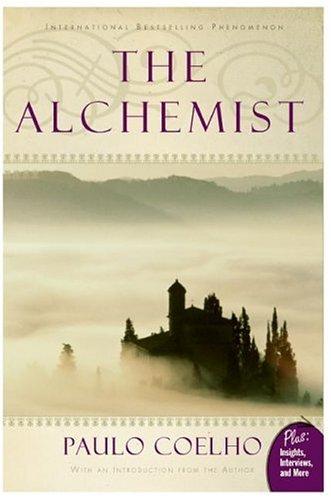
This enchanting tale follows Santiago, a young shepherd boy on a quest to find treasure, but discovers something far more valuable along the way. Coelho’s simple yet profound writing style makes complex philosophical concepts accessible to readers of all levels. The story’s universal themes of following your dreams and listening to your heart resonate with readers worldwide. At just 163 pages, it’s the perfect length for new readers who want a complete, satisfying story without feeling overwhelmed.
2. Wonder by R.J. Palacio
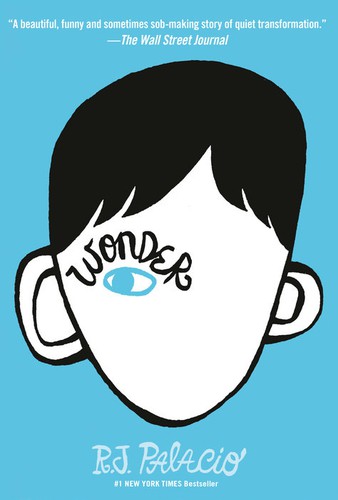
This heartwarming story about Auggie, a boy with facial differences starting mainstream school, tackles themes of kindness, acceptance, and friendship with remarkable grace. Palacio’s straightforward narrative style and multiple perspectives make it easy to follow while delivering powerful emotional impact. The book’s message about choosing kindness over being right creates meaningful conversations and personal reflection. New readers will find themselves completely absorbed in Auggie’s world and rooting for him from the very first page.
3. The Outsiders by S.E. Hinton
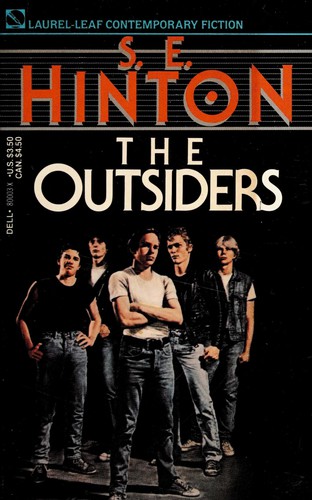
This classic coming-of-age novel about teenage gang rivalry in 1960s Oklahoma remains as relevant today as when it was first published. Hinton’s authentic teenage voice and fast-paced storytelling make it incredibly engaging for readers discovering literature. The themes of family, loyalty, and social class divisions create rich discussion points while maintaining an accessible reading level. Many readers credit this book as the one that first made them realize literature could be both entertaining and meaningful.
4. Holes by Louis Sachar
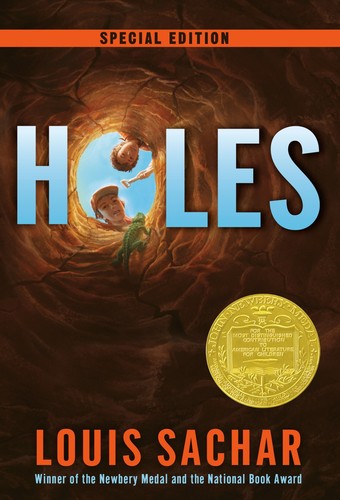
This clever adventure story weaves together past and present as Stanley Yelnats serves time at a juvenile detention camp where boys dig holes in the desert. Sachar masterfully connects multiple storylines in ways that will surprise and delight new readers discovering the joy of literary puzzles. The humor, mystery, and satisfying resolution make it impossible to put down once you start reading. The book proves that best books to read for new readers can be both fun and intellectually stimulating without being intimidating.
5. The Book Thief by Markus Zusak
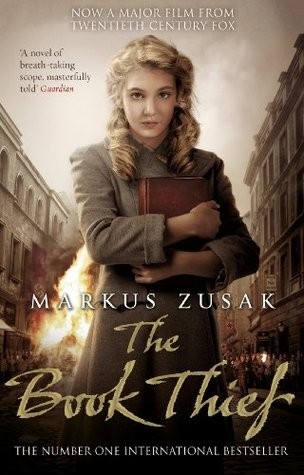
Set in Nazi Germany and narrated by Death himself, this unique perspective on World War II follows Liesel, a young girl who finds solace in stealing books. Zusak’s poetic writing style and unconventional narrator create an unforgettable reading experience that showcases literature’s power. The story celebrates books and reading while dealing with heavy historical themes in an accessible way. New readers will appreciate how the book demonstrates reading’s ability to provide hope and humanity even in the darkest circumstances.
6. Matilda by Roald Dahl
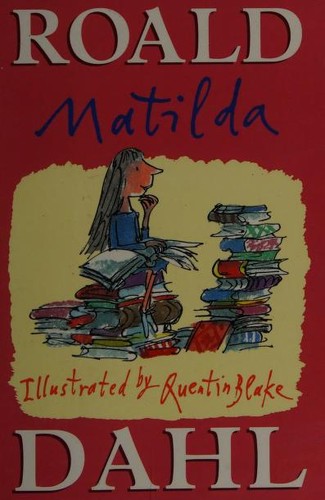
This beloved story about a brilliant girl with telekinetic powers who loves books more than anything else perfectly captures the magic of reading. Dahl’s whimsical writing style and imaginative plot elements make it pure joy to read from beginning to end. The book celebrates intelligence, courage, and the transformative power of literature in ways that inspire new readers. Matilda’s love affair with books often mirrors the experience of readers discovering their own passion for literature.
7. Hatchet by Gary Paulsen
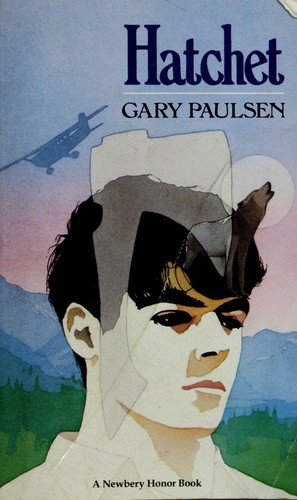
This gripping survival story follows thirteen-year-old Brian as he learns to survive alone in the Canadian wilderness after a plane crash. Paulsen’s detailed descriptions of survival techniques and Brian’s psychological journey create an immersive reading experience. The short chapters and constant action keep new readers engaged while building genuine suspense about Brian’s fate. Many readers find this book impossible to put down, making it an excellent choice for those building reading stamina and confidence.
8. Bridge to Terabithia by Katherine Paterson
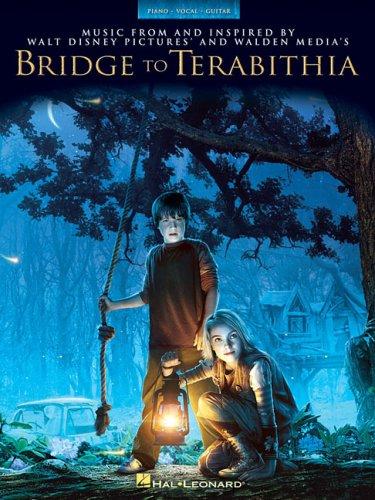
This touching story about friendship between Jesse and Leslie, who create an imaginary kingdom in the woods, explores themes of imagination, loss, and growing up. Paterson’s gentle writing style makes difficult emotions accessible while respecting readers’ intelligence and emotional capacity. The book demonstrates how literature can help us process complex feelings and life experiences. New readers often find this story stays with them long after finishing, illustrating literature’s lasting emotional impact.
9. Freak the Mighty by Rodman Philbrick
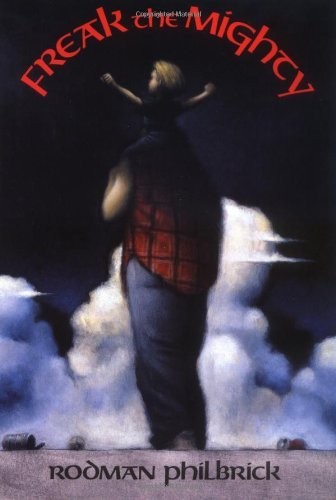
This powerful story about the unlikely friendship between Maxwell, a large, learning-disabled boy, and Kevin, a brilliant boy with physical disabilities, celebrates differences and friendship. Philbrick’s authentic voice and compelling character development make it easy for readers to connect with both protagonists. The book tackles serious themes like bullying, family dysfunction, and self-acceptance while maintaining hope and humor throughout. New readers appreciate how the story proves that everyone has unique strengths and valuable perspectives to offer.
10. Esperanza Rising by Pam Muñoz Ryan
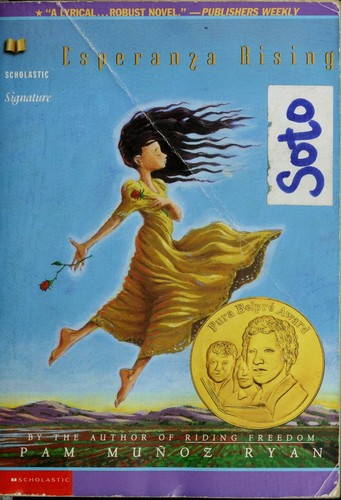
This inspiring historical fiction follows Esperanza as her privileged life in Mexico changes dramatically, forcing her family to immigrate to California during the Great Depression. Ryan’s vivid descriptions and strong character development create an immersive experience that educates while entertaining. The themes of resilience, family, and adapting to change resonate with readers from all backgrounds. The book serves as an excellent introduction to historical fiction for new readers interested in learning about different cultures and time periods.
11. Because of Winn-Dixie by Kate DiCamillo
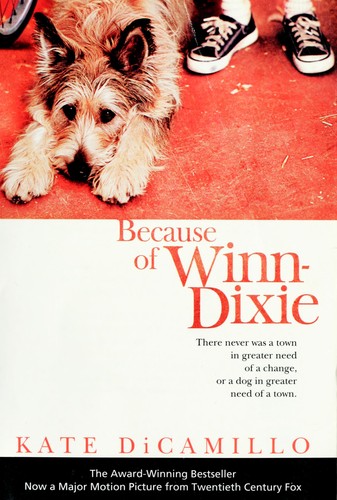
This heartwarming tale about ten-year-old Opal and her adopted dog Winn-Dixie explores themes of friendship, community, and belonging in a small Florida town. DiCamillo’s warm writing style and memorable supporting characters create a rich, inviting world that new readers love exploring. The story demonstrates how connections with others, both human and animal, can heal loneliness and create family. Many readers find this book comforting and uplifting, making it perfect for those seeking positive, feel-good literature.
12. The Giver by Lois Lowry
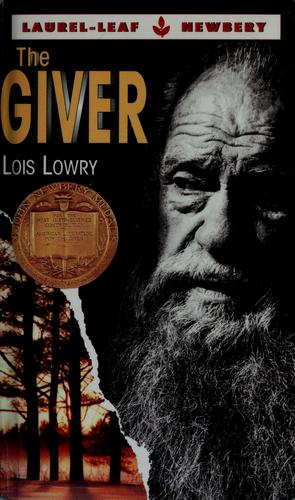
This thought-provoking dystopian novel introduces readers to Jonas, who lives in a seemingly perfect society where pain and suffering have been eliminated along with choice and emotion. Lowry’s accessible writing style makes complex philosophical questions about freedom, conformity, and human nature easy to contemplate. The book serves as an excellent introduction to dystopian literature and critical thinking about society. New readers often find themselves discussing the book’s themes long after finishing, discovering literature’s power to spark meaningful conversations.
13. Walk Two Moons by Sharon Creech
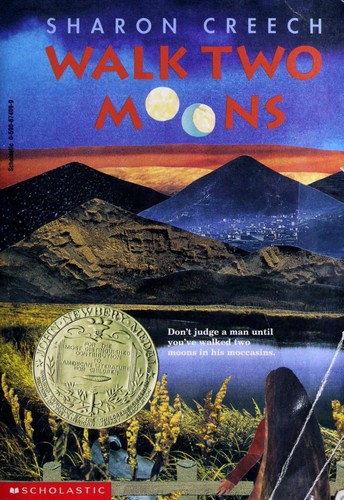
This beautifully layered story follows Salamanca as she travels with her grandparents to find her missing mother, telling her friend Phoebe’s story along the way. Creech’s skillful use of parallel narratives and gradual revelation of truth creates a sophisticated reading experience that’s still accessible to newcomers. The themes of family, loss, and understanding others make it emotionally resonant for readers of all ages. The book demonstrates how best books to read for new readers can offer complex storytelling techniques without being overwhelming or confusing.
14. Island of the Blue Dolphins by Scott O’Dell
This classic survival story follows Karana, a Native American girl stranded alone on an island off the California coast for eighteen years. O’Dell’s straightforward narrative style and detailed descriptions of survival techniques create an engaging adventure story with historical significance. The book celebrates human resilience, resourcefulness, and the connection between humans and nature. New readers appreciate the strong female protagonist and the way the story balances action with character development and cultural respect.
15. Tuck Everlasting by Natalie Babbitt
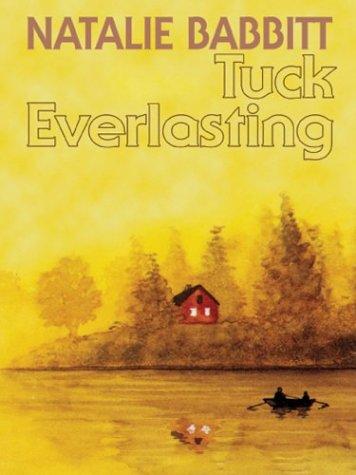
This philosophical fairy tale explores what happens when ten-year-old Winnie discovers a family who has drunk from a spring that grants eternal life. Babbitt’s lyrical writing style and thought-provoking themes about mortality, choice, and the meaning of life create a memorable reading experience. The book raises profound questions about whether living forever would be a blessing or a curse. New readers often find themselves pondering the story’s deeper meanings while enjoying the magical elements and well-developed characters.
Conclusion
These fifteen carefully selected titles represent the best books to read for new readers because they combine engaging storytelling with accessible writing styles and meaningful themes. Each book offers a different gateway into the world of literature, from adventure and mystery to friendship and self-discovery. The variety ensures that new readers can explore different genres and find their personal preferences while building confidence and reading skills. Remember that developing a love of reading is a personal journey, and what resonates with one reader might not work for another. Don’t be afraid to try different types of books until you find your favorites. The most important thing is to keep reading, stay curious, and allow yourself to be transported by the power of storytelling. These books have inspired countless readers to become lifelong book lovers, and they’re waiting to do the same for you. Start with whichever title calls to you most strongly, and prepare to discover the joy, wisdom, and adventure that await within the pages of great literature.