
Disclosure: As an Amazon Associate, Bookish Wisdom earns from qualifying purchases. This doesn’t change our picks or your price.
Quick answer: These 15 Christmas books suit middle schoolers (ages 10–13). Start with The Christmas Pig, A Boy Called Christmas, The Girl Who Saved Christmas, Father Christmas and Me, A Christmas Carol or Letters from Father Christmas. Each pick below has a short blurb, an age range and a content note where it matters.
By middle school, many children have outgrown picture books about Santa but still love the warmth and magic of the season. Christmas novels for this age offer humor, adventure and a touch of wonder, from modern fantasies about elves and reindeer to classic tales that families have read for generations. This list collects fifteen secular and winter-themed books for ages 9 to 13, including stories that work as read-alouds for a December evening and shorter pieces that fit a busy week. Some are cozy and funny, others a little spooky or thoughtful, so there is something for every kind of reader.
Table of Contents
Quick Picks at a Glance
| Book | Author | Ages | Best For |
|---|---|---|---|
| The Christmas Pig | J.K. Rowling | 8–12 | imaginative readers |
| A Boy Called Christmas | Matt Haig | 8–12 | fantasy fans |
| The Girl Who Saved Christmas | Matt Haig | 8–12 | series readers |
| Father Christmas and Me | Matt Haig | 8–12 | series completers |
| A Christmas Carol | Charles Dickens | 10–14 | classic readers |
| Letters from Father Christmas | J.R.R. Tolkien | 7–12 | Tolkien fans |
| The Nutcracker and the Mouse King | E.T.A. Hoffmann | 9–13 | fairy-tale lovers |
| Winterhouse | Ben Guterson | 8–12 | puzzle and mystery lovers |
| Wintersmith | Terry Pratchett | 10–14 | humor and fantasy fans |
| The Dark Is Rising | Susan Cooper | 10–14 | atmospheric fantasy fans |
| The Polar Express | Chris Van Allsburg | 6–12 | read-aloud families |
| The Snow Queen | Hans Christian Andersen | 9–13 | fairy-tale readers |
| The Gift of the Magi | O. Henry | 10–14 | short-story readers |
| How the Grinch Stole Christmas! | Dr. Seuss | 5–12 | family tradition |
| Snow Treasure | Marie McSwigan | 9–12 | historical fiction fans |
1. The Christmas Pig by J.K. Rowling
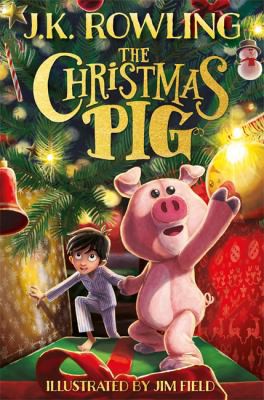
When Jack’s beloved toy is lost on Christmas Eve, he and the replacement toy, the Christmas Pig, journey to the Land of the Lost to find it. An emotional adventure about loss, courage and love, with plenty of humor along the way.
Best for: imaginative readers. Ages: 8–12.
2. A Boy Called Christmas by Matt Haig
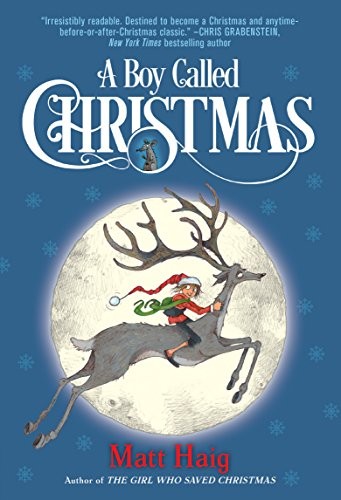
Eleven-year-old Nikolas travels to the far north in search of his father and finds a hidden world of elves. Funny, quirky and a bit dark in places, this origin story gives Santa a very different history. Content note: some sad moments and a villainous character.
Best for: fantasy fans. Ages: 8–12.
3. The Girl Who Saved Christmas by Matt Haig
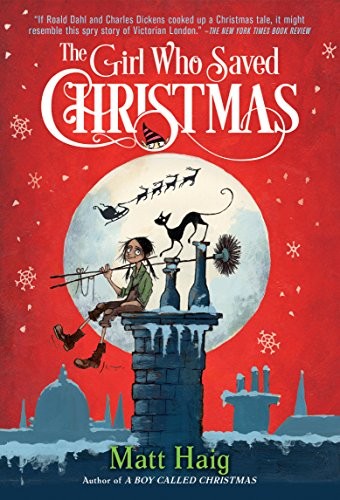
The second book follows Amelia, a girl who is left out of Christmas, and her chance to change that. It continues the story of Father Christmas with warmth and humor.
Best for: series readers. Ages: 8–12.
4. Father Christmas and Me by Matt Haig
The third book in the series features a girl who wishes for something different on Christmas. It ties together the earlier plots with the same blend of comedy and heart.
Best for: series completers. Ages: 8–12.
5. A Christmas Carol by Charles Dickens
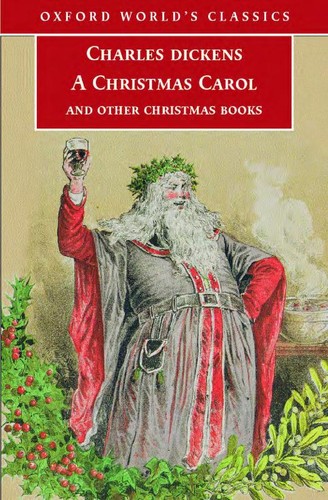
Scrooge is visited by three ghosts who show him his past, present and future. Use an abridged or illustrated edition if the original language feels dense. It remains a powerful story of change and generosity. Content note: ghosts and some dark imagery.
Best for: classic readers. Ages: 10–14.
6. Letters from Father Christmas by J.R.R. Tolkien
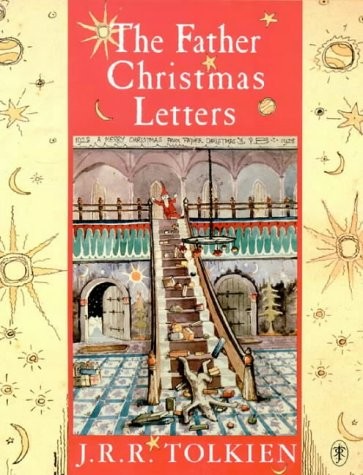
Tolkien wrote letters to his children each year, signed by Father Christmas, describing adventures with Polar Bear and the goblins at the North Pole. Illustrated, funny and unusual, it makes a wonderful family read.
Best for: Tolkien fans. Ages: 7–12.
7. The Nutcracker and the Mouse King by E.T.A. Hoffmann
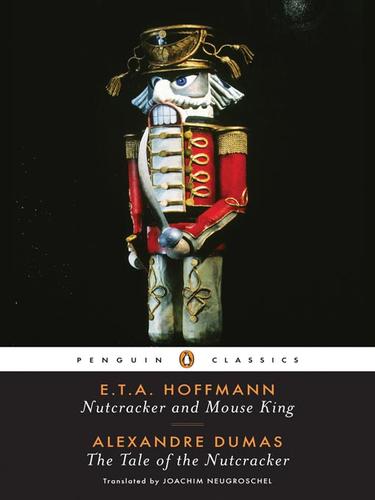
The original story behind the ballet is longer, stranger and more thrilling than most adaptations. Clara’s toy soldier and the seven-headed Mouse King lead to a battle and a magical journey. Content note: fantasy violence.
Best for: fairy-tale lovers. Ages: 9–13.
8. Winterhouse by Ben Guterson
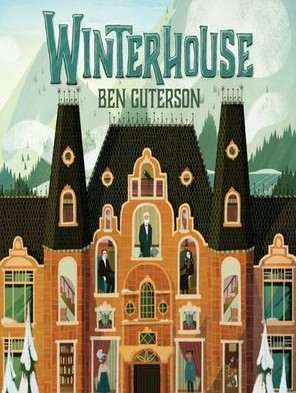
Elizabeth Somers is sent to a grand hotel over the winter holidays, where hidden clues, a mysterious library and a puzzle lead to a secret about the hotel’s owner. Cozy and tense at once.
Best for: puzzle and mystery lovers. Ages: 8–12.
9. Wintersmith by Terry Pratchett
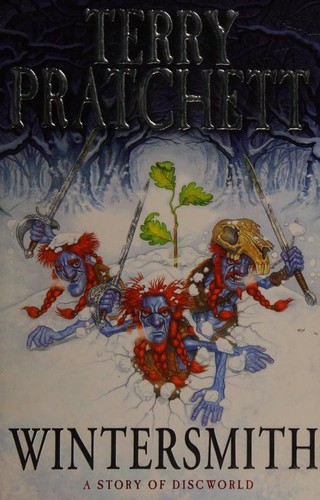
Tiffany Aching accidentally takes the place of the winter spirit’s beloved, and the Wintersmith starts making snow everywhere. Witty and wise, with the Nac Mac Feegle providing slapstick.
Best for: humor and fantasy fans. Ages: 10–14.
10. The Dark Is Rising by Susan Cooper
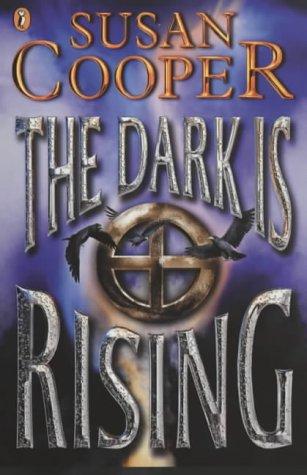
Will Stanton wakes on his eleventh birthday, in midwinter, to discover he is the last of the Old Ones. A thoughtful, eerie fantasy set during the twelve days of Christmas. Content note: scary scenes.
Best for: atmospheric fantasy fans. Ages: 10–14.
11. The Polar Express by Chris Van Allsburg
A boy boards a magical train to the North Pole in this Caldecott Medal winner. The paintings are dreamy and the story is short enough to read in one sitting. A tradition for many families.
Best for: read-aloud families. Ages: 6–12.
12. The Snow Queen by Hans Christian Andersen
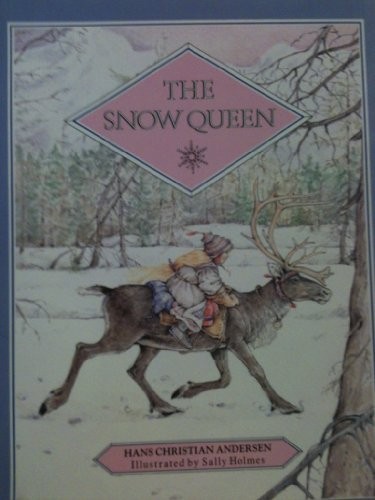
Gerda travels across a wintry world to rescue her friend Kai from the Snow Queen. Classic, with a mix of danger and tenderness. Try an illustrated edition for younger readers. Content note: mild peril.
Best for: fairy-tale readers. Ages: 9–13.
13. The Gift of the Magi by O. Henry
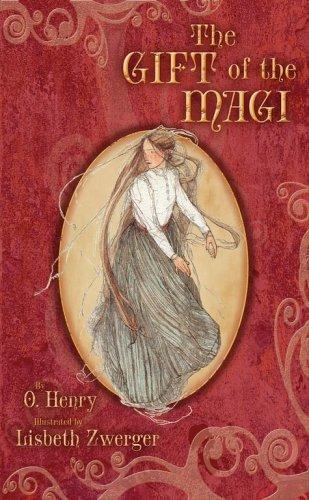
A young husband and wife each sacrifice their most prized possession to buy a Christmas present for the other. A short and moving story that is ideal for reading aloud in ten minutes.
Best for: short-story readers. Ages: 10–14.
14. How the Grinch Stole Christmas! by Dr. Seuss
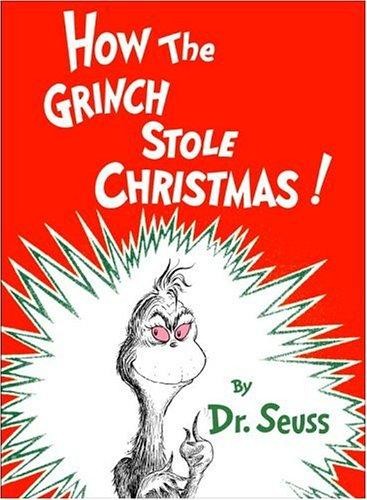
The green grump who tries to steal the holiday learns that it means more than gifts. Older kids enjoy the humor and the rhyme, and it works well as a read-aloud for the whole family.
Best for: family tradition. Ages: 5–12.
15. Snow Treasure by Marie McSwigan
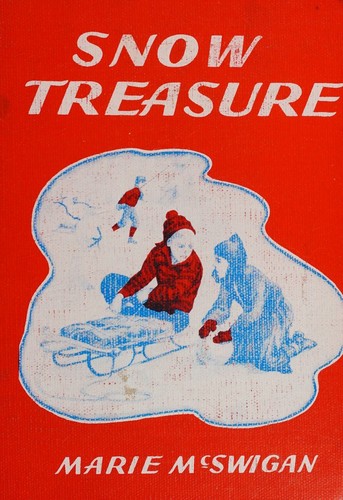
Norwegian children smuggle gold past German soldiers on their sleds during World War II. A tense winter story based on real events, with a quiet hero’s theme. Content note: wartime peril.
Best for: historical fiction fans. Ages: 9–12.
How to Build a Holiday Reading Tradition With Older Kids
Tweens may roll their eyes at bedtime stories, but many still love a family reading night. Choose a book that everyone can enjoy, such as The Christmas Pig or A Boy Called Christmas, and read a chapter aloud while snacking on cocoa and cookies. Let your child take a turn as the reader, which builds fluency and confidence. Make a countdown calendar with a chapter for each day until Christmas, or give a book-themed gift each week. If your child prefers to read alone, offer a book from this list and invite them to share a favorite scene at dinner. Traditions like these become memories long after the holiday is over.
Short Reads for Busy December Days
December is hectic, and not every family has time for a long novel. Short stories such as The Gift of the Magi and Letters from Father Christmas can be read in one sitting. Picture books like The Polar Express and How the Grinch Stole Christmas! take ten minutes and still delight older kids, especially when they read the voices. If you are traveling, download an audiobook of A Christmas Carol for the car. Keeping a mix of lengths on hand means your child can always find something that fits the moment, and the season stays relaxed instead of rushed.
How to Match a Christmas Book to Your Middle School
Middle school readers range widely. One eleven-year-old may still love illustrated chapter books, while another is ready for novels with darker themes. Start with the reader’s current favorites, then pick a Christmas title with a similar length and pace. Look at the first page together: if your middle school can read it smoothly and wants to continue, it is a good fit. Short chapters and strong openings help hesitant readers, while avid readers can handle longer books and series. Pay attention to content notes in this list, and preview a book if your child is sensitive to a particular topic. When in doubt, offer two or three choices and let your child decide, because a book they choose is a book they are more likely to finish.
A Simple Reading Plan for Christmas Books
Choose one book from the list to start this week and set a modest goal, such as twenty minutes a day. Keep a library card in use, since borrowing lets your child try several Christmas books without cost. Read the same book yourself, or listen to it as an audiobook in the car, so you can chat about it at dinner. When your middle school finishes, ask which part they liked best and whether they want to try the next book in a series or a similar title from this list. A simple chart on the fridge can track finished books. Celebrate progress with a trip to the library or bookstore rather than with screen time or a prize.
Why Christmas Books Matter for Middle Schoolers
Reading Christmas books during the middle school years does more than fill free time. Children this age are building stamina for longer texts, growing their vocabulary and learning to follow complex plots, and they do those things best when they enjoy what they read. A book that fits their interests teaches them that reading is a source of pleasure, not only an assignment. It also gives you a way to talk about hard subjects, friendships and choices through characters, which can be easier than talking about their own lives. Research on reading habits repeatedly finds that children who read for fun do better in school, so a good Christmas book is worth far more than its price.
Where to Find and How to Read These Books
Buying every book on this list is not necessary. Start at your public library, where you can borrow print copies, e-books and audiobooks with a free card, and use the holds feature for popular titles. Paperbacks are usually the best value for books your child will reread, and hardcovers hold up better for favorites that will be passed down. Used copies are often cheap, and a classroom or neighborhood swap can add variety. Large-print or dyslexia-friendly editions help some readers, and audiobooks are a good support for children who are building stamina. Whatever format you choose, keep a few Christmas books visible on a shelf or by the bed so reading is the easy choice.
Building a Daily Routine Around Christmas Books
Middle schoolers have busy schedules full of homework, activities and friends, so reading needs a protected spot. Aim for fifteen to twenty minutes after dinner or before bed, with the phone out of reach. Let your child choose the book, since choice is the strongest motivator at this age. Keep Christmas books in the car, in the backpack and on the nightstand so a few minutes of waiting turns into reading. Audiobooks count too, and they make chores and car rides pleasant. Check in with a casual question about what they are reading, but avoid quizzing, which can make a pleasure feel like homework.
Sharing Christmas Books With Family and Friends
Even middle schoolers who shrug at ‘reading time’ love talking about stories with the right audience. Let your child recommend a Christmas book to a friend, or start a mini book club with two or three classmates who agree to read the same title. Ask what they are reading at dinner, and share what you are reading, too. Libraries and schools often host clubs, author visits and reading challenges that give kids a social reason to read. Swapping books with friends keeps the supply fresh and free. When kids feel that reading is something their peers do, too, the habit becomes part of their identity.
After the Last Page: What to Read Next
The last page of a book is a good moment to keep the momentum going. Ask your child what they liked, then look for the sequel, another book by the same author or a similar title from this list. Many children enjoy a small ritual, such as choosing the next Christmas book at the library every week. If a book did not work, treat that as information, not failure; it simply tells you what to try next. Notice patterns, such as whether your child prefers short chapters, humor or fast plots, and use them to guide future picks. Over a few months, those small choices add up to a real reading habit.
A Quick Checklist Before You Pick a Christmas Book
Ask these questions before you borrow or buy:
- Is the length right? A 150-page book is a confident win, while a 400-page book is a project.
- Does the first chapter hook your child within a few pages?
- Is the content right for their age and sensitivity?
- Is there a sequel or companion book waiting if they love it?
- Can you find it at your library so there is no risk?
Questions to Talk About After Reading
These work for almost any book on this list:
- What was your favorite part, and why?
- Which character would you want as a friend?
- What would you have done differently in the main character’s place?
- Did the ending surprise you?
- Which book from this list do you want to read next?
How to Tell a Christmas Book Is the Right Fit
A book is working when your middle schooler keeps reading, talks about the characters or hides it in a backpack to read later. A poor fit shows up as stalling, rereading the same page or sneaking back to a screen. Give a book at least thirty to fifty pages, then let your child decide. A book that is too easy can still be a comfort read, and one that is too hard can become an audiobook. Take note of what hooked them, whether humor, mystery or friendships, and look for more like it. Let their taste lead.
Tips for Choosing Christmas Books for Middle Schoolers
- Pick a reading night. Choose one evening a week in December for family reading by the tree.
- Mix lengths. Pair a short story with a longer novel so there is always a quick win.
- Try audiobooks. Many of these are available in audio and make good car-trip companions.
- Preview darker books. A few stories have scary scenes, so check before reading aloud.
- Compare book and film. Watching an adaptation after reading sparks great conversation.
Related: 15 Best Christmas Books for Toddlers and 15 Best Science Books for Early Readers (Ages 5–7).
Frequently Asked Questions
What are good Christmas books for a 10-year-old?
The Christmas Pig, A Boy Called Christmas, Winterhouse and Letters from Father Christmas are popular choices that mix humor, magic and warmth.
Are there Christmas books that are not about Santa?
Yes. Winterhouse, The Dark Is Rising and Snow Treasure are winter stories, and The Gift of the Magi is a short story about generosity.
Can I read A Christmas Carol with a middle schooler?
Yes, especially in an illustrated or abridged edition. Reading a chapter or two aloud can make the language easier.