
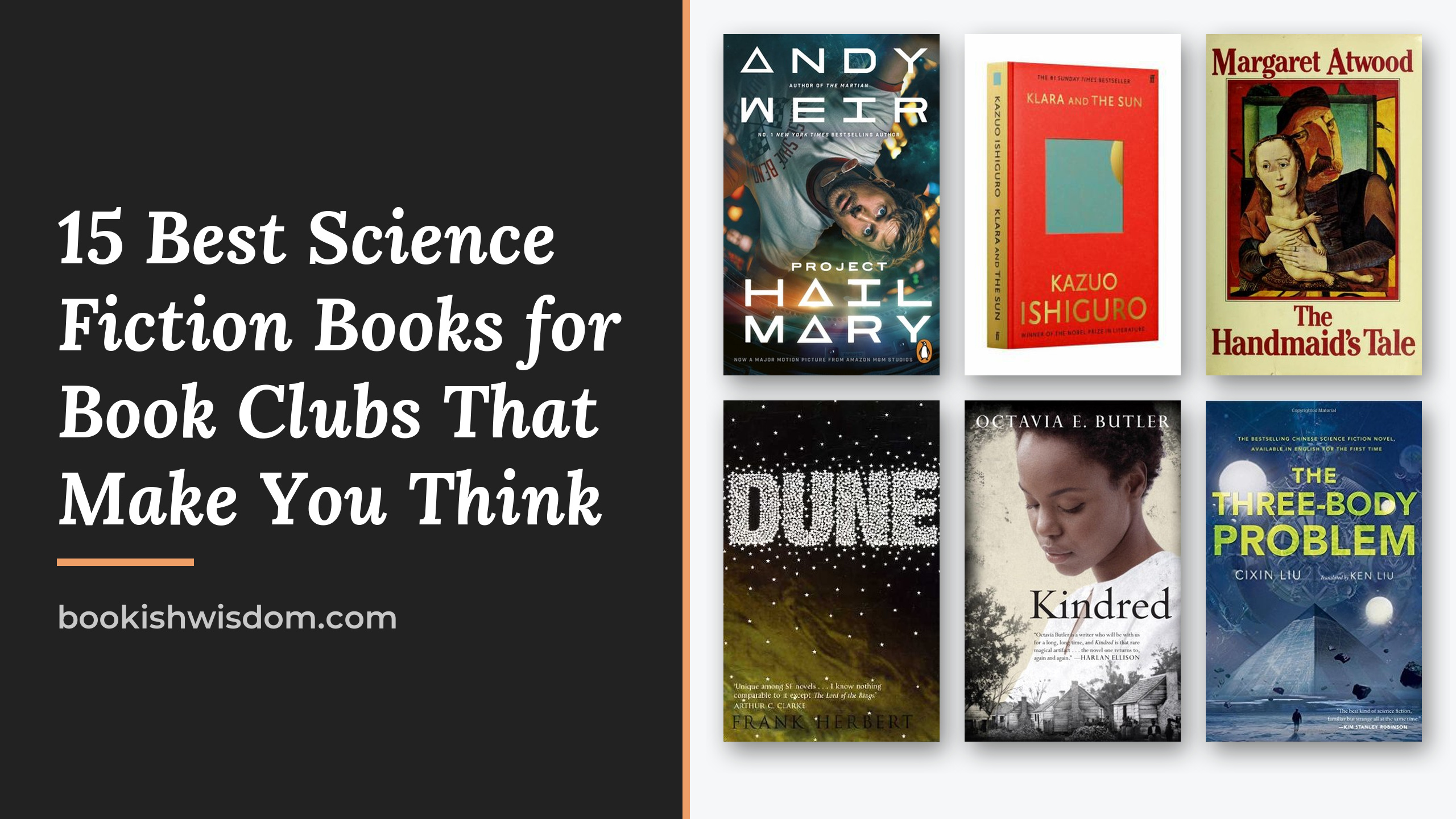
Disclosure: As an Amazon Associate, Bookish Wisdom earns from qualifying purchases. This doesn’t change our picks or your price.
Quick answer: The best science fiction books for book clubs use future worlds and big ideas to ask questions about being human today. Top picks include Project Hail Mary, Klara and the Sun, The Handmaid’s Tale, Kindred, Dune and Flowers for Algernon.
Science fiction is the perfect genre for a book club that loves to argue. Every great sci-fi novel starts with a “what if”: What if machines could love? What if women lost their rights overnight? What if humanity met an alien? Those questions lead to discussions about technology, ethics, politics and our own future. You don’t need to be a science buff to enjoy these picks. The list includes accessible bestsellers, modern literary sci-fi and classics, with a range of lengths and moods, from hopeful to chilling.
Table of Contents
Quick Picks at a Glance
| Book | Author | Big Idea | Best For |
|---|---|---|---|
| Project Hail Mary | Andy Weir | Saving Earth | Fun, hopeful reading |
| Klara and the Sun | Kazuo Ishiguro | Artificial intelligence | Literary readers |
| The Handmaid’s Tale | Margaret Atwood | Loss of rights | Political discussions |
| Dune | Frank Herbert | Power and ecology | Ambitious groups |
| Kindred | Octavia E. Butler | Time travel and slavery | Serious, meaningful discussion |
| The Three-Body Problem | Cixin Liu | First contact | Science lovers |
| Children of Time | Adrian Tchaikovsky | Evolution | Groups who like big ideas |
| Brave New World | Aldous Huxley | Engineered happiness | Classic lovers |
| Ender’s Game | Orson Scott Card | War and childhood | Mixed-age groups |
| Sea of Tranquility | Emily St. John Mandel | Time and reality | Literary readers |
| A Psalm for the Wild-Built | Becky Chambers | Hopeful future | Readers who need comfort |
| Flowers for Algernon | Daniel Keyes | Intelligence and dignity | Emotional discussions |
| Annihilation | Jeff VanderMeer | The unknown | Readers who like eerie stories |
| Exhalation | Ted Chiang | Free will and technology | Short-story fans |
| The Left Hand of Darkness | Ursula K. Le Guin | Gender and society | Ambitious literary groups |
1. Project Hail Mary by Andy Weir
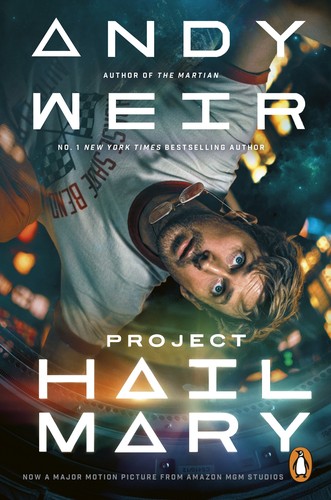
Ryland Grace wakes up alone on a spaceship with no memory of how he got there, and slowly realizes he’s humanity’s last hope. Funny, nerdy and heartfelt, with an unforgettable friendship.
Talk about: What makes Ryland and Rocky’s friendship work?
2. Klara and the Sun by Kazuo Ishiguro
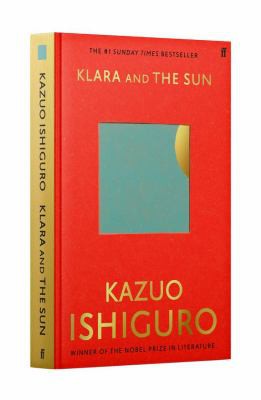
Klara, an Artificial Friend, watches the world from a store window, hoping to be chosen by a child. Quiet and haunting, it asks what it means to love.
Talk about: Can Klara truly love Josie?
3. The Handmaid’s Tale by Margaret Atwood
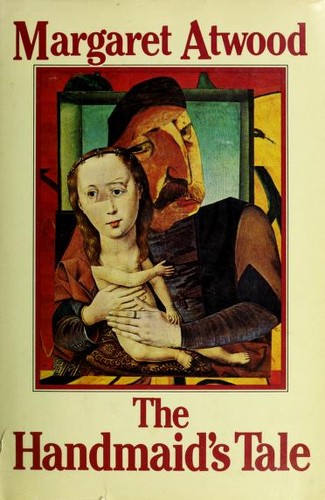
In the Republic of Gilead, women have been stripped of their rights, and Offred is forced to bear children for a powerful Commander. Chilling and still deeply relevant. Content note: sexual violence.
Talk about: Which parts of Gilead feel most possible?
4. Dune by Frank Herbert
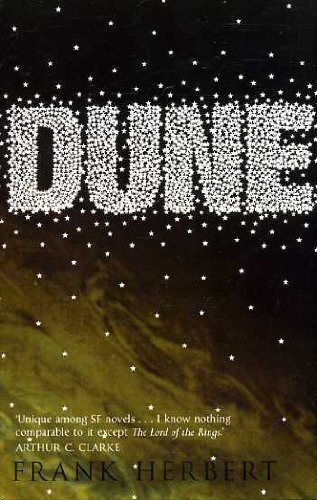
Young Paul Atreides and his family take control of the desert planet Arrakis, the only source of the most valuable substance in the universe. It’s an epic about politics, religion and the environment.
Talk about: Is Paul a hero?
5. Kindred by Octavia E. Butler
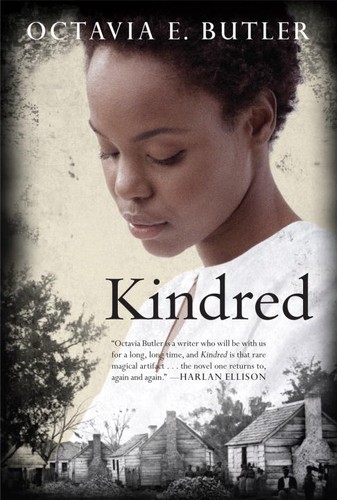
Dana, a Black writer in 1976 Los Angeles, is repeatedly pulled back in time to a Maryland plantation before the Civil War. It’s gripping, brutal and essential. Content note: violence.
Talk about: Why does Dana keep getting pulled back to Rufus?
6. The Three-Body Problem by Cixin Liu
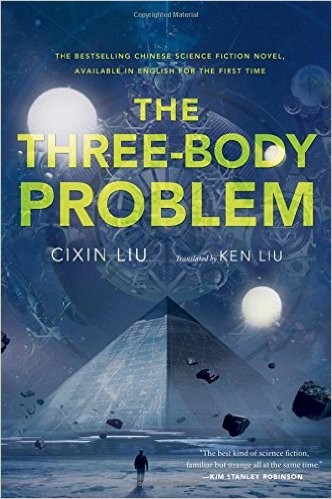
During China’s Cultural Revolution, a secret military project sends signals into space and receives an answer. Decades later, scientists start dying mysteriously. Big ideas and real physics.
Talk about: Was Ye Wenjie’s decision understandable?
7. Children of Time by Adrian Tchaikovsky
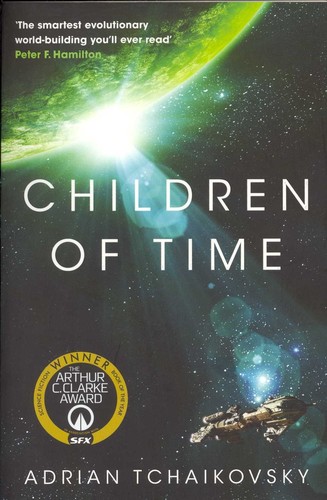
The last humans flee a dying Earth toward a terraformed planet, which has been taken over by evolving, intelligent spiders. It’s surprisingly moving and makes you see the spiders differently.
Talk about: Did you end up rooting for the spiders?
8. Brave New World by Aldous Huxley
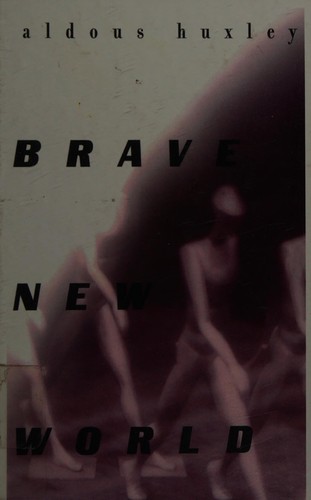
In a future World State, people are engineered, conditioned and kept happy with a drug called soma. It’s a chilling contrast to 1984: control through pleasure rather than fear.
Talk about: Is this world better or worse than 1984’s?
9. Ender’s Game by Orson Scott Card
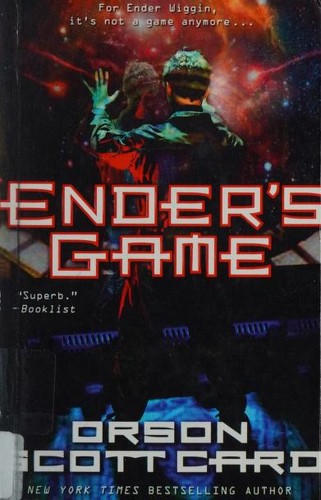
Brilliant child Ender Wiggin is trained in a space military school to fight an alien threat. It’s a fast read with a famous ending that raises big ethical questions.
Talk about: Who bears responsibility for what Ender did?
10. Sea of Tranquility by Emily St. John Mandel
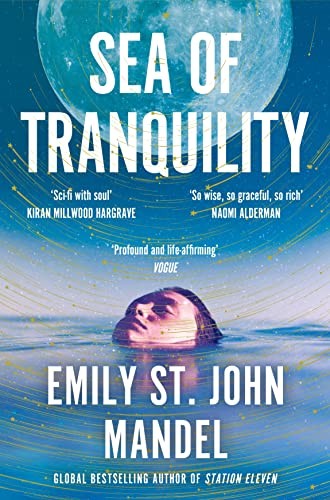
A strange moment in a Canadian forest in 1912 connects people across centuries, including a novelist on a book tour during a pandemic and a detective from a moon colony. It’s short and elegant.
Talk about: What do you think about the simulation idea?
11. A Psalm for the Wild-Built by Becky Chambers
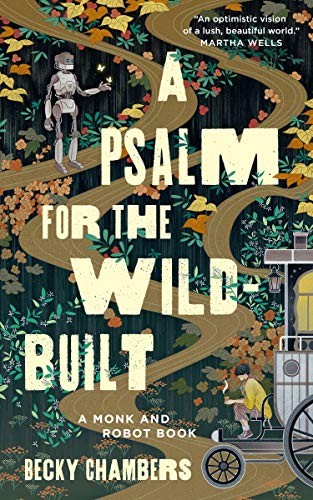
A tea monk travels into the wilderness and meets a robot curious about what people need. It’s a short, gentle book about purpose and rest.
Talk about: What do you need, according to the book’s big question?
12. Flowers for Algernon by Daniel Keyes

Charlie Gordon, a man with an intellectual disability, undergoes an experimental surgery that dramatically raises his intelligence. Told through his progress reports, it’s heartbreaking.
Talk about: Was Charlie happier before or after the experiment?
13. Annihilation by Jeff VanderMeer
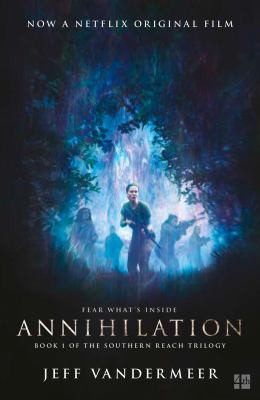
Four women enter Area X, a mysterious region that has been cut off from civilization for decades. Short, strange and unsettling, it will leave your group with theories.
Talk about: What do you think is happening in Area X?
14. Exhalation by Ted Chiang
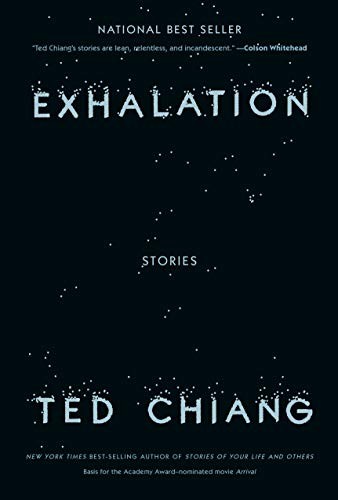
These stories explore free will, time travel, artificial beings and more. Each one is a self-contained thought experiment, so it’s easy to discuss a few at a time.
Talk about: Which story stayed with you the longest?
15. The Left Hand of Darkness by Ursula K. Le Guin
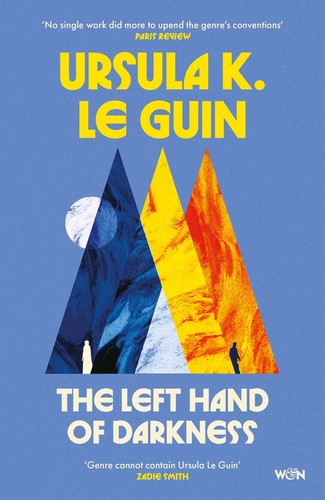
An envoy from Earth visits the icy planet Gethen, where people have no fixed sex. It’s a classic that’s still sharp about gender, politics and trust.
Talk about: How did the Gethenians change the way you think about gender?
Tips for a Science Fiction Book Club
- Start with the book’s “what if” and ask whether it could happen.
- Connect it to the news. Talk about AI, climate, space travel or genetics.
- Pick accessible sci-fi first, like Project Hail Mary, for newcomers.
- Don’t get stuck on the science. Focus on characters and choices.
- Compare adaptations, like the Dune films or The Handmaid’s Tale series.
- Mix hopeful and dark picks so the group doesn’t get too gloomy.
Related: 15 Best Funny Books for Book Clubs That Will Make Everyone Laugh · 15 Best Books for 5 Year Old Boys That Make Reading Fun
Frequently Asked Questions
What is a good science fiction book for a book club?
Project Hail Mary, Klara and the Sun, The Handmaid’s Tale and Kindred are popular because they’re accessible and raise big ethical questions.
Is science fiction good for book clubs?
Yes. Sci-fi asks “what if” questions about technology, society and humanity, which naturally lead to lively debate.
What is an easy sci-fi book for beginners?
Project Hail Mary, A Psalm for the Wild-Built and Flowers for Algernon are easy, emotional entry points to the genre.