

Finding the perfect best spy books for 12 year olds can transform reluctant readers into eager page-turners. These thrilling adventures combine mystery, action, and age-appropriate content that captures young imaginations while developing reading skills. From secret agents to undercover missions, these carefully selected titles offer the perfect blend of excitement and literary value that will have your twelve-year-old begging for just one more chapter.
Table of Contents
1. Alex Rider Series by Anthony Horowitz

The Alex Rider series stands as the gold standard among best spy books for 12 year olds, following a teenage spy recruited by MI6 after his uncle’s mysterious death. Starting with “Stormbreaker,” these novels blend realistic espionage with age-appropriate action sequences. The series features cutting-edge gadgets, international locations, and villains that feel genuinely threatening without being too intense for young readers. Each book can be read independently, making it easy for kids to jump into the series at any point.
2. Spy School Series by Stuart Gibbs
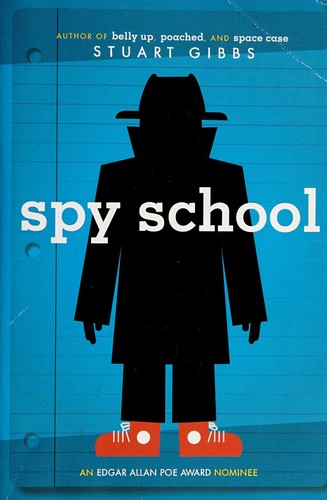
Stuart Gibbs creates a hilarious take on spy training with Ben Ripley, a middle school student recruited to a secret CIA academy. The series combines laugh-out-loud humor with genuine spy craft, teaching readers about codes, surveillance, and deduction while keeping them entertained. Ben’s relatable struggles with typical middle school problems alongside saving the world make these books incredibly engaging. The mathematical puzzles and logical challenges woven throughout the stories provide educational value beyond pure entertainment.
3. Harriet the Spy by Louise Fitzhugh
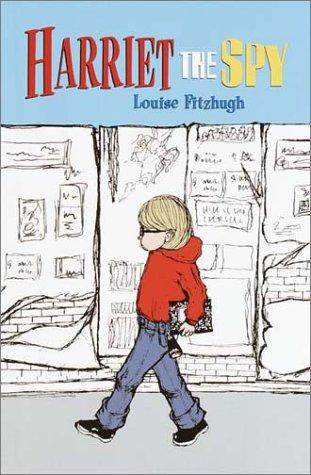
This classic novel introduces readers to Harriet Welsch, an eleven-year-old aspiring spy who observes and records everything about her neighbors and classmates. While not featuring international espionage, the book teaches valuable lessons about observation skills, writing, and the consequences of unchecked curiosity. Harriet’s honest, sometimes harsh observations about the people around her create realistic conflicts that resonate with young readers. The story emphasizes the importance of empathy and understanding different perspectives.
4. The London Eye Mystery by Siobhan Dowd
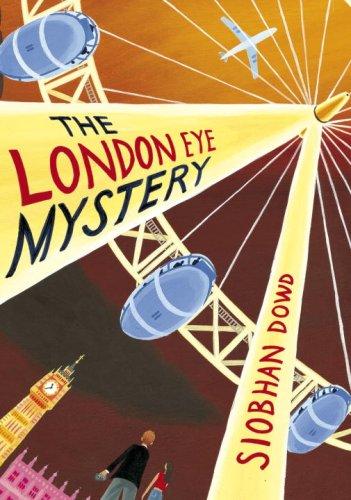
Ted and Kat must use detective skills when their cousin Salim mysteriously disappears from the London Eye observation wheel. This mystery combines elements of spy fiction with a compelling family story, featuring a protagonist with Asperger’s syndrome whose unique perspective proves crucial to solving the case. The book demonstrates how different ways of thinking can be strengths rather than limitations. The London setting provides an atmospheric backdrop that makes readers feel like they’re exploring the city alongside the characters.
5. The False Prince by Jennifer A. Nielsen
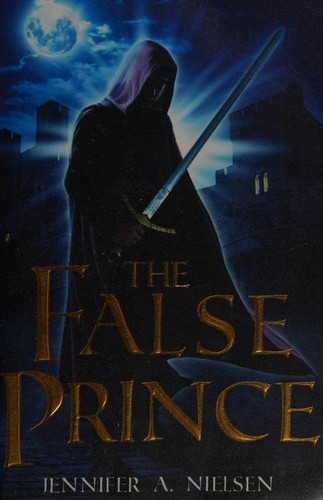
Set in a fantasy world, this novel follows Sage, an orphan caught up in a dangerous plot to impersonate a missing prince. While technically fantasy, the book contains numerous espionage elements including deception, secret identities, and political intrigue. The story teaches readers about loyalty, courage, and the complexity of moral choices in difficult situations. Nielsen’s fast-paced writing and unexpected plot twists keep readers guessing until the final pages.
6. Zoe and Zak and the Ghost Leopard by Lars Guignard
This adventure follows two American kids who become involved in mysterious happenings while visiting India. The story combines cultural education with spy-like elements as the protagonists uncover secrets about endangered wildlife and corruption. The Indian setting provides rich cultural details that expand readers’ worldviews while maintaining an exciting pace. The environmental themes woven throughout the adventure story help young readers understand global conservation issues.
7. The Blackthorn Key Series by Kevin Sands
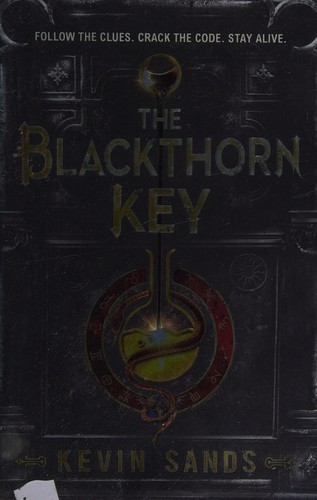
Set in 17th-century London, these books follow Christopher Rowe, an apothecary’s apprentice who solves mysteries using codes, puzzles, and scientific knowledge. While historical fiction, the series contains many spy elements including secret societies, coded messages, and dangerous conspiracies. The historical setting teaches readers about different time periods while maintaining modern pacing and humor. Each book features complex puzzles that readers can solve alongside the protagonist, making them active participants in the story.
8. The Mysterious Benedict Society by Trenton Lee Stewart
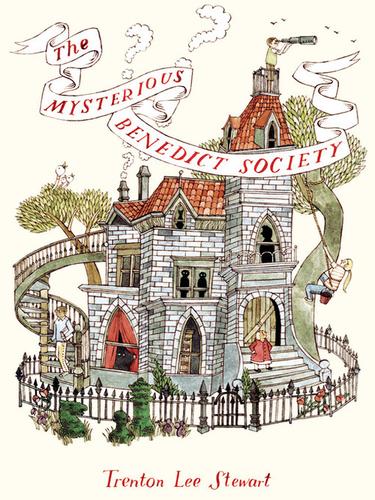
Four gifted children are recruited for a secret mission to infiltrate a mysterious school and stop a global emergency. This novel emphasizes teamwork, problem-solving, and using individual strengths to overcome challenges. The story features codes, puzzles, and mind games that challenge readers intellectually while providing entertainment. The diverse cast of characters ensures that different types of readers can find someone to identify with among the protagonists.
9. I Am the Weapon by Allen Zadoff
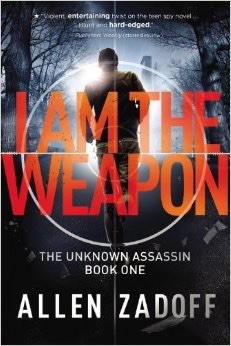
This novel follows Boy Nobody, a teenage assassin who infiltrates high schools to eliminate targets, but begins questioning his mission when he develops genuine feelings for his classmates. While dealing with more serious themes than typical middle-grade fiction, the book handles violence tastefully and focuses on moral growth and identity. The story explores themes of belonging, choice, and redemption that resonate with adolescent readers. The high school setting makes the espionage elements feel more relatable to young readers.
10. The Agency Series by Y.S. Lee
Set in Victorian London, this series follows Mary Quinn, a young woman working for a secret agency that employs female spies. The historical setting provides educational value about women’s roles in the 19th century while delivering exciting spy adventures. Mary’s background as a reformed thief adds complexity to her character and demonstrates themes of redemption and second chances. The series combines romance, mystery, and social commentary in an accessible package for young readers.
11. Spy Mice Series by Heather Vogel Frederick
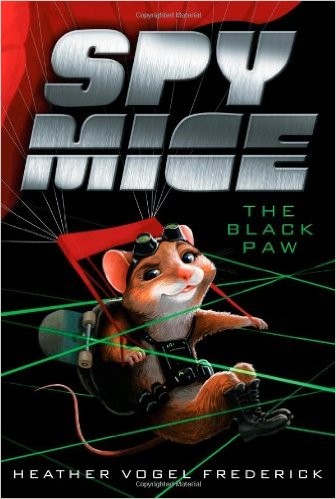
These books follow a family of mice who work as secret agents, providing a unique animal perspective on espionage adventures. The smaller scale of mouse-sized missions makes the spy elements feel accessible and fun rather than intimidating. The series teaches lessons about family loyalty, courage, and working together to solve problems. The creative premise captures younger readers’ imaginations while introducing them to classic spy story elements.
12. Double Identity by Margaret Peterson Haddix

Bethany discovers her entire life has been built on lies when her parents suddenly abandon her with an aunt she never knew existed. As she uncovers the truth about her identity, readers experience a mystery that combines family secrets with elements of espionage and witness protection. The story deals with themes of identity, trust, and family relationships in ways that feel authentic to the middle-grade experience. Haddix’s careful pacing reveals information at just the right speed to maintain suspense without frustrating readers.
13. The Specialists Series by Shannon Greenland
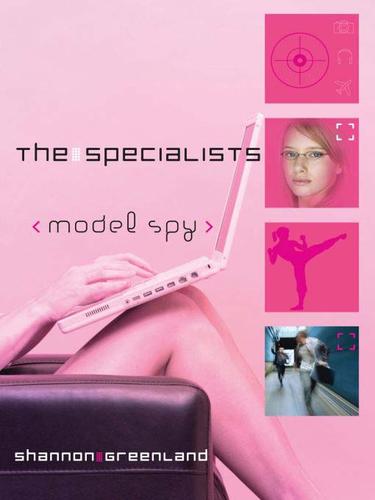
This series follows a team of teenage specialists recruited by a secret government organization, each bringing unique skills to their missions. The diverse cast includes characters with expertise in everything from computer hacking to martial arts, showing readers that intelligence comes in many forms. The stories emphasize the importance of education and developing personal talents while providing exciting adventure scenarios. The team dynamic demonstrates how different personalities can work together effectively when focused on common goals.
14. Codebreaker Boys Series by Peter Lerangis
Set during World War II, these books follow young people involved in breaking enemy codes and supporting the war effort. The historical setting provides educational value about an important period in world history while delivering age-appropriate spy adventures. The code-breaking elements teach readers about logic, pattern recognition, and persistence in problem-solving. The wartime setting helps young readers understand how ordinary people can make extraordinary contributions during difficult times.
15. The Gallagher Girls Series by Ally Carter
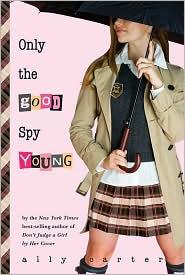
This series follows students at an elite boarding school that secretly trains girls to become spies, combining typical teenage concerns with espionage training. The school setting makes the spy elements feel more accessible to young readers while addressing common adolescent issues like friendship, romance, and finding one’s place in the world. The strong female protagonists provide excellent role models for readers of all genders. The series balances humor, action, and character development in ways that keep readers engaged throughout multiple books.
Conclusion
These best spy books for 12 year olds offer diverse entry points into the exciting world of espionage fiction, from laugh-out-loud comedies to serious historical adventures. Each title provides age-appropriate thrills while developing critical thinking skills, cultural awareness, and reading comprehension. Whether your young reader prefers contemporary settings, historical adventures, or fantasy elements mixed with spy craft, this collection offers something to capture every imagination. The variety of protagonists, settings, and story styles ensures that reluctant readers will find books that speak to their interests while challenging them to grow as readers. These carefully selected titles prove that spy books for young readers can be both entertaining and educational, providing hours of engaging reading that will leave kids eager to discover their next literary adventure. From secret schools to international missions, these books open doors to worlds of possibility while teaching valuable lessons about courage, friendship, and using one’s unique talents to make a difference in the world.