
Finding the perfect best story books for 3 year olds can transform bedtime routines and create magical moments of connection. At this crucial developmental stage, children are building language skills, emotional intelligence, and imagination through carefully chosen stories. These fifteen exceptional books offer the perfect blend of engaging narratives, vibrant illustrations, and age-appropriate themes that will captivate your little one’s attention while fostering a lifelong love of reading.
Table of Contents
1. “The Very Hungry Caterpillar” by Eric Carle
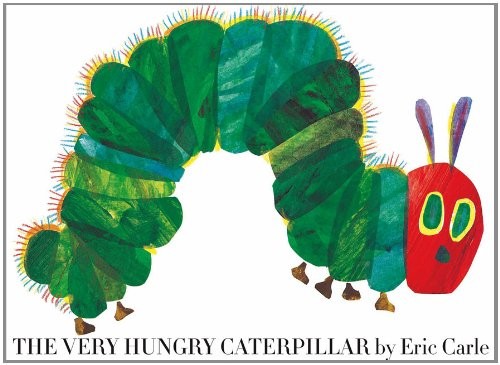
This timeless classic remains one of the best story books for 3 year olds because it combines simple counting, days of the week, and a beautiful transformation story. The distinctive collage illustrations and interactive holes in the pages create a tactile reading experience that keeps toddlers engaged. Children love following the caterpillar’s journey from tiny egg to magnificent butterfly, making this book perfect for teaching patience and growth. The repetitive text structure helps build reading confidence while introducing basic concepts about healthy eating and life cycles.
2. “Goodnight Moon” by Margaret Wise Brown
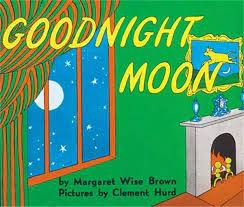
This soothing bedtime story has been helping children transition to sleep for generations with its rhythmic, repetitive text. The gradually darkening illustrations mirror the natural progression toward nighttime, creating a calming atmosphere perfect for bedtime routines. Three-year-olds enjoy identifying objects in the great green room and saying goodnight along with the little bunny. The predictable pattern and gentle rhyme make this book an excellent choice for developing early reading skills and creating peaceful bedtime associations.
3. “Brown Bear, Brown Bear, What Do You See?” by Bill Martin Jr.
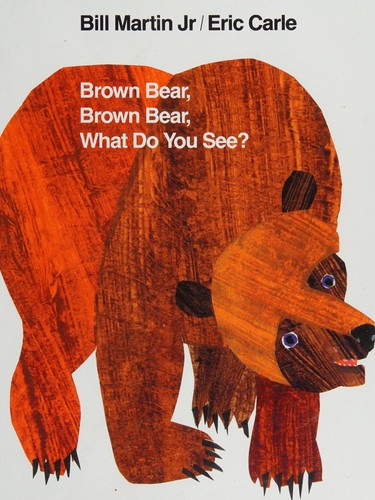
This colorful adventure introduces children to various animals and colors through a predictable, chant-like text that’s perfect for participation reading. The bold, striking illustrations by Eric Carle capture attention while the repetitive structure helps children memorize and “read” along independently. Three-year-olds love predicting what animal comes next and practicing color recognition throughout the story. The book’s interactive nature makes it ideal for building confidence in pre-readers while developing memory and sequencing skills.
4. “Where the Wild Things Are” by Maurice Sendak
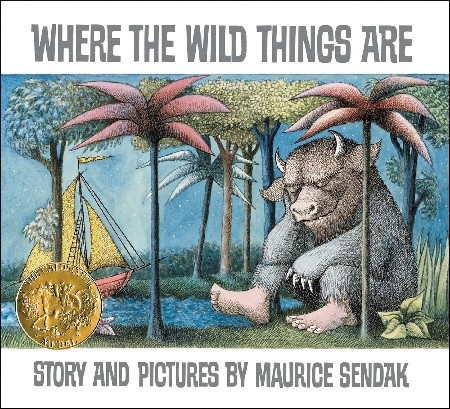
This imaginative tale perfectly captures the emotional world of young children, addressing feelings of anger, adventure, and the comfort of home. The story follows Max’s journey to an island of wild creatures, allowing children to explore big emotions in a safe, fantastical setting. The detailed illustrations grow larger as Max’s adventure intensifies, creating visual excitement that matches the story’s emotional arc. Three-year-olds connect with Max’s feelings while learning that it’s okay to have big emotions and that home and family provide security.
5. “Corduroy” by Don Freeman
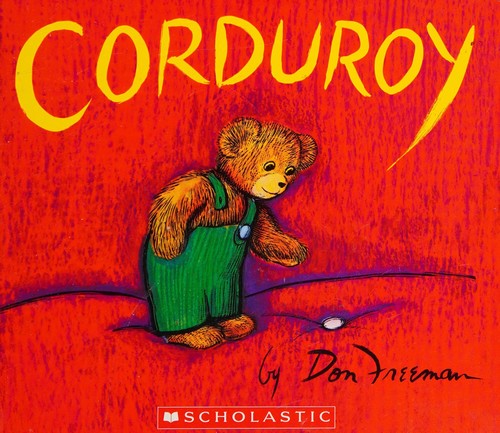
This heartwarming story about a toy bear searching for his missing button teaches valuable lessons about friendship, acceptance, and belonging. The department store setting provides familiar context while Corduroy’s adventure creates gentle excitement without being overwhelming. Children empathize with Corduroy’s desire to be chosen and loved, making this book perfect for discussing feelings and self-worth. The story’s resolution, where Lisa chooses Corduroy despite his imperfections, reinforces themes of unconditional love and acceptance.
6. “The Snowy Day” by Ezra Jack Keats
This Caldecott Medal winner captures the pure joy and wonder of a child’s first snow day through beautiful collage illustrations and simple, poetic text. Peter’s exploration of his snowy neighborhood mirrors the natural curiosity and sense of discovery that three-year-olds experience daily. The book celebrates childhood independence while showing how ordinary experiences can become extraordinary adventures. The diverse representation and urban setting provide valuable exposure to different environments and experiences for young readers.
7. “Chicka Chicka Boom Boom” by Bill Martin Jr. and John Archambault
This rhythmic alphabet adventure turns letter learning into an exciting story as letters race up a coconut tree. The catchy, musical text makes this book perfect for reading aloud and helps children naturally absorb alphabet recognition. Three-year-olds love the dramatic “boom boom” moment when the tree becomes too crowded, creating anticipation and excitement. The colorful, playful illustrations and bouncy rhythm make alphabet learning feel like play rather than instruction, fostering positive associations with letters and reading.
8. “Guess How Much I Love You” by Sam McBratney
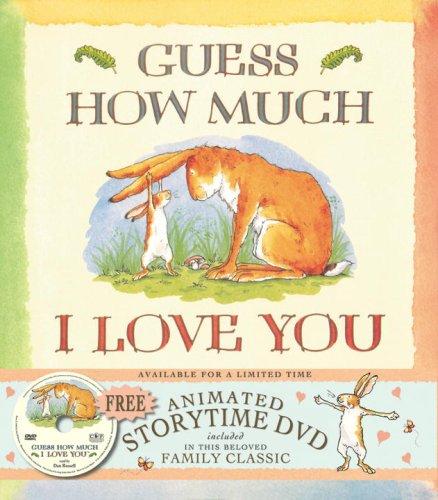
This tender story explores the boundless nature of love between parent and child through the sweet competition between Little Nutbrown Hare and Big Nutbrown Hare. The repetitive structure allows children to participate by stretching their arms wide and reaching high to show their love. Three-year-olds connect with the desire to express big feelings and love the playful back-and-forth between the characters. The gentle illustrations and soothing message make this book perfect for bedtime reading and reinforcing family bonds.
9. “The Little Engine That Could” by Watty Piper
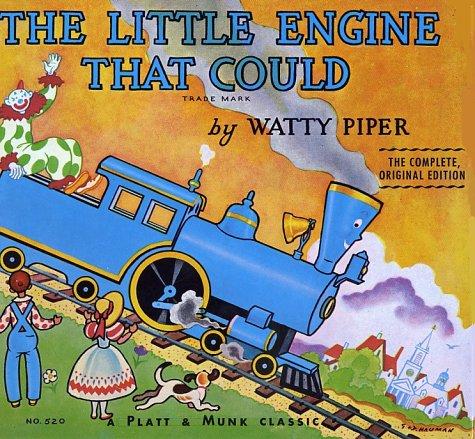
This classic tale of perseverance and positive thinking introduces important concepts about determination and self-belief through an engaging train adventure. The repetitive “I think I can” mantra becomes a powerful tool children can use in their own challenging moments. Three-year-olds love the train sounds and dramatic hill-climbing scene while absorbing lessons about not giving up. The story’s message about helping others and believing in yourself provides valuable character-building content wrapped in an entertaining narrative.
10. “If You Give a Mouse a Cookie” by Laura Joffe Numeroff
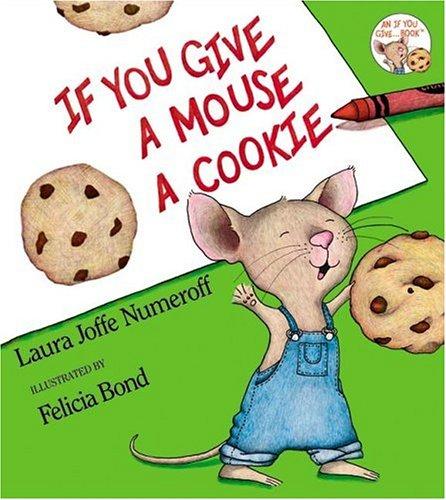
This circular story demonstrates cause and effect in a humorous, engaging way that perfectly matches three-year-old logic and imagination. Children love predicting what the mouse will want next and giggle at the increasingly elaborate chain of events. The book encourages logical thinking and sequencing skills while entertaining with silly scenarios and charming illustrations. The familiar household items and activities make the story relatable while the mouse’s demands mirror the endless “what if” questions that three-year-olds naturally ask.
11. “Madeline” by Ludwig Bemelmans
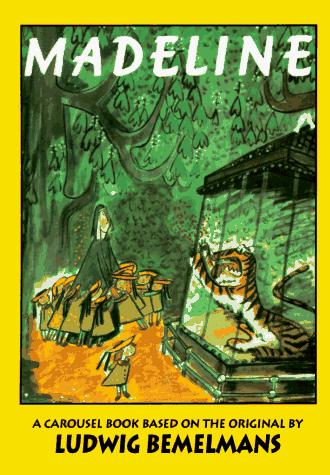
This charming story about a brave little girl in Paris introduces children to different cultures while celebrating courage and individuality. The rhyming text and distinctive illustrations create a memorable reading experience that children request repeatedly. Three-year-olds admire Madeline’s fearlessness and independence while learning about friendship and caring for others. The boarding school setting and Parisian backdrop expand children’s understanding of different lifestyles and places, making this book both entertaining and educational.
12. “The Runaway Bunny” by Margaret Wise Brown
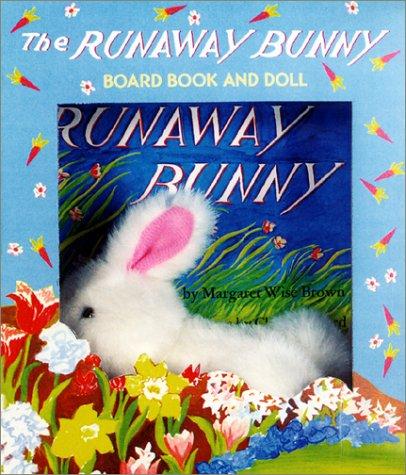
This reassuring story explores themes of independence and unconditional parental love through a playful game of imagination between mother and child. The back-and-forth dialogue structure engages children while demonstrating that parents’ love remains constant even when children test boundaries. Three-year-olds, who are naturally asserting their independence, find comfort in the mother’s persistent love and creative responses. The book provides security during a developmental stage when children are learning to balance autonomy with attachment.
13. “Caps for Sale” by Esphyr Slobodkina
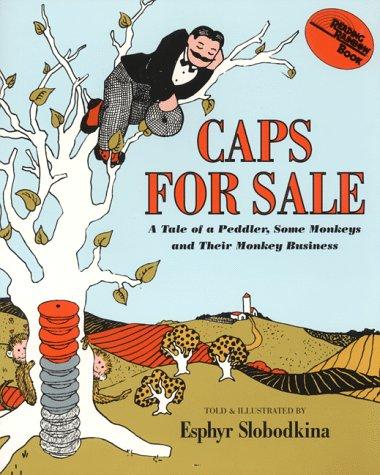
This delightful tale about a cap peddler and mischievous monkeys teaches problem-solving and patience through humor and repetition. Children love mimicking the monkeys’ actions and the peddler’s frustrated gestures, making this book highly interactive. Three-year-olds enjoy the predictable structure while learning about persistence and creative thinking when facing challenges. The simple illustrations and clear storyline make this book accessible while the monkey antics provide endless entertainment and opportunities for dramatic play.
14. “Blueberries for Sal” by Robert McCloskey
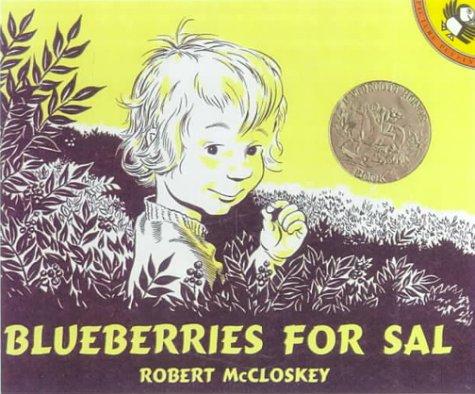
This gentle story about a little girl and a bear cub who accidentally switch mothers while berry picking creates suspense without fear. The parallel adventures of Sal and the bear cub teach children about nature, family bonds, and problem-solving. Three-year-olds relate to Sal’s independence and curiosity while learning about different animals and their behaviors. The detailed illustrations of the Maine countryside introduce children to natural settings and seasonal activities, expanding their understanding of the world beyond their immediate environment.
15. “Frog and Toad Are Friends” by Arnold Lobel
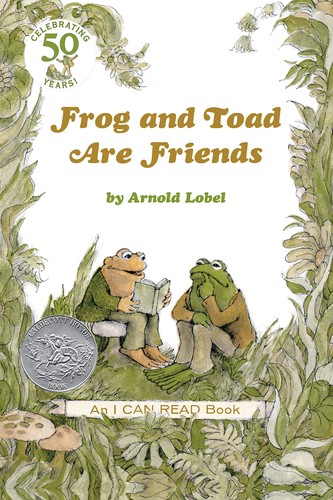
This collection of five short stories celebrates friendship through the adventures of two very different but devoted friends. Each story is perfectly sized for three-year-old attention spans while teaching valuable lessons about loyalty, kindness, and acceptance. Children love the gentle humor and the contrasting personalities of optimistic Frog and worrying Toad. The book demonstrates how differences can strengthen friendships and shows various ways friends can care for and support each other through different situations.
Why These Books Work Perfectly for Three-Year-Olds
The best story books for 3 year olds share several important characteristics that make them developmentally appropriate and engaging. At age three, children are developing language skills rapidly and can follow more complex storylines while still needing predictable structures and familiar themes. These books balance simplicity with substance, offering rich vocabulary and concepts without overwhelming young minds.
Three-year-olds benefit from books with repetitive elements, rhyming text, and interactive components that encourage participation. The stories selected here provide opportunities for children to predict outcomes, join in with repeated phrases, and connect story events to their own experiences. This active engagement helps develop comprehension skills and makes reading a participatory rather than passive activity.
Building Language Skills Through Story Time
Reading these carefully chosen books regularly supports crucial language development that occurs during the third year of life. Children at this age are expanding their vocabulary exponentially and beginning to understand more complex sentence structures. The varied sentence lengths and rich descriptive language in these stories expose children to new words and concepts in meaningful contexts.
The emotional themes explored in these books help three-year-olds develop emotional vocabulary and understanding. Stories about friendship, family love, independence, and overcoming challenges provide frameworks for children to understand and express their own feelings. This emotional literacy becomes the foundation for social skills and self-awareness that will serve them throughout their lives.
Creating Positive Reading Associations
The joy and comfort associated with sharing these best story books for 3 year olds creates lasting positive associations with reading and learning. When children experience books as sources of entertainment, comfort, and connection with caregivers, they develop intrinsic motivation to continue reading as they grow. These early experiences shape attitudes toward books and learning that can last a lifetime.
The ritual of story time itself becomes precious to three-year-olds, providing predictable comfort and special one-on-one time with parents or caregivers. This dedicated attention and shared focus on stories strengthens relationships while building literacy skills. The books chosen here are particularly effective at creating these warm, positive experiences because they balance entertainment with meaningful content.
Supporting Cognitive Development
These stories support various aspects of cognitive development crucial during the third year of life. Pattern recognition, sequencing, cause and effect, and memory skills are all strengthened through regular exposure to well-crafted narratives. The predictable structures help children understand story elements while varied content challenges their thinking and imagination.
Many of these books introduce basic academic concepts like counting, colors, letters, and days of the week within engaging story contexts. This natural integration makes learning feel effortless and enjoyable rather than instructional. Three-year-olds absorb these concepts more effectively when they’re embedded in stories they love rather than presented as isolated lessons.
Conclusion
Selecting the right books for three-year-olds sets the foundation for a lifetime of reading enjoyment and learning success. These fifteen exceptional titles represent the best story books for 3 year olds because they perfectly balance entertainment with developmental appropriateness, creating magical reading experiences that children will treasure and request repeatedly. Each book offers unique benefits while contributing to language development, emotional growth, and cognitive skills that are crucial during this formative period.
The investment in quality children’s literature pays dividends far beyond the immediate joy of story time. These books become cherished memories, teaching tools, and stepping stones toward independent reading. By choosing stories that respect children’s intelligence while meeting their developmental needs, parents and caregivers can foster a love of reading that will enrich their child’s entire educational journey and beyond.