

Disclosure: As an Amazon Associate, Bookish Wisdom earns from qualifying purchases. This doesn't change our picks or your price.
Quick answer: If you liked Good to Great, read Jim Collins's Built to Last, Great by Choice and How the Mighty Fall. Then try Start with Why, The Lean Startup, Measure What Matters and The Hard Thing About Hard Things for clear business ideas.
Jim Collins's 2001 bestseller studies companies that made a leap from good to great performance and identifies traits such as disciplined people and the Hedgehog Concept. Readers often want more research-based books about leadership, strategy and building lasting companies. The books below blend data, stories and practical lessons for managers, founders and employees.
Table of Contents
Quick Picks at a Glance
| Book | Author | Ages | Best For |
|---|---|---|---|
| Built to Last | Jim Collins and Jerry Porras | Adult | more Collins |
| Great by Choice | Jim Collins and Morten Hansen | Adult | resilient firms |
| How the Mighty Fall | Jim Collins | Adult | avoiding decline |
| Start with Why | Simon Sinek | Adult | purpose and vision |
| The Lean Startup | Eric Ries | Adult | startup method |
| Measure What Matters | John Doerr | Adult | goal setting |
| The E-Myth Revisited | Michael Gerber | Adult | small business owners |
| Zero to One | Peter Thiel and Blake Masters | Adult | new ideas |
| The Hard Thing About Hard Things | Ben Horowitz | Adult | tough decisions |
| Drive | Daniel H. Pink | Adult | motivation |
| The Innovator's Dilemma | Clayton Christensen | Adult | disruption |
| High Output Management | Andrew Grove | Adult | management basics |
| Principles | Ray Dalio | Adult | life and work rules |
| Essentialism | Greg McKeown | Adult | focus and priorities |
| Atomic Habits | James Clear | Adult | habit building |
1. Built to Last by Jim Collins and Jerry Porras
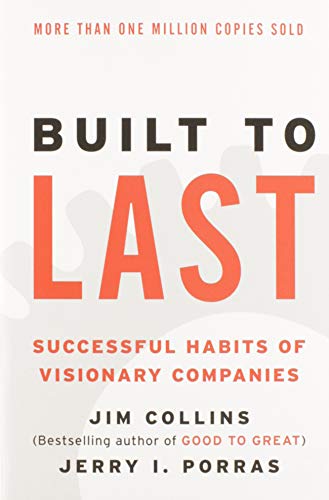
The authors study visionary companies and what keeps them thriving for decades. A classic of business research.
Best for: more Collins.
2. Great by Choice by Jim Collins and Morten Hansen
Collins studies companies that thrived amid chaos. Clear, data-driven and practical.
Best for: resilient firms.
3. How the Mighty Fall by Jim Collins
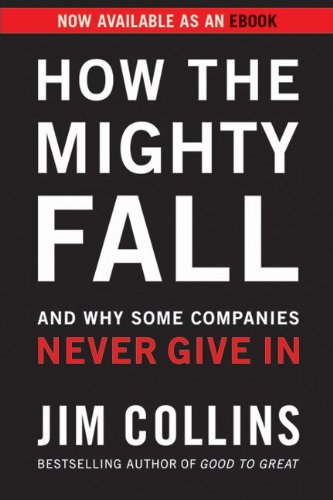
A short book on how great companies decline and how they can recover. Fast and insightful.
Best for: avoiding decline.
4. Start with Why by Simon Sinek
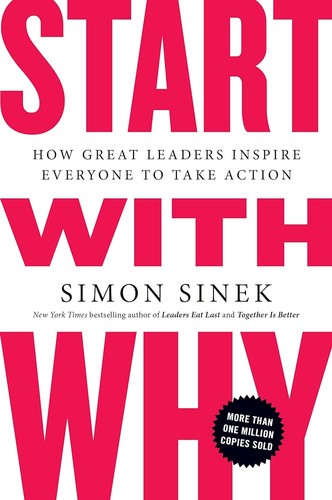
Sinek argues that great leaders inspire by starting with purpose. Popular and easy to read.
Best for: purpose and vision.
5. The Lean Startup by Eric Ries
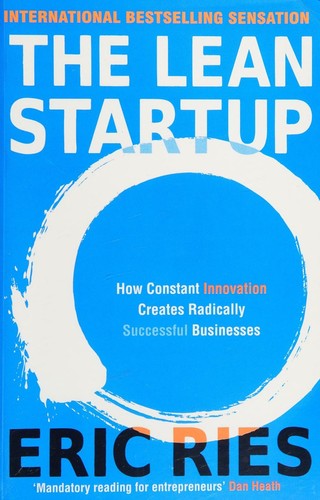
A method for building products through small experiments and learning. Practical and widely used.
Best for: startup method.
6. Measure What Matters by John Doerr
Doerr explains how objectives and key results help organizations set and reach goals. Clear and full of stories.
Best for: goal setting.
7. The E-Myth Revisited by Michael Gerber
Gerber explains why most small businesses fail and how to systemize. Short and approachable.
Best for: small business owners.
8. Zero to One by Peter Thiel and Blake Masters
Thiel's notes on building companies that create new things. Provocative and concise.
Best for: new ideas.
9. The Hard Thing About Hard Things by Ben Horowitz
Horowitz shares lessons from running a startup through crises. Honest and practical.
Best for: tough decisions.
10. Drive by Daniel H. Pink
Pink explains the research on what motivates people. Short and persuasive.
Best for: motivation.
11. The Innovator's Dilemma by Clayton Christensen
Christensen explains why great companies fail to adapt to new technology. A foundational business book.
Best for: disruption.
12. High Output Management by Andrew Grove
Intel's former CEO shares lessons on managing teams. Direct and packed with practical tips.
Best for: management basics.
13. Principles by Ray Dalio
Dalio shares the principles that guided his hedge fund. Long and opinionated.
Best for: life and work rules.
14. Essentialism by Greg McKeown
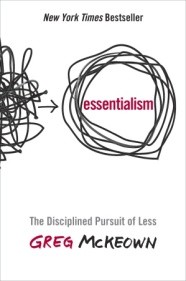
McKeown argues for focusing on what matters most. Calm and practical.
Best for: focus and priorities.
15. Atomic Habits by James Clear
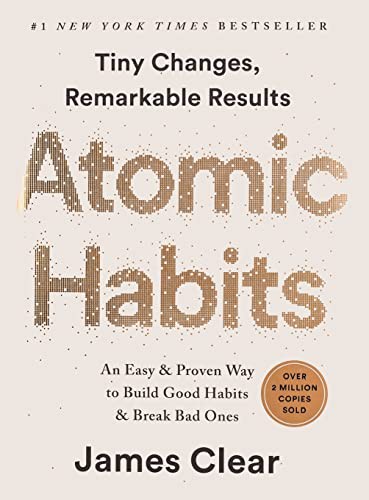
Clear explains how small habits compound into big changes. A runaway bestseller.
Best for: habit building.
How to Choose
For more research-based business studies, begin with Built to Last, Great by Choice or How the Mighty Fall. For startups and founders, pick The Lean Startup, Zero to One or The Hard Thing About Hard Things. For managers, choose High Output Management, Measure What Matters or Drive. For personal focus and habits, try Essentialism or Atomic Habits. Consider reading one idea-heavy book at a time and applying it before moving on. Business books pair well with discussion, so form a small reading group at work or among friends to compare ideas and test them in your own projects. A book that helps in a large company may not suit a two-person startup, so consider your own context as you choose.
Related: Good to Great by Jim Collins: Summary and Key Takeaways · 15 Books Like The Great Gatsby You’ll Love: Jazz Age Glamour and Tragedy
Frequently Asked Questions
What is Good to Great about?
It identifies the factors that helped certain companies achieve long-term success.
Who wrote Good to Great?
Jim Collins, a business researcher and author.
What is the Hedgehog Concept?
It is the overlap of what you are passionate about, what you can be best at and what drives your economic engine.
Are the companies still great?
Some have struggled since, which Collins discusses in How the Mighty Fall.
Is Good to Great still relevant?
Many readers still find its ideas useful, though business has changed.
Which book is the most practical?
The Lean Startup and Measure What Matters.
What are the Level 5 leaders?
Collins describes them as humble, determined leaders who build lasting organizations.
Do Collins's findings hold up?
Some critics question his methods, so read his later books and responses for balance.
Which book is best for small businesses?
The E-Myth Revisited and The Lean Startup.
Is there a Good to Great sequel?
Collins wrote Good to Great and the Social Sectors as a short companion.
Is Good to Great too academic?
No. It is based on research, but Collins writes in plain language with plenty of short company stories and memorable terms.