
Disclosure: As an Amazon Associate, Bookish Wisdom earns from qualifying purchases. This doesn't change our picks or your price.
Quick answer: If you love P Is for Pterodactyl, try Z Is for Moose, Alpha Oops!, The Z Was Zapped, Chicka Chicka Boom Boom, Eating the Alphabet and Words Are CATegorical. They make letters, sounds and spelling funny for early readers.
Raj Haldar and Chris Carpenter's 2018 picture book celebrates words with silent letters and other spelling oddities, like the “p” in pterodactyl and the “k” in knight. It is silly and clever, and it helps children see that English spelling can be fun. These 15 books share that spirit: alphabet books with wit, books about words and grammar jokes for ages 4 to 8.
Table of Contents
Quick Picks at a Glance
| Book | Author | Ages | Best For |
|---|---|---|---|
| Z Is for Moose | Kelly Bingham | 3-7 | readers who like jokes |
| Alpha Oops! The Day Z Went First | Alethea Kontis | 3-7 | young listeners |
| The Z Was Zapped | Chris Van Allsburg | 4-8 | kids who like art |
| Chicka Chicka Boom Boom | Bill Martin Jr. and John Archambault | 2-6 | toddlers and preschoolers |
| Dr. Seuss's ABC | Dr. Seuss | 2-6 | first alphabet readers |
| Eating the Alphabet | Lois Ehlert | 2-6 | kids who like food |
| Q Is for Duck | Mary Elting and Michael Folsom | 3-7 | kids who like guessing |
| LMNO Peas | Keith Baker | 2-6 | toddlers and preschoolers |
| Tomorrow's Alphabet | George Shannon | 3-7 | kids who like thinking |
| Alphabet City | Stephen T. Johnson | 4-8 | art lovers |
| The Day the Crayons Quit | Drew Daywalt | 4-8 | readers who like humor |
| Words Are CATegorical | Brian P. Cleary | 6-9 | grammar fans |
| Hairy, Scary, Ordinary | Brian P. Cleary | 6-9 | early learners |
| Punctuation Takes a Vacation | Robin Pulver | 6-9 | school-age kids |
| Eats, Shoots & Leaves: Why, Commas Really Do Make a Difference! | Lynne Truss | 6-9 | kids and parents |
1. Z Is for Moose by Kelly Bingham
Zebra is in charge of an alphabet book, but Moose keeps popping up early. Funny and perfect for reading aloud.
Best for: readers who like jokes.
2. Alpha Oops! The Day Z Went First by Alethea Kontis
The letters of the alphabet protest when Z wants to go first. Silly and bright.
Best for: young listeners.
3. The Z Was Zapped by Chris Van Allsburg
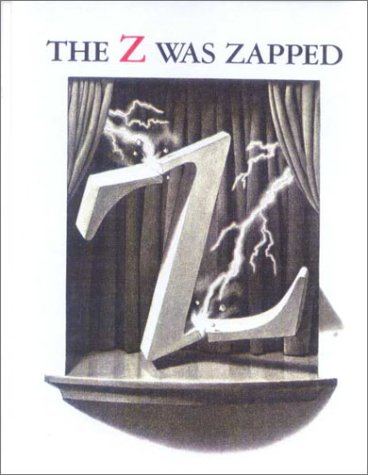
Each letter suffers a strange fate in this dark, beautiful book. Elegant and mysterious.
Best for: kids who like art.
4. Chicka Chicka Boom Boom by Bill Martin Jr. and John Archambault
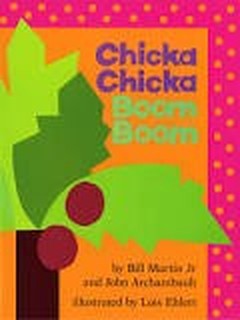
Letters climb a coconut tree in a rhythm that kids love. A classic of early learning.
Best for: toddlers and preschoolers.
5. Dr. Seuss's ABC by Dr. Seuss
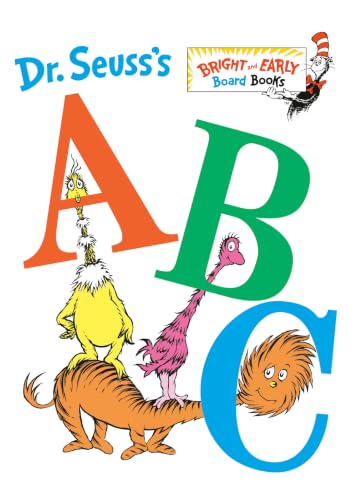
A rhyming, silly tour of the alphabet. Easy and fun.
Best for: first alphabet readers.
6. Eating the Alphabet by Lois Ehlert
Fruits and vegetables from A to Z in bold collage art. Colorful and informative.
Best for: kids who like food.
7. Q Is for Duck by Mary Elting and Michael Folsom
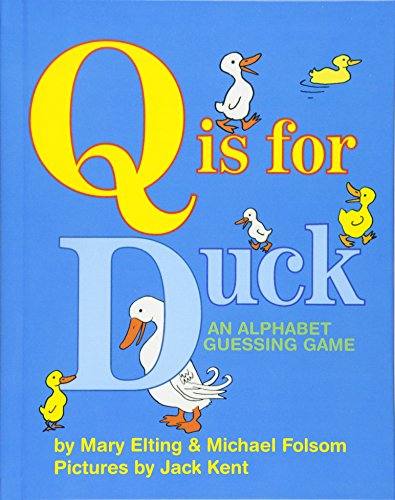
An alphabet of animals and what they do, with a surprise answer. Clever and fun.
Best for: kids who like guessing.
8. LMNO Peas by Keith Baker
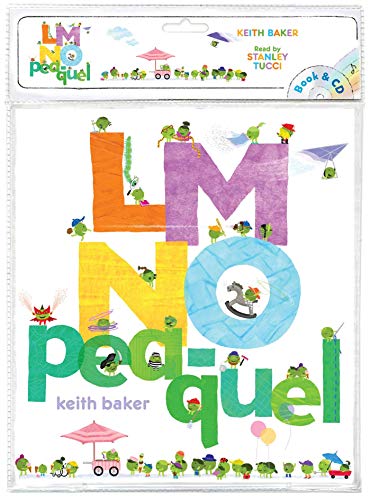
Little peas show what they could be, from astronauts to zoologists. Cute and bright.
Best for: toddlers and preschoolers.
9. Tomorrow's Alphabet by George Shannon
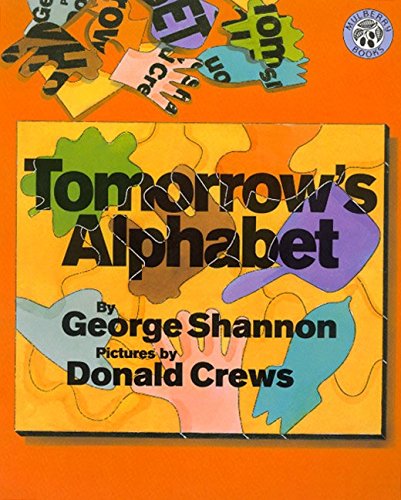
A is for seed (tomorrow's apple) and so on. Clever and thoughtful.
Best for: kids who like thinking.
10. Alphabet City by Stephen T. Johnson
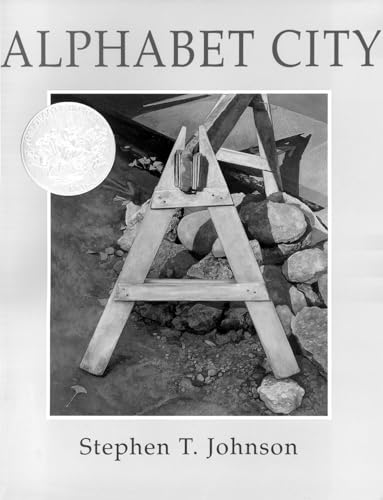
Paintings of city scenes where each letter is hidden. A visual puzzle.
Best for: art lovers.
11. The Day the Crayons Quit by Drew Daywalt
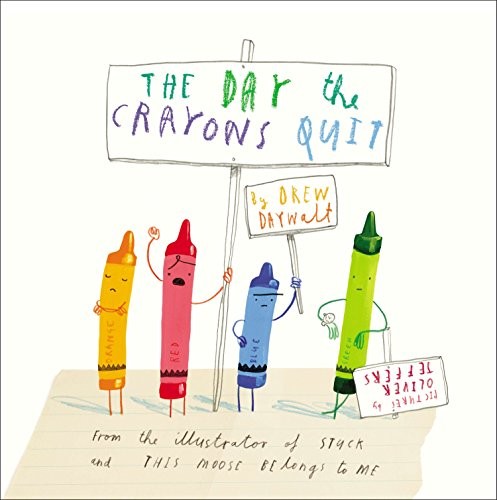
Crayons write letters to complain about how they are used. Funny and colorful.
Best for: readers who like humor.
12. Words Are CATegorical by Brian P. Cleary
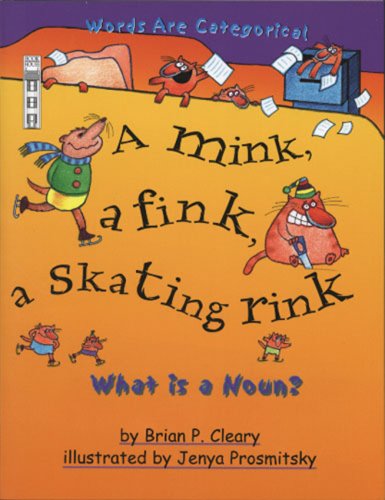
A rhyming series about word types such as nouns and verbs. Light and educational.
Best for: grammar fans.
13. Hairy, Scary, Ordinary by Brian P. Cleary
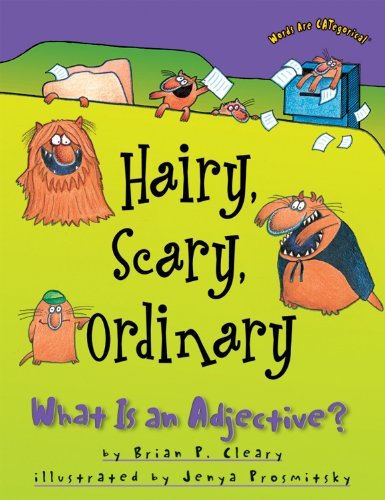
A rhyming book about adjectives, with silly examples. Perfect for early grammar lessons.
Best for: early learners.
14. Punctuation Takes a Vacation by Robin Pulver
Punctuation marks go on vacation, and a class learns why they matter. Funny and clear.
Best for: school-age kids.
15. Eats, Shoots & Leaves: Why, Commas Really Do Make a Difference! by Lynne Truss
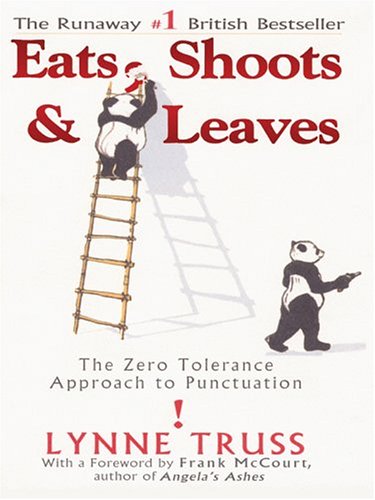
A picture-book version of the grammar bestseller, showing how a comma changes meaning. Quick and silly.
Best for: kids and parents.
How to Choose
For toddlers, start with Chicka Chicka Boom Boom, LMNO Peas or Dr. Seuss's ABC. For ages 4 to 6, try Z Is for Moose, Alpha Oops! or Q Is for Duck. For ages 6 to 9, read Words Are CATegorical, Punctuation Takes a Vacation or the picture-book Eats, Shoots & Leaves. If your child is curious about silent letters, make a list together and look up where the words came from. Make reading interactive: ask your child to find silent letters in other words, count how many letters they can spot, or write a silly sentence using three silent-letter words. Many of these books pair well with a children's dictionary.
Related: 15 Books Like Wings of Fire Kids Will Love: Dragons, Quests and Animal Adventures · 12 Dystopian Books Like the Hunger Games | Best Books to Read Like Hunger Games
Frequently Asked Questions
What age is P Is for Pterodactyl for?
It is recommended for ages 4 to 8.
Does it teach spelling rules?
It shows funny spelling patterns and silent letters, but it is meant to entertain and spark curiosity.
Who illustrated it?
Chris Carpenter illustrated it, and Raj Haldar wrote it.
Are there similar books for older kids?
Yes. Try the grammar picture books by Brian P. Cleary and Robin Pulver, or a children's dictionary of word origins.
Are these good for early readers?
Yes. Most have short sentences and bright pictures, which help new readers feel successful.
What are silent letters?
They are letters that appear in a word but are not pronounced, like the k in knee or the p in pterodactyl.