

Disclosure: As an Amazon Associate, Bookish Wisdom earns from qualifying purchases. This doesn't change our picks or your price.
Quick answer: If you read The Wretched of the Earth, continue with Black Skin, White Masks, A Dying Colonialism, Discourse on Colonialism and The Colonizer and the Colonized. All explore how colonial power shapes minds, bodies and politics.
Frantz Fanon's 1961 book argues that colonialism is violent by nature and that decolonization is a profound transformation of society. The books below extend his ideas through history, psychology and literature. All are real, in-print books, and most are nonfiction.
Table of Contents
Quick Picks at a Glance
| Book | Author | Ages | Best For |
|---|---|---|---|
| Black Skin, White Masks | Frantz Fanon | Adult | more Fanon |
| A Dying Colonialism | Frantz Fanon | Adult | Algerian war |
| Discourse on Colonialism | Aimé Césaire | Adult | a short polemic |
| The Colonizer and the Colonized | Albert Memmi | Adult | psychology of empire |
| Orientalism | Edward Said | Adult | cultural theory |
| Culture and Imperialism | Edward Said | Adult | literature and empire |
| Decolonising the Mind | Ngũgĩ wa Thiong'o | Adult | language and culture |
| How Europe Underdeveloped Africa | Walter Rodney | Adult | economic history |
| The Black Jacobins | C.L.R. James | Adult | revolutionary history |
| Pedagogy of the Oppressed | Paulo Freire | Adult | education and liberation |
| The Autobiography of Malcolm X | Malcolm X and Alex Haley | Adult | first-person leadership |
| The Souls of Black Folk | W.E.B. Du Bois | Adult | classic essays |
| Open Veins of Latin America | Eduardo Galeano | Adult | Latin America |
| Things Fall Apart | Chinua Achebe | Teen and adult | the human story |
| The Fire Next Time | James Baldwin | Adult | literary essays |
1. Black Skin, White Masks by Frantz Fanon
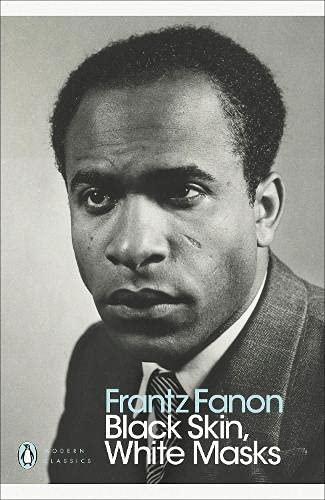
Fanon's earlier book studies the psychology of racism and colonial identity. Personal, literary and sharp.
Best for: more Fanon.
2. A Dying Colonialism by Frantz Fanon
Fanon describes how Algerian society changed during the war against French rule. Direct and observational.
Best for: Algerian war.
3. Discourse on Colonialism by Aimé Césaire
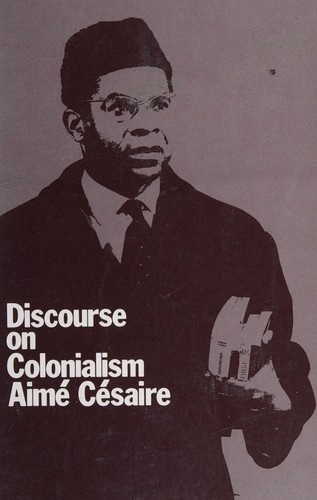
A short, fierce essay that attacks European colonial hypocrisy. Poetic and angry.
Best for: a short polemic.
4. The Colonizer and the Colonized by Albert Memmi
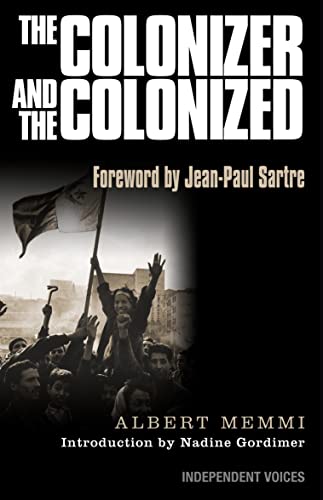
A Tunisian writer describes the psychology of colonial relationships. Clear and concise.
Best for: psychology of empire.
5. Orientalism by Edward Said

Shows how Western writers constructed an image of the East to justify rule. A foundational text.
Best for: cultural theory.
6. Culture and Imperialism by Edward Said
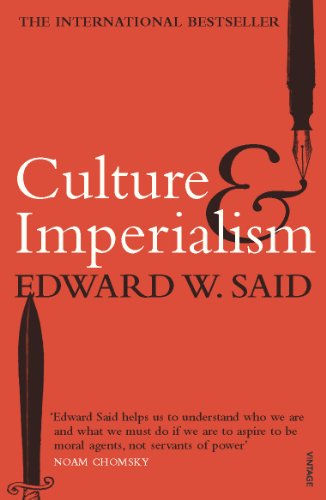
Looks at how novels and culture supported empire and how colonized peoples answered. Wide-ranging.
Best for: literature and empire.
7. Decolonising the Mind by Ngũgĩ wa Thiong'o
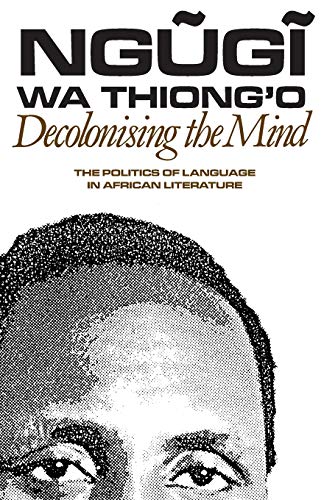
A Kenyan writer argues for using African languages in literature. Short and direct.
Best for: language and culture.
8. How Europe Underdeveloped Africa by Walter Rodney
Argues that colonialism drained Africa's resources. A classic of development economics.
Best for: economic history.
9. The Black Jacobins by C.L.R. James
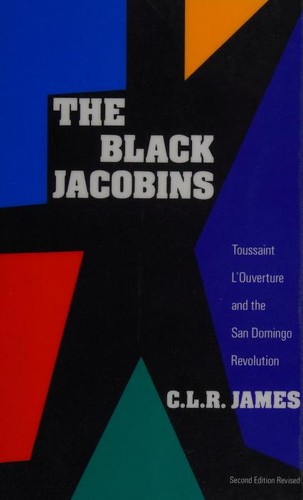
The story of the Haitian Revolution and Toussaint Louverture. Vivid and political.
Best for: revolutionary history.
10. Pedagogy of the Oppressed by Paulo Freire
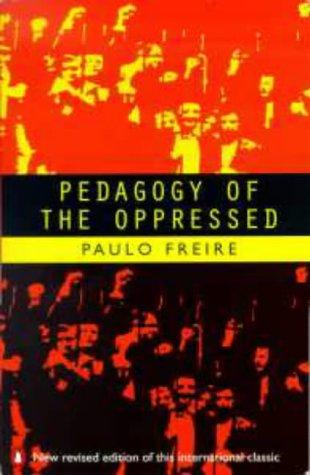
A Brazilian educator argues for teaching that frees people. Influential in education and politics.
Best for: education and liberation.
11. The Autobiography of Malcolm X by Malcolm X and Alex Haley
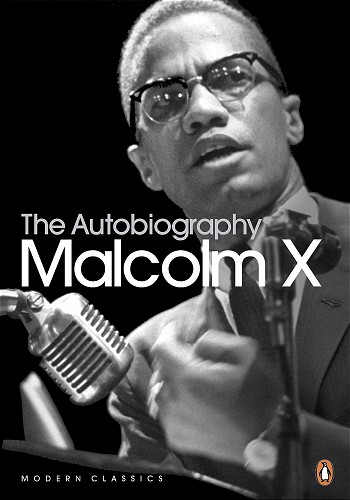
The life of the Black leader told in his own voice. Powerful and widely read.
Best for: first-person leadership.
12. The Souls of Black Folk by W.E.B. Du Bois

Essays on race and America, including the idea of double consciousness. Foundational and eloquent.
Best for: classic essays.
13. Open Veins of Latin America by Eduardo Galeano
Five centuries of Latin American resource extraction. Fiery and moving.
Best for: Latin America.
14. Things Fall Apart by Chinua Achebe
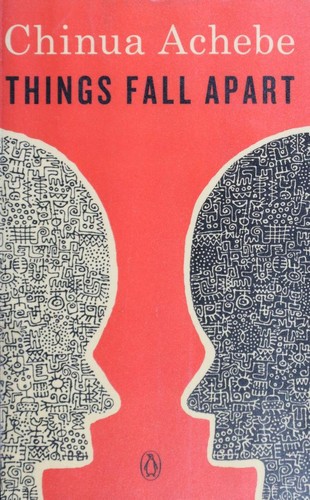
A Nigerian leader sees his village change with the arrival of colonizers. A short, classic novel.
Best for: the human story.
15. The Fire Next Time by James Baldwin
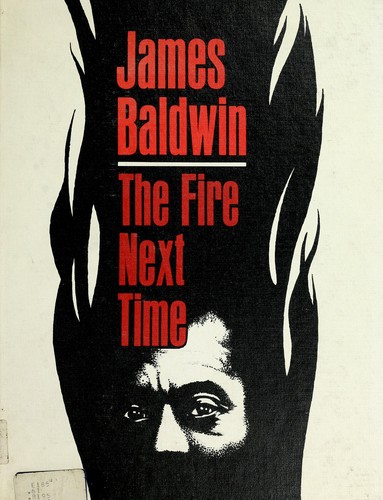
Two essays on race, faith and America. Brief, beautiful and angry.
Best for: literary essays.
How to Choose
For more Fanon, start with Black Skin, White Masks. For short polemic, Césaire. For theory, Said. For human drama, Things Fall Apart and The Black Jacobins. The Wretched of the Earth is dense, so read with a guide or a discussion group. Read one section at a time and talk with others if you can. Many university courses and reading groups use these books, and online lectures can help you place the arguments in context. If you are new to the subject, begin with a shorter text such as Discourse on Colonialism or Things Fall Apart.
Related: The Heaven and Earth Grocery Store Book Club Discussion Questions (With Summary and Themes) · 12 Dystopian Books Like the Hunger Games | Best Books to Read Like Hunger Games
Frequently Asked Questions
What is The Wretched of the Earth about?
It examines the psychology and politics of colonized people and argues that liberation often requires confrontation.
Who was Frantz Fanon?
A psychiatrist and revolutionary born in Martinique who worked in Algeria and supported its independence.
Is it a hard read?
Yes. It is dense, but chapters can be read separately.
Does it have a famous preface?
Yes. Jean-Paul Sartre wrote the preface, which is often discussed.
Where should I start with Fanon?
Many readers start with Black Skin, White Masks, which is more personal.
Why is The Wretched of the Earth controversial?
Fanon's chapter on violence has been read both as a call to arms and as an analysis of the psychology of colonial rule.
What is the book's main argument?
That colonial rule rests on violence and that liberation requires a deep change in society and in the self.
Who is it for?
Students of history, politics and literature, and anyone interested in decolonization.
When was it published?
It appeared in French in 1961, shortly before Fanon's death.
Is there an easier introduction to anticolonial thinking?
Things Fall Apart and Discourse on Colonialism are shorter and more approachable.
Does the book discuss Algeria?
Yes. Fanon wrote from his experience as a psychiatrist in Algeria during the war of independence.