
Disclosure: As an Amazon Associate, Bookish Wisdom earns from qualifying purchases. This doesn't change our picks or your price.
Quick answer: To write a book introduction, explain what the book is about, why it matters, who it is for and what readers will gain, then outline how the book is organized. In nonfiction, a strong introduction often opens with a story or surprising fact that shows the problem the book solves. Keep it focused, usually a few pages, so readers move quickly into chapter one.
Table of Contents
Key Facts
| Item | Detail |
|---|---|
| Purpose | Set up the book's topic and promise |
| Typical length | A few pages |
| Strong opening | A story, question or surprising fact |
| Key content | Why it matters, who it is for, what readers gain |
| Difference from a preface | The preface is about how the book was written |
How to Write a Strong Introduction
1. Open with a hook
Start with a vivid story, surprising statistic or provocative question that shows the problem your book addresses.
2. State the promise
Tell readers clearly what they will learn or be able to do by the end.
3. Explain why now
Show why the topic matters today.
4. Describe the reader
Make clear who the book is for, so the right readers feel seen.
5. Preview the structure
Briefly outline the main parts or chapters so readers know where the book is going.
6. Establish credibility
Mention your experience or research briefly, without turning the introduction into a résumé.
Common Introduction Mistakes
- Writing it first and never revising. Revise the introduction after finishing the book.
- Too much background. Keep it focused.
- No clear promise. Readers need to know the payoff.
- Confusing it with a preface. Keep personal backstory for the preface.
- Making it too long. Get to chapter one quickly.
Building a Writing Habit That Lasts
Most books are finished by people who write regularly, not by people who wait for inspiration. Pick a time you can protect, even if it is only twenty minutes, and treat it like an appointment. Keep a running document of ideas so you never start from a blank page. Set a small, measurable goal, such as three hundred words a session, and track it. When you get stuck, skip ahead to a scene or section you are excited about and come back later. Finally, separate drafting from editing: write the rough version first, and fix it afterward, because trying to do both at once slows most writers down.
It also helps to know who the book is for. Write a one-sentence description of your reader and keep it beside your desk. Every time you are unsure about a scene, a word or a chapter, ask whether it serves that reader. This simple check keeps a draft focused and makes later editing much easier.
Finally, ask for feedback early. A trusted reader, writing group or teacher can spot problems you are too close to see, and fixing them in an early draft is much easier than in a finished one.
Keep every draft. Saving old versions lets you experiment freely, because you can always go back if a change does not work.
Most importantly, enjoy the process. Writing a book is a long project, and the writers who finish are usually the ones who find something to love in the daily work.
Reading widely in the form you are writing is one of the best teachers. Notice how other writers open, structure and end their work, and borrow techniques that suit your own voice.
Set a realistic deadline for each stage, such as finishing the draft, completing revisions and getting feedback. Deadlines turn a large, vague goal into a series of manageable steps, and they make it easier to notice when you need to adjust your plan.
Helpful Books and Resources
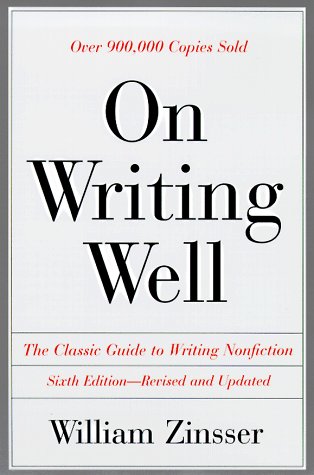
On Writing Well by William Zinsser
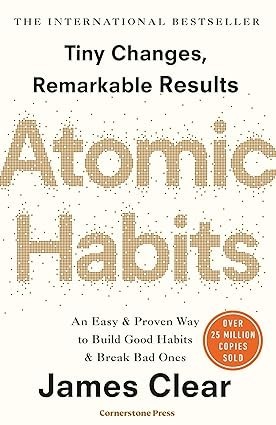
Atomic Habits by James Clear
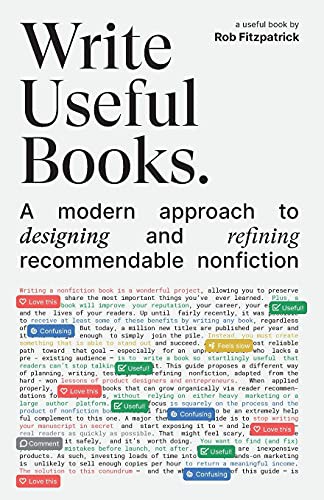
Write Useful Books by Rob Fitzpatrick
Related: Atomic Habits by James Clear: Summary and Key Takeaways · How to Write a Book Review
Frequently Asked Questions
What should a book introduction include?
The topic, why it matters, who it is for and what readers gain.
How long should an introduction be?
Usually a few pages.
Should I write it first or last?
Many authors finish it last.
What is the difference between an introduction and a preface?
A preface explains how the book came about.
Do novels have introductions?
Usually not, except special editions.
How do I hook readers?
Start with a story or surprising fact.
Should I outline the chapters?
A brief preview helps.
Can an introduction include my story?
Briefly, if it builds credibility.
What is a foreword?
A section written by someone else.
Should I use humor?
If it suits the book.
Do readers skip introductions?
Some do, so make yours engaging.
What books show good introductions?
Many popular nonfiction books, such as Atomic Habits, open strongly.
Is an introduction necessary?
Most nonfiction benefits from one.
How do I end an introduction?
Lead naturally into chapter one with a sense of momentum.
Should I mention my qualifications?
Briefly, if relevant.
Can I tell readers to skip chapters?
Some guides suggest reading paths for different needs.