
Disclosure: As an Amazon Associate, Bookish Wisdom earns from qualifying purchases. This doesn't change our picks or your price.
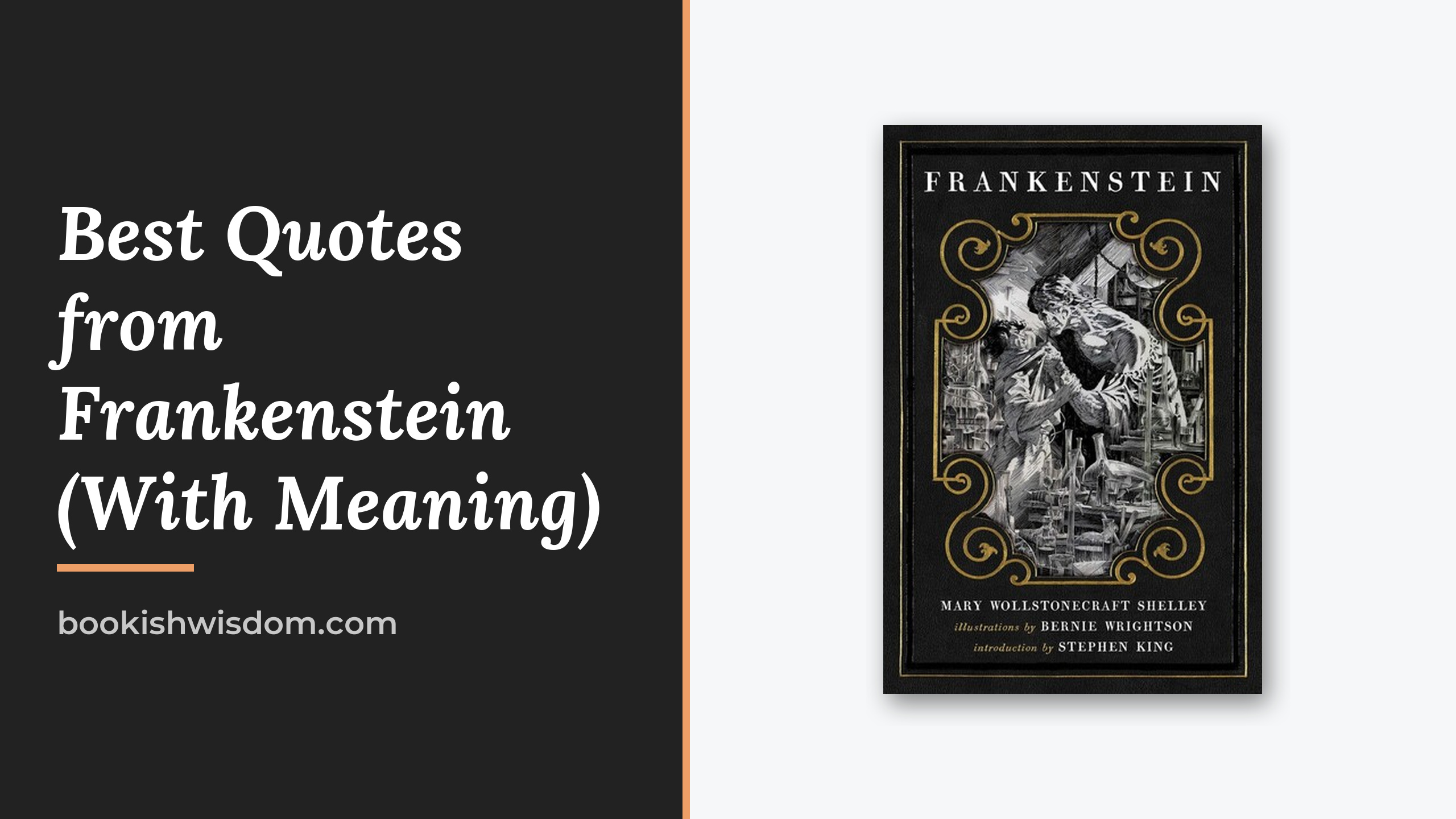
Quick answer: The best quotes from Frankenstein by Mary Shelley include “Beware; for I am fearless, and therefore powerful.” and “I was benevolent and good; misery made me a fiend.” Below are 6 of the most memorable lines, with who says them, where they come from and what they mean.
Quick facts
- Book: Frankenstein by Mary Shelley
- First published: 1818
- Quotes covered: 6
- Best for: essays, captions, book club talks and rereads
Table of Contents
What Frankenstein Is About
Young Swiss scientist Victor Frankenstein becomes obsessed with the secret of life and builds a creature from collected body parts. When the creature opens its eyes, Victor is horrified and runs away. Abandoned, the creature teaches itself to speak and read by secretly watching a family, but every human who sees it reacts with fear. Lonely and enraged, it turns on Victor's family and demands that he make it a companion. The story is told through letters from an Arctic explorer, Robert Walton, who meets Victor on the ice.
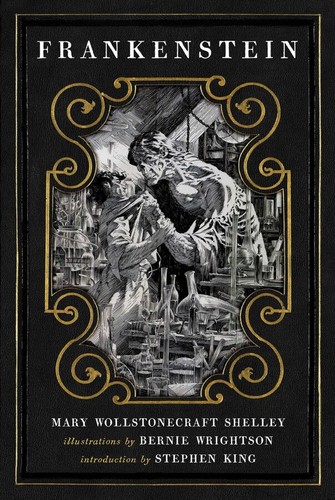
Check price of Frankenstein on Amazon
The Best Quotes from Frankenstein, Explained
1. “Beware; for I am fearless, and therefore powerful.”
The creature, warning Victor. This line shows how the creature's suffering has changed it. It has nothing left to lose, which makes it dangerous. Readers often quote it as a statement about the strength that comes from having no fear.
2. “I was benevolent and good; misery made me a fiend.”
The creature, explaining itself to Victor. This is the moral center of the book. The creature argues that it was not born evil but made cruel by rejection and loneliness. Shelley asks readers to consider how society creates its own monsters.
3. “Nothing is so painful to the human mind as a great and sudden change.”
Victor, reflecting on his life. Victor describes the shock of losing everything he cared about. The line fits many moments in the novel, from the creature's birth to the deaths that follow it.
4. “If I cannot inspire love, I will cause fear!”
The creature, after Victor refuses to make a companion. This line shows the creature's turn from hope to revenge. It wanted love more than anything, and when that is denied it chooses the only power left to it.
5. “Learn from me, if not by my precepts, at least by my example, how dangerous is the acquirement of knowledge.”
Victor, warning Walton. Victor tells his story as a warning to the ambitious explorer. The book is often read as an early warning about science that races ahead of responsibility.
6. “I shall be with you on your wedding-night.”
The creature's threat to Victor. This chilling promise hangs over the rest of the novel. Victor misunderstands it, thinking the creature will attack him, which leads to a terrible mistake.
Why These Lines Stay With Readers
Mary Shelley was eighteen when she began the novel, and its questions about creation, responsibility and loneliness still feel current. These lines last because the creature is not just a monster but a voice asking to be understood. The novel's full title is Frankenstein; or, The Modern Prometheus, and readers often notice that the creature is never given a name, which is why many people wrongly call it Frankenstein. Shelley's story began as an entry in a ghost-story contest with Lord Byron and Percy Shelley at Lake Geneva in 1816.
How to Use These Quotes
- In an essay: introduce the quote, give its context in one sentence, then explain how it supports your point.
- For a book club: read one line aloud and ask whether everyone agrees with the speaker.
- For a caption or card: pick a short line and credit Mary Shelley and Frankenstein.
- For a reread: look for the moment each line appears and notice what changes around it.
Discussion Questions
- Which quote above best sums up Frankenstein for you, and why?
- Do any of these lines mean something different once you know how the book ends?
- Which quote would you disagree with, and what would you say back?
If You Love the Writing in Frankenstein
- Dr Jekyll and Mr Hyde by Robert Louis Stevenson
- Never Let Me Go by Kazuo Ishiguro
Related: Frankenstein by Mary Shelley: Summary and Key Takeaways · Themes in Frankenstein Explained
Frequently Asked Questions
What is the most famous quote from Frankenstein?
One of the best-known lines is “Beware; for I am fearless, and therefore powerful.” (the creature, warning Victor).
Who wrote Frankenstein?
Frankenstein was written by Mary Shelley and first published in 1818.
Can I use quotes from Frankenstein in an essay?
Yes. Short quotations with clear credit to Mary Shelley are standard in essays and reviews. Always explain the quote in your own words.
What should I read after Frankenstein?
Try Dr Jekyll and Mr Hyde by Robert Louis Stevenson or Never Let Me Go by Kazuo Ishiguro.