
Disclosure: As an Amazon Associate, Bookish Wisdom earns from qualifying purchases. This doesn't change our picks or your price.
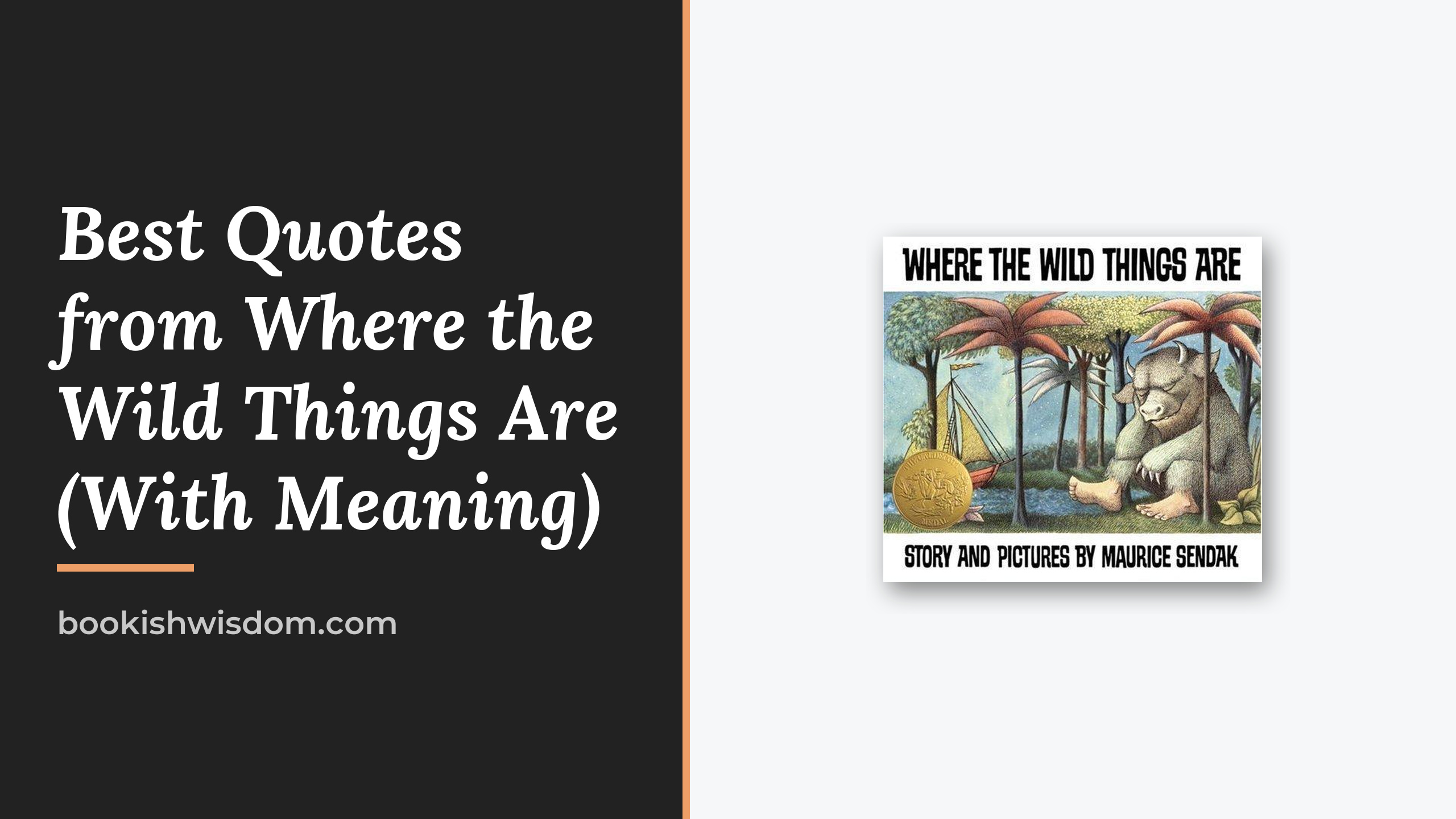
Quick answer: The best quotes from Where the Wild Things Are by Maurice Sendak include “The night Max wore his wolf suit and made mischief of one kind and another his mother called him WILD THING! and Max said I'LL EAT YOU UP! so he was sent to bed without eating anything.” and “And Max, the king of all wild things, was lonely and wanted to be where someone loved him best of all.” Below are 6 of the most memorable lines, with who says them, where they come from and what they mean.
Quick facts
- Book: Where the Wild Things Are by Maurice Sendak
- First published: 1963
- Quotes covered: 6
- Best for: essays, captions, book club talks and rereads
Table of Contents
What Where the Wild Things Are Is About
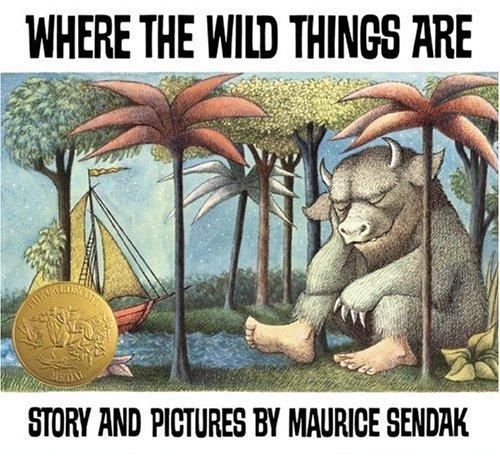
One night a boy named Max puts on his wolf suit and makes mischief, so his mother sends him to bed without supper. In his room a forest grows, and Max sails away to the land where the wild things are. The monsters roar and gnash their teeth, but Max tames them and is made king. After a wild rumpus, he feels lonely and sails home, where his supper is waiting. The picture book won the Caldecott Medal.
Check price of Where the Wild Things Are on Amazon
The Best Quotes from Where the Wild Things Are, Explained
1. “The night Max wore his wolf suit and made mischief of one kind and another his mother called him WILD THING! and Max said I'LL EAT YOU UP! so he was sent to bed without eating anything.”
The opening. The book starts with a child's anger. Sendak takes Max's feelings seriously, which was unusual in children's books at the time.
2. “And Max, the king of all wild things, was lonely and wanted to be where someone loved him best of all.”
The turning point. Even as king, Max misses home. The line shows that adventure is exciting, but love is what children need most.
3. “Let the wild rumpus start!”
Max, ordering the celebration. The wild rumpus is a wordless spread of pictures. The phrase has become a joyful call for fun and play.
4. “And tamed them with the magic trick of staring into all their yellow eyes without blinking once.”
How Max tames the monsters. Max controls the wild things the way a child might learn to control strong feelings. The image is powerful and funny.
5. “Oh please don't go—we'll eat you up—we love you so!”
The wild things, as Max leaves. The monsters echo Max's own threat from the beginning, showing that wild feelings and love can go together.
6. “And it was still hot.”
The final words. Max's supper is waiting for him. The quiet ending reassures children that love is always there.
Why These Lines Stay With Readers
Where the Wild Things Are is short, but each line is chosen carefully. Its words about anger, imagination and coming home make it one of the most loved picture books of all time.
How to Use These Quotes
- In an essay: introduce the quote, give its context in one sentence, then explain how it supports your point.
- For a book club: read one line aloud and ask whether everyone agrees with the speaker.
- For a caption or card: pick a short line and credit Maurice Sendak and Where the Wild Things Are.
- For a reread: look for the moment each line appears and notice what changes around it.
Discussion Questions
- Which quote above best sums up Where the Wild Things Are for you, and why?
- Do any of these lines mean something different once you know how the book ends?
- Which quote would you disagree with, and what would you say back?
If You Love the Writing in Where the Wild Things Are
- In the Night Kitchen by Maurice Sendak
- The Very Hungry Caterpillar by Eric Carle
Related: Where the Wild Things Are by Maurice Sendak: Summary and Key Takeaways · Themes in Where the Wild Things Are Explained
Frequently Asked Questions
What is the most famous quote from Where the Wild Things Are?
One of the best-known lines is “The night Max wore his wolf suit and made mischief of one kind and another his mother called him WILD THING! and Max said I'LL EAT YOU UP! so he was sent to bed without eating anything.” (the opening).
Who wrote Where the Wild Things Are?
Where the Wild Things Are was written by Maurice Sendak and first published in 1963.
Can I use quotes from Where the Wild Things Are in an essay?
Yes. Short quotations with clear credit to Maurice Sendak are standard in essays and reviews. Always explain the quote in your own words.
What should I read after Where the Wild Things Are?
Try In the Night Kitchen by Maurice Sendak or The Very Hungry Caterpillar by Eric Carle.