
Disclosure: As an Amazon Associate, Bookish Wisdom earns from qualifying purchases. This doesn't change our picks or your price.
TL;DR: An unnamed narrator, whose gender is never revealed, has had many affairs with married women. Then the narrator falls deeply in love with Louise, who is married to a cold doctor named Elgin. When Louise is diagnosed with leukemia, Elgin says he can get her the best treatment only if the narrator leaves. The narrator agrees and then spends months mourning and writing about Louise's body.
Table of Contents
Written on the Body at a Glance
| Author | Jeanette Winterson |
| First published | 1992 |
| Type | Literary fiction |
| Best for | readers who want a lyrical, experimental love story about desire and loss |
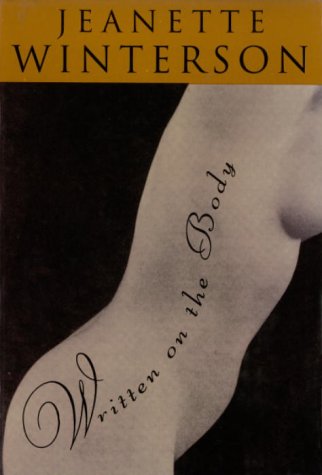
Written on the Body is a novel by Jeanette Winterson, published in 1992. It is famous for never revealing the narrator's name or gender. Below you will find a part-by-part summary, five key takeaways, ideas worth remembering and a note on who will enjoy it.
Content note: Includes illness, infidelity and sexual content.
Main Characters
- The narrator: An unnamed lover who tells the story.
- Louise: The narrator's great love.
- Elgin: Louise's husband, a cancer researcher.
- Jacqueline: A former partner of the narrator.
- Gail Right: A woman the narrator meets in exile.
What Happens, Part by Part (Contains Spoilers)
A history of lovers
The narrator looks back on many past relationships, often with married women, and with humor and regret. They have been unfaithful and careless. They are living with Jacqueline, a kind zoo worker, when they meet Louise, a striking Australian woman married to Elgin.
Louise
The narrator and Louise fall passionately in love. Louise leaves Elgin, and they live together. The narrator feels that this love is different from all others. The writing describes the joy of everyday moments and the intensity of physical desire.
The diagnosis
Elgin tells the narrator that Louise has chronic lymphocytic leukemia. He says he can arrange the best care in Switzerland, but only if Louise returns to him. Believing Louise will not agree to leave, the narrator decides to disappear for her sake, without telling her.
An anatomy of love
Living alone in a rural cottage, the narrator works in a wine bar and studies medical books about the body. In a long, poetic section, the narrator writes about Louise's body part by part, using the language of anatomy to express love, grief and memory. They become friends with Gail Right, who later tells them they made a mistake.
The return
Realizing that leaving was wrong, the narrator returns to London to find Louise. She has disappeared, and no one knows where she is. Searching fails. In the final scene, the narrator is back at the cottage, and Louise seems to appear at the door. The ending leaves it unclear whether she is real or imagined.
5 Key Takeaways
- Love can be both joyful and destructive.
- Choices made “for someone else” can be wrong.
- Language can express what is hard to say.
- The body holds memories.
- Gender does not define love.
Ideas Worth Remembering
These are paraphrased, not direct quotes:
- Real love involves honesty and asking, not deciding for others.
- Grief can sharpen our attention to beauty.
- Readers bring their own assumptions to stories.
Who Should Read Written on the Body?
Read Written on the Body if you enjoy lyrical, experimental fiction and stories about love and loss. It suits adults.
About Jeanette Winterson
Jeanette Winterson (born 1959) is an English writer whose first novel, Oranges Are Not the Only Fruit, won the Whitbread Prize for a first novel. Her other books include The Passion, Sexing the Cherry, The Stone Gods and the memoir Why Be Happy When You Could Be Normal? She is known for experimental styles and themes of love and identity.
Questions to Think About After Reading
These prompts work for solo reading, a book club or a classroom discussion of Written on the Body:
- Why does Winterson keep the narrator's gender hidden?
- Was the narrator right to leave Louise?
- Is Louise real in the final scene?
How to Use This Summary
Use this page as a quick reference before a book club meeting, an exam, or a decision about whether Written on the Body is worth your time. The takeaways are written to stand on their own. If a point interests you, go back to the book for the author's full story, characters and style, which no short summary can replace.
A Note on Accuracy and Spoilers
This summary is based on the published text of Written on the Body, not on any film, series or stage adaptation, which often change the story. Details are kept at the level of the main events so that nothing is invented. Editions differ slightly in length and wording, so page numbers and small details may vary between copies.
Should You Read the Book?
Yes. It is short and poetic, and its open questions stay with readers.
Check price of Written on the Body on Amazon
What to Read Next
- The Passion by Jeanette Winterson: a lyrical tale of love and war
- Giovanni's Room by James Baldwin: an intense, tragic love story
- Bluets by Maggie Nelson: a poetic meditation on love and loss
Related: 15 Books Like Written on the Body You’ll Love · Oranges Are Not the Only Fruit by Jeanette Winterson: Summary and Key Takeaways
Frequently Asked Questions
What is Written on the Body about?
An unnamed narrator falls in love with a married woman who becomes ill.
Who wrote it?
Jeanette Winterson, in 1992.
Is the narrator male or female?
The book never says.
Who is Louise?
The narrator's lover, who has leukemia.
Who is Elgin?
Louise's husband, a doctor.
Why does the narrator leave?
To let Elgin arrange Louise's treatment.
Does the narrator find Louise?
The ending is ambiguous.
Is it experimental?
Yes, especially the anatomy section.
What age is it for?
Adults.
How long is it?
About 190 pages.
Is it a love story?
Yes, an intense and unusual one.
Is it hard to read?
It is poetic but short.
Is Written on the Body a good first Winterson book?
It works well, but some readers start with Oranges Are Not the Only Fruit.
Is Written on the Body worth reading?
It depends on what you want. The book is best for readers who want a lyrical, experimental love story about desire and loss. If that describes you, it is likely a good fit. If not, the titles under What to Read Next may suit you better.