
Disclosure: As an Amazon Associate, Bookish Wisdom earns from qualifying purchases. This doesn’t change our picks or your price.
Quick answer: The best biographies of all time include Steve Jobs, Long Walk to Freedom, The Autobiography of Malcolm X, Alexander Hamilton, Born a Crime and Educated. Start with Steve Jobs or Born a Crime for accessible modern lives, and Long Walk to Freedom for a towering memoir.
A good biography lets you spend time in another person’s mind: their ambitions, mistakes, luck and stubbornness. The best ones read like novels but are grounded in research, letters and interviews. This list gathers fifteen of the best biographies and autobiographies, covering leaders, inventors, scientists, athletes and writers from different eras. Some, like Walter Isaacson’s, are readable and fast, while others, like Ron Chernow’s, are monumental. A few are memoirs written by the subject, which offer intimacy but also self-presentation. Whatever your interest, a well-told life can teach you about courage, failure, creativity and how history looks from the inside.
Table of Contents
Quick Picks at a Glance
| Book | Author | Field | Best For |
|---|---|---|---|
| Steve Jobs | Walter Isaacson | Technology | readers who like business stories |
| Long Walk to Freedom | Nelson Mandela | Autobiography | readers who want a historic memoir |
| The Autobiography of Malcolm X | Malcolm X and Alex Haley | Autobiography | readers interested in civil rights |
| Alexander Hamilton | Ron Chernow | Political biography | history lovers |
| Born a Crime | Trevor Noah | Memoir | readers who want humor and heart |
| Educated | Tara Westover | Memoir | readers who love resilience stories |
| Leonardo da Vinci | Walter Isaacson | Art and science | curious readers |
| Team of Rivals | Doris Kearns Goodwin | Political biography | history fans |
| Unbroken | Laura Hillenbrand | Adventure biography | readers who like survival stories |
| The Immortal Life of Henrietta Lacks | Rebecca Skloot | Science and ethics | readers who like medical stories |
| Churchill: Walking with Destiny | Andrew Roberts | Political biography | readers interested in WWII |
| Catherine the Great | Robert K. Massie | Royal biography | readers who love royalty |
| Becoming | Michelle Obama | Memoir | readers who like candid stories |
| Einstein: His Life and Universe | Walter Isaacson | Science | readers curious about physics |
| Madame Curie | Eve Curie | Science | readers who like classic biographies |
1. Steve Jobs by Walter Isaacson
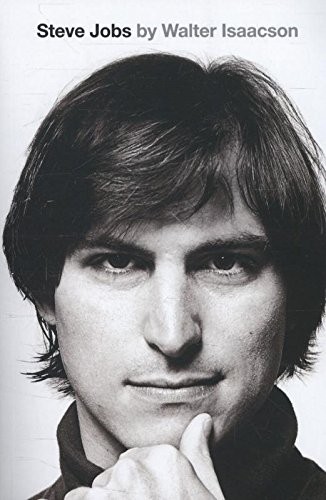
Based on more than forty interviews with Jobs, this biography shows his brilliance and difficult personality. Fast, comprehensive and widely read.
Best for: readers who like business stories.
2. Long Walk to Freedom by Nelson Mandela
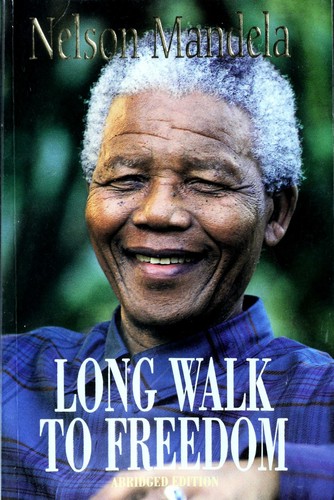
Mandela describes his childhood, activism, prison years and presidency. A monumental account of struggle and reconciliation.
Best for: readers who want a historic memoir.
3. The Autobiography of Malcolm X by Malcolm X and Alex Haley
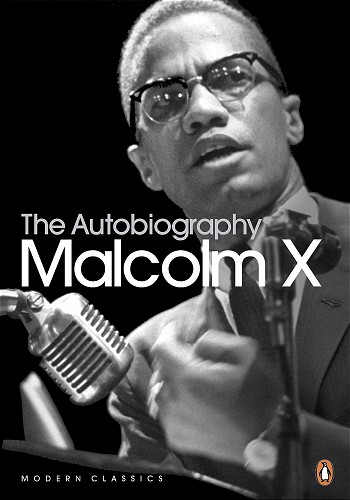
Malcolm X tells his story from hardship to leadership and transformation. Powerful and complex. Content note: racism, violence and crime.
Best for: readers interested in civil rights.
4. Alexander Hamilton by Ron Chernow
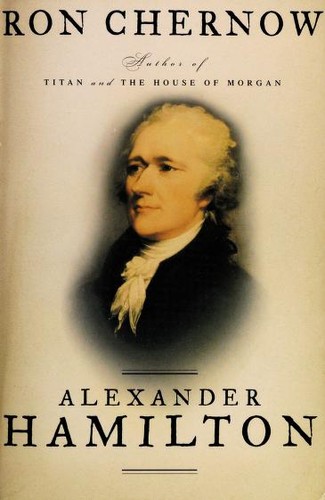
Chernow’s detailed biography inspired the musical Hamilton. Long but gripping, with insight into the founding era.
Best for: history lovers.
5. Born a Crime by Trevor Noah
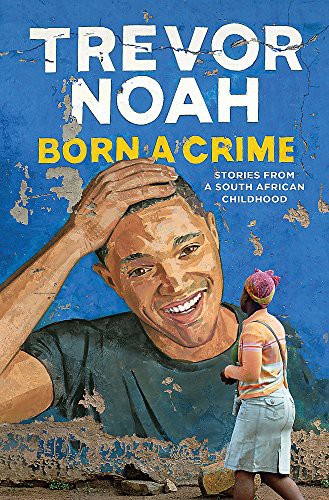
Noah recounts growing up mixed-race in apartheid South Africa with humor and affection. Funny, moving and informative. Content note: violence and abuse.
Best for: readers who want humor and heart.
6. Educated by Tara Westover
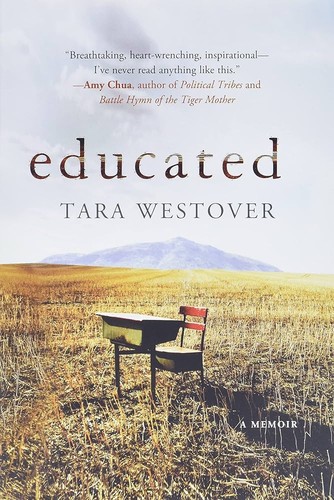
Westover describes growing up in an isolated survivalist family and finding education. Gripping and intense. Content note: abuse and violence.
Best for: readers who love resilience stories.
7. Leonardo da Vinci by Walter Isaacson
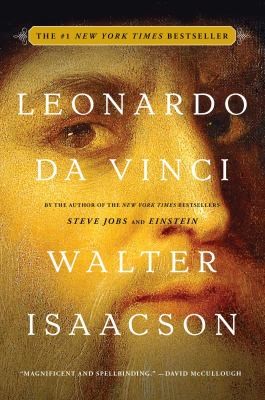
Isaacson uses Leonardo’s notebooks to show how curiosity linked art and science. Lavishly illustrated.
Best for: curious readers.
8. Team of Rivals by Doris Kearns Goodwin
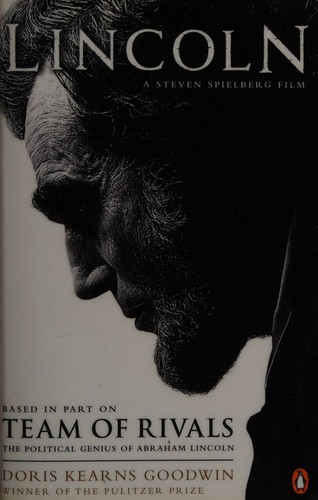
Examines Lincoln’s cabinet of rivals and his leadership. Engaging and richly detailed.
Best for: history fans.
9. Unbroken by Laura Hillenbrand
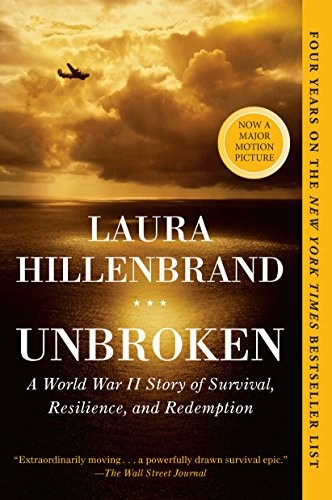
Louis Zamperini’s life as an Olympian, airman and prisoner of war. Thrilling and inspiring. Content note: war violence and torture.
Best for: readers who like survival stories.
10. The Immortal Life of Henrietta Lacks by Rebecca Skloot
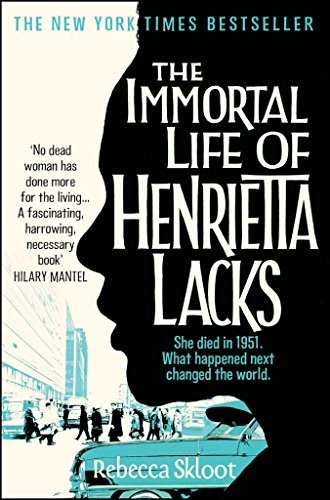
Tells the story of the woman whose cells were used in research without consent. Thoughtful and investigative.
Best for: readers who like medical stories.
11. Churchill: Walking with Destiny by Andrew Roberts
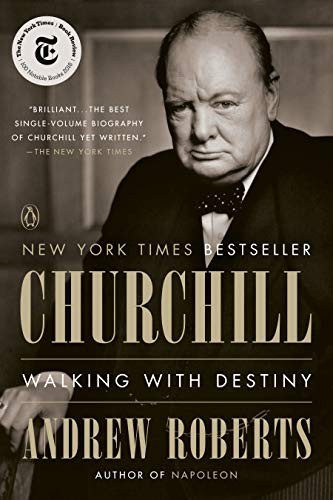
Roberts’s biography uses new sources to portray Churchill’s strengths and flaws. Large but readable.
Best for: readers interested in WWII.
12. Catherine the Great by Robert K. Massie
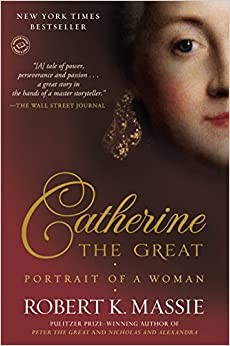
Massie follows the German princess who became Russia’s empress. Elegant and absorbing.
Best for: readers who love royalty.
13. Becoming by Michelle Obama
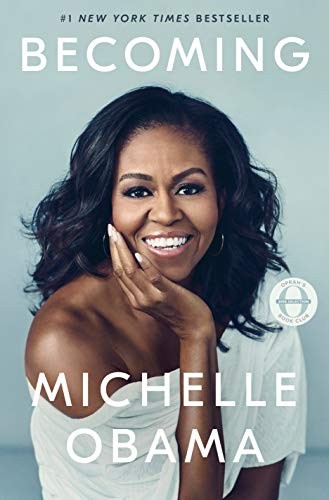
Obama writes about her life in Chicago, her career and the White House. Warm and honest.
Best for: readers who like candid stories.
14. Einstein: His Life and Universe by Walter Isaacson
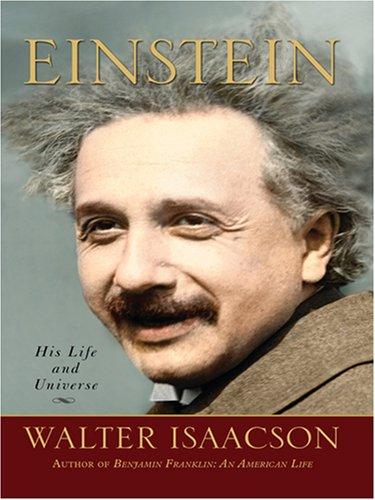
Isaacson shows Einstein’s creativity and rebelliousness with accessible explanations of his ideas.
Best for: readers curious about physics.
15. Madame Curie by Eve Curie
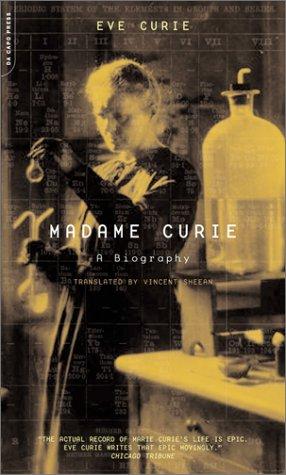
Written by her daughter, it tells the life of Marie Curie with love and detail. A little dated but moving.
Best for: readers who like classic biographies.
How to Choose the Right Book on Biographies
Pick a person whose field you already enjoy. If you like technology and science, try Steve Jobs, Einstein and Leonardo da Vinci. If you like politics and history, Alexander Hamilton, Team of Rivals and Churchill are rich. For memoirs of resilience, Long Walk to Freedom, Born a Crime and Educated are powerful. For narrative drive, Unbroken and The Immortal Life of Henrietta Lacks read like thrillers. Long biographies reward patience, so consider audiobooks for the biggest ones.
Which Book Should You Start With? A Quick Guide
If you are not sure where to begin, match your situation to the list below.
- Readers who like business stories: Steve Jobs
- Readers who want a historic memoir: Long Walk to Freedom
- Readers interested in civil rights: The Autobiography of Malcolm X
- History lovers: Alexander Hamilton
- Readers who want humor and heart: Born a Crime
- Readers who love resilience stories: Educated
- Curious readers: Leonardo da Vinci
- History fans: Team of Rivals
- Readers who like survival stories: Unbroken
- Readers who like medical stories: The Immortal Life of Henrietta Lacks
- Readers interested in WWII: Churchill: Walking with Destiny
- Readers who love royalty: Catherine the Great
- Readers who like candid stories: Becoming
- Readers curious about physics: Einstein: His Life and Universe
- Readers who like classic biographies: Madame Curie
A Simple Reading Plan
Treat this list as a menu, not an assignment. Start with Steve Jobs, because it gives you a clear overview of biographies without demanding much from you. Read in short sessions and underline or note the passages that make you stop. After a week or two, move to Long Walk to Freedom for a different angle, then The Autobiography of Malcolm X when you want more depth. Spacing the books out gives the ideas time to settle, and applying one small idea per week is worth more than rushing through the whole shelf. Revisit your notes at the end of each month to see what has actually changed.
Print, E-Book or Audiobook?
Format matters more than people expect. If you tend to forget what you read, choose print or an e-book so you can underline and review. If your time is limited, audiobooks fit into the gaps of your day. For a topic like biographies, short chapters are an advantage, since you can finish one in a single sitting and think about it afterward. Libraries lend e-books and audiobooks free, and many offer print copies of new releases through holds. Try one format for a week and switch if it is not working.
How to Get More From What You Read
Reading about biographies only helps if something changes afterward, so build a small habit around it. Keep a notebook or a notes app, and after each chapter write one sentence about what stood out and one action you could take. Choose a single idea per week to test, such as a new routine, a conversation or a different way of thinking. Discuss what you are reading with a friend, a partner or an online group, since explaining an idea out loud makes it stick. Review your notes monthly and drop anything that did not help. The aim is progress you can notice, not a long reading list.
Reading on a Budget
Good books on biographies are easier to afford than most people think. Library cards open up print, e-book and audiobook borrowing, and interlibrary loan can find titles your branch does not own. Used copies cost a fraction of new ones, and many of the classics are inexpensive in paperback. Try a sample chapter online to see whether an author’s voice suits you before you commit. If you finish a book you love, consider passing it to a friend, which keeps the ideas moving and your shelf uncluttered.
Talk About What You Read
Ideas stick when you talk about them. Choose one book from this list and invite a friend, partner or colleague to read it with you, then meet for coffee to compare notes on biographies. Online communities and library groups also host discussions, and many of these books have free reading guides. If you prefer privacy, a journal works well: write a paragraph after each chapter on what you agree with, what you doubt and what you will try. Teaching an idea to someone else is one of the best ways to learn it, so explain what you read in your own words.
Common Mistakes to Avoid
A few pitfalls are worth avoiding. Do not buy a dozen books on biographies in one go; borrow one, finish it and then decide what to read next. Do not expect a single book to transform your life overnight, since the best ones work through small, repeated actions. Be cautious of any author who promises guaranteed results, and check an author’s credentials and sources. Finally, do not use reading as a way of avoiding action. If you notice yourself finishing book after book without changing anything, pick one idea and practice it this week.
How to Judge a Book on Biographies
Not every book on biographies is equally reliable. Before you trust one, check the author’s background: are they a researcher, clinician, journalist or someone writing from lived experience? Each can be valuable, but they offer different things. Look for notes and references at the back, which show the claims can be checked. Be wary of books that promise a quick fix, rely on a single story or dismiss all other views. Read a few reviews from people with different perspectives, and treat bold claims as hypotheses to test in your own life. A good book invites questions instead of demanding agreement.
When Reading Is Not Enough
Reading can illuminate and encourage, yet some situations need more than a book. If you notice that your struggles with biographies are getting worse, lasting a long time or affecting your health, reach out to a professional you trust. Local libraries, community centers and workplaces often offer free resources, classes or referrals. Sharing what you are reading with a friend can open the door to a supportive conversation. Use these books as companions on the journey, and let real people walk it with you.
Questions to Reflect On
Keep these in a notebook and return to them after each book:
- What do I most want to understand or change about {t}?
- Which idea from my reading feels true for me, and which do I doubt?
- What is one small action I can take this week?
- Who could I talk to about what I am learning?
- How will I know in a month that this reading helped?
Tips for Reading About Biographies
- Pick a subject you enjoy. Interest keeps you reading.
- Mix memoir and biography. Compare self-image and outside view.
- Use audiobooks. Long books move faster in audio.
- Check sources. Look for notes and bibliographies.
- Read critically. Biographers have perspectives too.
Related: 15 Best Books on Ancient History and 15 Best Books on the Ming Dynasty.
Frequently Asked Questions
What are the best biographies of all time?
Steve Jobs, Long Walk to Freedom and Alexander Hamilton often appear on lists.
What is the difference between a biography and a memoir?
A biography is written by someone else, while a memoir is the author’s own story.
Which biography is best for beginners?
Born a Crime and Steve Jobs are accessible and engaging.
How many books on biographies should I read at once?
One or two at a time is plenty. Finish a book, try one idea from it and then move on, so what you read turns into something you do.
Are these books on biographies available as audiobooks?
Most of them are. Check your library’s app, such as Libby, or an audiobook service, and listen to a sample to see whether the narrator suits you.