
Disclosure: As an Amazon Associate, Bookish Wisdom earns from qualifying purchases. This doesn't change our picks or your price.
TL;DR: In 1949, sixteen-year-old John Grady Cole, who has lost the family ranch in Texas, rides into Mexico with a friend. They find work on a large ranch, but a love affair with the owner's daughter leads to prison, violence and a hard lesson about the world.
Table of Contents
All the Pretty Horses at a Glance
| Author | Cormac McCarthy |
| First published | 1992 |
| Type | Western / literary fiction |
| Best for | readers who like literary Westerns and lyrical prose |
All the Pretty Horses is a novel by Cormac McCarthy, first published in 1992. It is the first book in the Border Trilogy and won the National Book Award. McCarthy uses sparse punctuation and long, flowing sentences. Below you will find a part-by-part summary, five key takeaways, a few ideas worth remembering and a note on who will enjoy it most. The part-by-part section gives away the plot, including the ending, so skip it if you have not read the book yet.
Content note: Contains graphic violence and brutal prison scenes.
What Happens, Part by Part (Contains Spoilers)
The end of a way of life
John Grady's grandfather has died, and his mother plans to sell the ranch. Unable to stop it, he decides to leave for Mexico with his friend Lacey Rawlins.
The road south
The two ride across the border, meet a younger boy, Jimmy Blevins, who joins them, and trouble soon follows when Blevins's horse and gun bring problems.
The hacienda
John Grady and Rawlins find work on a large ranch. John Grady shows a gift for horses and impresses the owner. He falls in love with the owner's daughter, Alejandra.
Discovery
The love affair is found out by Alejandra's powerful great-aunt, and the boys are arrested on false charges, then thrown into a harsh prison.
Survival
Inside prison, John Grady must survive violence and fear. The story is stark and shows the harshness of the world he has entered.
Return
After release, John Grady tries to set things right and return home. The book ends with a sense of loss and of a changed man.
5 Key Takeaways
- Innocence is easily lost.
- Honor and loyalty matter, but they do not guarantee protection.
- The world does not follow the codes we expect it to.
- Love can be both a gift and a danger.
- A way of life can disappear while a person is trying to hold on to it.
Ideas Worth Remembering
These are paraphrased, not direct quotes:
- The landscape is as important as the characters.
- McCarthy's style is spare in dialogue and rich in description.
- The book is a coming-of-age story in a Western setting.
Who Should Read All the Pretty Horses?
Read it if you enjoy literary fiction and do not mind violence. The prose is demanding but rewarding.
Questions to Think About After Reading
These prompts work for solo reading, a book club or a classroom discussion of All the Pretty Horses:
- Which character did you understand best, and what did the author do to make you feel that way?
- Which scene would you change, and what would that do to the ending?
- What does the book say about its main theme that you agree or disagree with?
Quick Facts to Remember
- Book: All the Pretty Horses by Cormac McCarthy (1992)
- Type: Western / literary fiction
- Best for: readers who like literary Westerns and lyrical prose
- Main idea in one line: Innocence is easily lost.
Reading Time and Format
Novels differ a lot in length and pace, so check the page count of your edition before you start. If you prefer to listen, many public libraries lend audiobooks through free apps, and a narrated edition can suit a long novel well. Whichever format you choose, a library copy is a low-cost way to try the book before you buy, and used or digital editions are often cheaper than new print copies.
How to Use This Summary
Use this page as a quick reference before a book club meeting, an exam, or a decision about whether All the Pretty Horses is worth your time. The takeaways are written to stand on their own. If a point interests you, go back to the book for the author's full argument, examples and style, which no short summary can carry.
A simple way to get the most from it: first read the TL;DR and the takeaways to decide if the book fits your interests, then read the part-by-part section for the structure, and finally write down one idea you want to remember or one question you want answered by the full text.
A Note on Accuracy and Spoilers
This summary is based on the published text of All the Pretty Horses, not on any film, series or stage adaptation, which often change the story. Details are kept at the level of the main events so that nothing is invented. Editions differ slightly in length and wording, so page numbers and small details may vary from your copy.
Should You Read the Book?
If you plan to read it, set aside a few evenings and read the opening chapters before you decide. A summary tells you what happens, but the voice and pacing are what make a novel work or not. If you are still unsure, read a free sample or the first chapter, because the opening pages usually show whether the voice and subject suit you. Reviews from readers with tastes like yours can help too, but your own reaction to a few pages is the best test.
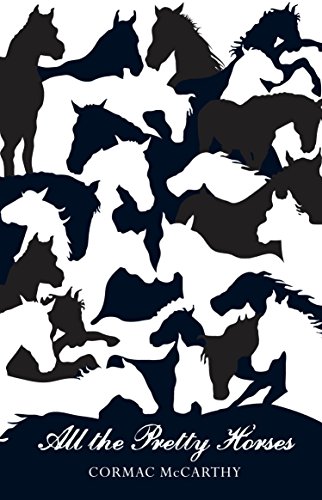
Check price of All the Pretty Horses on Amazon
What to Read Next
- The Crossing by Cormac McCarthy: the second Border Trilogy book
- Blood Meridian by Cormac McCarthy: a dark Western
- Lonesome Dove by Larry McMurtry: an epic Western of a cattle drive
Related: No Country for Old Men by Cormac McCarthy: Summary and Key Takeaways
Frequently Asked Questions
Is All the Pretty Horses a series?
It is the first of the Border Trilogy.
Is there a movie?
Yes. A 2000 film starring Matt Damon.
Is it hard to read?
The style is unusual, but many readers find it flows once they adjust.
Is All the Pretty Horses worth reading?
It depends on what you want. The book is best for readers who like literary Westerns and lyrical prose. If that describes you, it is likely a good fit. If not, the titles under What to Read Next may suit you better.
Can this summary replace reading All the Pretty Horses?
No. A summary covers the main events and ideas, but it cannot carry the author's voice, detail or pacing. Use it to decide whether to read the book, to refresh your memory or to prepare for a discussion.