
Disclosure: As an Amazon Associate, Bookish Wisdom earns from qualifying purchases. This doesn’t change our picks or your price.
Quick answer: These 15 adventure books suit middle schoolers (ages 10–13). Start with Treasure Island, Journey to the Center of the Earth, Swallows and Amazons, Peter Pan, The Adventures of Tom Sawyer or The Explorer. Each pick below has a short blurb, an age range and a content note where it matters.
Adventure stories give middle schoolers courage by proxy. They sail with pirates, tunnel beneath New York, survive crashes and outsmart villains, all without leaving the couch. Fast pacing and strong stakes make adventure novels a favorite for reluctant readers, and many include teamwork, resourcefulness and humor. This list includes enduring classics and modern page-turners, mostly for ages 10 to 13. Some include mild peril or battles, and we note them. Pick one for a family read-aloud or hand a copy to a child who says they hate reading, and watch how quickly the chapters go.
Table of Contents
Quick Picks at a Glance
| Book | Author | Ages | Best For |
|---|---|---|---|
| Treasure Island | Robert Louis Stevenson | 10–14 | classic pirate fans |
| Journey to the Center of the Earth | Jules Verne | 10–14 | science adventure lovers |
| Swallows and Amazons | Arthur Ransome | 9–12 | outdoor adventurers |
| Peter Pan | J.M. Barrie | 8–12 | classic fantasy fans |
| The Adventures of Tom Sawyer | Mark Twain | 10–14 | classic humor fans |
| The Explorer | Katherine Rundell | 9–13 | jungle adventure fans |
| Gregor the Overlander | Suzanne Collins | 9–13 | underground-world fans |
| The Ruins of Gorlan | John Flanagan | 10–14 | medieval adventure fans |
| Stormbreaker | Anthony Horowitz | 10–14 | spy fans |
| Journey to the River Sea | Eva Ibbotson | 9–12 | gentle explorers |
| The Last Kids on Earth | Max Brallier | 8–12 | funny monster fans |
| Twenty Thousand Leagues Under the Sea | Jules Verne | 11–14 | submarine fans |
| Shackleton’s Journey | William Grill | 8–12 | true-adventure fans |
| The Lost World | Arthur Conan Doyle | 11–14 | dinosaur fans |
| The Eagle of the Ninth | Rosemary Sutcliff | 11–14 | history adventure fans |
1. Treasure Island by Robert Louis Stevenson
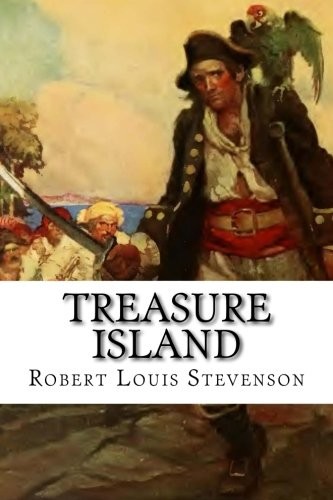
Young Jim Hawkins finds a treasure map and sails with a crew that includes the cunning Long John Silver. This is the original pirate adventure, and the language is dated but rewarding. Audiobooks help. Content note: pirate violence.
Best for: classic pirate fans. Ages: 10–14.
2. Journey to the Center of the Earth by Jules Verne
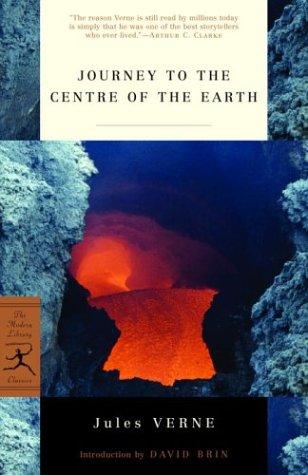
A professor, his nephew and a guide descend into an Icelandic volcano and find prehistoric wonders. The story is a pioneering science-adventure with big ideas. Choose a modern translation for easier reading.
Best for: science adventure lovers. Ages: 10–14.
3. Swallows and Amazons by Arthur Ransome
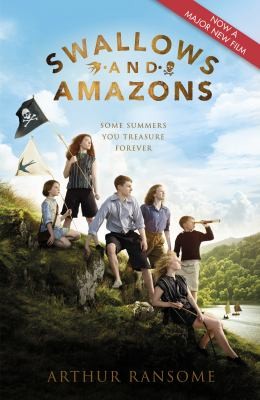
Four siblings sail a dinghy to an island on a lake and play at being explorers. It’s a gentle, imaginative story that celebrates independence. It suits readers who like camping and boats.
Best for: outdoor adventurers. Ages: 9–12.
4. Peter Pan by J.M. Barrie
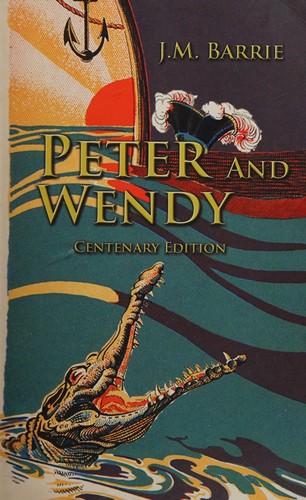
Wendy, John and Michael fly to Neverland with Peter Pan and face pirates. The original book is more bittersweet than adaptations. It’s a nice read-aloud with themes of growing up.
Best for: classic fantasy fans. Ages: 8–12.
5. The Adventures of Tom Sawyer by Mark Twain
Tom whitewashes a fence, explores a cave and witnesses a crime in a Mississippi river town. It’s funny and lively, though it has historical language and attitudes that merit discussion. Content note: period language and attitudes.
Best for: classic humor fans. Ages: 10–14.
6. The Explorer by Katherine Rundell
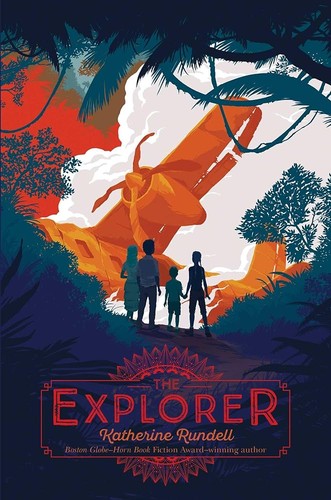
Four children survive a plane crash in the Amazon and must find a way out. The writing is vivid and the survival details feel real. It’s a gripping, beautifully written adventure.
Best for: jungle adventure fans. Ages: 9–13.
7. Gregor the Overlander by Suzanne Collins
Gregor falls through a laundry-room grate into a hidden world of giant bugs and humans beneath New York. He must fulfill a prophecy to find his baby sister. It’s the first of a five-book series. Content note: some creature peril.
Best for: underground-world fans. Ages: 9–13.
8. The Ruins of Gorlan by John Flanagan
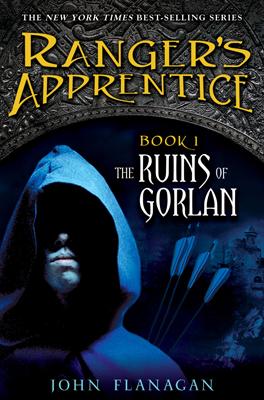
Will is chosen as a Ranger’s apprentice and learns stealth, archery and bravery. The chapters are short, the action steady and the friendships warm. Many readers continue into the long series.
Best for: medieval adventure fans. Ages: 10–14.
9. Stormbreaker by Anthony Horowitz

Fourteen-year-old Alex Rider is drafted by MI6 after his uncle’s death. Gadgets, chases and a dangerous villain make a quick read. It’s the start of a popular series. Content note: action violence.
Best for: spy fans. Ages: 10–14.
10. Journey to the River Sea by Eva Ibbotson
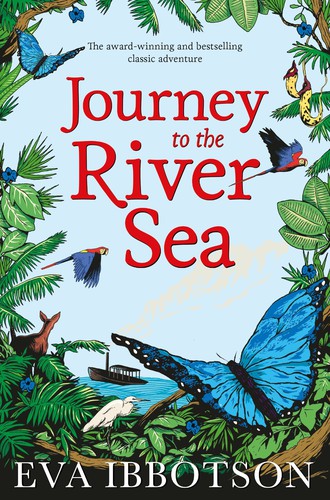
Orphan Maia travels to the Amazon to live with relatives and discovers friendship and adventure. The story is warm and funny. It is more reflective than action-packed.
Best for: gentle explorers. Ages: 9–12.
11. The Last Kids on Earth by Max Brallier
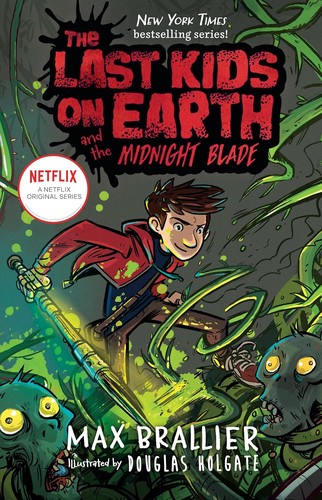
Jack Sullivan fights monsters with his friends in a treehouse, in a mix of text and doodles. It’s funny and fast, great for reluctant readers. Graphic novel and TV versions exist.
Best for: funny monster fans. Ages: 8–12.
12. Twenty Thousand Leagues Under the Sea by Jules Verne
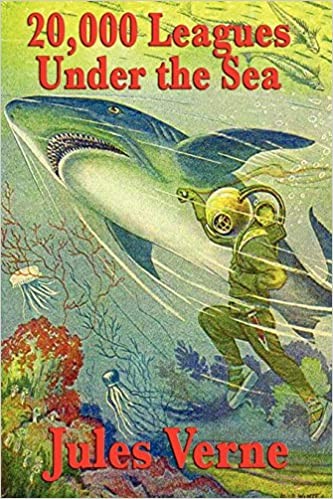
Professor Aronnax joins Captain Nemo aboard the Nautilus for a voyage under the oceans. Descriptions of sea life can be long, but the sense of wonder is huge. Pick an abridged or modern translation if needed.
Best for: submarine fans. Ages: 11–14.
13. Shackleton’s Journey by William Grill
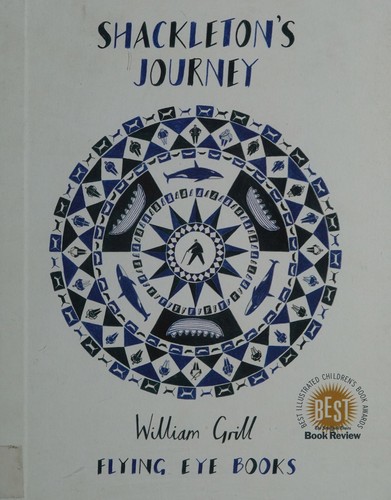
This illustrated book tells the true story of Ernest Shackleton’s Antarctic expedition. The artwork is gorgeous and the survival story astonishing. It’s a nonfiction adventure that pulls in visual readers.
Best for: true-adventure fans. Ages: 8–12.
14. The Lost World by Arthur Conan Doyle
Professor Challenger leads an expedition to a South American plateau where dinosaurs still live. It’s the inspiration for countless monster movies. The language is old-fashioned and the attitudes dated. Content note: period attitudes.
Best for: dinosaur fans. Ages: 11–14.
15. The Eagle of the Ninth by Rosemary Sutcliff
A young Roman officer travels beyond Hadrian’s Wall to find his father’s lost legion’s standard. Sutcliff brings Roman Britain vividly to life. It’s a classic of historical adventure. Content note: battle violence.
Best for: history adventure fans. Ages: 11–14.
How to Match a Adventure Book to Your Middle School
Middle school readers range widely. One eleven-year-old may still love illustrated chapter books, while another is ready for novels with darker themes. Start with the reader’s current favorites, then pick a adventure title with a similar length and pace. Look at the first page together: if your middle school can read it smoothly and wants to continue, it is a good fit. Short chapters and strong openings help hesitant readers, while avid readers can handle longer books and series. Pay attention to content notes in this list, and preview a book if your child is sensitive to a particular topic. When in doubt, offer two or three choices and let your child decide, because a book they choose is a book they are more likely to finish.
A Simple Reading Plan for Adventure Books
Choose one book from the list to start this week and set a modest goal, such as twenty minutes a day. Keep a library card in use, since borrowing lets your child try several adventure books without cost. Read the same book yourself, or listen to it as an audiobook in the car, so you can chat about it at dinner. When your middle school finishes, ask which part they liked best and whether they want to try the next book in a series or a similar title from this list. A simple chart on the fridge can track finished books. Celebrate progress with a trip to the library or bookstore rather than with screen time or a prize.
Why Adventure Books Matter for Middle Schoolers
Reading adventure books during the middle school years does more than fill free time. Children this age are building stamina for longer texts, growing their vocabulary and learning to follow complex plots, and they do those things best when they enjoy what they read. A book that fits their interests teaches them that reading is a source of pleasure, not only an assignment. It also gives you a way to talk about hard subjects, friendships and choices through characters, which can be easier than talking about their own lives. Research on reading habits repeatedly finds that children who read for fun do better in school, so a good adventure book is worth far more than its price.
Where to Find and How to Read These Books
Buying every book on this list is not necessary. Start at your public library, where you can borrow print copies, e-books and audiobooks with a free card, and use the holds feature for popular titles. Paperbacks are usually the best value for books your child will reread, and hardcovers hold up better for favorites that will be passed down. Used copies are often cheap, and a classroom or neighborhood swap can add variety. Large-print or dyslexia-friendly editions help some readers, and audiobooks are a good support for children who are building stamina. Whatever format you choose, keep a few adventure books visible on a shelf or by the bed so reading is the easy choice.
After the Last Page: What to Read Next
The last page of a book is a good moment to keep the momentum going. Ask your child what they liked, then look for the sequel, another book by the same author or a similar title from this list. Many children enjoy a small ritual, such as choosing the next adventure book at the library every week. If a book did not work, treat that as information, not failure; it simply tells you what to try next. Notice patterns, such as whether your child prefers short chapters, humor or fast plots, and use them to guide future picks. Over a few months, those small choices add up to a real reading habit.
A Quick Checklist Before You Pick a Adventure Book
Ask these questions before you borrow or buy:
- Is the length right? A 150-page book is a confident win, while a 400-page book is a project.
- Does the first chapter hook your child within a few pages?
- Is the content right for their age and sensitivity?
- Is there a sequel or companion book waiting if they love it?
- Can you find it at your library so there is no risk?
Questions to Talk About After Reading
These work for almost any book on this list:
- What was your favorite part, and why?
- Which character would you want as a friend?
- What would you have done differently in the main character’s place?
- Did the ending surprise you?
- Which book from this list do you want to read next?
Tips for Choosing Adventure Books for Middle Schoolers
- Match pace to reader. Fast, short-chaptered books like Stormbreaker suit hesitant readers, and long classics suit avid ones.
- Try audiobooks for classics. Treasure Island and Tom Sawyer shine when read aloud.
- Pair with real places. Find a map or video of the Amazon, Antarctica or Neverland-inspired places to deepen interest.
- Mind older language. Classics contain dated attitudes. Use them to start conversations.
- Read a series. Ranger’s Apprentice and Alex Rider offer many follow-up books.
Related: 15 best book club books for middle schoolers and 15 best books for reluctant readers in middle school.
Frequently Asked Questions
What are good adventure books for 12-year-olds?
Ranger’s Apprentice, Stormbreaker, The Explorer and Treasure Island are popular. They offer action and fast pacing.
Are classic adventure novels still worth reading?
Yes, many remain thrilling, but language can be dated. Audiobooks and abridged editions help.
What adventure book is best for a reluctant reader?
The Last Kids on Earth, Wings of Fire graphic novels and Stormbreaker are fast and engaging.