
Disclosure: As an Amazon Associate, Bookish Wisdom earns from qualifying purchases. This doesn’t change our picks or your price.
Quick answer: These 15 award-winning books suit teens (ages 13 and up). Start with Monster, A Step from Heaven, The First Part Last, How I Live Now, Looking for Alaska or The White Darkness. Each pick below has a short blurb, an age range and a content note where it matters.
The Michael L. Printz Award is given each year by the American Library Association to the best young adult book based on literary merit. Its winners show how powerful and varied YA can be, from speculative thrillers to quiet family dramas. This list gathers fifteen winners and honor books for ages 14 and up. Some include mature themes such as violence, sex and trauma, and we flag them. Use this list to find books recognized by librarians for their quality.
Table of Contents
Quick Picks at a Glance
| Book | Author | Ages | Best For |
|---|---|---|---|
| Monster | Walter Dean Myers | 13+ | courtroom-drama fans |
| A Step from Heaven | An Na | 14+ | immigrant-story readers |
| The First Part Last | Angela Johnson | 14+ | short, powerful readers |
| How I Live Now | Meg Rosoff | 15+ | unusual love-story readers |
| Looking for Alaska | John Green | 15+ | coming-of-age readers |
| The White Darkness | Geraldine McCaughrean | 14+ | adventure fans |
| Jellicoe Road | Melina Marchetta | 15+ | mystery and romance fans |
| Ship Breaker | Paolo Bacigalupi | 14+ | near-future adventure fans |
| Where Things Come Back | John Corey Whaley | 14+ | literary-mystery readers |
| In Darkness | Nick Lake | 15+ | survival and history fans |
| Midwinterblood | Marcus Sedgwick | 15+ | structure-curious readers |
| I’ll Give You the Sun | Jandy Nelson | 14+ | emotional readers |
| Bone Gap | Laura Ruby | 14+ | magical-realism fans |
| Aristotle and Dante Discover the Secrets of the Universe | Benjamin Alire Sáenz | 14+ | romance fans |
| The Astonishing Life of Octavian Nothing, Traitor to the Nation, Vol. 1 | M.T. Anderson | 15+ | historical-experiment readers |
1. Monster by Walter Dean Myers
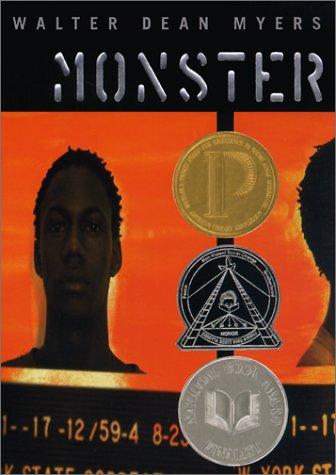
Steve Harmon, sixteen, is on trial for murder and writes his story as a screenplay. The first Printz winner. Gripping and thought-provoking. Content note: a felony case and violence.
Best for: courtroom-drama fans. Ages: 13+.
2. A Step from Heaven by An Na
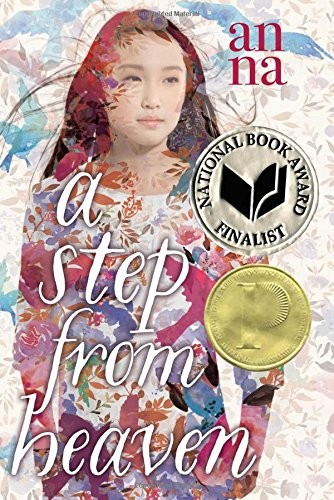
Young Ju moves from Korea to California and faces family difficulties. Honest and moving. The 2002 Printz winner. Content note: domestic abuse.
Best for: immigrant-story readers. Ages: 14+.
3. The First Part Last by Angela Johnson
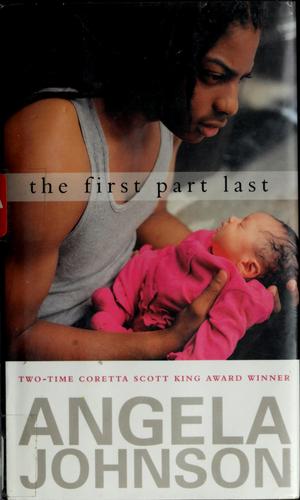
Bobby, a teen father, raises his daughter. A short book told in alternating chapters. Printz winner 2004. Content note: teen parenthood.
Best for: short, powerful readers. Ages: 14+.
4. How I Live Now by Meg Rosoff
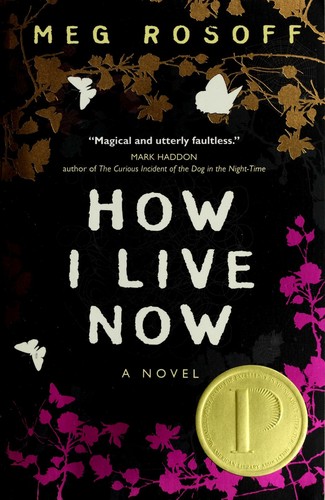
Daisy spends a summer in England as war breaks out, falling for her cousin. Strange and powerful. Contains a controversial relationship. Content note: war and an incestuous relationship.
Best for: unusual love-story readers. Ages: 15+.
5. Looking for Alaska by John Green
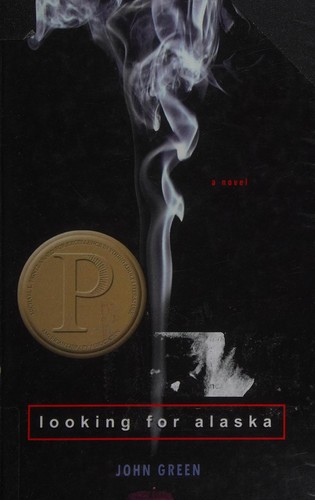
Miles, new at boarding school, falls for Alaska, a girl who changes his life. Witty and heartbreaking. Often challenged. Content note: a death, drinking and sexual content.
Best for: coming-of-age readers. Ages: 15+.
6. The White Darkness by Geraldine McCaughrean
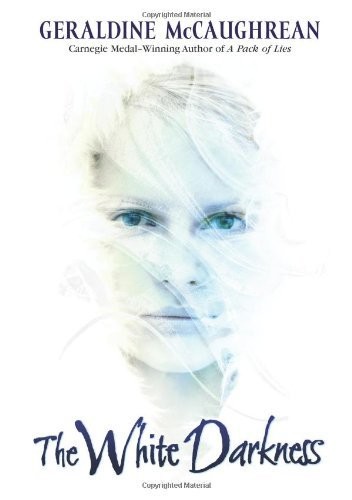
Sym, a lonely girl obsessed with Antarctica, is taken on an expedition. Eerie and exciting. A Printz winner. Content note: a dark adult relationship.
Best for: adventure fans. Ages: 14+.
7. Jellicoe Road by Melina Marchetta
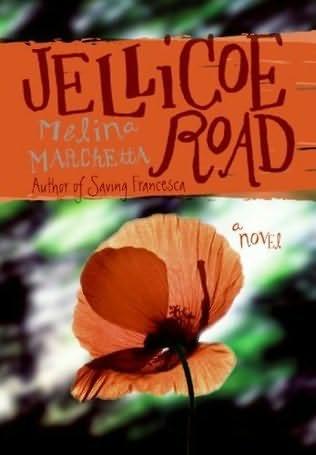
Taylor Markham leads students at an Australian boarding school and uncovers a hidden past. Layered and emotional. The 2009 Printz winner. Content note: loss and violence.
Best for: mystery and romance fans. Ages: 15+.
8. Ship Breaker by Paolo Bacigalupi
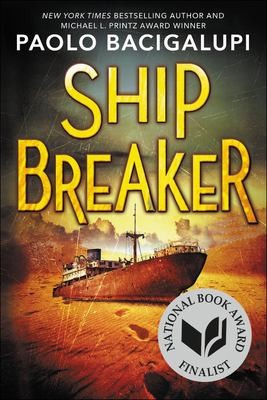
Nailer scavenges for scrap on Gulf Coast ship wrecks and finds a wrecked clipper ship. Gritty and fast. A 2011 Printz winner. Content note: violence.
Best for: near-future adventure fans. Ages: 14+.
9. Where Things Come Back by John Corey Whaley
After a bird is rediscovered, a boy’s brother disappears. Funny and strange. A Printz winner. Content note: loss and grief.
Best for: literary-mystery readers. Ages: 14+.
10. In Darkness by Nick Lake
A boy trapped in the rubble of the Haiti earthquake recalls his life and the history of revolution. Intense and lyrical. A Printz winner. Content note: violence and death.
Best for: survival and history fans. Ages: 15+.
11. Midwinterblood by Marcus Sedgwick
Seven linked stories across time on a remote island. Eerie and haunting. A Printz winner. Content note: violence and an unusual relationship.
Best for: structure-curious readers. Ages: 15+.
12. I’ll Give You the Sun by Jandy Nelson
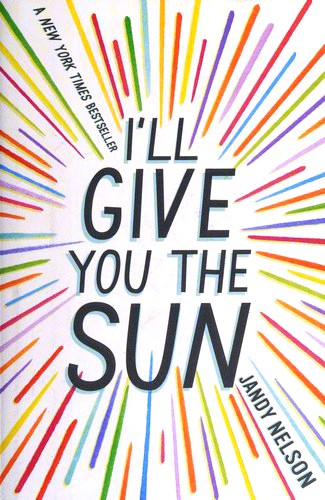
Twins Noah and Jude narrate before and after their mother’s death. Lyrical and funny. A Printz winner. Content note: grief and sexual content.
Best for: emotional readers. Ages: 14+.
13. Bone Gap by Laura Ruby
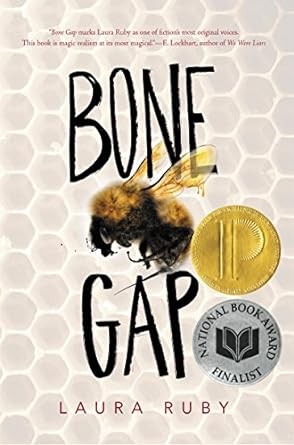
Finn witnesses a kidnapping but cannot describe the captor. Atmospheric and strange. A Printz winner. Content note: kidnapping and assault.
Best for: magical-realism fans. Ages: 14+.
14. Aristotle and Dante Discover the Secrets of the Universe by Benjamin Alire Sáenz
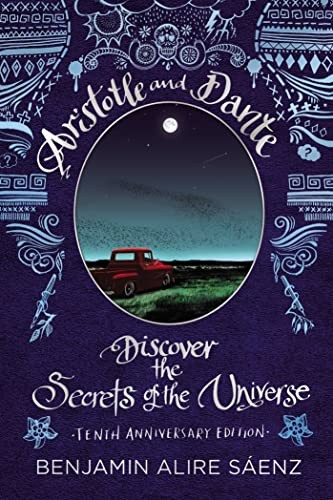
Two boys in El Paso find friendship and love. Tender and poetic. A Printz Honor. Content note: homophobia and violence.
Best for: romance fans. Ages: 14+.
15. The Astonishing Life of Octavian Nothing, Traitor to the Nation, Vol. 1 by M.T. Anderson
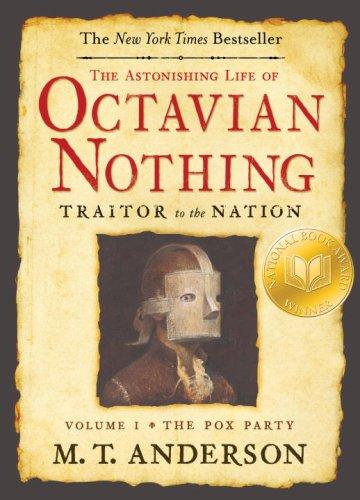
A boy raised as part of a philosophical experiment in Revolutionary Boston learns the truth. Dense and challenging. A Printz Honor. Content note: slavery and experimentation.
Best for: historical-experiment readers. Ages: 15+.
How to Match a Award-Winning Book to Your Teen
Teen readers want books that respect their intelligence and reflect real feelings. Begin with what your teen already enjoys, whether that is a show, a game or a favorite author, and choose a award-winning title that echoes it. Teens often prefer to pick for themselves, so offer a short stack instead of one assigned book. Read the content notes in this list, since some books cover mature themes, and talk openly about them. A short, fast-paced novel is a good way back into reading for someone who has drifted away, while avid readers may enjoy long series. Libraries, e-books and audiobooks all count as reading, and a teen who listens on a commute is still building vocabulary.
A Simple Reading Plan for Award-Winning Books
Pick one title to try this month and set a small target, such as ten to twenty pages a day or one chapter before bed. Library apps and e-readers make award-winning books easy to carry, and audiobooks fill commutes and chores. If a book does not hook your teen within the first fifty pages, switching is fine. Not every book suits every reader. Encourage your teen to share what they are reading with friends, in a club or online, since talking about books keeps the habit alive. A short list of next reads on a phone note can help them keep going without searching each time.
Why Award-Winning Books Matter for Teens
Reading award-winning books as a teen does more than pass time. Fiction and narrative nonfiction build empathy by letting readers live inside other people’s choices, and they strengthen the focus and vocabulary that school, college and work reward. Teens who read for pleasure tend to do better academically, and they often say books helped them feel less alone. A award-winning book can also be a bridge for conversation, giving parents and teens a safe way to talk about difficult subjects through characters instead of directly. Because teens are busy, the best strategy is to make reading easy and rewarding, which is exactly what a well-chosen book does.
Where to Find and How to Read These Books
You do not need to buy every title. A library card gives your teen free access to print books, e-books and audiobooks through apps such as Libby, and holds let you queue popular award-winning titles. Paperbacks are the best value, and used copies are plentiful for older bestsellers. E-readers and phones make books easy to carry, and audiobooks turn commutes, workouts and chores into reading time. Many schools also run reading lists and book clubs that use these titles. If your teen likes a book, check whether it has a sequel or a companion book, because finishing a series is often what turns a casual reader into a committed one.
After the Last Page: What to Read Next
When your teen finishes a book, the best next step is usually a short conversation, not a quiz. Ask what they thought of the ending, whether they would recommend it and what they want to read next. Then look for a sequel, another book by the same author or a similar award-winning title from this list. A shared reading list on a phone, a library hold queue or a school or online book club can keep the momentum going. If a book did not work, that is useful information about taste. Trying a few different books is how teens find what they love.
A Quick Checklist Before You Pick a Award-Winning Book
Ask these questions before you borrow or buy:
- Does the opening grab your teen within the first chapter or two?
- Is the content, including violence, language and romance, right for their maturity?
- Is it standalone, or the start of a series they can binge?
- Does a library, e-book or audiobook copy exist so they can start immediately?
- Does it connect to something they already love, such as a show, game or hobby?
Questions to Talk About After Reading
These work for almost any book on this list:
- What do you think the author was really trying to say?
- Which character did you understand best, and which frustrated you?
- Did the ending feel earned?
- How does this book compare with others in the genre?
- Would you recommend it to a friend, and what would you say?
Tips for Choosing Award-Winning Books for Teens
- Pick by mood. Printz winners vary widely.
- Read the content notes. Many are mature.
- Start with short ones. The First Part Last is brief.
- Check library lists. The ALA publishes winner and honor lists.
- Discuss craft. Ask why the author told it this way.
Related: 15 best award-winning (Newbery and Printz) books for middle schoolers and 15 best book club books for teens.
Frequently Asked Questions
What is the Printz Award?
It is an annual American Library Association award for the best young adult book based on literary merit.
Are Printz winners appropriate for 14-year-olds?
Many are, but several contain mature themes, so check the notes.
Which Printz winner is best for reluctant readers?
Monster and The First Part Last are short and easy to follow.