

Finding the perfect book for your reading group can make or break your monthly meetings. The best book club books of all time spark passionate debates, create lasting memories, and keep members eagerly anticipating the next gathering. These carefully selected titles have proven their worth in countless book clubs worldwide, offering rich themes, complex characters, and plenty of material for engaging conversations.
Table of Contents
1. To Kill a Mockingbird by Harper Lee
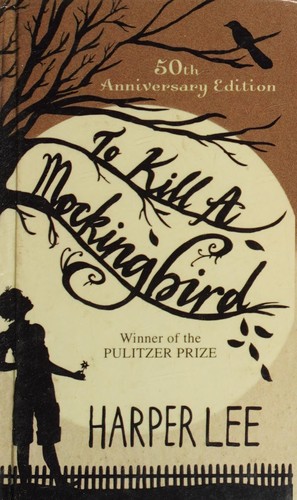
This timeless classic remains one of the most beloved classic book club selections for good reason. Lee’s masterpiece tackles themes of racial injustice, moral courage, and childhood innocence through Scout Finch’s unforgettable perspective. The novel’s enduring relevance and powerful storytelling create natural discussion points about ethics, prejudice, and standing up for what’s right.
2. The Book Thief by Markus Zusak

Narrated by Death himself, this haunting World War II story follows young Liesel as she discovers the power of words and books. Zusak’s unique narrative voice and the story’s blend of tragedy and hope make it perfect for thought-provoking book club books discussions. Members will find themselves debating the nature of humanity, the importance of literacy, and how stories can provide comfort during dark times.
3. The Kite Runner by Khaled Hosseini
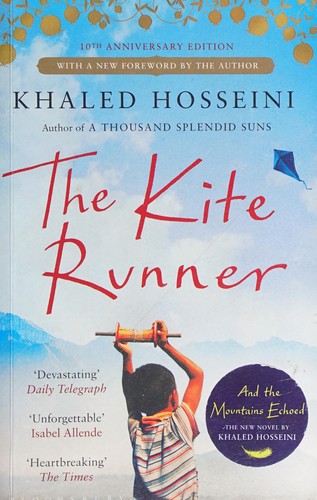
This emotionally charged novel explores friendship, guilt, and redemption against the backdrop of Afghanistan’s tumultuous history. Hosseini’s debut work offers rich cultural insights while telling a deeply personal story of betrayal and forgiveness. The complex relationship between Amir and Hassan provides endless material for meaningful conversations about loyalty, privilege, and making amends.
4. Educated by Tara Westover
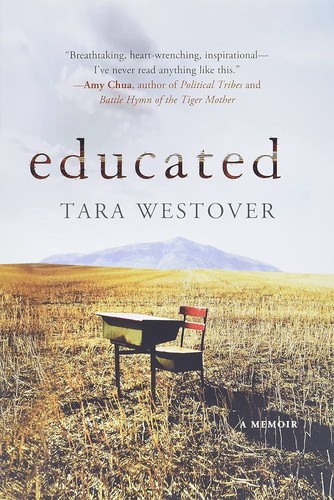
Westover’s powerful memoir chronicles her journey from an isolated survivalist family to earning a PhD from Cambridge University. This compelling true story raises questions about family loyalty, education’s transformative power, and the cost of breaking free from toxic relationships. As one of the best non-fiction for book clubs, it generates passionate discussions about identity, resilience, and the pursuit of knowledge.
5. The Help by Kathryn Stockett
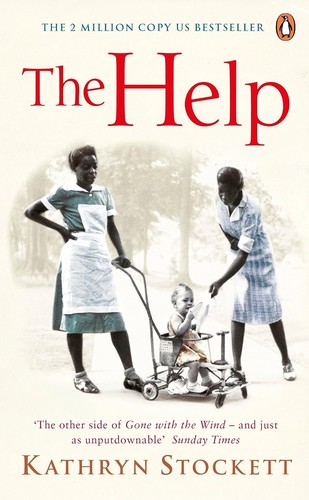
Set in 1960s Mississippi, this novel gives voice to African American maids working for white families during the civil rights era. Stockett’s alternating perspectives between Skeeter, Aibileen, and Minny create a rich tapestry of experiences and viewpoints. The book’s exploration of racism, courage, and unlikely friendships makes it ideal for groups seeking meaningful social commentary.
6. Life of Pi by Yann Martel

This extraordinary tale of survival follows Pi Patel as he’s stranded on a lifeboat with a Bengal tiger named Richard Parker. Martel’s philosophical adventure story blends reality with allegory, raising questions about faith, survival, and the nature of truth. The novel’s ambiguous ending provides perfect fodder for heated debates about what really happened during Pi’s ordeal.
7. The Handmaid’s Tale by Margaret Atwood

Atwood’s dystopian masterpiece presents a chilling vision of a totalitarian society where women’s rights have been stripped away. The story of Offred’s struggle for freedom and identity resonates powerfully in contemporary discussions about reproductive rights and government control. This fiction book club recommendation guarantees intense conversations about power, resistance, and the fragility of democracy.
8. Beloved by Toni Morrison
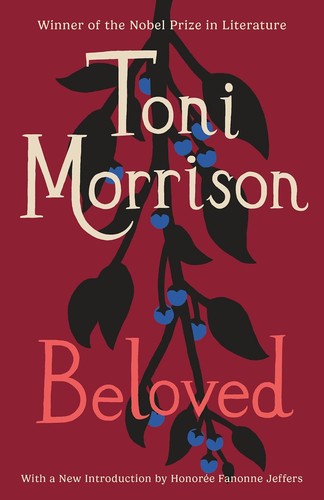
Morrison’s haunting novel confronts the brutal legacy of slavery through the story of Sethe and her haunted house on Bluestone Road. The book’s non-linear narrative and supernatural elements challenge readers while exploring themes of trauma, memory, and healing. This Pulitzer Prize winner demands careful reading and rewards groups with profound discussions about history’s lasting impact.
9. The Poisonwood Bible by Barbara Kingsolver
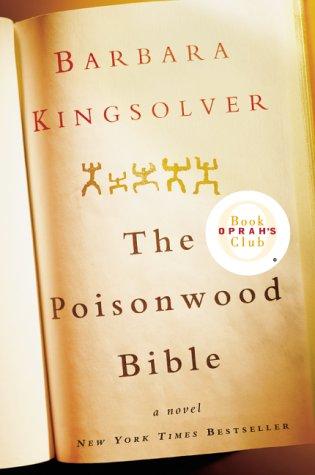
Kingsolver’s epic novel follows the Price family’s missionary journey to the Belgian Congo in 1959. Told through the voices of the four Price daughters and their mother, the story explores cultural imperialism, family dynamics, and personal transformation. The book’s multiple perspectives and rich historical context provide numerous angles for discussion about colonialism, faith, and adaptation.
10. A Man Called Ove by Fredrik Backman
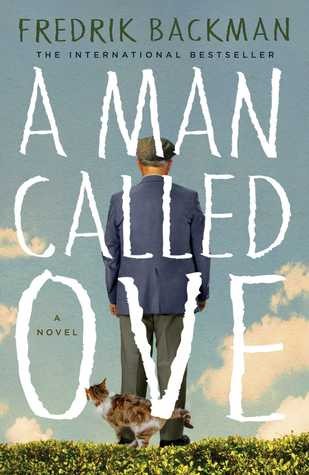
This heartwarming Swedish novel introduces readers to the curmudgeonly Ove, whose carefully ordered life is disrupted by new neighbors. Backman’s gentle humor and emotional depth create a perfect balance for book club discussions. The story’s themes of grief, community, and finding purpose in later life resonate with readers across generations, making it one of the most accessible easy book club reads.
11. The Curious Incident of the Dog in the Night-Time by Mark Haddon
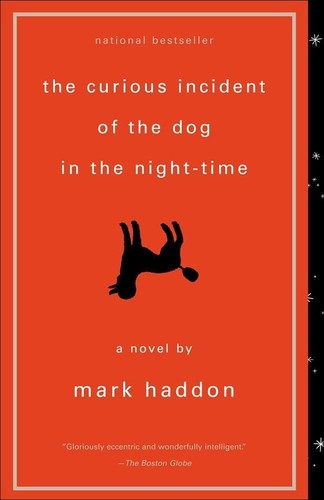
Told from the perspective of Christopher, a teenager with autism spectrum disorder, this mystery novel offers unique insights into neurodiversity. Haddon’s authentic voice and the protagonist’s logical approach to solving his neighbor’s dog’s murder create fascinating discussion opportunities. The book challenges readers’ assumptions while promoting understanding and empathy for different ways of experiencing the world.
12. Big Little Lies by Liane Moriarty

This contemporary thriller weaves together the lives of three women whose seemingly perfect lives unravel at a school trivia night. Moriarty’s exploration of domestic violence, friendship, and parenting pressures strikes close to home for many readers. The book’s page-turning plot combined with serious social issues makes it perfect for groups wanting entertainment alongside meaningful discussion.
13. The Color Purple by Alice Walker

Walker’s epistolary novel follows Celie’s journey from abuse and oppression to self-discovery and empowerment. The story’s unflinching look at racism, sexism, and domestic violence creates powerful opportunities for discussion about resilience and sisterhood. This Pulitzer Prize winner remains one of the most impactful books for exploring themes of identity, spirituality, and finding one’s voice.
14. Where the Crawdads Sing by Delia Owens
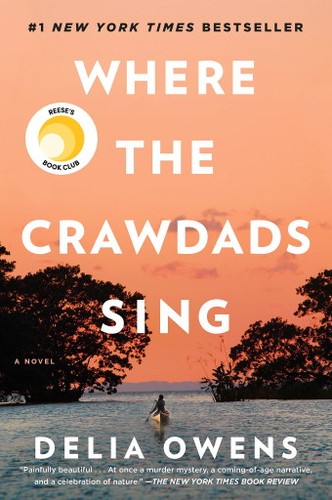
This atmospheric mystery combines a coming-of-age story with a murder investigation in the marshlands of North Carolina. Owens’ lyrical prose and the enigmatic character of Kya “the Marsh Girl” captivate readers while exploring themes of isolation, prejudice, and the healing power of nature. The book’s dual timeline and courtroom drama provide plenty of material for engaging discussions.
15. The Midnight Library by Matt Haig
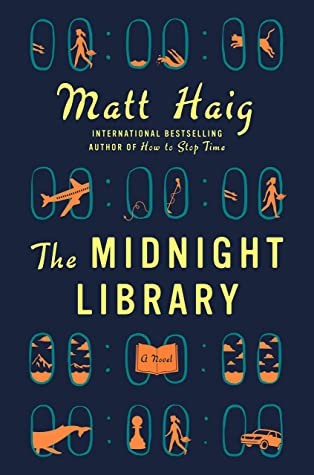
Haig’s philosophical novel follows Nora Seed as she explores alternate versions of her life in a magical library between life and death. The story’s exploration of regret, possibility, and finding meaning in ordinary moments resonates deeply with contemporary readers. This thought-provoking tale generates excellent book club discussion questions about life choices, mental health, and what constitutes a life well-lived.
Conclusion
These fifteen selections represent the best book club books of all time because they combine compelling storytelling with rich thematic content that sparks meaningful conversations. Whether your group prefers contemporary fiction, classic literature, or thought-provoking memoirs, these books offer something for every reading taste. The key to a successful book club lies in choosing titles that challenge readers while remaining accessible and engaging. These proven favorites will transform your monthly meetings into unforgettable literary experiences that strengthen friendships and broaden perspectives. Remember that the best book club book is ultimately one that gets your members talking, thinking, and eagerly anticipating your next selection.