
Disclosure: As an Amazon Associate, Bookish Wisdom earns from qualifying purchases. This doesn’t change our picks or your price.
Quick answer: These 12 books make strong November book club picks, from There There, The Round House, The Night Watchman, Heart Berries, An Indigenous Peoples’ History of the United States and Bury My Heart at Wounded Knee to six more. Each has a short blurb, a reason it works for a group and a discussion prompt.
November is a month for gratitude, gatherings and Native American Heritage Month, and it offers book clubs a chance to read thoughtfully. The twelve books below include novels and nonfiction by Indigenous authors, stories of kindness and community and reflective books that fit the season. Each entry gives a summary, a reason it works for discussion and a question to start the conversation. Whether your club wants a serious conversation about history or a gentle book to be thankful for, you will find a pick here. As the days shorten, a good book and a warm room make an excellent pairing.
Table of Contents
Quick Picks at a Glance
| Book | Author | Genre | Best For |
|---|---|---|---|
| There There | Tommy Orange | Fiction | clubs who like multiple perspectives |
| The Round House | Louise Erdrich | Fiction | clubs who like legal and coming-of-age stories |
| The Night Watchman | Louise Erdrich | Historical fiction | clubs who like historical novels |
| Heart Berries | Terese Marie Mailhot | Memoir | clubs who want a short, raw memoir |
| An Indigenous Peoples’ History of the United States | Roxanne Dunbar-Ortiz | History | clubs who want to challenge assumptions |
| Bury My Heart at Wounded Knee | Dee Brown | History | clubs who want a classic |
| Firekeeper’s Daughter | Angeline Boulley | Young adult mystery | clubs who want a gripping story |
| The Book of Joy | Dalai Lama, Desmond Tutu and Douglas Abrams | Nonfiction | clubs who want gratitude |
| Tuesdays with Morrie | Mitch Albom | Memoir | clubs who want a short, warm read |
| Olive Kitteridge | Elizabeth Strout | Linked stories | clubs who like character studies |
| The Gifts of Imperfection | Brené Brown | Self-help | clubs who want a hopeful nonfiction pick |
| Wintering | Katherine May | Memoir | clubs who want a reflective read |
1. There There by Tommy Orange

Twelve Native characters in Oakland converge on a powwow. Raw, lyrical and innovative, it portrays urban Native life. Content note: violence and addiction.
Best for: clubs who like multiple perspectives.
Talk about: How do the characters’ stories connect?
2. The Round House by Louise Erdrich

After his mother is assaulted on a reservation, a thirteen-year-old tries to find justice. A National Book Award winner. Content note: sexual assault.
Best for: clubs who like legal and coming-of-age stories.
Talk about: Why is justice so hard to achieve in the story?
3. The Night Watchman by Louise Erdrich
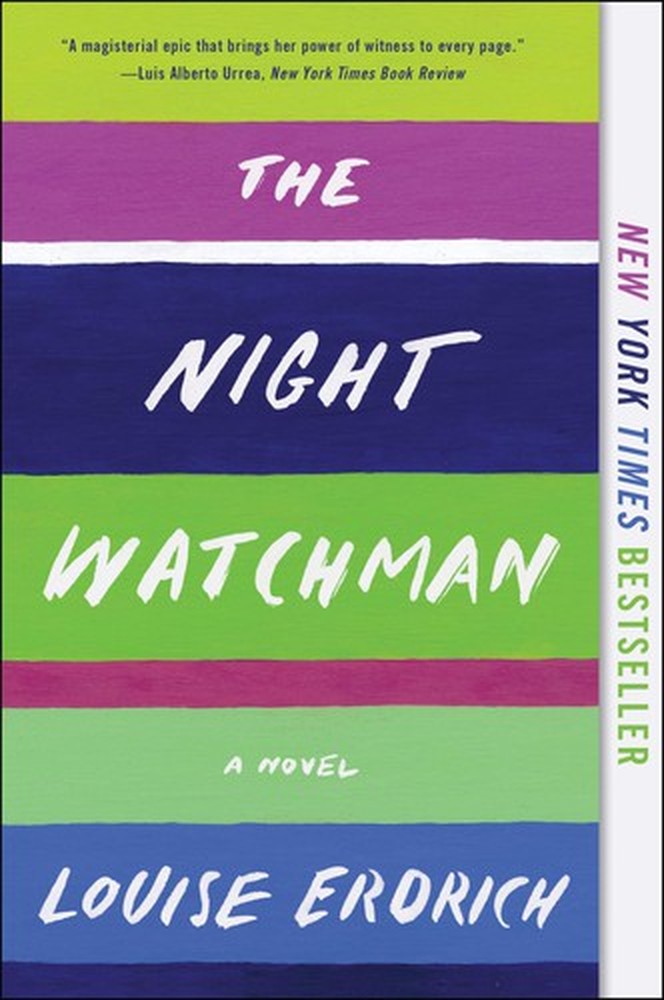
Based on the author’s grandfather, it follows a tribal leader fighting a 1950s bill to terminate Native rights. A Pulitzer winner.
Best for: clubs who like historical novels.
Talk about: How does the novel weave humor and politics?
4. Heart Berries by Terese Marie Mailhot

Mailhot writes about trauma, family and recovery in lyrical fragments. Powerful and brief. Content note: abuse and mental illness.
Best for: clubs who want a short, raw memoir.
Talk about: How does the form reflect memory?
5. An Indigenous Peoples’ History of the United States by Roxanne Dunbar-Ortiz
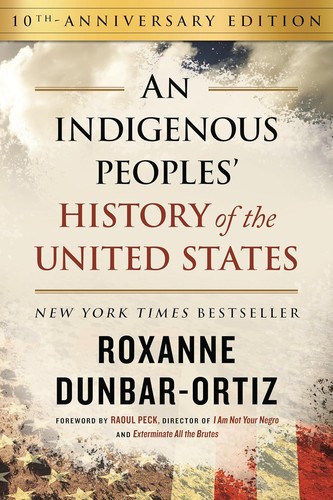
Retells American history from the perspective of Native peoples. Direct and eye-opening.
Best for: clubs who want to challenge assumptions.
Talk about: What did you learn that you had not heard before?
6. Bury My Heart at Wounded Knee by Dee Brown
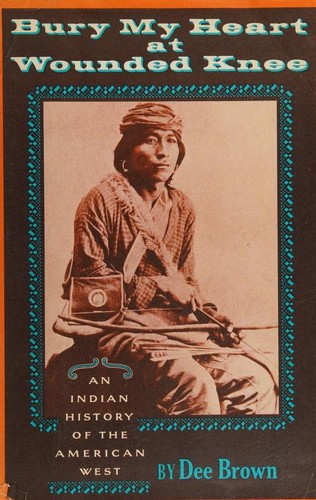
Brown recounts the destruction of Native American nations in the late nineteenth century. A landmark, though written by a non-Native author. Content note: massacres and violence.
Best for: clubs who want a classic.
Talk about: How has our understanding of this history changed?
7. Firekeeper’s Daughter by Angeline Boulley
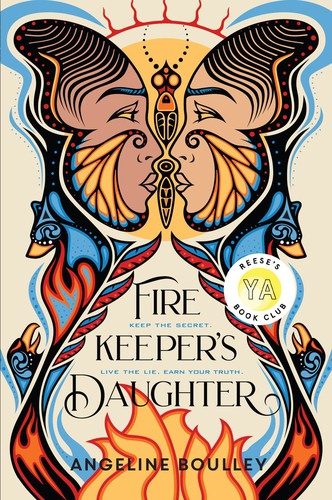
An Ojibwe teen goes undercover to help the FBI investigate a drug case in her community. Suspenseful and rooted in culture. Content note: sexual assault and drug violence.
Best for: clubs who want a gripping story.
Talk about: How does Daunis balance her identities?
8. The Book of Joy by Dalai Lama, Desmond Tutu and Douglas Abrams
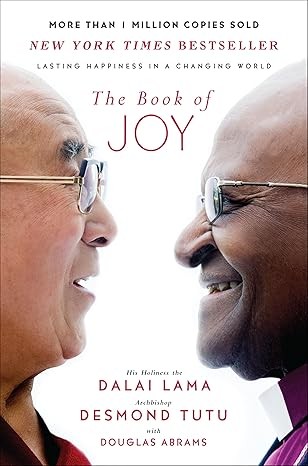
Two spiritual leaders discuss how to find joy in suffering. Warm and funny.
Best for: clubs who want gratitude.
Talk about: Which practice would you try?
9. Tuesdays with Morrie by Mitch Albom
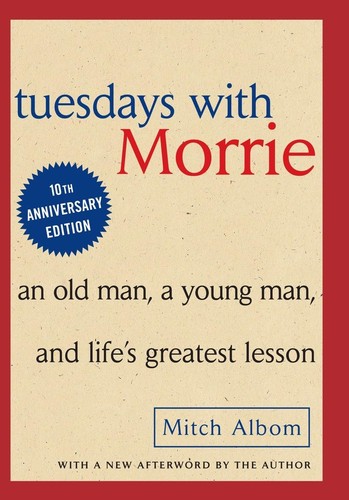
A journalist visits his former professor, who is dying. Simple lessons about gratitude and love.
Best for: clubs who want a short, warm read.
Talk about: What lesson do you take with you?
10. Olive Kitteridge by Elizabeth Strout
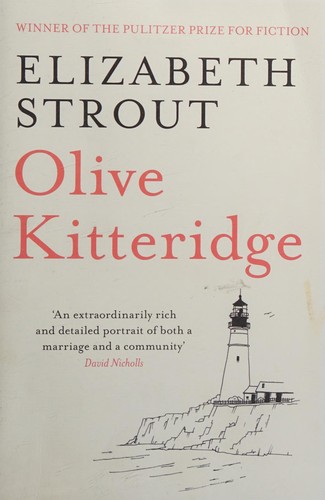
A retired schoolteacher in a Maine town appears in a series of interlinked stories. Pulitzer-winning and unsentimental.
Best for: clubs who like character studies.
Talk about: Is Olive likable?
11. The Gifts of Imperfection by Brené Brown
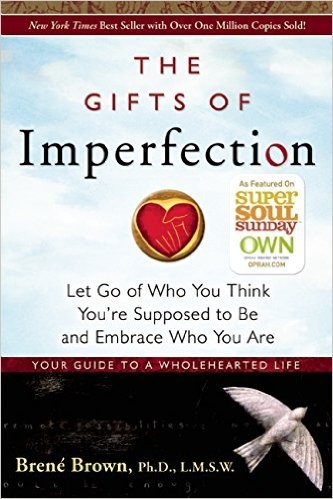
Brown’s guideposts for wholehearted living include gratitude and joy. Short and practical.
Best for: clubs who want a hopeful nonfiction pick.
Talk about: Which guidepost resonated?
12. Wintering by Katherine May
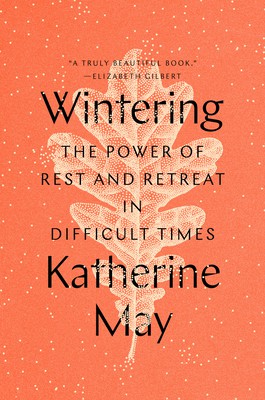
May reflects on difficult periods as seasons for rest. Lyrical and soothing.
Best for: clubs who want a reflective read.
Talk about: How do you rest in your own winters?
Why November Is a Good Month for a Theme
November brings Native American Heritage Month and Thanksgiving. For many book clubs, it is a time to read more deeply about Indigenous histories and voices, and to reflect on gratitude and community. Choose books by Native authors, not only about them, and be willing to explore difficult histories. Lighter picks can balance the month, particularly because the holiday season is busy. Because many members travel in late November, schedule the meeting early in the month or after the holiday. Keep the tone warm, respectful and open to learning.
How to Choose Your November Pick
Choosing a book for your club is easier when you start with the group, not the book. Ask how many people usually come, how much time members have to read, and whether the group prefers fiction, nonfiction or a mix. A 300-page novel with short chapters suits a busy month, while a longer or denser title works better when members can start early. Rotate genres so no taste is ignored for long, and let a different member choose each month. Look at the date: a November pick has the advantage of a built-in theme, which gives the conversation a spark. Finally, check the library for copies and audiobooks before you commit, because access decides whether people actually finish.
Hosting Ideas for November
Set the table with autumn leaves, small pumpkins and candles. Serve seasonal dishes such as squash soup, cornbread and apple crisp. Begin the meeting with a round of thanks: each person names one thing they are grateful for. For a Native American Heritage Month discussion, acknowledge the land you are on, and consider donating to an Indigenous-led organization. Provide a list of Native authors for further reading.
How to Run the Meeting
A good meeting has a simple shape. Start with ten minutes of casual chat and food, then ask each person for a quick, spoiler-free reaction in one sentence. Move into two or three open questions, not a quiz, and let the conversation wander. Reserve the last fifteen minutes for picking the next book and a date. Designate a gentle facilitator who keeps time and invites quieter members to speak. If your group meets online, ask people to keep cameras on and use the chat for side thoughts. End with a rating from one to five, which often sparks a lively comparison, and note the scores so you can see which genres your group enjoys most.
Eight Questions That Work for Almost Any Book
- What did you expect from the book before you started, and how did it compare?
- Which character did you understand best, and which frustrated you?
- Was there a moment you wanted to stop reading or one you read twice?
- How did the setting shape the story?
- What did the ending leave you thinking about?
- Did the book change your opinion about anything?
- Which line or scene would you quote to a friend?
- Would you recommend it, and to whom?
A Reading Pace Plan
Here is a simple pace for a November meeting held at the end of the month. In week one, borrow or buy the book and read the first fifth, enough to meet the characters or the argument. In week two, read another third and jot down two questions. In week three, finish the book and write a single sentence about how it made you feel. In week four, skim your notes and bring one passage you want to discuss. A 300-page book needs about 15 pages a day, or roughly 25 minutes for an average reader. If you prefer audiobooks, a 9-hour recording fits a daily walk or commute. Members who start late can read on a weekend, and the club can agree that it is fine to attend even if you have not finished.
Book Club Etiquette
Every book club runs better with a few shared habits. Agree on a spoiler policy, such as saving endings for the second half of the meeting. Give everyone a chance to speak before anyone speaks twice. Disagree with ideas, not people, and remember that a book someone loves may be one another hates. If a member did not finish, welcome them anyway; they can listen and join the next one. Rotate hosting and picking duties so that no one carries the work. If your group grows, split into two smaller ones instead of letting a conversation turn into a lecture. These simple norms create a friendly space where honest opinions can be shared.
Meeting Online
If your November club meets online, a few tweaks keep the conversation lively. Use a video platform with a reliable connection, start on time and keep the group small enough that everyone can speak, ideally under ten. Ask members to mute when not talking and to use hand-raise or chat to signal a comment. Share the discussion questions in the invitation so people can think ahead. Break into pairs for five minutes if the group is large, then return to share highlights. Plan a shorter meeting, around an hour, since screen fatigue sets in quickly. And leave a few minutes at the end for casual chat, which online meetings often miss.
Planning the Next Month
Ending a long meeting without a plan can leave the next month wide open. Before everyone leaves, vote on the next book from a short list of three, and agree on a date and location. Share the selection by email or group chat the same day, with links to the library hold list and the audiobook. Ask one member to bring a conversation starter next time. If your group struggles with attendance, try meeting at the same time each month so it becomes a habit. Keep notes on which books worked and which did not; after a year, you will have a record of your club’s taste and can plan with confidence.
Tips for a Great November Meeting
- Choose Native voices. Prioritize books by Indigenous authors.
- Schedule early. Hold the meeting before travel begins.
- Set the date early. Announce the pick at the end of the previous meeting so members have time to read.
- Offer formats. Remind members that library copies, e-books and audiobooks all count.
- Keep spoilers in check. Agree to talk about endings only after everyone has had a chance to share first impressions.
Related: 12 Best Book Club Picks for October and 12 Best Book Club Picks for September.
Frequently Asked Questions
What are the best book club picks for November?
Strong November picks include There There, The Round House and The Night Watchman. The list above gives twelve options with discussion prompts.
How long should a book club book be?
Most clubs do well with books between 250 and 400 pages. Choose shorter books for busy months and longer ones when members can start early.
Should a book club read fiction or nonfiction?
A mix works best. Rotate genres so every member gets a pick they enjoy, and use themed months like this one as a guide.