
Disclosure: As an Amazon Associate, Bookish Wisdom earns from qualifying purchases. This doesn't change our picks or your price.
Quick answer: The best books About Economics include The Wealth of Nations by Adam Smith, Capital in the Twenty-First Century by Thomas Piketty and Economics in One Lesson by Henry Hazlitt, plus twelve more strong picks. Each one below has a short description and who it suits best, with a quick table to compare them.
Economics shapes jobs, prices, inequality and public policy, and you don't need a degree to understand it. These books range from classic texts to entertaining introductions and debates about inequality. They will help you make sense of the news.
Each book below has a short description and a note on who it suits best. Use the quick table to compare the picks at a glance, then read the full entries for the titles that catch your eye.
Table of Contents
Quick Picks at a Glance
| Book | Author | Best for |
|---|---|---|
| The Wealth of Nations | Adam Smith | founding classics |
| Capital in the Twenty-First Century | Thomas Piketty | inequality |
| Economics in One Lesson | Henry Hazlitt | short classics |
| Naked Economics | Charles Wheelan | beginners |
| The Undercover Economist | Tim Harford | everyday economics |
| Nudge | Richard H. Thaler and Cass R. Sunstein | behavioral economics |
| Poor Economics | Abhijit V. Banerjee and Esther Duflo | global poverty |
| The Worldly Philosophers | Robert L. Heilbroner | history of economics |
| Basic Economics | Thomas Sowell | clear introductions |
| Doughnut Economics | Kate Raworth | new thinking |
| The Price of Inequality | Joseph E. Stiglitz | policy debates |
| 23 Things They Don't Tell You About Capitalism | Ha-Joon Chang | challenging myths |
| The Armchair Economist | Steven E. Landsburg | puzzles |
| Why Nations Fail | Daron Acemoglu and James A. Robinson | institutions |
| Freakonomics | Steven D. Levitt and Stephen J. Dubner | fun |
1. The Wealth of Nations by Adam Smith
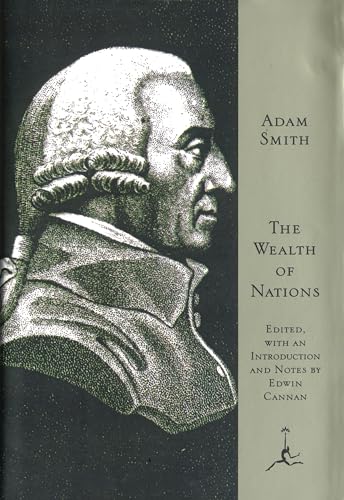
Smith's 1776 study of markets and trade.
2. Capital in the Twenty-First Century by Thomas Piketty
How wealth concentrates over time.
3. Economics in One Lesson by Henry Hazlitt
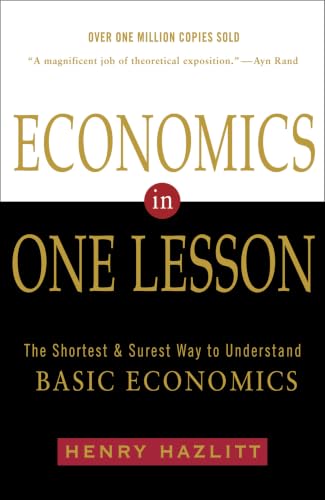
Why you must look at the long-term effects of policies.
4. Naked Economics by Charles Wheelan
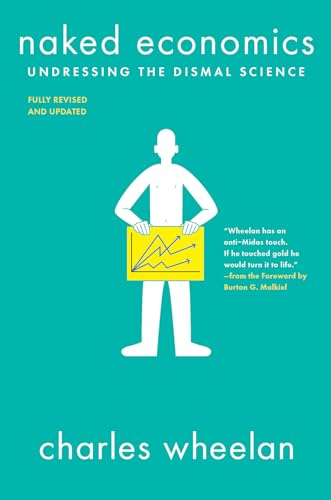
Economics explained without the math.
5. The Undercover Economist by Tim Harford
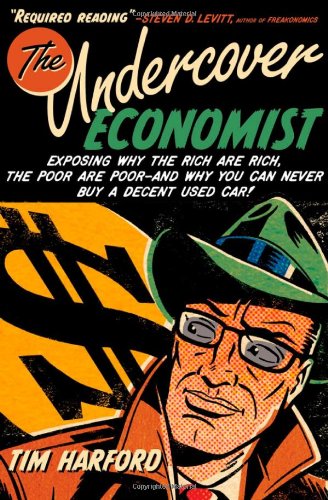
Why your coffee costs what it does.
6. Nudge by Richard H. Thaler and Cass R. Sunstein
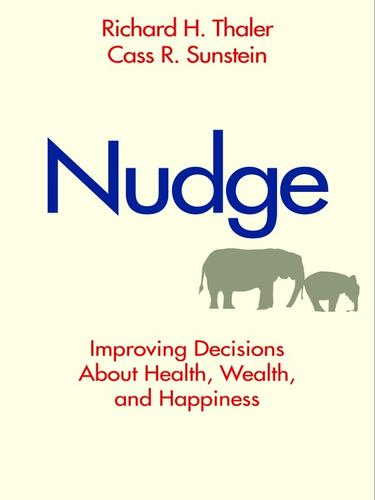
How small changes in choices lead to better decisions.
7. Poor Economics by Abhijit V. Banerjee and Esther Duflo
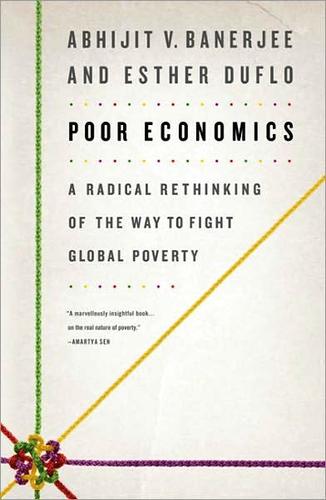
Nobel winners on fighting poverty.
8. The Worldly Philosophers by Robert L. Heilbroner
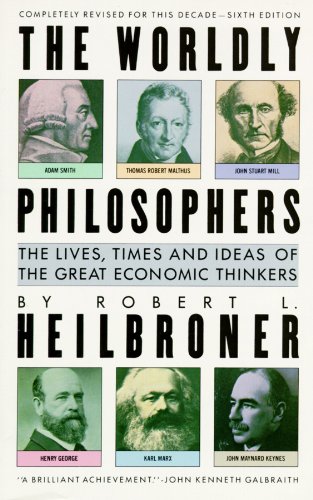
The lives and ideas of great economists.
9. Basic Economics by Thomas Sowell
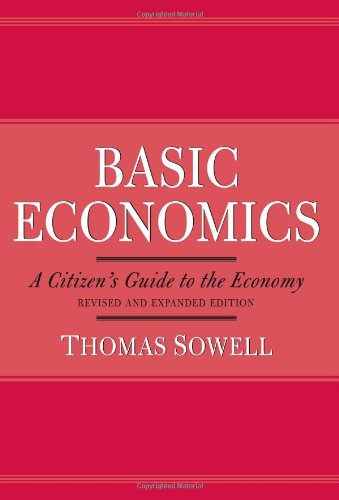
A plain-English guide to how economies work.
10. Doughnut Economics by Kate Raworth
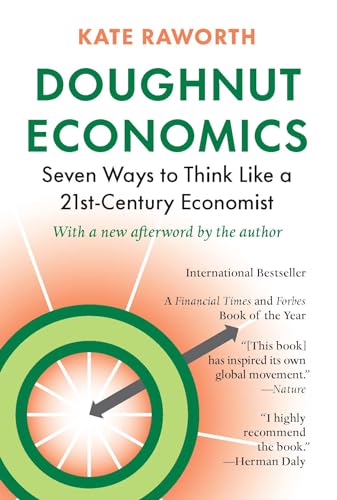
Economics for a sustainable world.
11. The Price of Inequality by Joseph E. Stiglitz
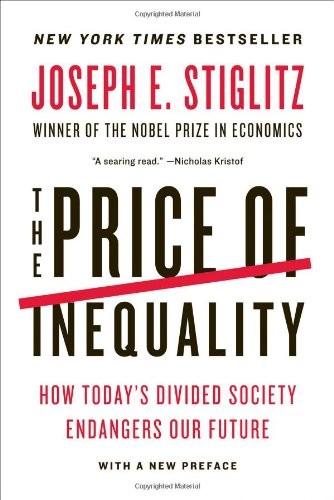
How inequality harms societies.
12. 23 Things They Don't Tell You About Capitalism by Ha-Joon Chang
Short chapters on common economic myths.
13. The Armchair Economist by Steven E. Landsburg
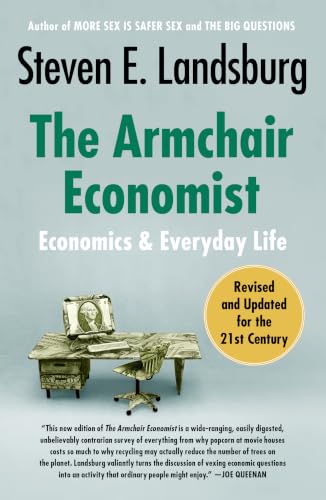
Economics applied to everyday puzzles.
14. Why Nations Fail by Daron Acemoglu and James A. Robinson
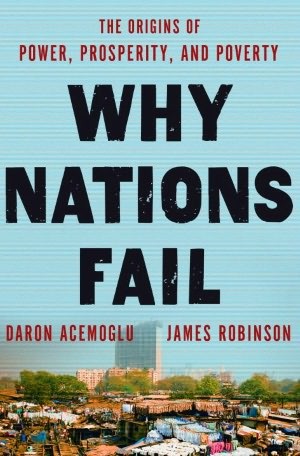
Why some countries prosper.
15. Freakonomics by Steven D. Levitt and Stephen J. Dubner
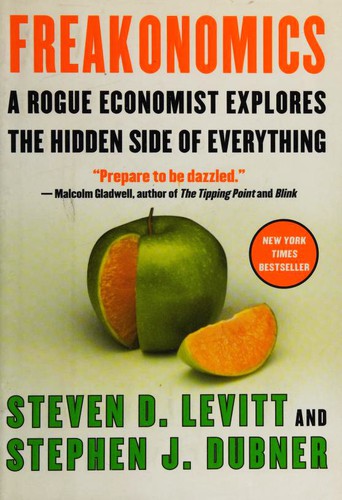
Surprising answers to everyday questions.
How to Choose
Beginners should start with Naked Economics or The Undercover Economist. For big debates, read Capital in the Twenty-First Century or Why Nations Fail.
How We Chose These Books
Every pick is a real, widely available book with strong reviews from readers, teachers or librarians. We mixed well-known favourites with a few less obvious titles and noted who each one suits best. Check the description and the table before you buy, and borrow a copy from the library first if you are unsure.
Tips for Getting the Most From These Books
- Start with one. Pick the title that matches your goal today, not the longest one on the list.
- Sample first. Read the opening chapter in a library copy or ebook preview before you buy.
- Try audio. Many of these work well as audiobooks on a commute or walk.
- Mix formats. Try an audiobook or ebook version of one pick to see which format clicks.
- Keep a list. Jot down the titles you finish so you can look for more by the same authors.
Frequently Asked Questions
Which book should I start with?
The Wealth of Nations by Adam Smith is a strong first pick, and every book on this list is worth a look.
Where can I find these books?
Most of these titles are easy to find at public libraries and bookshops, and many are also available as ebooks or audiobooks.
Related: Nudge by Richard H. Thaler and Cass R. Sunstein: Summary and Key Takeaways · Why Nations Fail by Daron Acemoglu and James A. Robinson: Summary and Key Takeaways