
Disclosure: As an Amazon Associate, Bookish Wisdom earns from qualifying purchases. This doesn't change our picks or your price.
Quick answer: The best books About Mathematics include Fermat's Last Theorem by Simon Singh, The Joy of x by Steven Strogatz and How Not to Be Wrong by Jordan Ellenberg, plus twelve more strong picks. Each one below has a short description and who it suits best, with a quick table to compare them.
Mathematics is full of stories: unsolved puzzles, eccentric geniuses and surprising uses in everyday life. These books explain math for curious readers without heavy equations. Some are funny, others moving.
Each book below has a short description and a note on who it suits best. Use the quick table to compare the picks at a glance, then read the full entries for the titles that catch your eye.
Table of Contents
Quick Picks at a Glance
| Book | Author | Best for |
|---|---|---|
| Fermat's Last Theorem | Simon Singh | great puzzles |
| The Joy of x | Steven Strogatz | everyday math |
| How Not to Be Wrong | Jordan Ellenberg | math in real life |
| The Man Who Knew Infinity | Robert Kanigel | biography |
| A Mathematician's Apology | G. H. Hardy | short classics |
| Zero | Charles Seife | history of ideas |
| Flatland | Edwin A. Abbott | math fiction |
| The Music of the Primes | Marcus du Sautoy | prime numbers |
| Humble Pi | Matt Parker | funny math mistakes |
| Mathematics for the Nonmathematician | Morris Kline | a full introduction |
| Is Math Real? | Eugenia Cheng | big questions |
| A Beautiful Mind | Sylvia Nasar | biography |
| The Man Who Loved Only Numbers | Paul Hoffman | eccentric geniuses |
| Weapons of Math Destruction | Cathy O'Neil | data and society |
| Gödel, Escher, Bach | Douglas R. Hofstadter | ambitious readers |
1. Fermat's Last Theorem by Simon Singh
The 350-year quest to solve a famous problem.
2. The Joy of x by Steven Strogatz
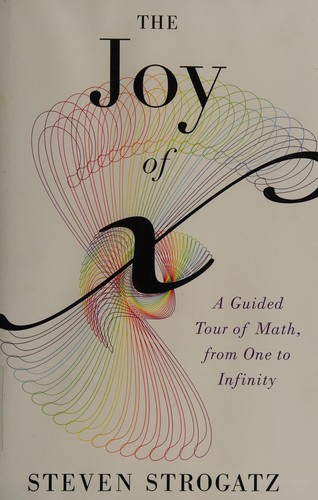
A friendly tour of math from numbers to infinity.
3. How Not to Be Wrong by Jordan Ellenberg
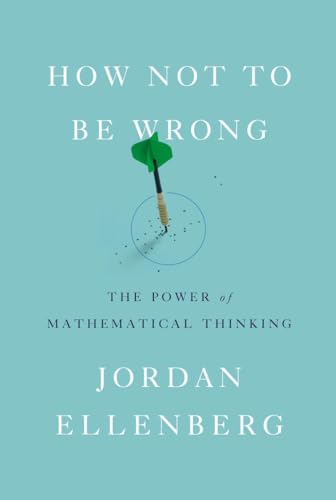
How mathematical thinking helps in daily life.
4. The Man Who Knew Infinity by Robert Kanigel
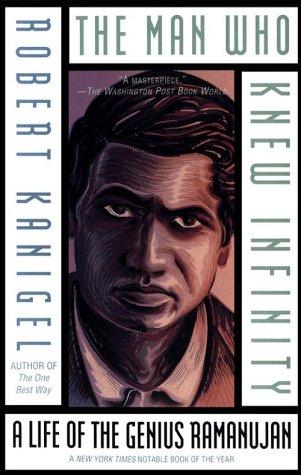
The life of Indian genius Srinivasa Ramanujan.
5. A Mathematician's Apology by G. H. Hardy
A great mathematician on the beauty of math.
6. Zero by Charles Seife
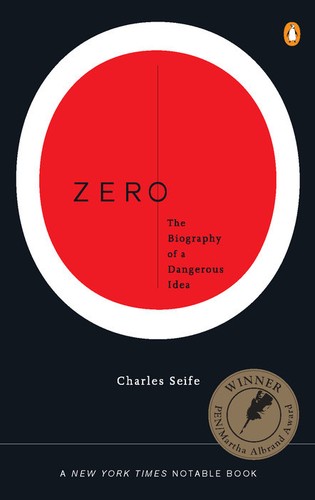
The story of zero and why it was feared.
7. Flatland by Edwin A. Abbott
A square living in two dimensions discovers a third.
8. The Music of the Primes by Marcus du Sautoy
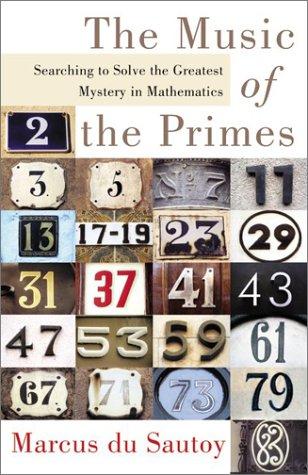
The search to understand prime numbers.
9. Humble Pi by Matt Parker
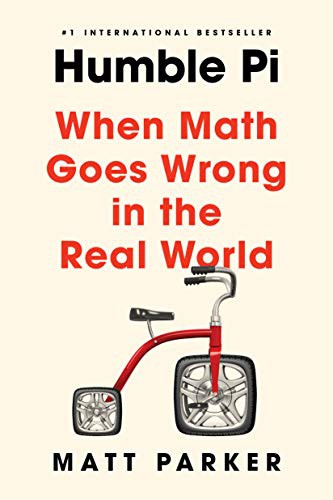
When math goes wrong in the real world.
10. Mathematics for the Nonmathematician by Morris Kline
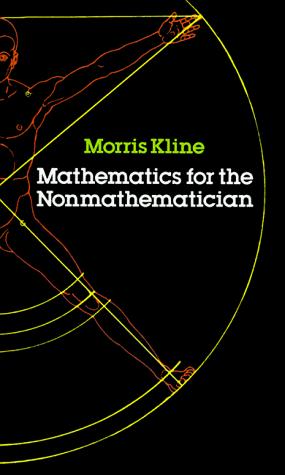
Math explained through its history.
11. Is Math Real? by Eugenia Cheng
How simple questions lead to deep math.
12. A Beautiful Mind by Sylvia Nasar
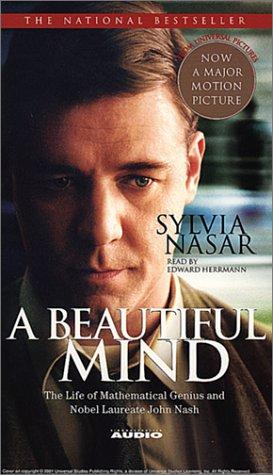
The life of John Nash.
13. The Man Who Loved Only Numbers by Paul Hoffman
The life of Paul Erdős.
14. Weapons of Math Destruction by Cathy O'Neil
How algorithms can increase inequality.
15. Gödel, Escher, Bach by Douglas R. Hofstadter
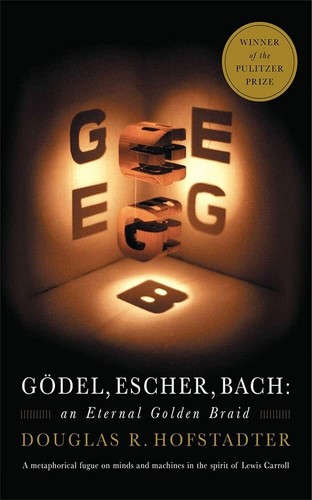
Minds, math and meaning.
How to Choose
For fun, start with Humble Pi or The Joy of x. For a great story, read Fermat's Last Theorem, and for biography, choose The Man Who Knew Infinity.
How We Chose These Books
Every pick is a real, widely available book with strong reviews from readers, teachers or librarians. We mixed well-known favourites with a few less obvious titles and noted who each one suits best. Check the description and the table before you buy, and borrow a copy from the library first if you are unsure.
Tips for Getting the Most From These Books
- Start with one. Pick the title that matches your goal today, not the longest one on the list.
- Sample first. Read the opening chapter in a library copy or ebook preview before you buy.
- Try audio. Many of these work well as audiobooks on a commute or walk.
- Mix formats. Try an audiobook or ebook version of one pick to see which format clicks.
- Keep a list. Jot down the titles you finish so you can look for more by the same authors.
Frequently Asked Questions
Which book should I start with?
Fermat's Last Theorem by Simon Singh is a strong first pick, and every book on this list is worth a look.
Where can I find these books?
Most of these titles are easy to find at public libraries and bookshops, and many are also available as ebooks or audiobooks.