
Disclosure: As an Amazon Associate, Bookish Wisdom earns from qualifying purchases. This doesn't change our picks or your price.
Quick answer: The best books for teens to improve vocabulary include The Phantom Tollbooth by Norton Juster, Frindle by Andrew Clements and Word by Word by Kory Stamper, plus twelve more strong picks. Each one below has a short description and who it suits best, with a quick table to compare them.
Reading widely is the best way for teens to build vocabulary, and some books are especially rich in interesting words. These picks include word-packed novels, classics and fun books about language itself.
Each book below has a short description and a note on who it suits best. Use the quick table to compare the picks at a glance, then read the full entries for the titles that catch your eye.
Table of Contents
Quick Picks at a Glance
| Book | Author | Ages | Best for |
|---|---|---|---|
| The Phantom Tollbooth | Norton Juster | 10+ | wordplay |
| Frindle | Andrew Clements | 9-12 | invented words |
| Word by Word | Kory Stamper | 15+ | dictionaries |
| The Westing Game | Ellen Raskin | 11+ | puzzles |
| Ella Enchanted | Gail Carson Levine | 10+ | fairy tales |
| The Book Thief | Markus Zusak | 14+ | lyrical prose |
| Pride and Prejudice | Jane Austen | 14+ | classics |
| Fahrenheit 451 | Ray Bradbury | 14+ | imagery |
| The Hobbit | J.R.R. Tolkien | 11+ | fantasy |
| The Giver | Lois Lowry | 12+ | precise language |
| Vocabulary Cartoons | Sam Burchers | 11+ | memory aids |
| Word Power Made Easy | Norman Lewis | 14+ | vocabulary guides |
| The Mysterious Benedict Society | Trenton Lee Stewart | 10+ | puzzles |
| Holes | Louis Sachar | 11+ | storytelling |
| A Series of Unfortunate Events: The Bad Beginning | Lemony Snicket | 10+ | word definitions |
1. The Phantom Tollbooth by Norton Juster
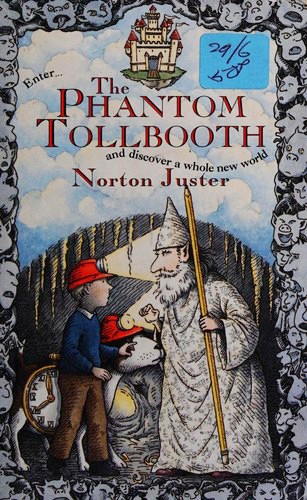
Milo visits a land of words. Ages 10+.
2. Frindle by Andrew Clements
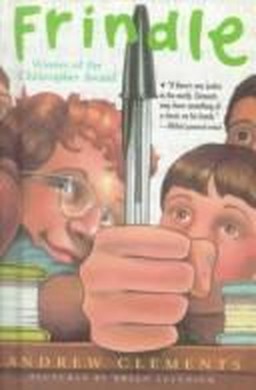
Nick invents a new word. Ages 9-12.
3. Word by Word by Kory Stamper
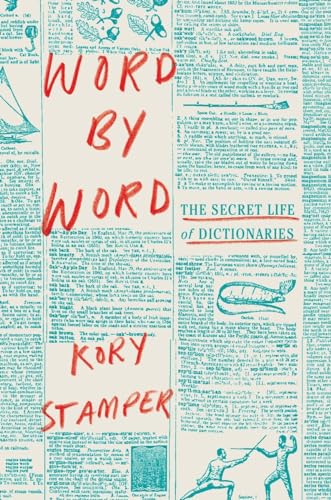
A lexicographer on how dictionaries are made. Ages 15+.
4. The Westing Game by Ellen Raskin
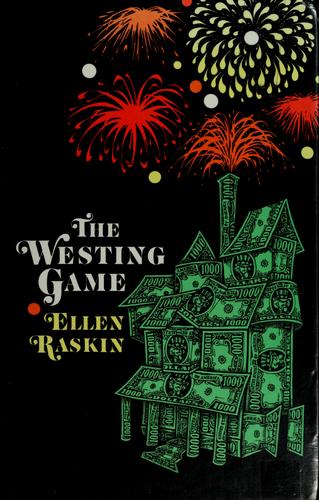
Rich vocabulary in a clever mystery. Ages 11+.
5. Ella Enchanted by Gail Carson Levine
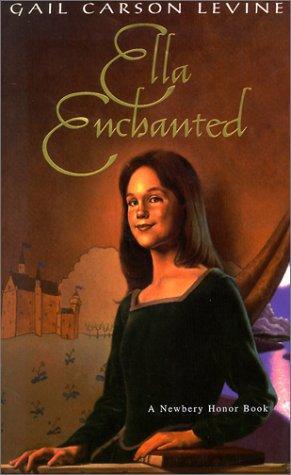
Rich, playful language. Ages 10+.
6. The Book Thief by Markus Zusak
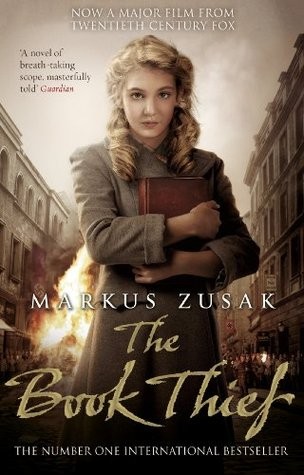
Death narrates with vivid language. Ages 14+.
7. Pride and Prejudice by Jane Austen
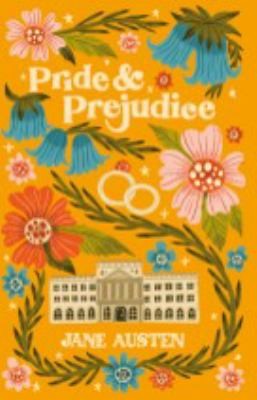
Witty, precise language. Ages 14+.
8. Fahrenheit 451 by Ray Bradbury
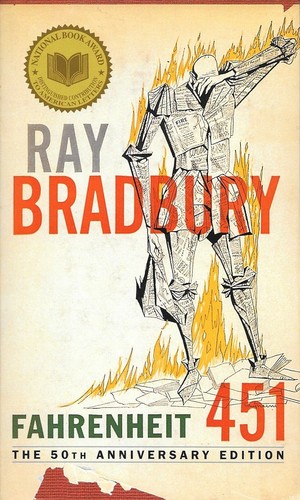
Poetic language about books. Ages 14+.
9. The Hobbit by J.R.R. Tolkien
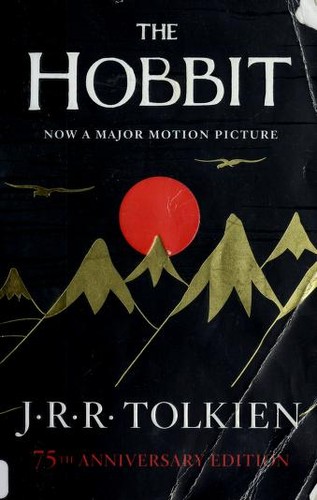
Rich descriptive vocabulary. Ages 11+.
10. The Giver by Lois Lowry
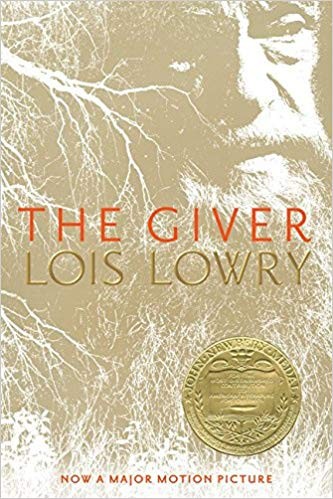
A world where words are carefully controlled. Ages 12+.
11. Vocabulary Cartoons by Sam Burchers
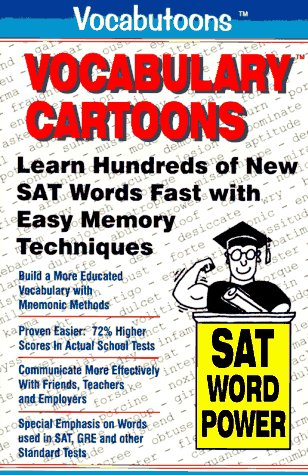
Cartoons help teens remember SAT words. Ages 11+.
12. Word Power Made Easy by Norman Lewis
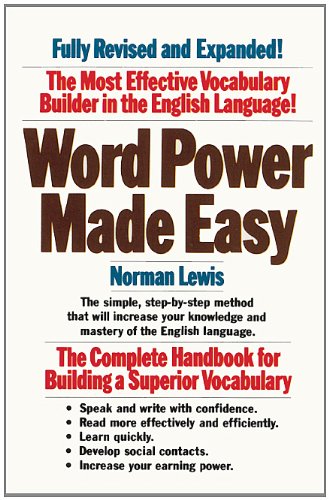
A classic vocabulary-building course. Ages 14+.
13. The Mysterious Benedict Society by Trenton Lee Stewart
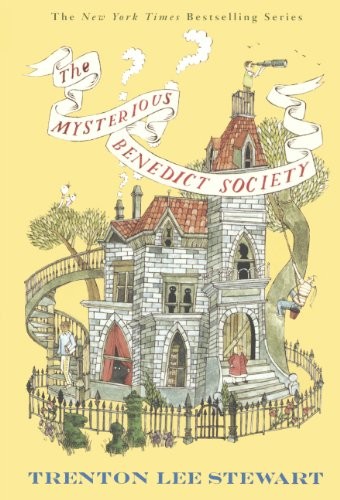
Clever kids and clever words. Ages 10+.
14. Holes by Louis Sachar
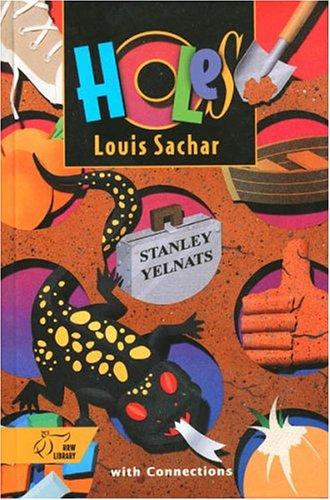
Tight, memorable writing. Ages 11+.
15. A Series of Unfortunate Events: The Bad Beginning by Lemony Snicket
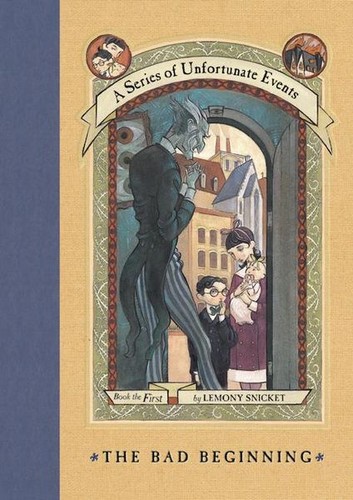
Snicket defines big words with humour. Ages 10+.
How to Choose
For younger teens, A Series of Unfortunate Events and The Phantom Tollbooth make words fun. Teens preparing for tests can use Word Power Made Easy and Vocabulary Cartoons.
How We Chose These Books
Every pick is a real, widely available book with strong reviews from parents, teachers and librarians. We mixed well-known favourites with a few less obvious titles and gave each one a suggested age range. Age ranges are guides, not rules, so preview a book first if your child is sensitive to a topic.
Tips for Sharing These Books
- Preview first. A quick skim helps you spot anything worth talking about.
- Read together. Ask what a character feels or might do next.
- Use the library. Borrow a few titles and see which ones your reader returns to.
- Talk about it. After each book, ask what your child liked best and what surprised them.
- Keep a list. Write down the titles you finish so you can find more by the same authors.
Frequently Asked Questions
Which book should I start with?
The Phantom Tollbooth by Norton Juster is a strong first pick, and every book on this list is worth a look.
What ages are these books for?
The books on this list suit roughly ages 9 to 15, and each entry shows its own suggested range.
Where can I find these books?
Most of these titles are easy to find at public libraries and bookshops, and many are also available as ebooks or audiobooks.
Related: The Phantom Tollbooth by Norton Juster: Summary and Key Takeaways · Frindle by Andrew Clements: Summary and Key Takeaways