
Disclosure: As an Amazon Associate, Bookish Wisdom earns from qualifying purchases. This doesn't change our picks or your price.
Quick answer: The best books for UX design beginners include Don't Make Me Think by Steve Krug, The Design of Everyday Things by Don Norman and The Elements of User Experience by Jesse James Garrett, plus twelve more strong picks. Each one below has a short description and who it suits best, with a quick table to compare them.
UX design is about making products that are easy and pleasant to use, and you can learn the core ideas without a design degree. These UX design books for beginners cover usability, user research, interface design and the psychology behind how people use apps and websites.
Table of Contents
Quick Picks at a Glance
| Book | Author | Best for |
|---|---|---|
| Don't Make Me Think | Steve Krug | usability basics |
| The Design of Everyday Things | Don Norman | design thinking |
| The Elements of User Experience | Jesse James Garrett | the big picture |
| Laws of UX | Jon Yablonski | psychology |
| Refactoring UI | Adam Wathan and Steve Schoger | visual polish |
| 100 Things Every Designer Needs to Know About People | Susan Weinschenk | how people think |
| Just Enough Research | Erika Hall | user research |
| Rocket Surgery Made Easy | Steve Krug | usability testing |
| Interviewing Users | Steve Portigal | interviews |
| Lean UX | Jeff Gothelf and Josh Seiden | agile teams |
| Sprint | Jake Knapp | solving problems fast |
| The User Experience Team of One | Leah Buley | solo designers |
| About Face | Alan Cooper and others | interaction design |
| Mismatch | Kat Holmes | inclusive design |
| Universal Principles of Design | William Lidwell, Kritina Holden and Jill Butler | reference |
1. Don't Make Me Think by Steve Krug
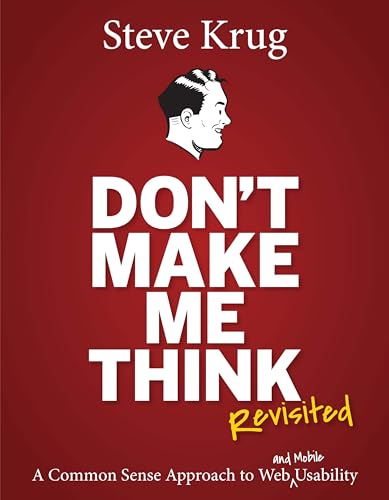
A short, funny classic on making websites and apps easy to use.
2. The Design of Everyday Things by Don Norman
Why some objects are easy to use and others frustrate us, from a founder of UX.
3. The Elements of User Experience by Jesse James Garrett
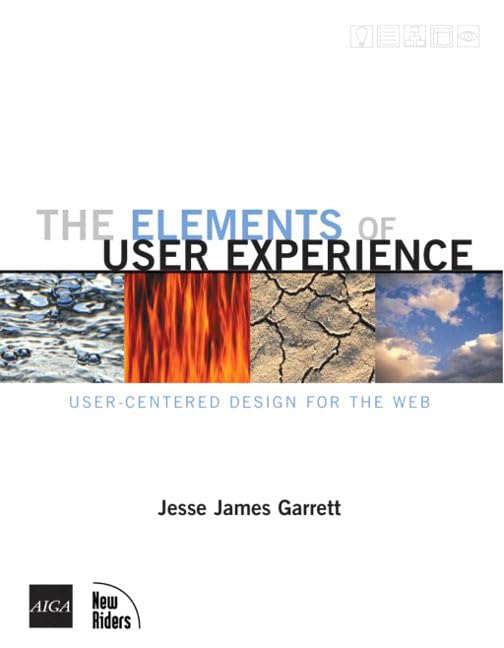
A clear model of the layers that make up a user experience.
4. Laws of UX by Jon Yablonski
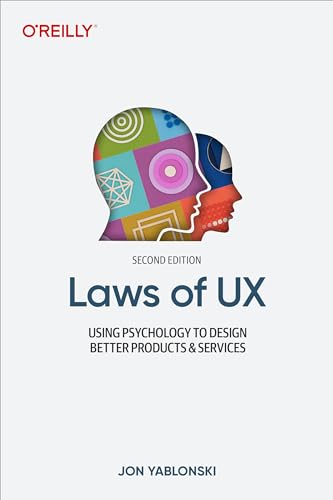
Key psychology principles every designer should know, with examples.
5. Refactoring UI by Adam Wathan and Steve Schoger
Practical tips for making interfaces look clean and professional.
6. 100 Things Every Designer Needs to Know About People by Susan Weinschenk
Short, research-backed lessons on attention, memory and motivation.
7. Just Enough Research by Erika Hall
A lively guide to doing useful research on any budget.
8. Rocket Surgery Made Easy by Steve Krug
How to run simple usability tests yourself.
9. Interviewing Users by Steve Portigal
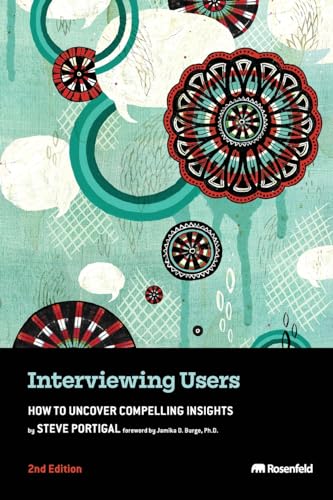
How to talk to users and learn what they really need.
10. Lean UX by Jeff Gothelf and Josh Seiden
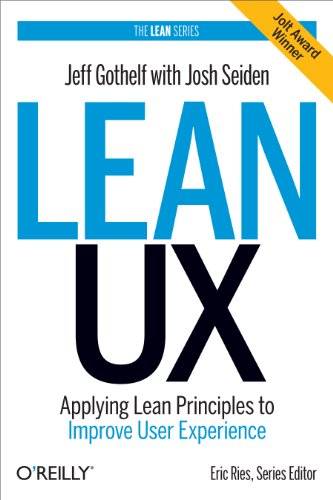
Fitting UX into fast product cycles.
11. Sprint by Jake Knapp
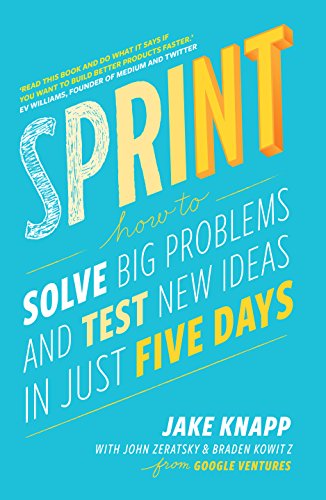
Google Ventures' five-day process for testing ideas.
12. The User Experience Team of One by Leah Buley
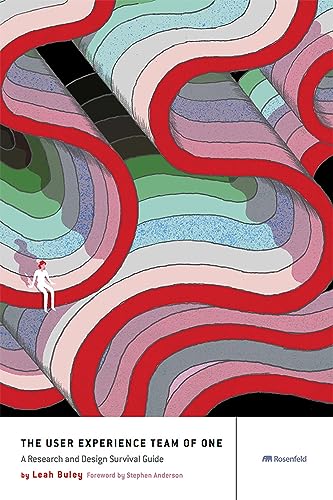
Doing great UX work with few resources.
13. About Face by Alan Cooper and others
A thorough reference on designing digital products.
14. Mismatch by Kat Holmes
How designing for exclusion helps everyone.
15. Universal Principles of Design by William Lidwell, Kritina Holden and Jill Butler
125 design principles explained visually.
How to Choose
Start with Don't Make Me Think, then read The Design of Everyday Things for the deeper thinking behind good design. When you are ready to work on real projects, Just Enough Research and Refactoring UI are the most practical next steps.
How We Chose These Books
Every pick is a real, widely available book with strong reviews from readers, teachers or librarians. We mixed well-known favourites with a few less obvious titles and noted who each one suits best. Check the description and the table before you buy, and borrow a copy from the library first if you are unsure.
Tips for Getting the Most From These Books
- Start with one. Pick the title that matches your goal today, not the longest one on the list.
- Sample first. Read the opening chapter in a library copy or ebook preview before you buy.
- Try audio. Many of these work well as audiobooks on a commute or walk.
Frequently Asked Questions
Which book should I start with?
Don't Make Me Think by Steve Krug is a strong first pick, and every book on this list is worth a look.
Where can I find these books?
Most of these titles are easy to find at public libraries and bookshops, and many are also available as ebooks or audiobooks.