
Disclosure: As an Amazon Associate, Bookish Wisdom earns from qualifying purchases. This doesn't change our picks or your price.
Quick answer: The best books on astrophysics for beginners include Astrophysics for People in a Hurry by Neil deGrasse Tyson, Welcome to the Universe by Neil deGrasse Tyson, Michael A. Strauss and J. Richard Gott and We Have No Idea by Jorge Cham and Daniel Whiteson, plus twelve more strong picks. Each one below has a short description and who it suits best, with a quick table to compare them.
Astrophysics explains how stars shine, how black holes form and how the universe began, and you don't need a physics degree to follow it. These astrophysics books for beginners explain the big ideas in clear, often funny language, with a few textbooks for when you want to go deeper.
Table of Contents
Quick Picks at a Glance
| Book | Author | Best for |
|---|---|---|
| Astrophysics for People in a Hurry | Neil deGrasse Tyson | quick overview |
| Welcome to the Universe | Neil deGrasse Tyson, Michael A. Strauss and J. Richard Gott | a full course |
| We Have No Idea | Jorge Cham and Daniel Whiteson | fun and illustrated |
| The End of Everything | Katie Mack | how it ends |
| Death by Black Hole | Neil deGrasse Tyson | essays |
| Black Holes and Time Warps | Kip S. Thorne | black holes |
| Black Holes: The Key to Understanding the Universe | Brian Cox and Jeff Forshaw | modern physics |
| The Little Book of Black Holes | Steven S. Gubser and Frans Pretorius | short read |
| The First Three Minutes | Steven Weinberg | the Big Bang |
| Origins | Neil deGrasse Tyson and Donald Goldsmith | cosmic evolution |
| Just Six Numbers | Martin Rees | the universe's recipe |
| Light of the Stars | Adam Frank | alien worlds |
| Astrophysics: A Very Short Introduction | James Binney | concise |
| Cosmology: A Very Short Introduction | Peter Coles | cosmology |
| An Introduction to Modern Astrophysics | Bradley W. Carroll and Dale A. Ostlie | textbook |
1. Astrophysics for People in a Hurry by Neil deGrasse Tyson
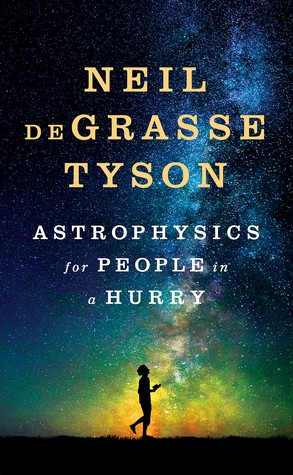
Short, witty chapters on the biggest ideas in the cosmos.
2. Welcome to the Universe by Neil deGrasse Tyson, Michael A. Strauss and J. Richard Gott
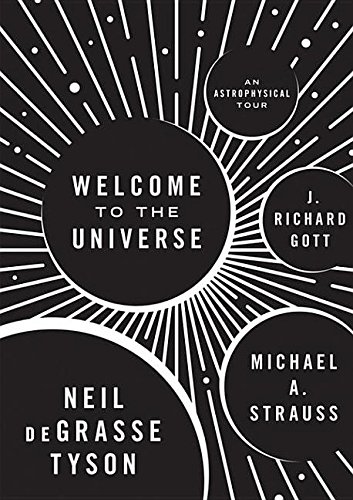
Based on the authors' popular Princeton course for non-scientists.
3. We Have No Idea by Jorge Cham and Daniel Whiteson
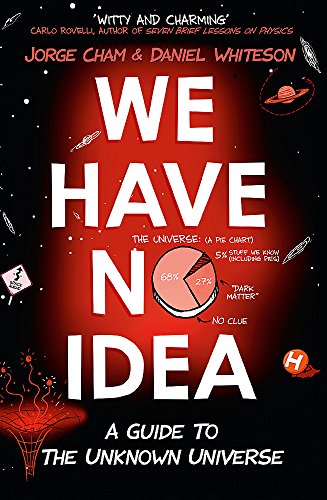
A comic guide to what scientists still don't know about the universe.
4. The End of Everything by Katie Mack
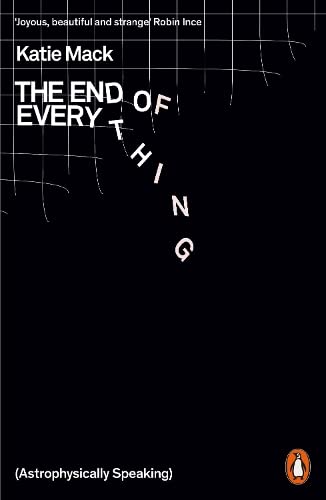
A lively look at the ways the universe could end.
5. Death by Black Hole by Neil deGrasse Tyson
Tyson's entertaining essays on cosmic questions.
6. Black Holes and Time Warps by Kip S. Thorne
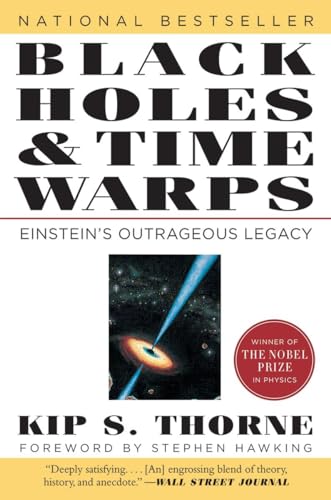
A Nobel winner's history of black hole science.
7. Black Holes: The Key to Understanding the Universe by Brian Cox and Jeff Forshaw
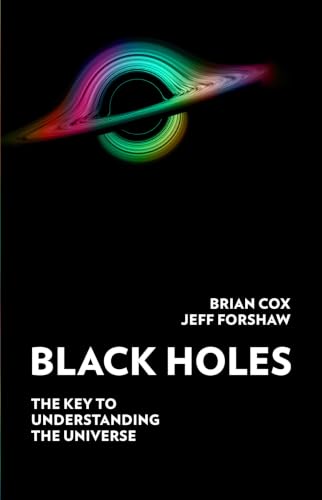
Why black holes matter.
8. The Little Book of Black Holes by Steven S. Gubser and Frans Pretorius
A compact introduction to black holes.
9. The First Three Minutes by Steven Weinberg
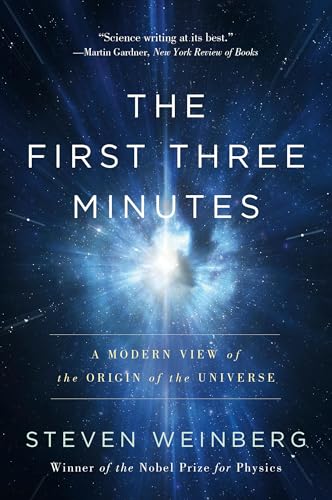
A classic account of the early universe.
10. Origins by Neil deGrasse Tyson and Donald Goldsmith
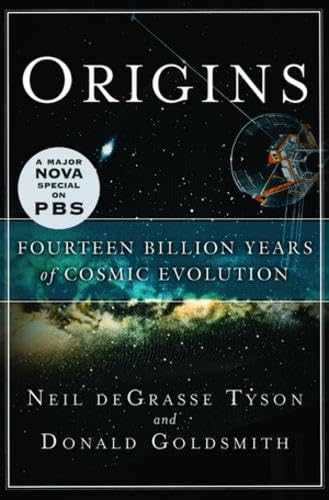
Fourteen billion years of history.
11. Just Six Numbers by Martin Rees
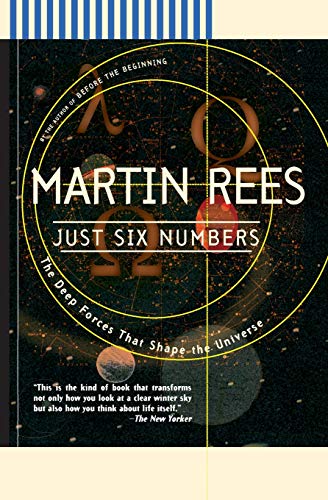
Six numbers that shape the cosmos.
12. Light of the Stars by Adam Frank
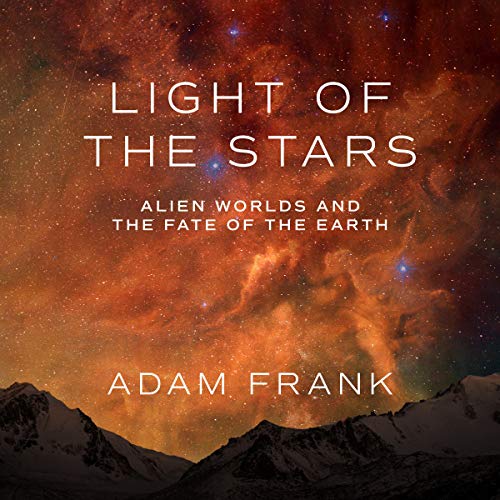
Astrophysics and the search for life.
13. Astrophysics: A Very Short Introduction by James Binney
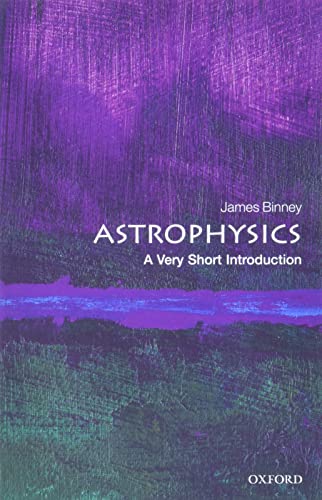
A short, rigorous overview.
14. Cosmology: A Very Short Introduction by Peter Coles
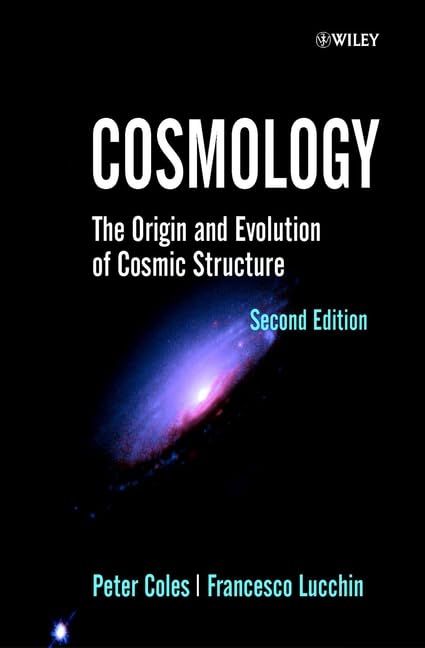
The universe's origin and structure.
15. An Introduction to Modern Astrophysics by Bradley W. Carroll and Dale A. Ostlie
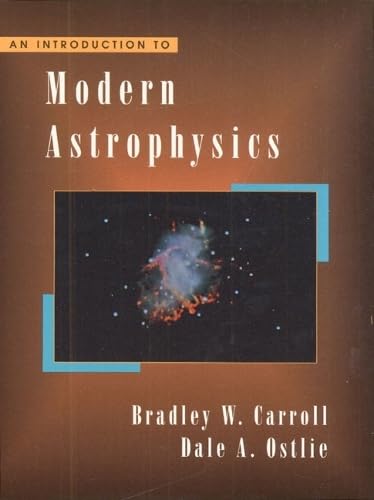
The standard undergraduate text.
How to Choose
Start with Astrophysics for People in a Hurry, then Welcome to the Universe for a fuller course. If you want laughs with your science, We Have No Idea is the pick, and An Introduction to Modern Astrophysics is the textbook for serious study.
How We Chose These Books
Every pick is a real, widely available book with strong reviews from readers, teachers or librarians. We mixed well-known favourites with a few less obvious titles and noted who each one suits best. Check the description and the table before you buy, and borrow a copy from the library first if you are unsure.
Tips for Getting the Most From These Books
- Start with one. Pick the title that matches your goal today, not the longest one on the list.
- Sample first. Read the opening chapter in a library copy or ebook preview before you buy.
- Try audio. Many of these work well as audiobooks on a commute or walk.
Frequently Asked Questions
Which book should I start with?
Astrophysics for People in a Hurry by Neil deGrasse Tyson is a strong first pick, and every book on this list is worth a look.
Where can I find these books?
Most of these titles are easy to find at public libraries and bookshops, and many are also available as ebooks or audiobooks.