
Disclosure: As an Amazon Associate, Bookish Wisdom earns from qualifying purchases. This doesn’t change our picks or your price.
Quick answer: The best books on Chernobyl explain the 1986 nuclear disaster, the Soviet response and its long aftermath. Start with Midnight in Chernobyl by Adam Higginbotham, Voices from Chernobyl by Svetlana Alexievich, Chernobyl: The History of a Nuclear Catastrophe by Serhii Plokhy, Manual for Survival by Kate Brown and The Truth About Chernobyl by Grigori Medvedev.
At 1:23 a.m. on April 26, 1986, a safety test went wrong at reactor No. 4 of the Chernobyl nuclear power plant in Soviet Ukraine. An explosion and fire released huge amounts of radioactive material across Europe. Firefighters and plant workers died of radiation sickness, more than 100,000 people were evacuated at first, rising to over 300,000 in the following years, and the town of Pripyat was abandoned. Soviet authorities were slow to admit what had happened. The disaster helped bring down the Soviet Union and still shapes debates about nuclear power. The books below include gripping narratives, oral histories, investigations of the cover-up and novels set in the Exclusion Zone.
Table of Contents
Quick Picks at a Glance
| Book | Author | Type | Best For |
|---|---|---|---|
| Midnight in Chernobyl | Adam Higginbotham | Narrative history | The best overall account |
| Voices from Chernobyl | Svetlana Alexievich | Oral history | The human story |
| Chernobyl: The History of a Nuclear Catastrophe | Serhii Plokhy | History | The political story |
| Manual for Survival | Kate Brown | History | The health consequences |
| The Truth About Chernobyl | Grigori Medvedev | Insider account | Primary sources |
| Chernobyl 01:23:40 | Andrew Leatherbarrow | Popular history | A short introduction |
| Ablaze | Piers Paul Read | Narrative history | Early inside story |
| Wormwood Forest | Mary Mycio | Natural history | Nature in the Zone |
| Atoms and Ashes | Serhii Plokhy | History | Nuclear disasters compared |
| Atomic Accidents | James Mahaffey | History of technology | Science lovers |
| Plutopia | Kate Brown | History | Nuclear cities |
| Chernobyl: Confessions of a Reporter | Igor Kostin | Photography | Visual learners |
| Chernobyl Record | R. F. Mould | Reference | Serious readers |
| Wolves Eat Dogs | Martin Cruz Smith | Mystery novel | Crime fiction fans |
| The Sky Unwashed | Irene Zabytko | Novel | Literary fiction fans |
1. Midnight in Chernobyl by Adam Higginbotham
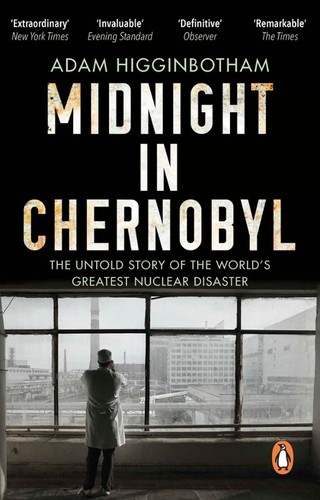
Higginbotham reconstructs the accident, the heroic and flawed response and the cover-up, using interviews and archives. It’s gripping and won the Carnegie Medal for nonfiction.
2. Voices from Chernobyl by Svetlana Alexievich
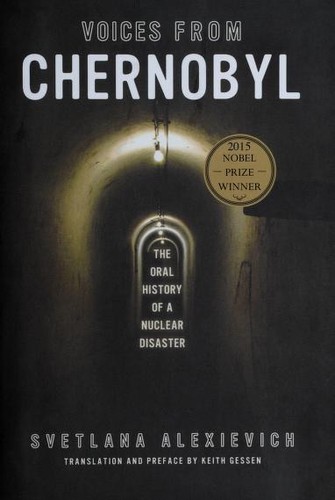
The Nobel Prize-winning author interviewed widows, workers, scientists and evacuees about their lives after the disaster. It’s devastating and unforgettable.
3. Chernobyl: The History of a Nuclear Catastrophe by Serhii Plokhy
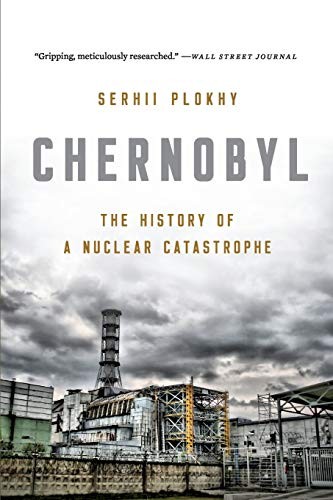
Plokhy, a Ukrainian-born historian, explains how Soviet politics caused the disaster and how the disaster helped end the Soviet Union. It won the Baillie Gifford Prize.
4. Manual for Survival by Kate Brown
Brown investigates the long-term health and environmental effects of Chernobyl and argues they were worse than officially admitted. It’s important and challenging.
5. The Truth About Chernobyl by Grigori Medvedev
Medvedev, a Soviet nuclear engineer who once worked at Chernobyl, wrote this early account of the accident. It’s technical in places but powerful.
6. Chernobyl 01:23:40 by Andrew Leatherbarrow
Leatherbarrow mixes a clear account of the accident with his own trip to the Exclusion Zone. It’s short and accessible.
7. Ablaze by Piers Paul Read
Read interviewed many people involved for this 1993 account of the disaster and its aftermath. It’s well paced and human.
8. Wormwood Forest by Mary Mycio
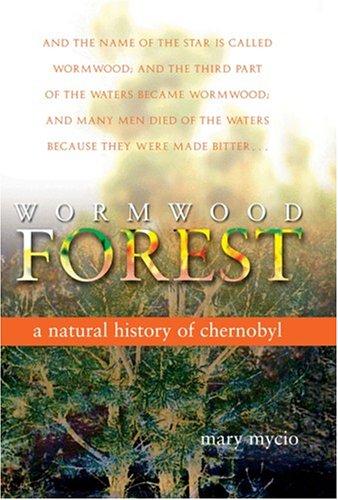
Mycio, a journalist, explores how wildlife has returned to the Exclusion Zone and what radiation means for it. It’s fascinating and surprising.
9. Atoms and Ashes by Serhii Plokhy
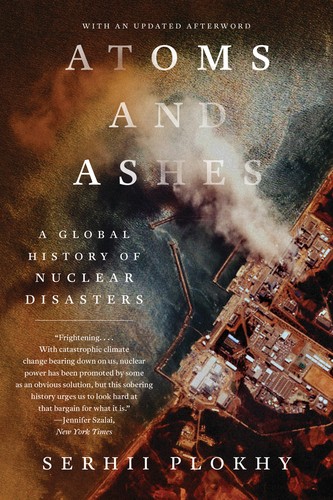
Plokhy places Chernobyl alongside other nuclear accidents, from Bikini to Fukushima. It’s a useful wider view.
10. Atomic Accidents by James Mahaffey
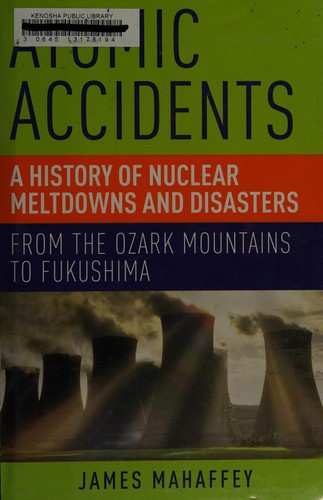
Mahaffey, a nuclear engineer, tells the history of nuclear accidents with clear explanations and dark humor. It puts Chernobyl in technical context.
11. Plutopia by Kate Brown
Brown compares the American and Soviet plutonium cities of Richland and Ozyorsk, showing the hidden costs of the nuclear age. It won several prizes.
12. Chernobyl: Confessions of a Reporter by Igor Kostin
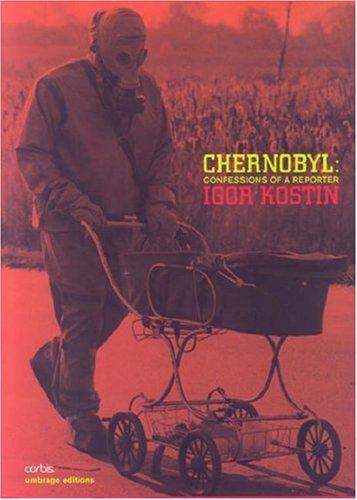
Kostin photographed the burning reactor from a helicopter on the day of the accident. His book of photographs and memories is haunting.
13. Chernobyl Record by R. F. Mould
Mould’s detailed record covers the accident, the evacuation, the health effects and the sarcophagus. It’s a technical reference packed with data.
14. Wolves Eat Dogs by Martin Cruz Smith
Smith’s Moscow investigator Arkady Renko follows a murder into the Chernobyl Exclusion Zone. It’s atmospheric and smart.
15. The Sky Unwashed by Irene Zabytko
An elderly Ukrainian woman returns to her village near Chernobyl after the evacuation. Zabytko’s quiet novel is moving and humane.
Tips for Reading About Chernobyl
- Start with Higginbotham. Midnight in Chernobyl is the clearest, most gripping account.
- Read the voices. Alexievich shows what the disaster meant to people.
- Learn a little science. Mahaffey explains reactors without heavy math.
- Compare with the TV series. HBO’s Chernobyl dramatizes some events, so check the books.
- Think about the politics. Plokhy shows how the disaster helped end the Soviet Union.
- Look at the Zone today. Wormwood Forest shows how nature has returned.
Related: best books on the Cold War and best books on the Cuban Missile Crisis.
Frequently Asked Questions
What is the best book about Chernobyl?
Midnight in Chernobyl by Adam Higginbotham is the best overall account, and Voices from Chernobyl by Svetlana Alexievich is the most powerful human story.
Is the HBO series Chernobyl accurate?
It’s largely faithful to the main events but invents or combines some characters and scenes. Books like Midnight in Chernobyl give the full story.
When did the Chernobyl disaster happen?
The explosion happened at 1:23 a.m. on April 26, 1986, at reactor No. 4 of the Chernobyl Nuclear Power Plant in Soviet Ukraine.