

Navigating disagreements and conflicts in relationships can feel overwhelming, but the right guidance makes all the difference. These carefully selected best books on conflict resolution in relationships offer proven strategies, expert insights, and practical tools to transform how you handle disputes with your partner, family members, and loved ones. Whether you’re dealing with recurring arguments or seeking to improve communication skills, these books provide the roadmap to healthier, more harmonious relationships.
Table of Contents
1. Getting to Yes by Roger Fisher and William Ury
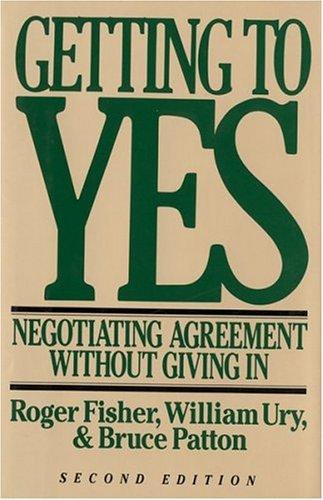
This foundational text revolutionizes how we approach negotiations and conflicts in all relationships. Fisher and Ury introduce the concept of principled negotiation, focusing on interests rather than positions to create win-win solutions. The book’s four-step method helps couples move beyond adversarial dynamics toward collaborative problem-solving. Their approach transforms conflicts from battles to be won into puzzles to be solved together, making it essential reading for anyone seeking lasting relationship harmony.
2. Nonviolent Communication by Marshall Rosenberg
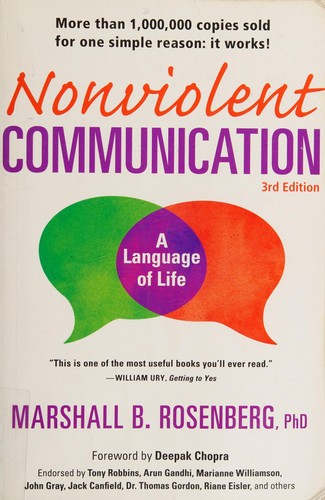
Rosenberg’s groundbreaking work teaches readers how to express needs and feelings without blame or criticism. The four-step NVC process observation, feelings, needs, and requests creates a framework for compassionate dialogue during heated moments. This book demonstrates how language choices can either escalate conflicts or create deeper understanding and connection. Couples who master these techniques often report dramatic improvements in their ability to discuss difficult topics without damaging their relationship.
3. The Seven Principles for Making Marriage Work by John Gottman
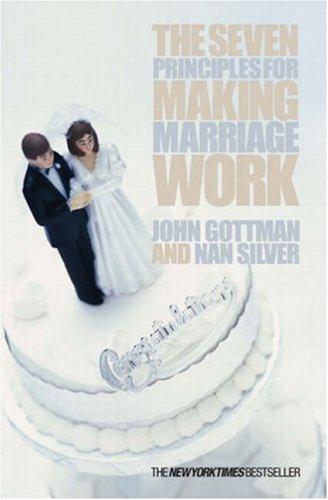
Based on decades of research with thousands of couples, Gottman identifies the key factors that make relationships thrive or fail. His work reveals specific patterns that predict relationship success and provides concrete tools for managing conflict constructively. The book includes practical exercises for building love maps, nurturing fondness and admiration, and creating shared meaning. Gottman’s evidence-based approach makes this one of the most trusted best books on conflict resolution in relationships available today.
4. Crucial Conversations by Kerry Patterson, Joseph Grenny, Ron McMillan, and Al Switzler
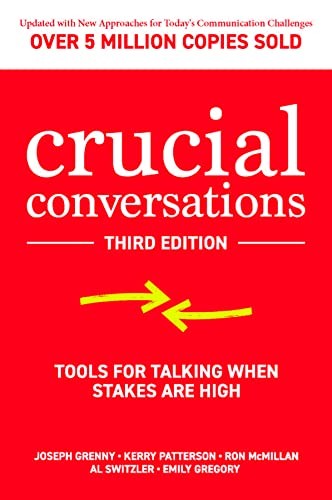
This powerful guide teaches readers how to handle high-stakes discussions when emotions run high and opinions differ. The authors provide a step-by-step approach for creating safety in conversations, mastering difficult dialogues, and speaking persuasively without being abrasive. Their techniques help couples address sensitive topics like finances, intimacy, and future planning without triggering defensive reactions. The book’s practical tools enable partners to discuss anything while maintaining mutual respect and understanding.
5. Hold Me Tight by Sue Johnson
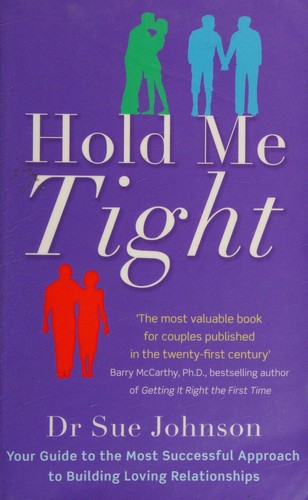
Johnson’s emotionally focused therapy approach helps couples understand the deeper emotional needs driving their conflicts. The book explains how arguments often mask underlying fears of abandonment or rejection, providing insight into the real issues beneath surface disagreements. Her seven conversations framework guides couples through the process of creating secure emotional bonds that naturally reduce conflict frequency and intensity. This approach has helped millions of couples move from chronic fighting to emotional safety and intimacy.
6. The High-Conflict Couple by Alan Fruzzetti
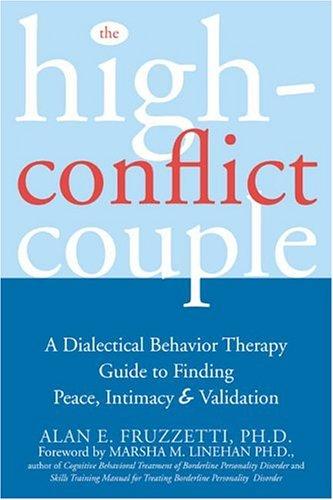
Fruzzetti offers specialized strategies for couples caught in cycles of intense, recurring conflicts that seem impossible to resolve. His dialectical behavior therapy techniques help partners regulate emotions, communicate effectively during crisis moments, and break destructive patterns. The book provides specific tools for managing overwhelming feelings, validating each other’s experiences, and finding middle ground on polarizing issues. These evidence-based methods offer hope for couples who feel trapped in constant turmoil and conflict.
7. Difficult Conversations by Douglas Stone, Bruce Patton, and Sheila Heen
This Harvard Negotiation Project guide breaks down the anatomy of challenging discussions and provides a roadmap for navigating them successfully. The authors identify three types of difficult conversations and offer specific strategies for each, helping readers prepare for and manage tough talks with confidence. Their approach emphasizes curiosity over certainty, learning over being right, and understanding over winning arguments. The book’s insights transform dreaded conversations into opportunities for deeper connection and mutual understanding.
8. The Dance of Anger by Harriet Lerner
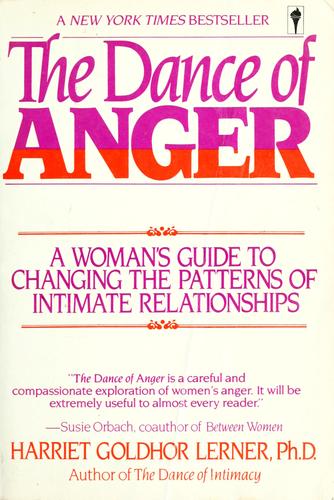
Lerner’s classic work helps readers understand how anger functions in relationships and how to express it constructively rather than destructively. She demonstrates how suppressed anger often leads to passive-aggressive behavior or explosive outbursts that damage relationships. The book provides strategies for setting healthy boundaries, communicating needs clearly, and using anger as information about what needs to change. Her insights help individuals take responsibility for their own emotional responses while working toward positive relationship changes.
9. Wired for Love by Stan Tatkin
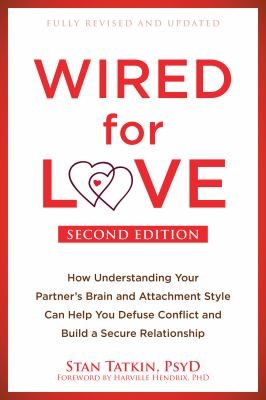
Tatkin combines neuroscience and attachment theory to explain why couples fight and how to create lasting harmony. His psychobiological approach helps partners understand how their brains respond to threat and safety in relationships. The book provides practical exercises for co-regulating emotions, creating secure functioning partnerships, and managing conflicts before they escalate. Understanding the biological basis of relationship dynamics empowers couples to work with their natural wiring rather than against it.
10. The Relationship Cure by John Gottman
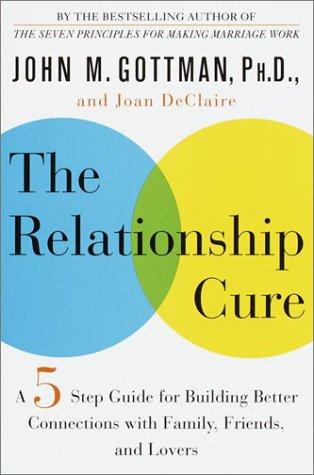
This companion to Gottman’s other works focuses specifically on building emotional connection through small, daily interactions. The book explains how couples can strengthen their friendship and create positive sentiment override that makes conflicts easier to resolve. Gottman’s research shows that couples who maintain strong emotional connections naturally handle disagreements more effectively and recover from arguments more quickly. The practical exercises help partners build the emotional bank account that sustains relationships through challenging times.
11. Fighting for Your Marriage by Howard Markman, Scott Stanley, and Susan Blumberg
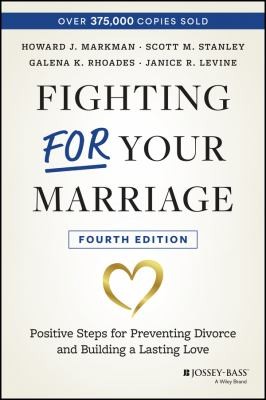
Based on the Prevention and Relationship Enhancement Program (PREP), this book offers research-backed techniques for preventing and resolving conflicts before they damage relationships. The authors provide specific communication skills, ground rules for fair fighting, and strategies for handling hot topics safely. Their approach emphasizes the importance of timing, structure, and safety in difficult conversations. The book includes practical exercises that couples can practice together to build their conflict resolution skills systematically over time.
12. The Power of Two by Susan Heitler
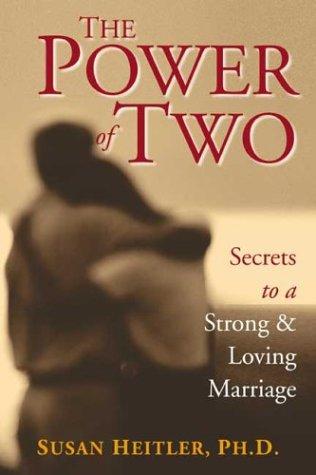
Heitler’s comprehensive guide teaches couples the specific skills needed for collaborative decision-making and conflict resolution. Her systematic approach covers everything from active listening techniques to creative problem-solving strategies that honor both partners’ needs. The book provides detailed instructions for the dialogue process, helping couples move from positions to underlying concerns and interests. Her method transforms conflicts from win-lose scenarios into opportunities for creative solutions that strengthen the relationship while addressing both partners’ core needs and values.
Why These Books Transform Relationships
The best books on conflict resolution in relationships share several key characteristics that make them effective tools for lasting change. They provide evidence-based strategies rather than generic advice, offer practical exercises that couples can implement immediately, and address the emotional dynamics underlying most relationship conflicts. These books recognize that conflict itself isn’t the problem healthy relationships actually need some disagreement to grow and evolve.
What makes these resources particularly valuable is their focus on teaching skills rather than just providing insights. Reading about communication techniques isn’t enough; these books provide step-by-step instructions, practice exercises, and real-world examples that help couples develop new habits. They also acknowledge that change takes time and effort from both partners, providing realistic expectations and encouragement for the journey ahead.
Implementing What You Learn
Simply reading these books won’t automatically transform your relationship conflicts need to be practiced and integrated into daily interactions. Start by choosing one book that resonates most with your current challenges and commit to working through it together with your partner. Many couples find it helpful to read one chapter at a time, discuss the concepts, and practice the suggested exercises before moving forward.
Consider creating a regular time for relationship maintenance, just as you would schedule other important activities. This might involve weekly check-ins using techniques from these books, practicing new communication skills during calm moments, or working through exercises together. The key is consistency and patience as you both learn new ways of handling disagreements and conflicts.
Some couples benefit from working with a therapist or counselor while reading these books, as professional guidance can help tailor the concepts to your specific situation. Others find success by joining book clubs or support groups focused on relationship improvement and conflict resolution skills.
Conclusion
These twelve best books on conflict resolution in relationships offer a comprehensive library of tools, techniques, and insights for transforming how you handle disagreements with your loved ones. From Gottman’s research-based approaches to Johnson’s emotionally focused strategies, each book contributes unique perspectives and practical methods for creating healthier relationship dynamics.
The journey toward better conflict resolution isn’t about eliminating disagreements entirely it’s about learning to navigate them in ways that strengthen rather than damage your connection. These books provide the roadmap for that transformation, offering hope and practical guidance for couples ready to break destructive patterns and build lasting harmony.
Remember that lasting change takes time, patience, and commitment from both partners. Choose the books that speak most directly to your current challenges, approach them with an open mind and heart, and be prepared to practice new skills consistently. With dedication and the right guidance, even the most conflict-prone relationships can evolve into sources of mutual support, understanding, and love.