
Navigating disagreements and conflicts in relationships can be challenging, but the right guidance makes all the difference. Whether you’re dealing with romantic partnerships, family dynamics, or friendships, these best books on conflict resolution in relationships offer proven strategies and insights from leading experts. From understanding communication patterns to developing emotional intelligence, these carefully selected titles will transform how you approach and resolve conflicts with the people you care about most.
Table of Contents
1. Getting to Yes by Roger Fisher and William Ury
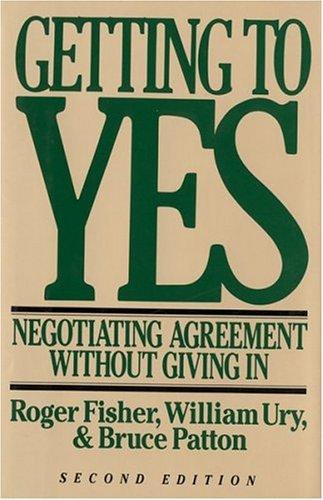
This groundbreaking book introduces the Harvard Negotiation Project’s principled negotiation method, which focuses on separating people from problems. Fisher and Ury provide practical frameworks for finding mutually beneficial solutions in any conflict situation. The authors emphasize the importance of focusing on interests rather than positions, making this one of the most influential conflict resolution books ever written. Their approach transforms adversarial situations into collaborative problem-solving opportunities.
2. Nonviolent Communication by Marshall B. Rosenberg
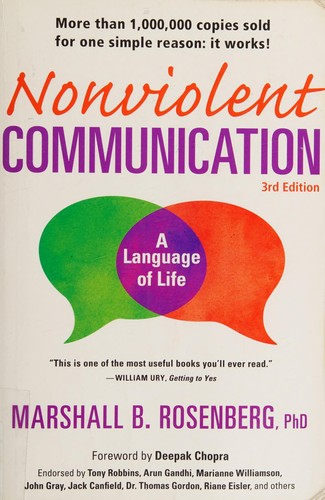
Rosenberg’s compassionate communication model teaches readers how to express themselves honestly while listening empathetically to others. The book outlines a four-step process: observation, feelings, needs, and requests, which helps eliminate judgment and criticism from conversations. This approach has revolutionized how people communicate in relationships, making it essential reading for anyone seeking peaceful conflict resolution. The practical exercises and real-life examples make complex concepts easily applicable to daily interactions.
3. The Seven Principles for Making Marriage Work by John Gottman
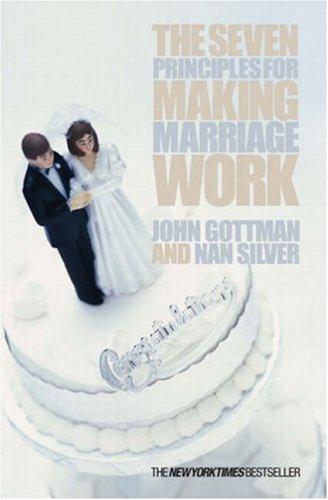
Based on decades of research with thousands of couples, Gottman identifies the key factors that make relationships succeed or fail. His “Four Horsemen” concept reveals the communication patterns that predict divorce with remarkable accuracy. The book provides concrete strategies for building love maps, nurturing fondness and admiration, and creating shared meaning. Gottman’s evidence-based approach offers hope and practical solutions for couples experiencing persistent conflicts.
4. Crucial Conversations by Kerry Patterson, Joseph Grenny, Ron McMillan, and Al Switzler
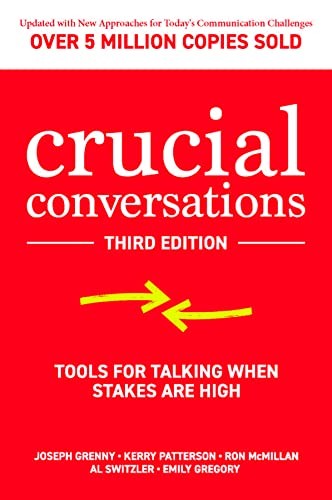
This book teaches readers how to handle high-stakes conversations where emotions run high and opinions differ significantly. The authors provide tools for creating safety in dialogue, mastering difficult conversations, and achieving positive outcomes even in heated situations. Their STATE method (Share, Tell, Ask, Talk, Encourage) gives readers a clear framework for navigating challenging discussions. The book’s focus on creating mutual purpose and respect makes it invaluable for relationship conflict resolution.
5. Hold Me Tight by Sue Johnson
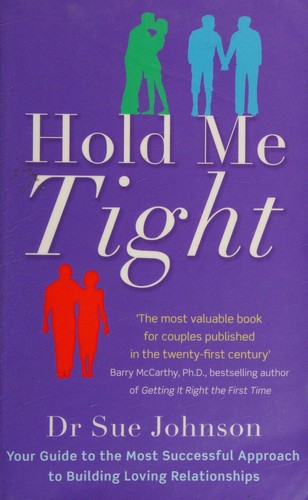
Johnson, the developer of Emotionally Focused Therapy, explains how couples can create lasting emotional connections through understanding attachment theory. The book identifies negative interaction cycles that trap couples in recurring conflicts and provides seven conversations for strengthening bonds. Her approach helps partners recognize their emotional needs and respond to each other with empathy and understanding. The practical exercises guide couples through the process of creating secure emotional bonds that withstand conflict.
6. Difficult Conversations by Douglas Stone, Bruce Patton, and Sheila Heen
Written by members of the Harvard Negotiation Project, this book breaks down the anatomy of difficult conversations into three distinct conversations: the “what happened” conversation, the feelings conversation, and the identity conversation. The authors provide strategies for shifting from a stance of certainty to one of curiosity, which opens up possibilities for understanding and resolution. Their approach helps readers move beyond blame and defensiveness toward productive dialogue. The book offers practical techniques for staying centered and focused during emotionally charged discussions.
7. The Dance of Anger by Harriet Lerner
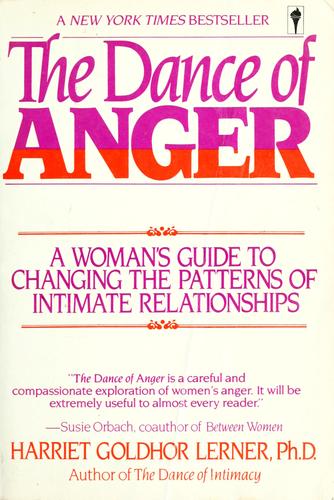
Lerner explores how women can use anger as a tool for positive change in their relationships rather than getting stuck in ineffective patterns. The book teaches readers how to communicate anger constructively without becoming aggressive or passive-aggressive. Her insights help women maintain their sense of self while working through conflicts with partners, family members, and friends. The practical advice on setting boundaries and expressing needs clearly makes this book a valuable resource for healthy conflict resolution.
8. Fighting for Your Marriage by Howard Markman, Scott Stanley, and Susan Blumberg
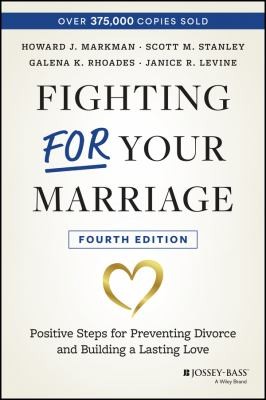
Based on the Prevention and Relationship Enhancement Program (PREP), this book provides research-backed techniques for handling conflict constructively. The authors introduce the Speaker-Listener Technique, which helps couples communicate more effectively during disagreements. Their approach emphasizes the importance of ground rules, time-outs, and structured communication to prevent escalation. The book includes practical exercises and homework assignments that couples can use to strengthen their conflict resolution skills over time.
9. The Relationship Cure by John Gottman
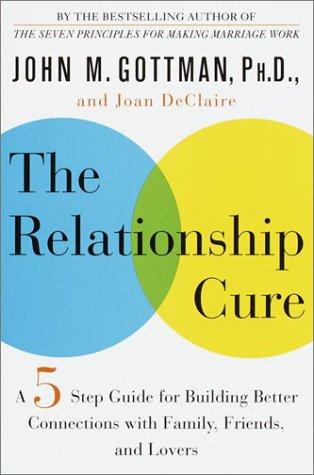
Gottman focuses on the concept of emotional connection and how small moments of interaction, called “bids,” can either strengthen or weaken relationships. The book teaches readers how to recognize and respond positively to their partner’s attempts at connection, even during conflicts. His research shows that couples who turn toward each other’s bids create a foundation of goodwill that helps them navigate disagreements more successfully. The practical strategies for building emotional bank accounts make this one of the most valuable books on relationship conflict resolution.
10. Boundaries by Henry Cloud and John Townsend
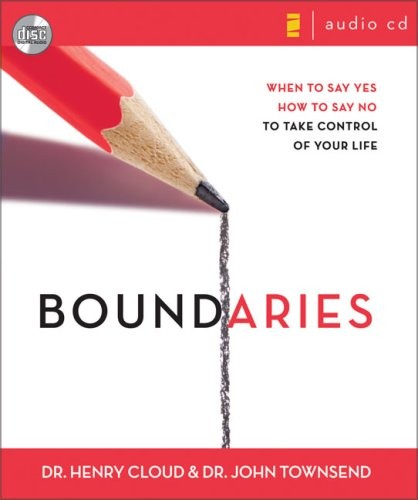
This book helps readers understand how to set healthy limits in relationships while maintaining love and connection. Cloud and Townsend explain how poor boundaries often lead to resentment and conflict, while healthy boundaries create space for genuine intimacy. Their approach teaches readers how to say no without guilt and how to take responsibility for their own emotions and actions. The book provides practical guidance for dealing with manipulative or controlling behavior in relationships.
11. The High-Conflict Couple by Alan Fruzzetti
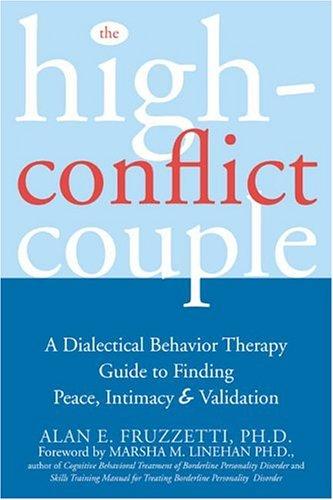
Fruzzetti combines dialectical behavior therapy principles with couple therapy techniques to help partners manage intense emotions during conflicts. The book teaches skills for emotional regulation, distress tolerance, and mindful communication that can transform volatile relationships. His approach helps couples learn to validate each other’s experiences while working toward solutions. The practical exercises for managing triggers and staying present during difficult conversations make this book particularly valuable for couples dealing with frequent, intense conflicts.
12. Wired for Love by Stan Tatkin
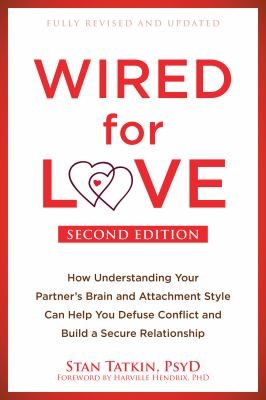
Based on neuroscience research, Tatkin explains how our brains are wired for connection and how understanding this can improve conflict resolution in relationships. The book teaches couples how to create a “couple bubble” that protects their relationship from external stressors and internal conflicts. His approach emphasizes the importance of co-regulation and mutual care during disagreements. The practical strategies for managing the nervous system during conflict help couples stay connected even when discussing difficult topics.
13. The Anatomy of Peace by The Arbinger Institute
This book explores how our fundamental mindset toward others affects our ability to resolve conflicts effectively. The authors distinguish between having a “heart at war” and a “heart at peace” and show how this internal shift can transform external relationships. Their approach helps readers recognize how they might be contributing to conflicts unconsciously and provides tools for changing these patterns. The book’s focus on personal responsibility and seeing others as people rather than objects creates a foundation for lasting conflict resolution in relationships.
14. Attached by Amir Levine and Rachel Heller
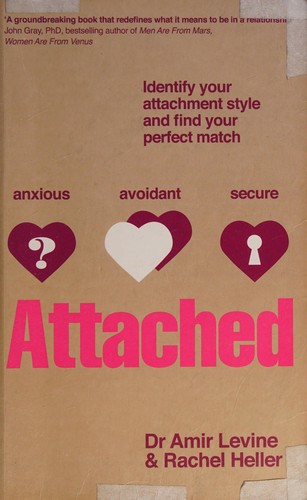
This book applies attachment theory to adult romantic relationships, helping readers understand how their attachment style affects their approach to conflict. Levine and Heller explain the three main attachment styles (secure, anxious, and avoidant) and how they interact in relationships. Understanding these patterns helps couples recognize why certain conflicts trigger intense reactions and provides strategies for creating more security. The book offers practical advice for developing more secure attachment patterns that lead to healthier conflict resolution.
15. The Power of Showing Up by Daniel Siegel and Tina Payne Bryson
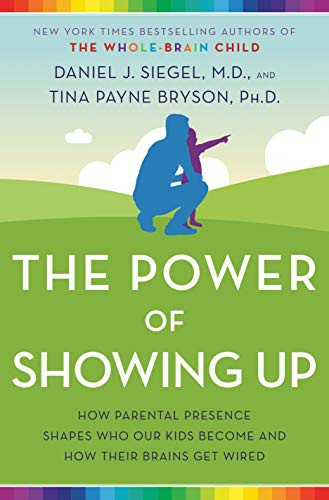
While focused on parent-child relationships, this book’s principles apply to all close relationships and conflict resolution. Siegel and Bryson explain how being safe, seen, soothed, and secure creates the foundation for healthy relationships and effective conflict resolution. Their approach emphasizes the importance of emotional attunement and responsive caregiving in building trust. The book provides practical strategies for creating emotional safety that allows conflicts to be resolved constructively rather than destructively.
Conclusion
These fifteen best books on conflict resolution in relationships offer a comprehensive toolkit for transforming how you handle disagreements and challenges in your most important relationships. From communication techniques and emotional regulation strategies to understanding attachment patterns and creating emotional safety, these resources provide both theoretical understanding and practical application. Whether you’re dealing with recurring conflicts in your marriage, struggling with family dynamics, or wanting to improve your overall relationship skills, these books offer evidence-based approaches that have helped millions of people create more harmonious, loving connections. The key to success lies not just in reading these books but in consistently applying their principles and techniques to your daily interactions. Remember that developing strong conflict resolution skills takes time and practice, but the investment in these resources and the commitment to growth will pay dividends in all your relationships for years to come.