
Disclosure: As an Amazon Associate, Bookish Wisdom earns from qualifying purchases. This doesn't change our picks or your price.
Quick answer: The best books on Quantum Computing include Quantum Computing for Everyone by Chris Bernhardt, Q is for Quantum by Terry Rudolph and Quantum Computing Since Democritus by Scott Aaronson, plus twelve more strong picks. Each one below has a short description and who it suits best, with a quick table to compare them.
Quantum computers use qubits, superposition and entanglement to solve problems classical computers struggle with. These books range from gentle introductions to programming guides and the standard graduate textbook.
Table of Contents
Quick Picks at a Glance
| Book | Author | Ages | Best for |
|---|---|---|---|
| Quantum Computing for Everyone | Chris Bernhardt | – | beginner |
| Q is for Quantum | Terry Rudolph | – | very gentle |
| Quantum Computing Since Democritus | Scott Aaronson | – | ideas |
| Quantum Computation and Quantum Information | Michael A. Nielsen and Isaac L. Chuang | – | textbook |
| Quantum Computer Science | N. David Mermin | – | textbook |
| Quantum Computing: A Gentle Introduction | Eleanor G. Rieffel and Wolfgang H. Polak | – | textbook |
| Programming Quantum Computers | Eric R. Johnston, Nic Harrigan and Mercedes Gimeno-Segovia | – | programming |
| Dancing with Qubits | Robert S. Sutor | – | programming |
| Quantum Computing: An Applied Approach | Jack D. Hidary | – | applied |
| Quantum Computing: Progress and Prospects | National Academies | – | report |
| Schrödinger's Killer App | Jonathan P. Dowling | – | history |
| The Quantum Age | Brian Clegg | – | popular |
| Quantum Supremacy | Michio Kaku | – | popular |
| Quantum Mechanics: The Theoretical Minimum | Leonard Susskind and Art Friedman | – | physics |
| Quantum Computing for Babies | Chris Ferrie and whurley | 0-3 | board book |
1. Quantum Computing for Everyone by Chris Bernhardt
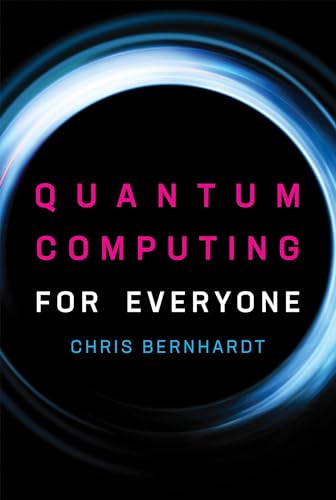
A gentle mathematical introduction. Ages -.
2. Q is for Quantum by Terry Rudolph
Quantum ideas with no math. Ages -.
3. Quantum Computing Since Democritus by Scott Aaronson
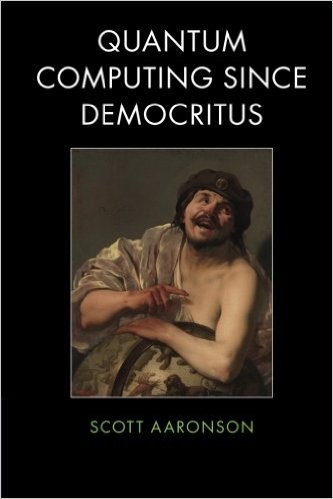
Witty, deep and wide-ranging. Ages -.
4. Quantum Computation and Quantum Information by Michael A. Nielsen and Isaac L. Chuang
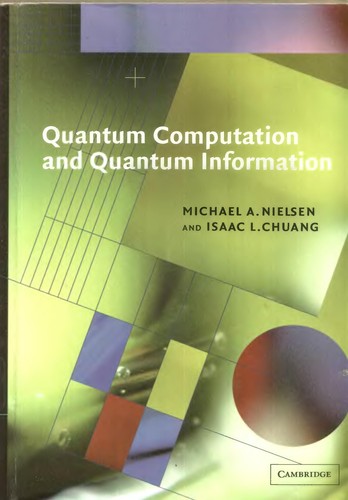
The standard graduate text. Ages -.
5. Quantum Computer Science by N. David Mermin
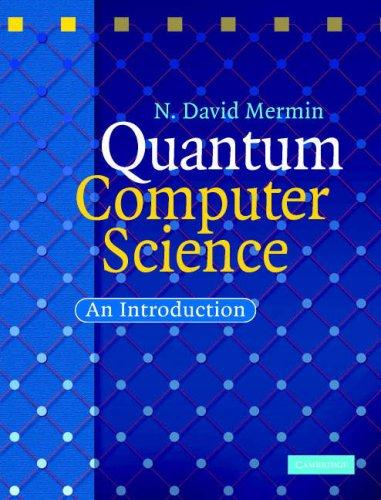
A short, clear introduction. Ages -.
6. Quantum Computing: A Gentle Introduction by Eleanor G. Rieffel and Wolfgang H. Polak
A clear academic start. Ages -.
7. Programming Quantum Computers by Eric R. Johnston, Nic Harrigan and Mercedes Gimeno-Segovia
Hands-on code. Ages -.
8. Dancing with Qubits by Robert S. Sutor
How quantum computing works. Ages -.
9. Quantum Computing: An Applied Approach by Jack D. Hidary
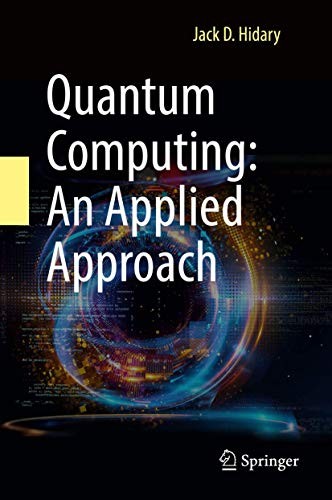
With code and algorithms. Ages -.
10. Quantum Computing: Progress and Prospects by National Academies
An honest status report. Ages -.
11. Schrödinger's Killer App by Jonathan P. Dowling
Race to build the world's first quantum computer. Ages -.
12. The Quantum Age by Brian Clegg
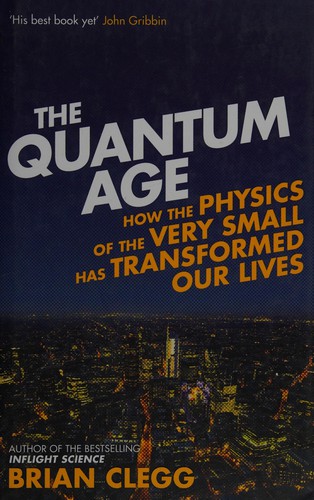
How quantum physics is changing our lives. Ages -.
13. Quantum Supremacy by Michio Kaku
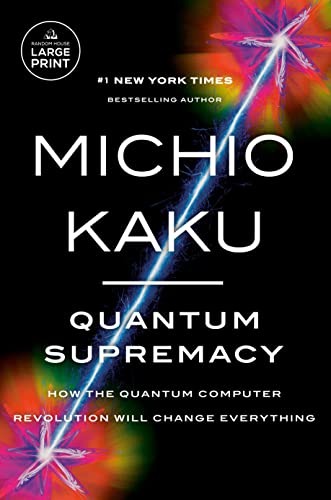
The quantum computer revolution. Ages -.
14. Quantum Mechanics: The Theoretical Minimum by Leonard Susskind and Art Friedman
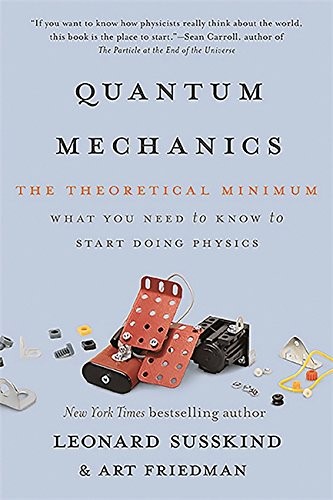
The physics you need. Ages -.
15. Quantum Computing for Babies by Chris Ferrie and whurley
A fun first introduction. Ages 0-3.
How to Choose
Start with Quantum Computing for Everyone. For code, read Programming Quantum Computers, and for depth, choose Nielsen and Chuang.
How We Chose These Books
Every pick is a real, widely available book with strong reviews from parents, teachers and librarians. We mixed well-known favourites with a few less obvious titles and gave each one a suggested age range. Age ranges are guides, not rules, so preview a book first if your child is sensitive to a topic.
Tips for Sharing These Books
- Preview first. A quick skim helps you spot anything worth talking about.
- Read together. Ask what a character feels or might do next.
- Use the library. Borrow a few titles and see which ones your reader returns to.
- Talk about it. After each book, ask what your child liked best and what surprised them.
- Keep a list. Write down the titles you finish so you can find more by the same authors.
Frequently Asked Questions
Which book should I start with?
Quantum Computing for Everyone by Chris Bernhardt is a strong first pick, and every book on this list is worth a look.
What ages are these books for?
The books on this list suit roughly ages 0 to 3, and each entry shows its own suggested range.
Where can I find these books?
Most of these titles are easy to find at public libraries and bookshops, and many are also available as ebooks or audiobooks.
Related: Books About the History of Computing: Our 15 Favorites · 15 Best Books on Quantum Field Theory