

Disclosure: As an Amazon Associate, Bookish Wisdom earns from qualifying purchases. This doesn’t change our picks or your price.
Quick answer: The best books on samurai and feudal Japan combine history with the classic texts and novels that made the samurai famous. Start with Samurai: The World of the Warrior by Stephen Turnbull, The Book of Five Rings by Miyamoto Musashi, The Tale of the Heike, Musashi by Eiji Yoshikawa and Shōgun by James Clavell.
The samurai were Japan’s warrior class for about 700 years, from the rise of the first shogunate in the late 1100s until their abolition after the Meiji Restoration. They fought in the Genpei War, defended Japan against Mongol invasions, battled through the chaotic Warring States period and then, under the peaceful Tokugawa shogunate after 1603, became administrators, scholars and artists as well as soldiers. Their ideals of loyalty and honor, later called bushido, have been celebrated and romanticized ever since. The books below separate the real samurai from the legend and include classic texts written by samurai, great histories, epic novels and books for younger readers.
Table of Contents
Quick Picks at a Glance
| Book | Author | Type | Best For |
|---|---|---|---|
| Samurai: The World of the Warrior | Stephen Turnbull | History | The best introduction |
| Japan: A Short Cultural History | George Sansom | History | Background and context |
| Samurai William | Giles Milton | Narrative history | An Englishman in Japan |
| Legends of the Samurai | Hiroaki Sato | Primary sources | Samurai stories |
| The Tale of the Heike | Royall Tyler (translator) | Epic | The great war epic |
| The Book of Five Rings | Miyamoto Musashi | Classic text | Strategy and swordsmanship |
| Hagakure | Yamamoto Tsunetomo | Classic text | Samurai ideals |
| Bushido: The Soul of Japan | Inazo Nitobe | Classic essay | The idea of bushido |
| The 47 Ronin Story | John Allyn | Retold legend | A famous true story |
| Musashi | Eiji Yoshikawa | Historical novel | Epic fiction fans |
| Taiko | Eiji Yoshikawa | Historical novel | Warring States drama |
| Shōgun | James Clavell | Historical novel | Epic adventure lovers |
| Across the Nightingale Floor | Lian Hearn | Fantasy novel | Teens and adults |
| Usagi Yojimbo | Stan Sakai | Graphic novel | Ages 10 and up |
| The Samurai’s Tale | Erik Christian Haugaard | Middle-grade novel | Ages 10 and up |
1. Samurai: The World of the Warrior by Stephen Turnbull
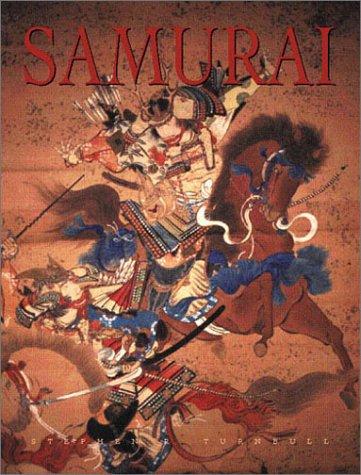
Turnbull, a leading expert, explains who the samurai really were, how they fought and how they lived. It’s clear and well illustrated.
2. Japan: A Short Cultural History by George Sansom
Sansom’s classic history of Japanese culture covers the centuries when the samurai rose to power. It’s elegant and still valuable.
3. Samurai William by Giles Milton
Milton tells the story of William Adams, an English sailor who became a samurai and advisor to the shogun Tokugawa Ieyasu in 1600. His life inspired the novel Shōgun.
4. Legends of the Samurai by Hiroaki Sato
Sato translates stories and accounts of famous samurai from Japanese sources. It shows how they saw themselves.
5. The Tale of the Heike by Royall Tyler (translator)
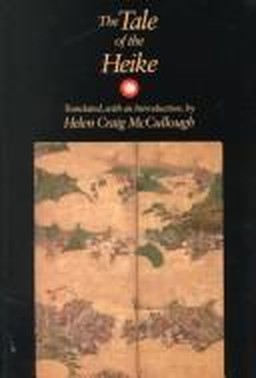
This medieval epic tells the story of the Genpei War between two samurai clans in the 1180s. Tyler’s translation captures its poetry and drama.
6. The Book of Five Rings by Miyamoto Musashi
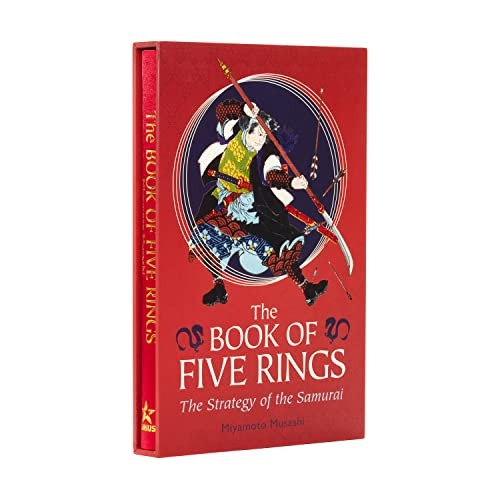
Written in 1645 by Japan’s most famous swordsman, this short book on strategy is still read by martial artists and business leaders.
7. Hagakure by Yamamoto Tsunetomo
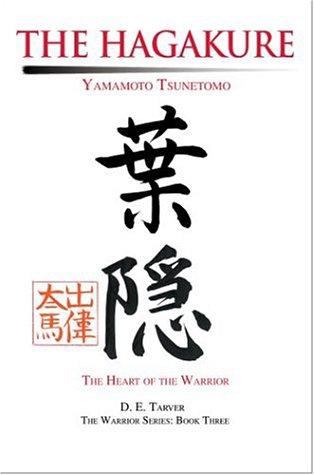
These sayings of an 18th-century samurai describe a fierce ideal of loyalty and readiness for death. It’s fascinating but extreme, and it’s often misunderstood.
8. Bushido: The Soul of Japan by Inazo Nitobe
Written in English in 1900, Nitobe’s book introduced the idea of bushido to the West. It’s an idealized portrait, best read alongside history.
9. The 47 Ronin Story by John Allyn
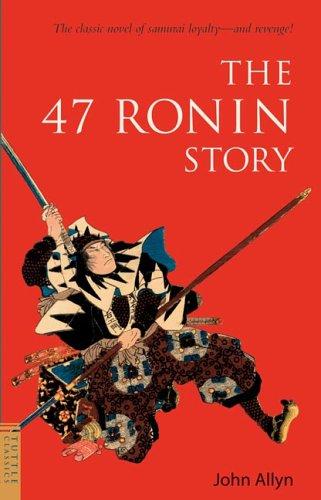
Allyn retells the famous story of 47 samurai who avenged their master in 1703. It’s dramatic and accessible.
10. Musashi by Eiji Yoshikawa
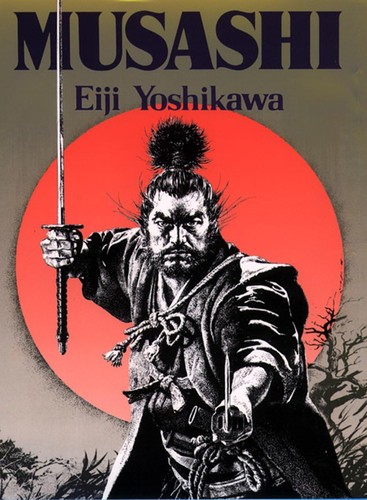
Yoshikawa’s huge novel follows the swordsman Miyamoto Musashi’s journey from wild youth to master. It’s one of Japan’s most beloved novels.
11. Taiko by Eiji Yoshikawa
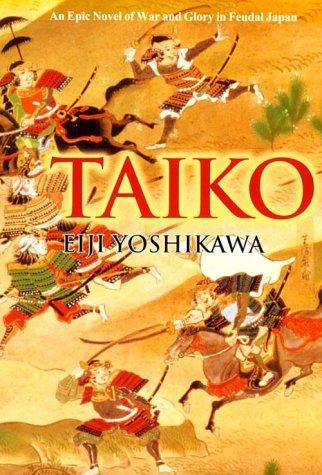
Yoshikawa tells the story of Toyotomi Hideyoshi, who rose from peasant to ruler of Japan. It’s an epic of the Warring States era.
12. Shōgun by James Clavell
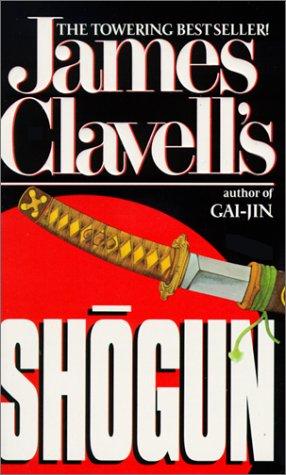
An English pilot shipwrecked in Japan in 1600 is drawn into a power struggle among warlords. Clavell’s bestseller inspired two TV series.
13. Across the Nightingale Floor by Lian Hearn
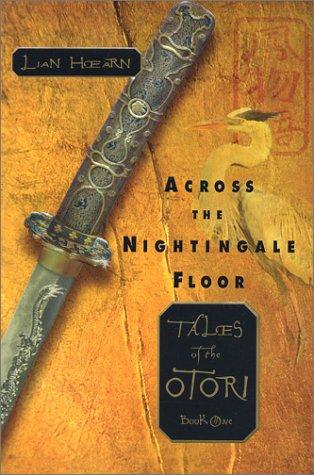
The first Tales of the Otori novel is set in a fantasy world inspired by feudal Japan. It’s atmospheric and gripping.
14. Usagi Yojimbo by Stan Sakai
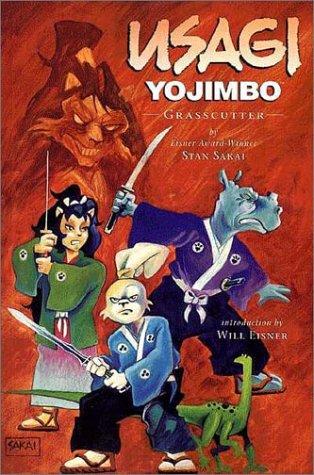
Sakai’s long-running comic follows a rabbit samurai wandering early Edo-period Japan. It’s fun, beautifully drawn and full of real history and folklore.
15. The Samurai’s Tale by Erik Christian Haugaard
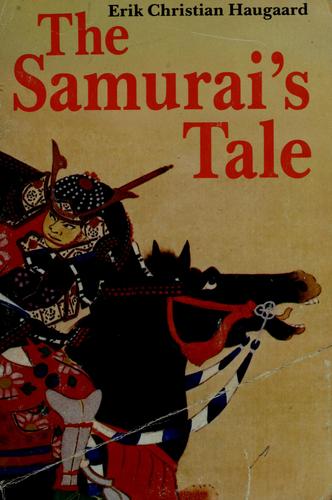
An orphan boy grows up to become a samurai during the Warring States period. It’s an exciting, well-researched story for young readers.
Tips for Reading About Samurai and Feudal Japan
- Start with Turnbull. His books separate history from myth.
- Read a classic text. The Book of Five Rings is short and influential.
- Be careful with bushido. Much of the idea was shaped in the 1800s and 1900s.
- Learn the periods. Kamakura, Warring States and Tokugawa were very different.
- Read a great novel. Musashi and Shōgun are classics.
- Read with kids. Usagi Yojimbo is a fun way into Japanese history.
Related: best books on the Meiji Restoration and best books on the Mongol Empire.
Frequently Asked Questions
What is the best book about samurai?
Samurai: The World of the Warrior by Stephen Turnbull is the best introduction, and The Book of Five Rings by Miyamoto Musashi is the most famous text written by a samurai.
What is the best samurai novel?
Musashi by Eiji Yoshikawa is the classic Japanese novel, and Shōgun by James Clavell is the best-known Western novel.
When did the samurai end?
The samurai class was abolished in the 1870s after the Meiji Restoration, and the Satsuma Rebellion of 1877 was the last major samurai uprising.