
Disclosure: As an Amazon Associate, Bookish Wisdom earns from qualifying purchases. This doesn’t change our picks or your price.
Quick answer: The best books on social anxiety include The Shyness & Social Anxiety Workbook, Overcoming Social Anxiety and Shyness, Managing Social Anxiety, Dare, Unwinding Anxiety and Hope and Help for Your Nerves. Start with The Shyness & Social Anxiety Workbook or Overcoming Social Anxiety and Shyness for CBT-based tools.
These books are educational and are not a substitute for professional care. If you are in crisis, call or text 988 in the United States.
Social anxiety is more than shyness. It is an intense fear of being judged, embarrassed or rejected in social situations, leading many people to avoid parties, meetings, phone calls or even eating in public. It is among the most common anxiety conditions and also among the most treatable, usually with cognitive behavioral therapy, gradual exposure and sometimes medication. The books in this list teach the principles of CBT, offer step-by-step exercises and share stories of recovery. Some are workbooks, others narrative guides. Start with small steps, such as saying hello to a neighbor, and build up. Books can be a helpful first step, but a licensed therapist can tailor treatment, so consider seeking one if anxiety limits your life.
Table of Contents
Quick Picks at a Glance
| Book | Author | Approach | Best For |
|---|---|---|---|
| The Shyness & Social Anxiety Workbook | Martin M. Antony and Richard P. Swinson | CBT workbook | readers who want a structured program |
| Overcoming Social Anxiety and Shyness | Gillian Butler | CBT guide | readers who prefer a narrative |
| Managing Social Anxiety | Debra A. Hope, Richard G. Heimberg and Cynthia L. Turk | Workbook | readers who want a therapist-style program |
| Dare | Barry McDonagh | Anxiety | readers who want a quick method |
| Unwinding Anxiety | Judson Brewer | Habit change | readers who like mindfulness |
| Hope and Help for Your Nerves | Claire Weekes | Classic | readers who want reassurance |
| Mind Over Mood | Dennis Greenberger and Christine A. Padesky | CBT workbook | readers who want tools |
| The Anxiety and Phobia Workbook | Edmund J. Bourne | Workbook | readers wanting a full program |
| Quiet | Susan Cain | Introversion | introverts |
| How to Talk to Anyone | Leil Lowndes | Social skills | readers who want conversation tips |
| Captivate | Vanessa Van Edwards | Social skills | readers who want research-based tips |
| Daring Greatly | Brené Brown | Vulnerability | readers who fear judgment |
| Self-Compassion | Kristin Neff | Skills | readers with harsh inner critics |
| 10% Happier | Dan Harris | Memoir | skeptics of meditation |
| Feeling Good | David D. Burns | CBT | readers who want a classic |
1. The Shyness & Social Anxiety Workbook by Martin M. Antony and Richard P. Swinson
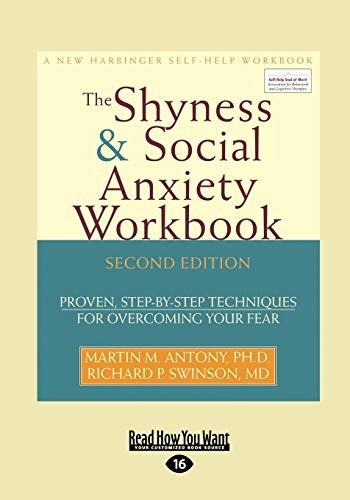
A step-by-step CBT workbook with exercises on thoughts, exposure and assertiveness. A standard recommendation.
Best for: readers who want a structured program.
2. Overcoming Social Anxiety and Shyness by Gillian Butler
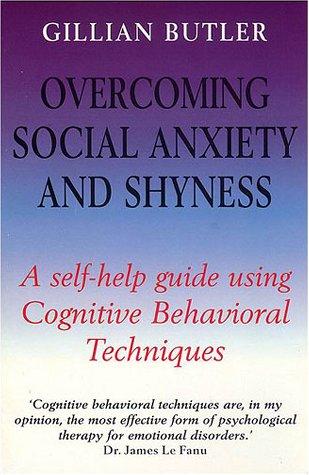
A British clinical psychologist explains the cycle of social anxiety and how to break it.
Best for: readers who prefer a narrative.
3. Managing Social Anxiety by Debra A. Hope, Richard G. Heimberg and Cynthia L. Turk
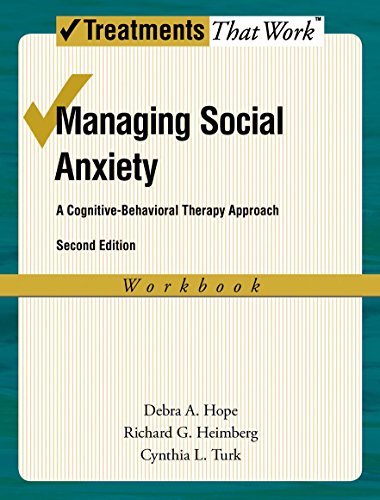
A workbook based on a well-tested treatment program.
Best for: readers who want a therapist-style program.
4. Dare by Barry McDonagh
A short approach to responding to anxiety with acceptance and humor.
Best for: readers who want a quick method.
5. Unwinding Anxiety by Judson Brewer
Shows how anxious thoughts become habits.
Best for: readers who like mindfulness.
6. Hope and Help for Your Nerves by Claire Weekes
A calming guide to facing anxiety without fighting it.
Best for: readers who want reassurance.
7. Mind Over Mood by Dennis Greenberger and Christine A. Padesky
A widely used CBT workbook.
Best for: readers who want tools.
8. The Anxiety and Phobia Workbook by Edmund J. Bourne
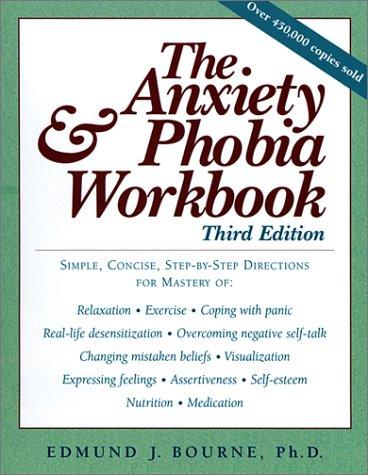
Covers many anxiety issues including social anxiety.
Best for: readers wanting a full program.
9. Quiet by Susan Cain
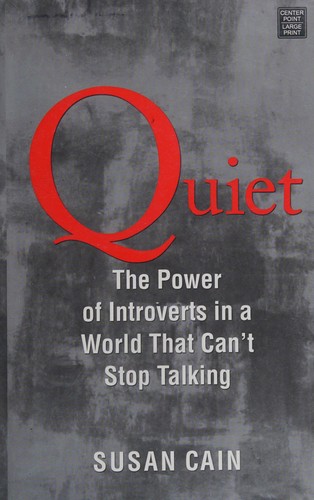
Explains the strengths of introverts.
Best for: introverts.
10. How to Talk to Anyone by Leil Lowndes
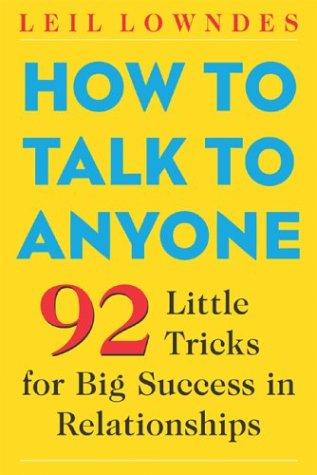
Offers 92 tips for conversation and rapport.
Best for: readers who want conversation tips.
11. Captivate by Vanessa Van Edwards
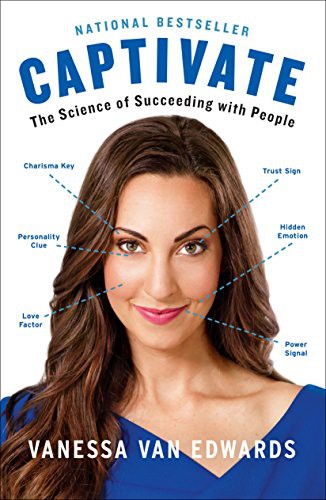
Offers science-backed advice for connecting.
Best for: readers who want research-based tips.
12. Daring Greatly by Brené Brown
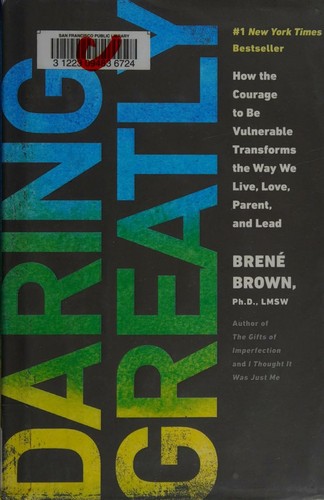
Explores shame and the courage to be seen.
Best for: readers who fear judgment.
13. Self-Compassion by Kristin Neff
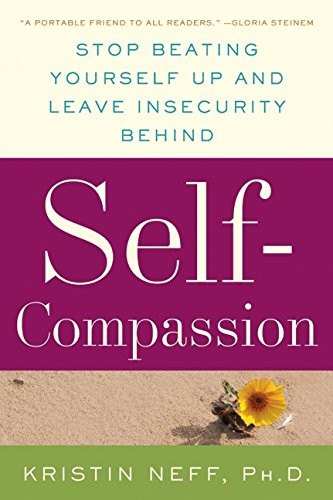
Teaches kindness toward yourself.
Best for: readers with harsh inner critics.
14. 10% Happier by Dan Harris
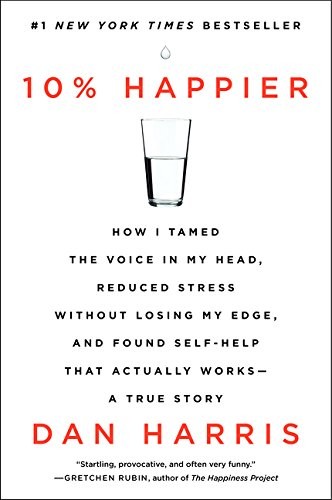
A TV anchor’s panic attack on air led to meditation.
Best for: skeptics of meditation.
15. Feeling Good by David D. Burns
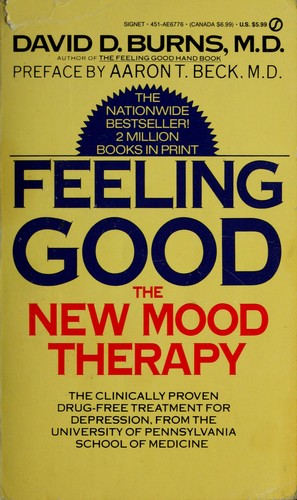
Teaches how to challenge distorted thoughts.
Best for: readers who want a classic.
How to Choose the Right Book on Social Anxiety
Pick by your style. If you like structured exercises, The Shyness & Social Anxiety Workbook, Managing Social Anxiety and Mind Over Mood are hands-on. If you prefer a conversational guide, Overcoming Social Anxiety and Shyness and Dare are accessible. If you want to understand anxiety in general, Unwinding Anxiety and Hope and Help for Your Nerves are comforting. If you want social skills, How to Talk to Anyone and Captivate give practical tips. If you are introverted, Quiet validates your temperament. Practice a little every day.
Which Book Should You Start With? A Quick Guide
If you are not sure where to begin, match your situation to the list below.
- Readers who want a structured program: The Shyness & Social Anxiety Workbook
- Readers who prefer a narrative: Overcoming Social Anxiety and Shyness
- Readers who want a therapist-style program: Managing Social Anxiety
- Readers who want a quick method: Dare
- Readers who like mindfulness: Unwinding Anxiety
- Readers who want reassurance: Hope and Help for Your Nerves
- Readers who want tools: Mind Over Mood
- Readers wanting a full program: The Anxiety and Phobia Workbook
- Introverts: Quiet
- Readers who want conversation tips: How to Talk to Anyone
- Readers who want research-based tips: Captivate
- Readers who fear judgment: Daring Greatly
- Readers with harsh inner critics: Self-Compassion
- Skeptics of meditation: 10% Happier
- Readers who want a classic: Feeling Good
A Simple Reading Plan
Treat this list as a menu, not an assignment. Start with The Shyness & Social Anxiety Workbook, because it gives you a clear overview of social anxiety without demanding much from you. Read in short sessions and underline or note the passages that make you stop. After a week or two, move to Overcoming Social Anxiety and Shyness for a different angle, then Managing Social Anxiety when you want more depth. Spacing the books out gives the ideas time to settle, and applying one small idea per week is worth more than rushing through the whole shelf. Revisit your notes at the end of each month to see what has actually changed.
Print, E-Book or Audiobook?
Format matters more than people expect. If you tend to forget what you read, choose print or an e-book so you can underline and review. If your time is limited, audiobooks fit into the gaps of your day. For a topic like social anxiety, short chapters are an advantage, since you can finish one in a single sitting and think about it afterward. Libraries lend e-books and audiobooks free, and many offer print copies of new releases through holds. Try one format for a week and switch if it is not working.
How to Get More From What You Read
Reading about social anxiety only helps if something changes afterward, so build a small habit around it. Keep a notebook or a notes app, and after each chapter write one sentence about what stood out and one action you could take. Choose a single idea per week to test, such as a new routine, a conversation or a different way of thinking. Discuss what you are reading with a friend, a partner or an online group, since explaining an idea out loud makes it stick. Review your notes monthly and drop anything that did not help. The aim is progress you can notice, not a long reading list.
Reading on a Budget
Good books on social anxiety are easier to afford than most people think. Library cards open up print, e-book and audiobook borrowing, and interlibrary loan can find titles your branch does not own. Used copies cost a fraction of new ones, and many of the classics are inexpensive in paperback. Try a sample chapter online to see whether an author’s voice suits you before you commit. If you finish a book you love, consider passing it to a friend, which keeps the ideas moving and your shelf uncluttered.
Talk About What You Read
Ideas stick when you talk about them. Choose one book from this list and invite a friend, partner or colleague to read it with you, then meet for coffee to compare notes on social anxiety. Online communities and library groups also host discussions, and many of these books have free reading guides. If you prefer privacy, a journal works well: write a paragraph after each chapter on what you agree with, what you doubt and what you will try. Teaching an idea to someone else is one of the best ways to learn it, so explain what you read in your own words.
Common Mistakes to Avoid
A few pitfalls are worth avoiding. Do not buy a dozen books on social anxiety in one go; borrow one, finish it and then decide what to read next. Do not expect a single book to transform your life overnight, since the best ones work through small, repeated actions. Be cautious of any author who promises guaranteed results, and check an author’s credentials and sources. Finally, do not use reading as a way of avoiding action. If you notice yourself finishing book after book without changing anything, pick one idea and practice it this week.
How to Judge a Book on Social anxiety
Not every book on social anxiety is equally reliable. Before you trust one, check the author’s background: are they a researcher, clinician, journalist or someone writing from lived experience? Each can be valuable, but they offer different things. Look for notes and references at the back, which show the claims can be checked. Be wary of books that promise a quick fix, rely on a single story or dismiss all other views. Read a few reviews from people with different perspectives, and treat bold claims as hypotheses to test in your own life. A good book invites questions instead of demanding agreement.
When Reading Is Not Enough
Reading can illuminate and encourage, yet some situations need more than a book. If you notice that your struggles with social anxiety are getting worse, lasting a long time or affecting your health, reach out to a professional you trust. Local libraries, community centers and workplaces often offer free resources, classes or referrals. Sharing what you are reading with a friend can open the door to a supportive conversation. Use these books as companions on the journey, and let real people walk it with you.
Questions to Reflect On
Keep these in a notebook and return to them after each book:
- What do I most want to understand or change about {t}?
- Which idea from my reading feels true for me, and which do I doubt?
- What is one small action I can take this week?
- Who could I talk to about what I am learning?
- How will I know in a month that this reading helped?
Tips for Reading About Social anxiety
- Face it gradually. Make a ladder of feared situations.
- Challenge thoughts. Ask for evidence of feared outcomes.
- Drop safety behaviors. They keep anxiety alive.
- Focus outward. Pay attention to others, not yourself.
- Seek therapy. CBT works well.
Related: 15 Best Books on Dopamine and Motivation and the Body Keeps the Score Summary and Key Takeaways.
Frequently Asked Questions
What is the best book on social anxiety?
The Shyness & Social Anxiety Workbook is a standard CBT recommendation.
Is social anxiety the same as shyness?
No. Social anxiety involves intense fear and avoidance that interferes with life.
Can social anxiety be cured?
It is highly treatable, and many people improve a lot with therapy and practice.
How many books on social anxiety should I read at once?
One or two at a time is plenty. Finish a book, try one idea from it and then move on, so what you read turns into something you do.
Are these books on social anxiety available as audiobooks?
Most of them are. Check your library’s app, such as Libby, or an audiobook service, and listen to a sample to see whether the narrator suits you.