
Disclosure: As an Amazon Associate, Bookish Wisdom earns from qualifying purchases. This doesn’t change our picks or your price.
Quick answer: The best books on the Byzantine Empire tell the story of the Eastern Roman Empire and its capital, Constantinople. Start with Byzantium by Judith Herrin, A Short History of Byzantium by John Julius Norwich, Lost to the West by Lars Brownworth, The New Roman Empire by Anthony Kaldellis and 1453 by Roger Crowley.
When the Western Roman Empire fell in the 400s, the eastern half carried on for another thousand years. Its people called themselves Romans; later historians called them Byzantines. From Constantinople, emperors like Justinian built Hagia Sophia, wrote Roman law into a code that still influences Europe, fought Persians, Arabs, Crusaders and Turks, and preserved much of ancient Greek learning. The empire finally fell when the Ottomans captured the city in 1453. The books below cover the whole story, from lively overviews and new scholarship to medieval writers, famous empresses and novels inspired by this dazzling, misunderstood civilization.
Table of Contents
Quick Picks at a Glance
| Book | Author | Type | Best For |
|---|---|---|---|
| Byzantium: The Surprising Life of a Medieval Empire | Judith Herrin | History | The best introduction |
| A Short History of Byzantium | John Julius Norwich | Narrative history | Classic storytelling |
| Lost to the West | Lars Brownworth | Narrative history | A fast introduction |
| The New Roman Empire | Anthony Kaldellis | History | The latest scholarship |
| 1453 | Roger Crowley | Narrative history | The fall of Constantinople |
| The Fall of Constantinople 1453 | Steven Runciman | Classic history | Elegant prose |
| Byzantium: A Very Short Introduction | Peter Sarris | Short introduction | A quick overview |
| The Byzantines | Averil Cameron | History | Understanding the culture |
| Constantinople: Capital of Byzantium | Jonathan Harris | City history | Lovers of Istanbul |
| Sailing from Byzantium | Colin Wells | History of ideas | Byzantium’s legacy |
| The Empress Theodora | James Allan Evans | Biography | Women in power |
| The Secret History | Procopius | Primary source | Juicy ancient gossip |
| The Alexiad | Anna Komnene | Primary source | Hearing a Byzantine voice |
| Count Belisarius | Robert Graves | Historical novel | Classic fiction lovers |
| Sailing to Sarantium | Guy Gavriel Kay | Fantasy novel | Fantasy readers |
1. Byzantium: The Surprising Life of a Medieval Empire by Judith Herrin
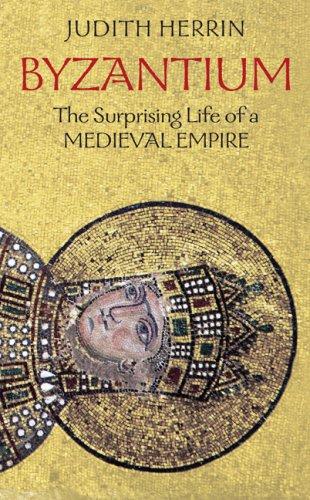
Herrin organizes her book around big questions and vivid topics, from Greek fire to icons and court ceremony. It’s lively and shows why Byzantium matters for understanding Europe.
2. A Short History of Byzantium by John Julius Norwich
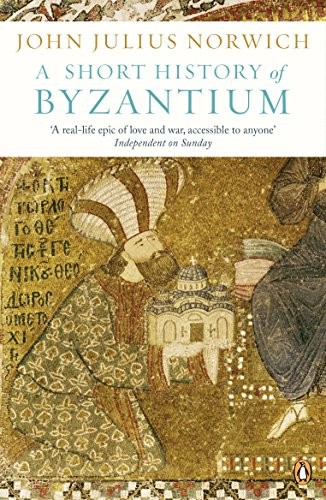
Norwich condensed his three-volume history into one entertaining book full of emperors, intrigues and battles. It’s old-fashioned in the best sense.
3. Lost to the West by Lars Brownworth
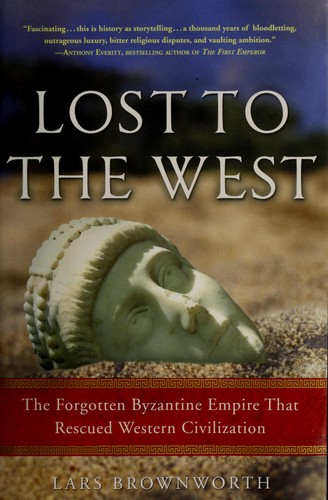
Brownworth tells the Byzantine story through its most dramatic emperors and moments. It’s quick, energetic and a great first book.
4. The New Roman Empire by Anthony Kaldellis
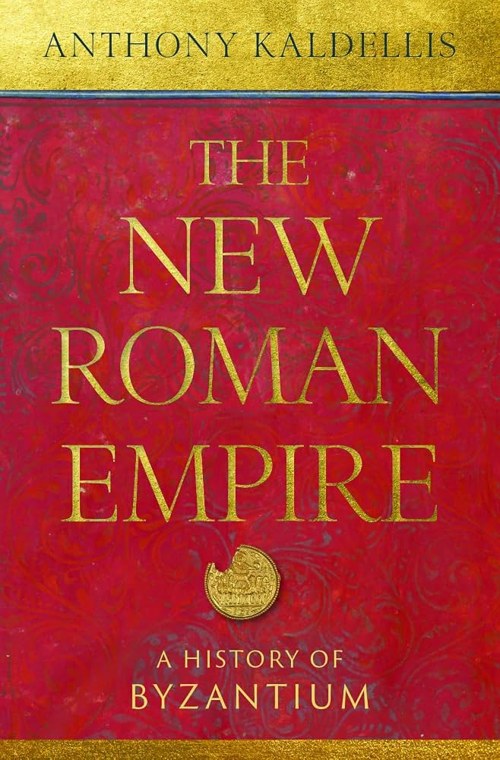
Kaldellis argues that Byzantium should be seen as the continuing Roman Empire. His big 2023 history is detailed, fresh and the best modern account of the whole period.
5. 1453 by Roger Crowley
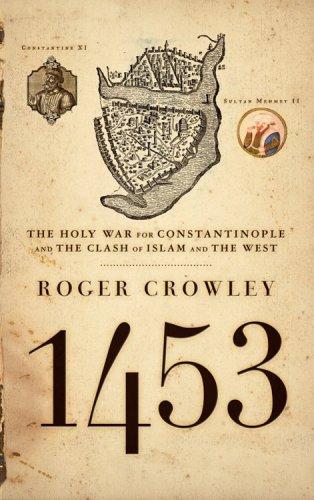
Crowley tells the story of the Ottoman siege and capture of Constantinople in gripping detail, with voices from both sides. It reads like a thriller.
6. The Fall of Constantinople 1453 by Steven Runciman
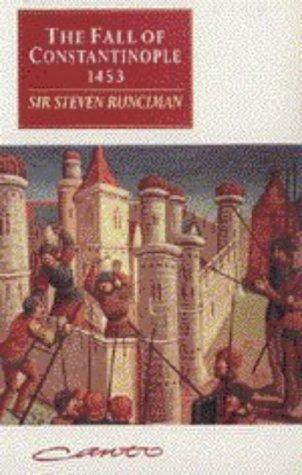
Runciman’s 1965 account is a classic of historical writing. It’s shorter than Crowley’s and still a pleasure to read.
7. Byzantium: A Very Short Introduction by Peter Sarris
Sarris covers Byzantine politics, religion, economy and legacy in about 150 pages. It’s a clear, reliable primer.
8. The Byzantines by Averil Cameron
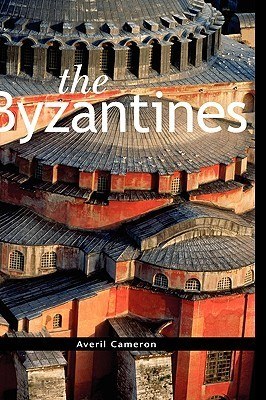
Cameron, a leading historian, explains who the Byzantines were and challenges stereotypes about them. It’s thoughtful and concise.
9. Constantinople: Capital of Byzantium by Jonathan Harris
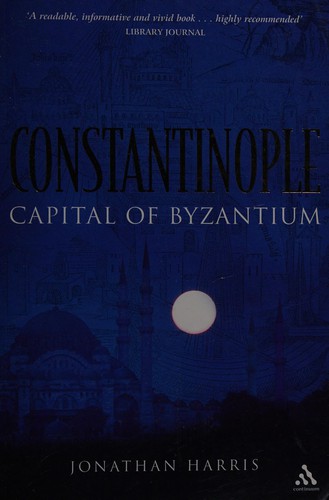
Harris tells the story of the city itself, its walls, palaces, churches, markets and people. It’s a great companion before a visit to Istanbul.
10. Sailing from Byzantium by Colin Wells
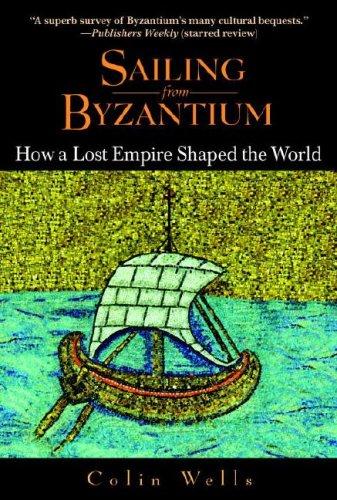
Wells shows how Byzantine scholars passed Greek learning to Italy, the Slavic world and the Islamic world. It’s a surprising story of cultural influence.
11. The Empress Theodora by James Allan Evans
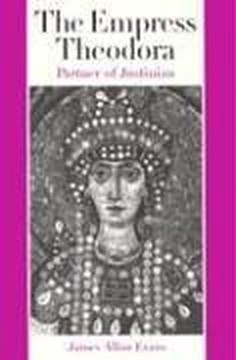
Evans tells the story of Theodora, a former actress who became Justinian’s wife and a powerful empress. It separates the woman from the scandalous legends.
12. The Secret History by Procopius
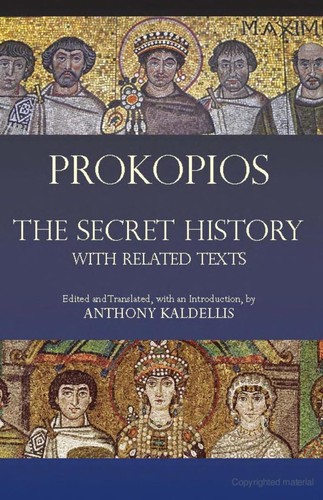
Justinian’s own court historian secretly wrote this savage attack on the emperor and Theodora. It’s outrageous, unreliable and fascinating to read.
13. The Alexiad by Anna Komnene
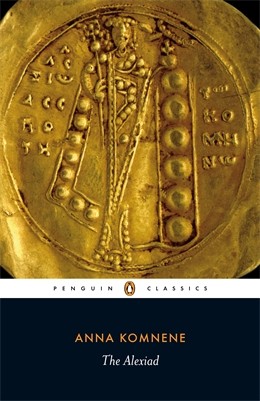
Written by a Byzantine princess about her father, Emperor Alexios I, this history covers the First Crusade from the Byzantine side. Anna is one of the first female historians.
14. Count Belisarius by Robert Graves
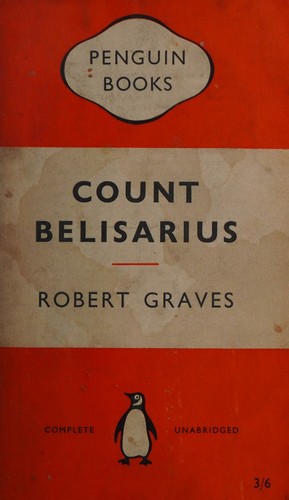
The author of I, Claudius tells the story of Justinian’s great general Belisarius, who reconquered Italy and North Africa. It’s a stirring adventure.
15. Sailing to Sarantium by Guy Gavriel Kay
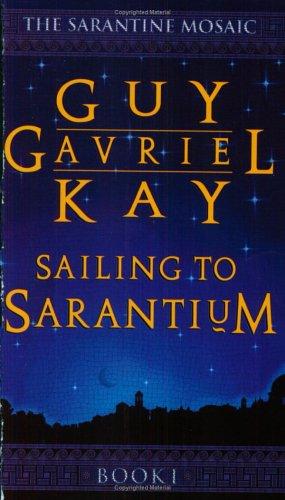
Kay’s novel is set in a world closely based on Justinian’s Constantinople, following a mosaic-maker summoned to the imperial city. It’s beautiful, intelligent fantasy.
Tips for Reading About Byzantium
- Start with Herrin or Brownworth. Both make Byzantium approachable.
- Remember they were Romans. “Byzantine” is a later label the people never used.
- Read Procopius with salt. The Secret History is gossip, not neutral history.
- Follow the city. Constantinople’s walls and Hagia Sophia are the heart of the story.
- Connect to the Crusades. The Alexiad shows the Crusades from Byzantine eyes.
- Visit Istanbul. Much of Byzantine Constantinople is still there.
Related: best books on Ancient Rome and best books on the Ottoman Empire.
Frequently Asked Questions
What is the best book about the Byzantine Empire?
Byzantium by Judith Herrin is the best introduction, and The New Roman Empire by Anthony Kaldellis is the most complete modern history.
What is the best book about the fall of Constantinople?
1453 by Roger Crowley is the most gripping modern account, and The Fall of Constantinople 1453 by Steven Runciman is the elegant classic.
Why is it called the Byzantine Empire?
Historians named it after Byzantium, the old name of Constantinople. Its people called themselves Romans and saw their state as the Roman Empire.