
Disclosure: As an Amazon Associate, Bookish Wisdom earns from qualifying purchases. This doesn’t change our picks or your price.
Quick answer: The best books on the Cold War cover nuclear standoffs, spies and divided cities. Start with The Cold War by John Lewis Gaddis, Iron Curtain by Anne Applebaum, One Minute to Midnight by Michael Dobbs, The Spy and the Traitor by Ben Macintyre, The Dead Hand by David E. Hoffman and The Spy Who Came in from the Cold by John le Carré.
For more than 40 years after World War II, the United States and the Soviet Union competed for power without fighting each other directly. The Cold War shaped everything from the space race and the Berlin Wall to proxy wars in Korea and Vietnam, and it brought the world to the edge of nuclear war in 1962. It also produced some of the best spy stories ever told, both true and invented. This list mixes big-picture histories, gripping accounts of key crises, true spy stories, a YA history of the atomic bomb and classic Cold War novels.
Table of Contents
Quick Picks at a Glance
| Book | Author | Type | Best For |
|---|---|---|---|
| The Cold War: A New History | John Lewis Gaddis | Short history | The best overview |
| Iron Curtain | Anne Applebaum | History | Understanding Eastern Europe |
| One Minute to Midnight | Michael Dobbs | Narrative history | The Cuban Missile Crisis |
| The Spy and the Traitor | Ben Macintyre | True spy story | Thriller lovers |
| Thirteen Days | Robert F. Kennedy | Memoir | An insider’s view |
| The Berlin Wall | Frederick Taylor | Narrative history | Understanding divided Berlin |
| The Dead Hand | David E. Hoffman | History | The arms race |
| The Spy Who Came in from the Cold | John le Carré | Spy novel | Classic spy fiction |
| Postwar | Tony Judt | History | Europe after 1945 |
| Bomb | Steve Sheinkin | YA nonfiction | Teens |
| The Brothers | Stephen Kinzer | History | Understanding U.S. covert action |
| Legacy of Ashes | Tim Weiner | History | A critical look at the CIA |
| The Hunt for Red October | Tom Clancy | Thriller | Techno-thriller fans |
| Stasiland | Anna Funder | Narrative nonfiction | Life in East Germany |
| The Cold War: A World History | Odd Arne Westad | Global history | The big picture |
1. The Cold War: A New History by John Lewis Gaddis
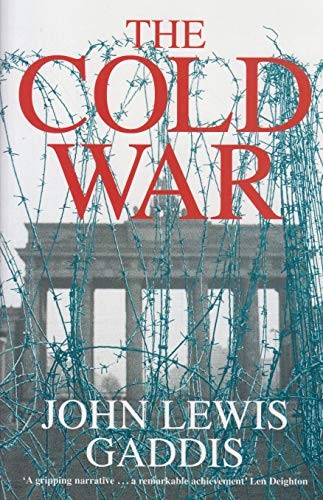
Gaddis, one of the leading historians of the period, packs the whole Cold War into about 300 readable pages. He explains why it started, why it didn’t turn into nuclear war and why it ended so suddenly. It’s the best single book to start with.
2. Iron Curtain by Anne Applebaum
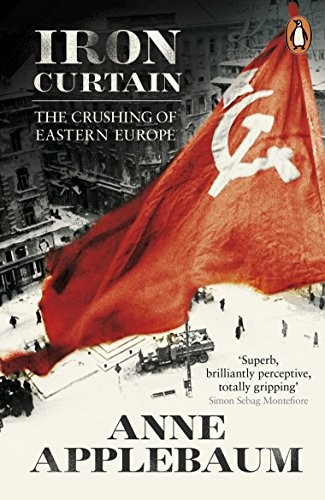
Applebaum shows how the Soviet Union took control of Poland, Hungary and East Germany after 1945, using police, propaganda and control of schools and youth groups. It’s detailed, chilling and essential for understanding life behind the Iron Curtain.
3. One Minute to Midnight by Michael Dobbs
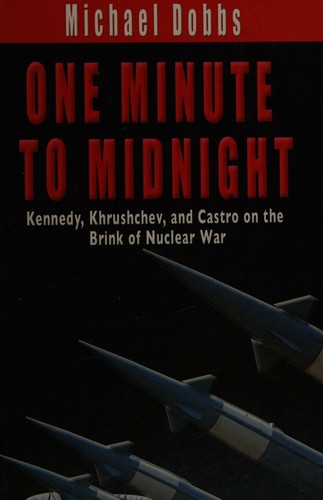
Dobbs follows the 13 days of October 1962, hour by hour, from the White House and the Kremlin to Cuban missile sites and a lost U.S. spy plane. It’s a gripping account of how close the world came to nuclear war.
4. The Spy and the Traitor by Ben Macintyre
Oleg Gordievsky, a KGB officer, secretly worked for British intelligence for years before a dramatic escape from Moscow in 1985. Macintyre’s bestseller reads like a le Carré novel, but every word is true. It’s one of the best spy books ever written.
5. Thirteen Days by Robert F. Kennedy
Robert Kennedy’s short memoir of the Cuban Missile Crisis, published after his assassination in 1968, describes the debates among President Kennedy’s advisers as they decided how to respond. It’s brief, tense and a valuable first-hand account.
6. The Berlin Wall by Frederick Taylor
Taylor tells the story of the Wall from its overnight construction in August 1961 to its fall in November 1989. He includes escapes, tunnels and the lives of Berliners on both sides. It’s a vivid history of the Cold War’s most famous symbol.
7. The Dead Hand by David E. Hoffman
Hoffman’s Pulitzer Prize-winning history explores the final years of the nuclear arms race, Soviet germ weapons and a doomsday system designed to retaliate automatically. It’s alarming and fascinating, and it shows how the danger outlasted the Cold War.
8. The Spy Who Came in from the Cold by John le Carré
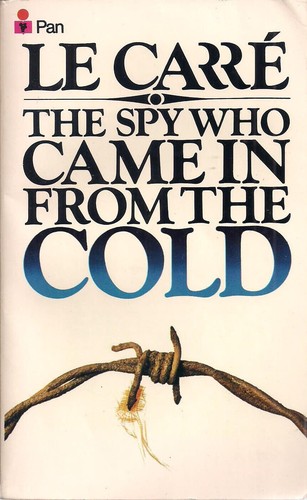
Le Carré’s 1963 novel follows Alec Leamas, a worn-out British agent, on one last mission in divided Germany. It’s bleak, clever and morally complicated, and it changed spy fiction forever. It’s short and still one of the best.
9. Postwar by Tony Judt
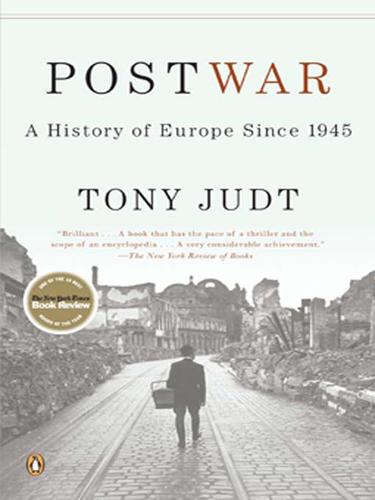
Judt’s huge history covers Europe from the end of World War II to the early 2000s, East and West. It’s long but brilliant, and it shows how the Cold War shaped daily life, politics and memory across the continent.
10. Bomb by Steve Sheinkin
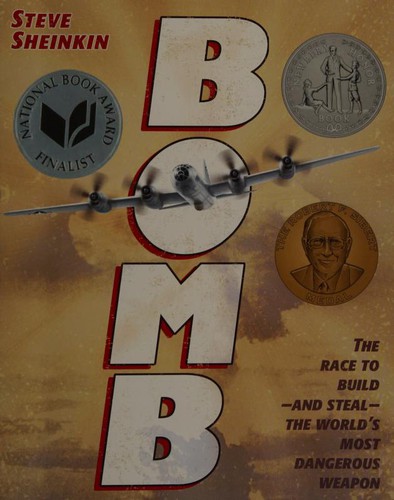
Sheinkin tells the thrilling story of the race to build the atomic bomb and the Soviet spies who stole its secrets. A Newbery Honor book and National Book Award finalist, it’s fast-paced and perfect for teens and adults who want a quick, gripping read.
11. The Brothers by Stephen Kinzer
Kinzer tells the story of John Foster Dulles, Eisenhower’s secretary of state, and his brother Allen, head of the CIA, and how they shaped American policy in the 1950s through coups and covert operations. It’s critical and eye-opening.
12. Legacy of Ashes by Tim Weiner
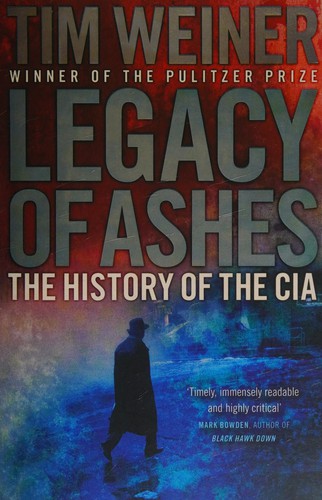
Weiner’s National Book Award-winning history of the CIA covers its successes and many failures from its founding in 1947 onward. Based on thousands of documents and interviews, it’s a sharp, often damning account.
13. The Hunt for Red October by Tom Clancy
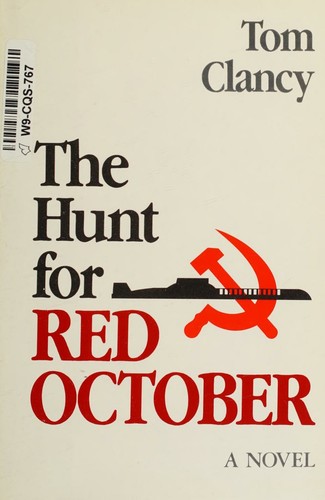
Clancy’s 1984 debut follows a Soviet submarine captain who tries to defect to the United States with his cutting-edge sub. It launched the Jack Ryan series and captures Cold War naval tension. It’s a fun, fast read.
14. Stasiland by Anna Funder
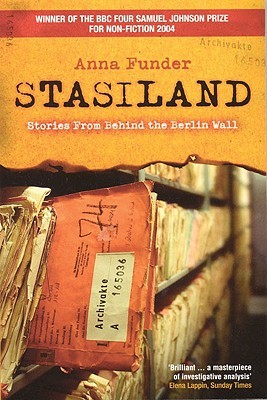
Funder interviews East Germans about life under the Stasi, the secret police, including people who were spied on and some who did the spying. It’s personal, moving and often darkly funny, and it shows what surveillance does to people.
15. The Cold War: A World History by Odd Arne Westad
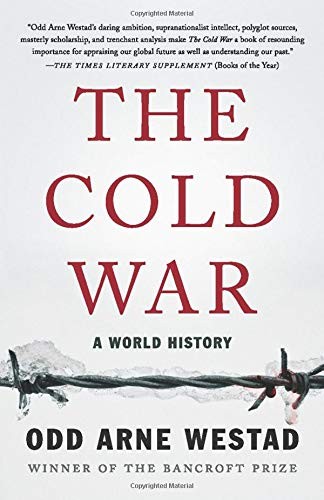
Westad takes a global view, showing how the Cold War shaped Africa, Asia and Latin America as well as Europe and the superpowers. It’s comprehensive and thoughtful, and it’s the best book for understanding the conflict’s worldwide reach.
Tips for Reading About the Cold War
- Start with Gaddis. His short history gives you the timeline and the big ideas.
- Pick one crisis. The Cuban Missile Crisis or the Berlin Wall is a great deep-dive topic.
- Mix spies and history. Read The Spy and the Traitor alongside a history for a fun contrast.
- Look beyond the superpowers. Westad and Applebaum show how other countries were affected.
- Watch an adaptation. Le Carré’s novels and Thirteen Days have strong film versions.
- Talk to someone who remembers. Ask older relatives about duck-and-cover drills or the fall of the Berlin Wall.
Related: the best books on the French Revolution and the best books on the history of China.
Frequently Asked Questions
What is the best book about the Cold War?
The Cold War: A New History by John Lewis Gaddis is the best short overview, and The Cold War: A World History by Odd Arne Westad is the best global history.
What is the best Cold War spy book?
The Spy and the Traitor by Ben Macintyre is the best true spy story, and The Spy Who Came in from the Cold by John le Carré is the classic novel.
When was the Cold War?
It’s usually dated from about 1947 to 1991, ending with the collapse of the Soviet Union.