
Disclosure: As an Amazon Associate, Bookish Wisdom earns from qualifying purchases. This doesn’t change our picks or your price.
Quick answer: The best books on the Cuban Missile Crisis explain the 13 days in October 1962 when the world came closest to nuclear war. Start with One Minute to Midnight by Michael Dobbs, Thirteen Days by Robert F. Kennedy, Nuclear Folly by Serhii Plokhy, Essence of Decision by Graham Allison and The Kennedy Tapes by Ernest May and Philip Zelikow.
In October 1962, American spy planes discovered that the Soviet Union was secretly building nuclear missile sites in Cuba, about 90 miles from Florida. For 13 days, President John F. Kennedy and Soviet leader Nikita Khrushchev faced off while the world watched. The US imposed a naval “quarantine,” a U-2 was shot down over Cuba, and a Soviet submarine nearly fired a nuclear torpedo. The crisis ended when Khrushchev agreed to remove the missiles, in return for a US pledge not to invade Cuba and a secret promise to remove American missiles from Turkey. The books below tell the story from Washington, Moscow and Havana.
Table of Contents
Quick Picks at a Glance
| Book | Author | Type | Best For |
|---|---|---|---|
| One Minute to Midnight | Michael Dobbs | Narrative history | The best single account |
| Thirteen Days | Robert F. Kennedy | Memoir | Inside the White House |
| Nuclear Folly | Serhii Plokhy | History | The Soviet side |
| Essence of Decision | Graham Allison and Philip Zelikow | Political science | How governments decide |
| The Kennedy Tapes | Ernest May and Philip Zelikow | Primary sources | Hearing the debates |
| One Hell of a Gamble | Aleksandr Fursenko and Timothy Naftali | History | Khrushchev and Castro |
| Gambling with Armageddon | Martin J. Sherwin | History | Luck and nuclear risk |
| Khrushchev: The Man and His Era | William Taubman | Biography | Understanding Khrushchev |
| An Unfinished Life | Robert Dallek | Biography | Understanding Kennedy |
| The Missiles of October | Elie Abel | Journalism | An early classic |
| The Armageddon Letters | James G. Blight and Janet M. Lang | Primary sources | Kennedy, Khrushchev and Castro |
| Command and Control | Eric Schlosser | History | Nuclear weapons risk |
| Fail-Safe | Eugene Burdick and Harvey Wheeler | Novel | Cold War thriller fans |
| Countdown | Deborah Wiles | Middle-grade novel | Ages 9–13 |
| The Cold War: A New History | John Lewis Gaddis | History | The big picture |
1. One Minute to Midnight by Michael Dobbs
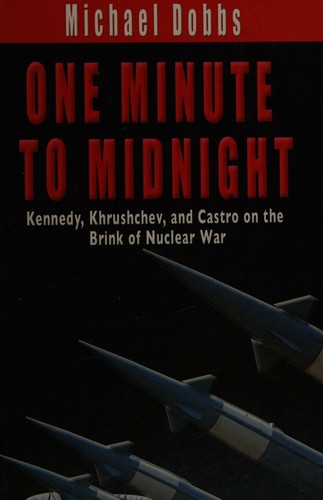
Dobbs focuses on the most dangerous days of the crisis and shows how close accidents and misunderstandings came to starting a war. It’s gripping, hour-by-hour history.
2. Thirteen Days by Robert F. Kennedy
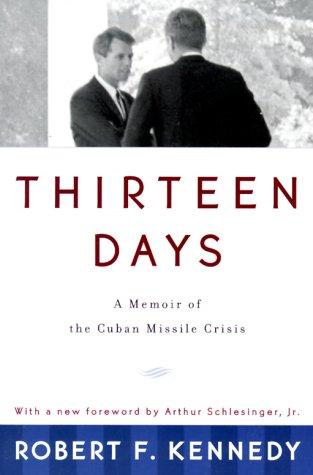
The president’s brother and attorney general wrote this short, vivid account of the crisis from inside Kennedy’s advisory group. It’s a classic, though it leaves out the secret Turkey deal’s full story.
3. Nuclear Folly by Serhii Plokhy
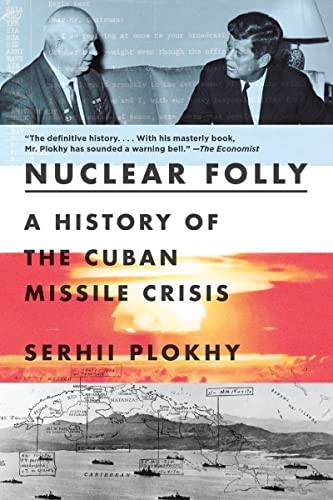
Plokhy uses newly opened Soviet archives to show how mistakes on both sides created and nearly escalated the crisis. It’s an important modern history.
4. Essence of Decision by Graham Allison and Philip Zelikow
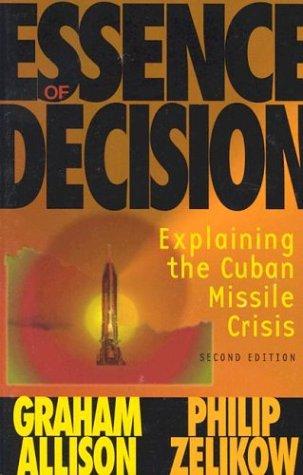
Allison’s famous study uses the crisis to explain three ways of understanding government decisions. It’s a classic of political science, still assigned in universities.
5. The Kennedy Tapes by Ernest May and Philip Zelikow
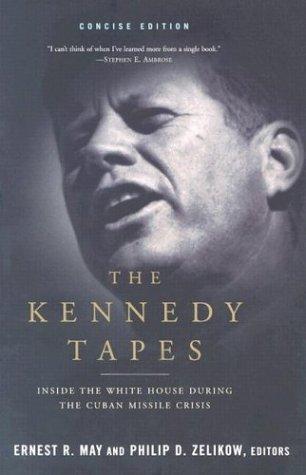
Kennedy secretly recorded his meetings during the crisis. These transcripts let you follow the arguments of his advisers in real time. It’s fascinating and tense.
6. One Hell of a Gamble by Aleksandr Fursenko and Timothy Naftali
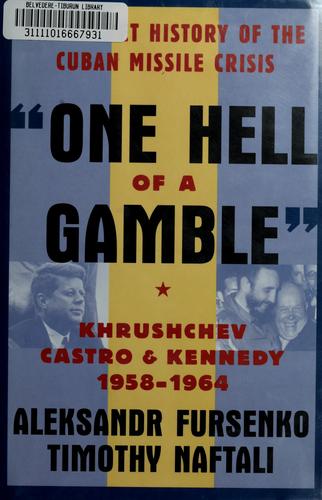
Based on Soviet archives, this book explains why Khrushchev sent missiles to Cuba and how Moscow saw the crisis. It’s revealing and well researched.
7. Gambling with Armageddon by Martin J. Sherwin
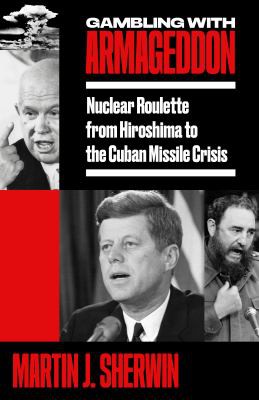
Sherwin, a Pulitzer Prize-winning historian, argues that the world survived the crisis partly through luck, and he places it in the longer history of nuclear weapons.
8. Khrushchev: The Man and His Era by William Taubman
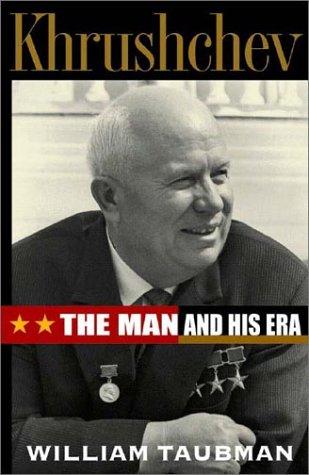
Taubman’s Pulitzer Prize-winning biography explains the impulsive, complex Soviet leader who took the gamble in Cuba. It’s a superb portrait.
9. An Unfinished Life by Robert Dallek
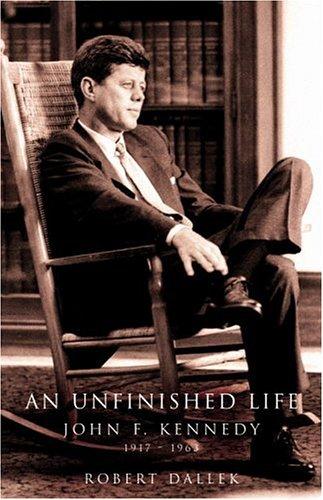
Dallek’s biography of John F. Kennedy covers his presidency, health problems and decision-making during the crisis. It’s balanced and readable.
10. The Missiles of October by Elie Abel
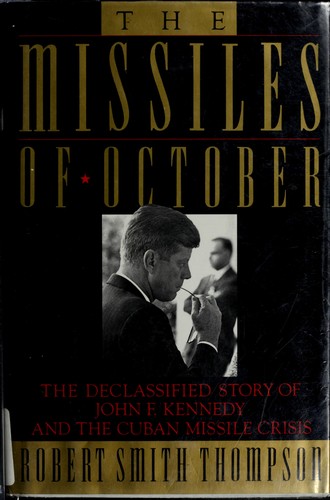
Abel, an NBC correspondent, wrote one of the first detailed accounts of the crisis in 1966, based on interviews with officials. It’s still a quick, engaging read.
11. The Armageddon Letters by James G. Blight and Janet M. Lang
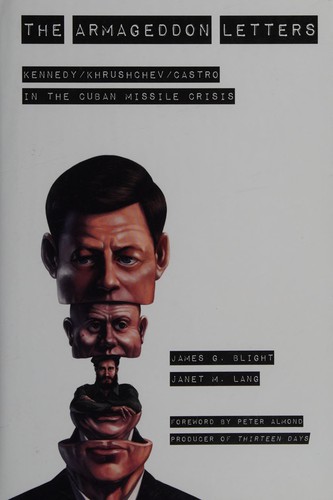
This book uses the letters between Kennedy, Khrushchev and Castro to tell the story of the crisis. It shows how each leader saw the danger.
12. Command and Control by Eric Schlosser
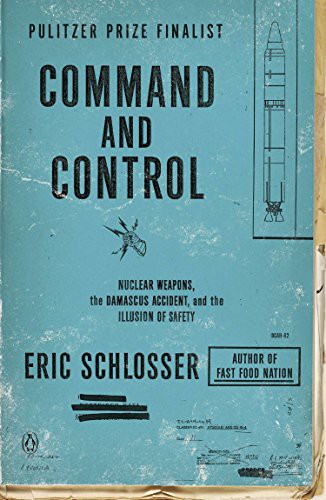
Schlosser’s investigation of nuclear weapons accidents shows how fragile nuclear safety really was during the Cold War. It’s chilling and gripping.
13. Fail-Safe by Eugene Burdick and Harvey Wheeler
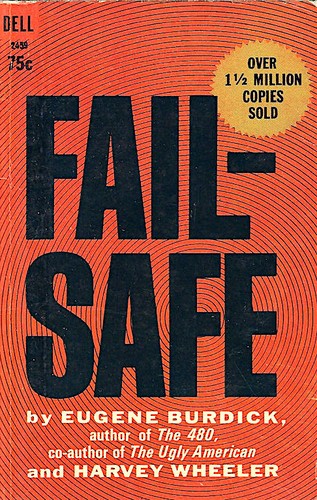
Published in 1962, this tense novel imagines a technical error that sends American bombers toward Moscow. It captures the fears of the era.
14. Countdown by Deborah Wiles
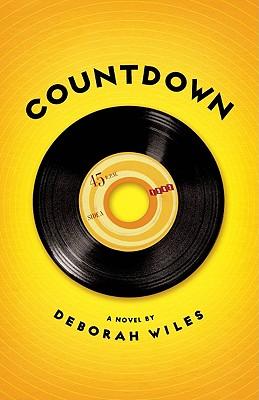
Eleven-year-old Franny lives near a military base in Maryland during the crisis. This “documentary novel” mixes her story with photos, songs and news of 1962.
15. The Cold War: A New History by John Lewis Gaddis
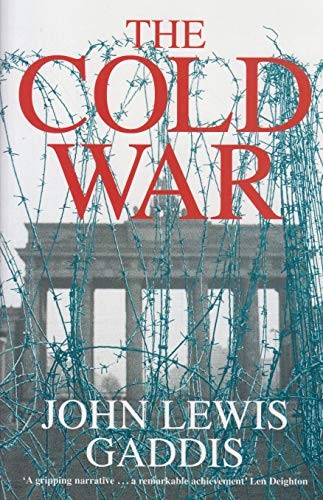
Gaddis’s short, readable history of the Cold War puts the crisis in context. It’s the ideal background book.
Tips for Reading About the Cuban Missile Crisis
- Start with Dobbs. One Minute to Midnight is the most gripping account.
- Read the tapes. The Kennedy Tapes let you hear the real debates.
- Look at the Soviet side. Plokhy and Fursenko explain Moscow’s choices.
- Learn about the Turkey deal. The secret trade of missiles in Turkey was key to the ending.
- Don’t forget Cuba. Castro’s role is often overlooked.
- Read with kids. Countdown by Deborah Wiles makes 1962 feel real.
Related: best books on the Cold War and best books on the Space Race.
Frequently Asked Questions
What is the best book about the Cuban Missile Crisis?
One Minute to Midnight by Michael Dobbs is the most gripping modern account, and Thirteen Days by Robert F. Kennedy is the classic insider memoir.
How was the Cuban Missile Crisis resolved?
Khrushchev agreed to remove the missiles in exchange for a US pledge not to invade Cuba and a secret promise to remove American Jupiter missiles from Turkey.
Is there a good book about the crisis for kids?
Countdown by Deborah Wiles is a novel for ages 9 to 13 set in October 1962.