
Disclosure: As an Amazon Associate, Bookish Wisdom earns from qualifying purchases. This doesn’t change our picks or your price.
Quick answer: The best books on the Maya explain their cities, kings, writing and collapse. Start with Breaking the Maya Code and The Maya by Michael D. Coe, Chronicle of the Maya Kings and Queens by Simon Martin and Nikolai Grube, A Forest of Kings by Linda Schele and David Freidel, and Jungle of Stone by William Carlsen.
The Maya built cities like Tikal, Palenque, Copán and Calakmul in the rainforests of southern Mexico and Central America, and their civilization flourished for well over a thousand years. They developed the most complete writing system in the ancient Americas, a sophisticated calendar and remarkable astronomy. Many of their great southern cities were abandoned in the 800s, but the Maya never disappeared: millions of Maya people live in the region today. For most of the 20th century their writing couldn’t be read. Once it was deciphered, the kings and queens of the inscriptions came back to life. The books below tell that story, from archaeology and codebreaking to travel classics and books for kids.
Table of Contents
Quick Picks at a Glance
| Book | Author | Type | Best For |
|---|---|---|---|
| Breaking the Maya Code | Michael D. Coe | History of science | The decipherment story |
| The Maya | Michael D. Coe | Overview | The standard introduction |
| Chronicle of the Maya Kings and Queens | Simon Martin and Nikolai Grube | Dynastic history | Readers who love royal drama |
| A Forest of Kings | Linda Schele and David Freidel | History | Bringing Maya rulers to life |
| Jungle of Stone | William Carlsen | Narrative nonfiction | Adventure lovers |
| Incidents of Travel in Central America, Chiapas, and Yucatan | John Lloyd Stephens | Travel classic | Primary sources |
| The Ancient Maya | Robert J. Sharer and Loa P. Traxler | Reference | Serious students |
| The Maya: A Very Short Introduction | Matthew Restall and Amara Solari | Short introduction | A quick overview |
| The Fall of the Ancient Maya | David Webster | History | The collapse question |
| Collapse | Jared Diamond | Big-picture history | Comparing civilizations |
| Reading the Maya Glyphs | Michael D. Coe and Mark Van Stone | Guide | Learning to read glyphs |
| The Code of Kings | Linda Schele and Peter Mathews | Archaeology | Visiting the sites |
| Maya Art and Architecture | Mary Ellen Miller | Art history | Art lovers |
| 1491 | Charles C. Mann | Big-picture history | Context on the Americas |
| Aztec, Inca and Maya | Elizabeth Baquedano | Kids’ nonfiction | Ages 8–12 |
1. Breaking the Maya Code by Michael D. Coe
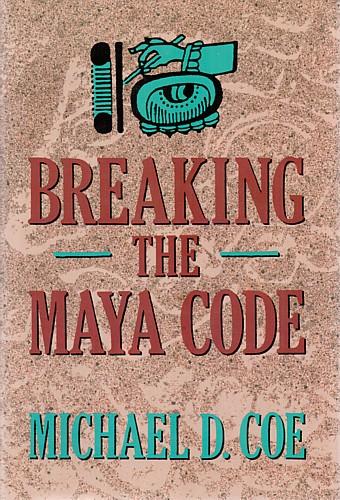
Coe tells how scholars finally cracked Maya hieroglyphs, a story full of rivalries, wrong turns and brilliant insights. It reads like a detective story and explains why the breakthrough changed everything we know about the Maya.
2. The Maya by Michael D. Coe
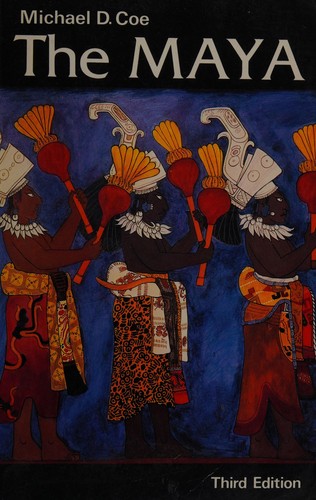
Updated through many editions, Coe’s classic covers the Maya from their earliest villages to the Spanish conquest and beyond. It’s clear, well illustrated and still the book most courses start with.
3. Chronicle of the Maya Kings and Queens by Simon Martin and Nikolai Grube
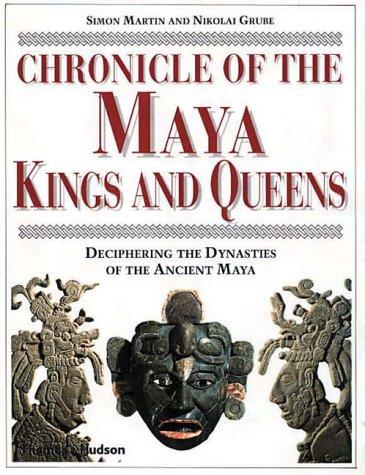
Using deciphered inscriptions, Martin and Grube trace the rulers of the great Maya cities, their wars, alliances and family feuds. It’s full of illustrations and reads like a history of rival kingdoms.
4. A Forest of Kings by Linda Schele and David Freidel
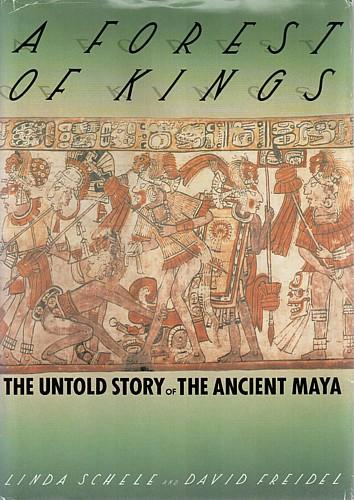
One of the first books to use the decoded texts to tell Maya history, it focuses on kings like Pakal of Palenque. Some details have since been revised, but it remains an exciting, influential read.
5. Jungle of Stone by William Carlsen
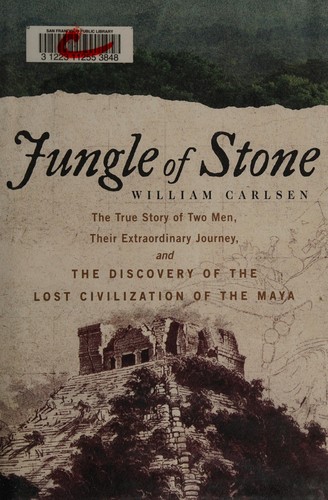
In 1839, the American diplomat John Lloyd Stephens and the artist Frederick Catherwood set out to find ruined cities in the jungle. Carlsen tells their story of discovery, illness and astonishment with real energy.
6. Incidents of Travel in Central America, Chiapas, and Yucatan by John Lloyd Stephens
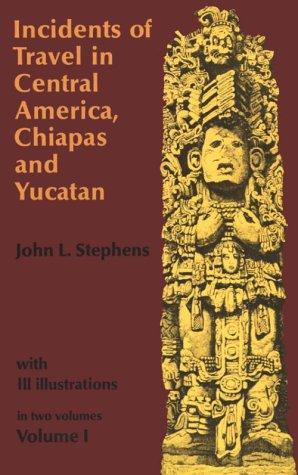
Stephens’s own 1841 account, with Catherwood’s beautiful drawings, introduced the Maya ruins to readers around the world. It’s witty and surprisingly readable, a classic of travel writing.
7. The Ancient Maya by Robert J. Sharer and Loa P. Traxler
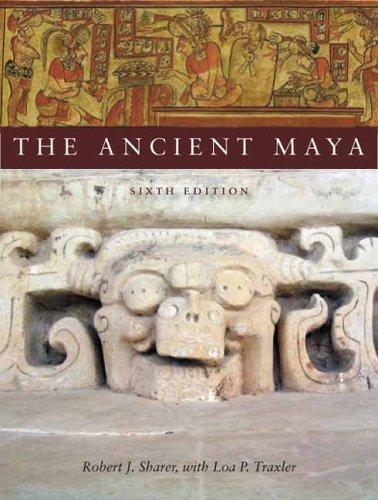
This big, authoritative textbook covers Maya archaeology, history, society and religion in depth. It’s the book to keep on the shelf when you want detail and evidence.
8. The Maya: A Very Short Introduction by Matthew Restall and Amara Solari
This compact book covers ancient cities, the Spanish conquest and Maya people today, and it challenges myths like the 2012 “end of the world” prophecy. It’s perfect for a fast, reliable overview.
9. The Fall of the Ancient Maya by David Webster
Why were so many southern Maya cities abandoned in the 800s? Webster examines drought, warfare, overpopulation and political breakdown in a balanced, readable way.
10. Collapse by Jared Diamond
Diamond’s bestseller includes a chapter on the Maya alongside Easter Island, the Norse in Greenland and others. It’s a good way to think about the environmental side of the Maya story.
11. Reading the Maya Glyphs by Michael D. Coe and Mark Van Stone
This hands-on guide teaches the basics of Maya writing, from numbers to royal names. If Breaking the Maya Code makes you curious, this book lets you try decipherment yourself.
12. The Code of Kings by Linda Schele and Peter Mathews
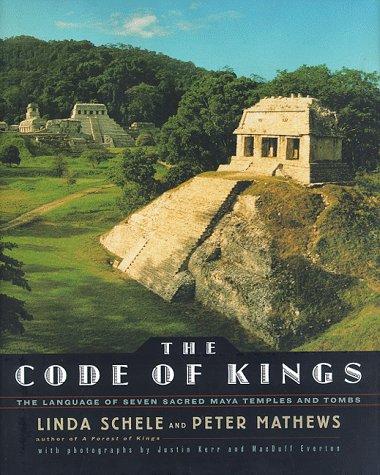
Schele and Mathews explain seven Maya sites, including Tikal, Palenque and Chichén Itzá, monument by monument. It’s a superb companion for travelers or armchair explorers.
13. Maya Art and Architecture by Mary Ellen Miller
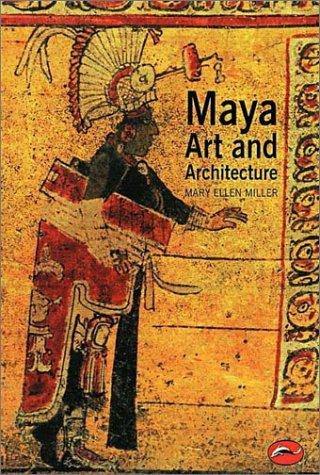
Miller’s illustrated guide covers Maya temples, sculpture, murals and painted pottery. It shows how art and power were bound together in Maya cities.
14. 1491 by Charles C. Mann
Mann’s bestseller describes the Americas before Columbus, arguing they were more populous and sophisticated than once believed. The Maya are a major part of a fascinating wider story.
15. Aztec, Inca and Maya by Elizabeth Baquedano
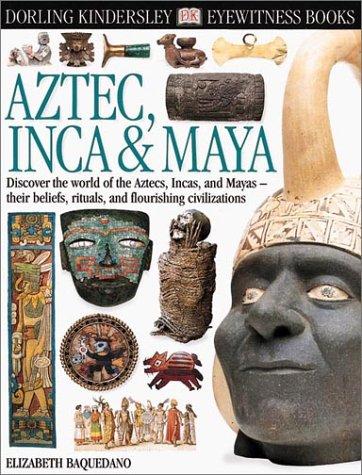
This DK Eyewitness book uses photographs of real artifacts to introduce the three great civilizations of the ancient Americas. It’s ideal for school projects and curious kids.
Tips for Reading About the Maya
- Start with Coe. The Maya gives you the framework for everything else.
- Read the codebreaking story. Breaking the Maya Code explains why newer books know so much more.
- Check the edition date. Maya studies move fast; newer editions reflect new finds.
- Remember the Maya today. Millions of Maya people still live in Mexico and Central America.
- Use maps. City names like Tikal and Calakmul are easier to follow on a map.
- Ignore 2012 hype. The Maya calendar never predicted the end of the world.
Related: 15 Best Books on Ancient Greece: Histories, Classics and Myths · 15 Best Books on Ancient Rome: Histories, Biographies and Novels
Frequently Asked Questions
What is the best book about the Maya?
The Maya by Michael D. Coe is the standard introduction, and Breaking the Maya Code by the same author tells the story of how Maya writing was deciphered.
Did the Maya disappear?
No. Many great southern Maya cities were abandoned in the 800s, but Maya people continued to live in the region, and millions of Maya live in Mexico and Central America today.
What is a good Maya book for kids?
Aztec, Inca and Maya by Elizabeth Baquedano, a DK Eyewitness book, is a good illustrated introduction for ages 8 to 12.