
Disclosure: As an Amazon Associate, Bookish Wisdom earns from qualifying purchases. This doesn’t change our picks or your price.
Quick answer: The best books on the Plague of Justinian explain the first known pandemic of bubonic plague, which struck the Roman world in AD 541. Start with Justinian’s Flea by William Rosen, The Fate of Rome by Kyle Harper, Plagues upon the Earth by Kyle Harper, Plague and the End of Antiquity edited by Lester K. Little and Justinian by Peter Sarris.
In 541, during the reign of the emperor Justinian, plague arrived in Egypt and soon reached Constantinople, where the historian Procopius reported thousands of deaths a day. It was caused by the same bacterium, Yersinia pestis, that later caused the Black Death, as DNA from victims’ graves has now confirmed. The pandemic returned in waves for two centuries and may have killed a large share of the Mediterranean world’s population, though historians debate exactly how much. It struck just as Justinian was trying to reconquer the lost western provinces. The books below explain the plague, the emperor and his age, and the debate about how disease and climate shaped the end of the ancient world.
Table of Contents
Quick Picks at a Glance
| Book | Author | Type | Best For |
|---|---|---|---|
| Justinian’s Flea | William Rosen | Narrative history | The best introduction |
| The Fate of Rome | Kyle Harper | History | Climate and disease |
| Plagues upon the Earth | Kyle Harper | History | Disease in human history |
| Plague and the End of Antiquity | Lester K. Little (editor) | History | Serious readers |
| Justinian | Peter Sarris | Biography | The emperor himself |
| The Age of Justinian | J. A. S. Evans | History | Justinian’s world |
| The Wars of Justinian | Procopius | Primary source | The eyewitness |
| Theodora | Paolo Cesaretti | Biography | The empress |
| The Inheritance of Rome | Chris Wickham | History | The early Middle Ages |
| The Last Great War of Antiquity | James Howard-Johnston | History | Rome and Persia |
| Rome and Persia | Adrian Goldsworthy | History | Seven centuries of rivalry |
| Pathogenesis | Jonathan Kennedy | Big-picture history | Germs and history |
| Epidemics and Society | Frank M. Snowden | History | Pandemics through time |
| Count Belisarius | Robert Graves | Historical novel | Classic fiction lovers |
| Lord of Emperors | Guy Gavriel Kay | Fantasy novel | Fantasy readers |
1. Justinian’s Flea by William Rosen
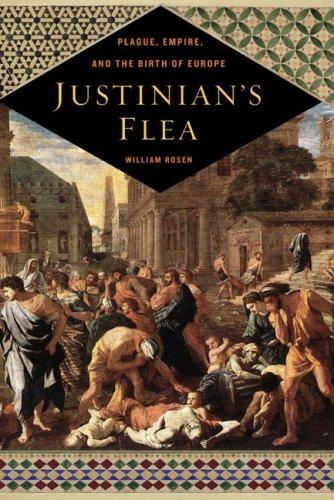
Rosen tells the story of Justinian’s empire and the plague that struck it, from the biology of fleas to the politics of Constantinople. It’s lively and full of connections.
2. The Fate of Rome by Kyle Harper
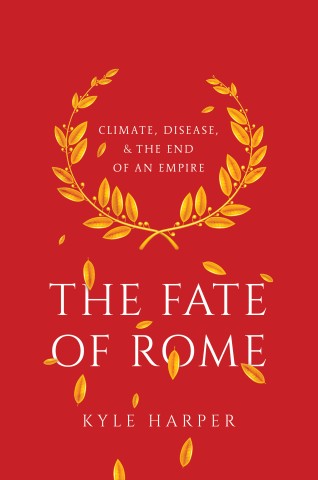
Harper argues that climate change and pandemics, including the Plague of Justinian, played a major part in Rome’s fall. It’s an important and much-discussed book.
3. Plagues upon the Earth by Kyle Harper
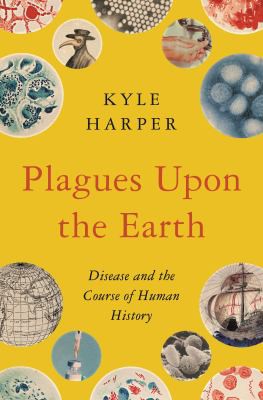
Harper’s big history of disease places Justinian’s plague in the long story of humans and germs. It’s ambitious and fascinating.
4. Plague and the End of Antiquity by Lester K. Little (editor)
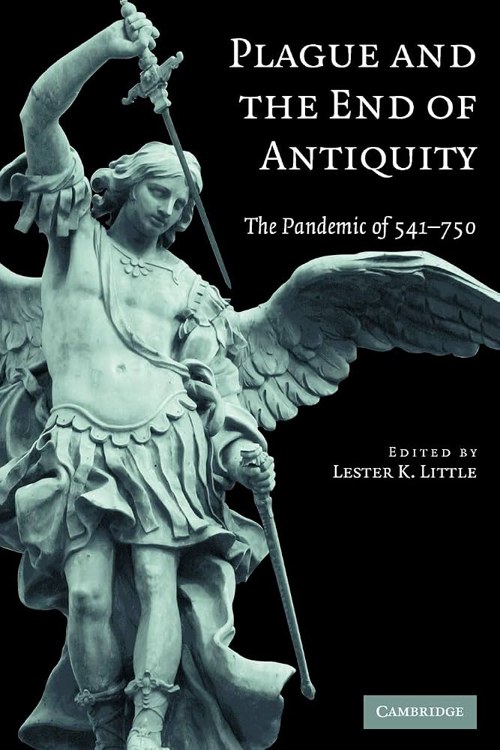
Leading scholars examine the pandemic of 541 to 750 from many angles, from medicine to economics. It’s the key academic collection.
5. Justinian by Peter Sarris
Sarris’s 2023 biography, subtitled Emperor, Soldier, Saint, is the best modern life of Justinian. It covers his wars, laws, buildings and the plague.
6. The Age of Justinian by J. A. S. Evans
Evans describes the empire under Justinian, from politics and religion to daily life. It’s clear and authoritative.
7. The Wars of Justinian by Procopius
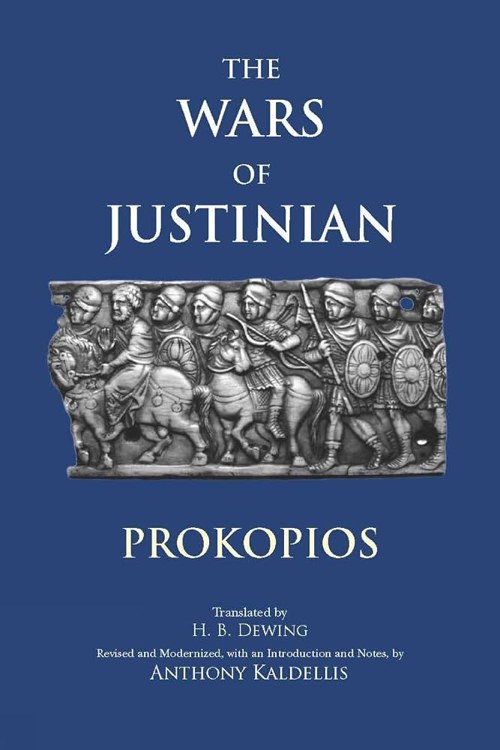
Procopius, who lived through the plague in Constantinople, describes it vividly in this history of Justinian’s wars. Anthony Kaldellis’s revised translation is excellent.
8. Theodora by Paolo Cesaretti
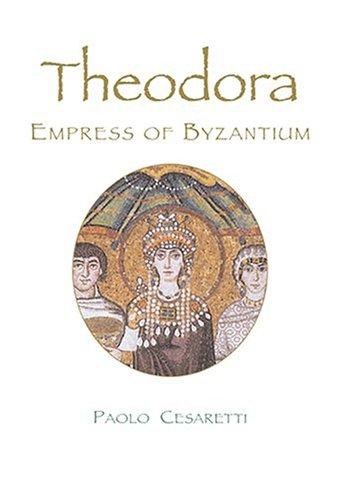
Cesaretti tells the story of Justinian’s remarkable wife, who rose from the theater to the throne. It’s lively and well illustrated.
9. The Inheritance of Rome by Chris Wickham
Wickham’s big history covers Europe from 400 to 1000, including the world the plague transformed. It’s authoritative and wide-ranging.
10. The Last Great War of Antiquity by James Howard-Johnston
Howard-Johnston tells the story of the last great war between Rome and Persia in the early 600s, fought in a plague-weakened world.
11. Rome and Persia by Adrian Goldsworthy
Goldsworthy tells the story of the long rivalry between Rome and Persia, which continued through Justinian’s age.
12. Pathogenesis by Jonathan Kennedy
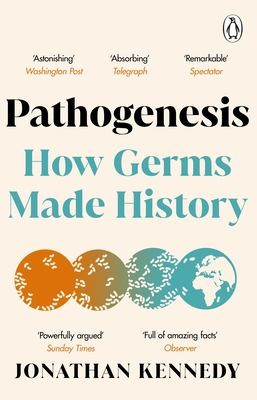
Kennedy argues that microbes have shaped human history, from early humans to the Plague of Justinian and beyond. It’s provocative and readable.
13. Epidemics and Society by Frank M. Snowden
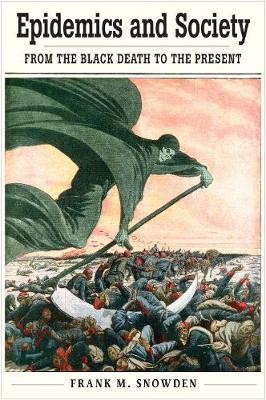
Snowden, a Yale historian, explains how epidemics from plague to cholera shaped societies. It’s clear and comprehensive.
14. Count Belisarius by Robert Graves
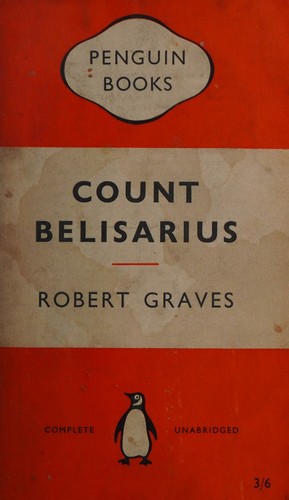
Graves’s novel follows Justinian’s great general through the wars of the age. It’s a stirring adventure.
15. Lord of Emperors by Guy Gavriel Kay
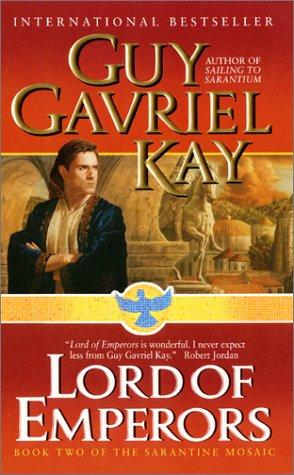
The second book of Kay’s Sarantine Mosaic is set in a world closely based on Justinian’s Constantinople. It’s beautiful and intelligent.
Tips for Reading About the Plague of Justinian
- Start with Rosen. Justinian’s Flea tells the whole story.
- Read Harper for the debate. Climate and disease are hot topics among historians.
- Read Procopius. His description of the plague is unforgettable.
- Compare with the Black Death. It was the same bacterium 800 years earlier.
- Learn about Justinian. Sarris shows an emperor shaped by crisis.
- Watch for new research. DNA studies keep changing what we know.
Related: best books on the Byzantine Empire and best books on the Black Death.
Frequently Asked Questions
What is the best book about the Plague of Justinian?
Justinian’s Flea by William Rosen is the best introduction, and The Fate of Rome by Kyle Harper places it in the wider story of Rome’s fall.
What caused the Plague of Justinian?
DNA from victims’ remains shows it was caused by Yersinia pestis, the same bacterium behind the Black Death.
How many people died in the Plague of Justinian?
Estimates vary widely. Contemporaries described huge death tolls, but historians still debate how many died across the two centuries of outbreaks.