
Disclosure: As an Amazon Associate, Bookish Wisdom earns from qualifying purchases. This doesn’t change our picks or your price.
Quick answer: The best books on the Rwandan genocide explain how about 800,000 people, mostly Tutsi, were murdered in about 100 days in 1994. Start with We Wish to Inform You That Tomorrow We Will Be Killed with Our Families by Philip Gourevitch, Shake Hands with the Devil by Roméo Dallaire, Machete Season by Jean Hatzfeld and The Girl Who Smiled Beads by Clemantine Wamariya.
Between April and July 1994, Hutu extremists in Rwanda killed an estimated 800,000 people, most of them Tutsi, along with moderate Hutu who opposed the killing. Neighbors killed neighbors, often with machetes, encouraged by radio broadcasts and organized by officials. The United Nations had peacekeepers in the country but was not allowed to stop the slaughter, and the world largely looked away. The genocide ended when the Rwandan Patriotic Front took control of the country. The books below include the most important journalism, histories, survivor memoirs and novels. Content note: these books describe mass violence, including sexual violence.
Table of Contents
Quick Picks at a Glance
| Book | Author | Type | Best For |
|---|---|---|---|
| We Wish to Inform You That Tomorrow We Will Be Killed with Our Families | Philip Gourevitch | Journalism | The essential first read |
| Shake Hands with the Devil | Roméo Dallaire | Memoir | The UN’s failure |
| Machete Season | Jean Hatzfeld | Oral history | Understanding the killers |
| Life Laid Bare | Jean Hatzfeld | Oral history | Survivors’ voices |
| Leave None to Tell the Story | Alison Des Forges | Investigation | The definitive record |
| The Rwanda Crisis | Gérard Prunier | History | Background and causes |
| A People Betrayed | Linda Melvern | History | The international failure |
| A Problem from Hell | Samantha Power | History | Genocide and the world |
| Rwanda: From Genocide to Precarious Peace | Susan Thomson | History | Rwanda since 1994 |
| The Girl Who Smiled Beads | Clemantine Wamariya | Memoir | A survivor’s journey |
| Cockroaches | Scholastique Mukasonga | Memoir | A family’s story |
| Rwanda Means the Universe | Louise Mushikiwabo | Memoir | A family history |
| A Sunday at the Pool in Kigali | Gil Courtemanche | Novel | Literary fiction |
| Murambi, the Book of Bones | Boubacar Boris Diop | Novel | Literary readers |
| Running the Rift | Naomi Benaron | Novel | Book clubs |
1. We Wish to Inform You That Tomorrow We Will Be Killed with Our Families by Philip Gourevitch
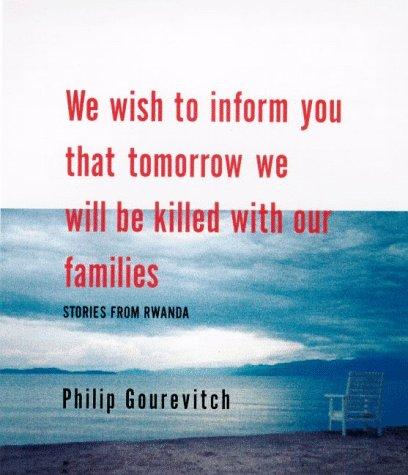
Gourevitch’s book explains how the genocide happened and how Rwanda tried to live with it afterward. It won the National Book Critics Circle Award and is powerful and clear.
2. Shake Hands with the Devil by Roméo Dallaire
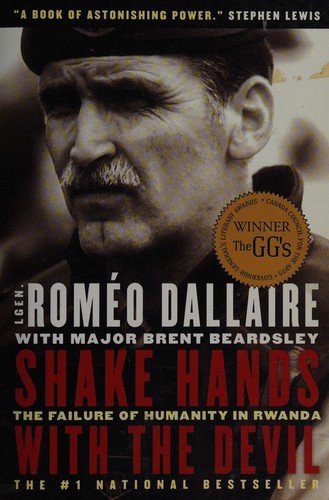
Dallaire, the Canadian general who commanded UN peacekeepers in Rwanda, describes his desperate attempts to get help as the killing began. It’s angry, honest and devastating.
3. Machete Season by Jean Hatzfeld
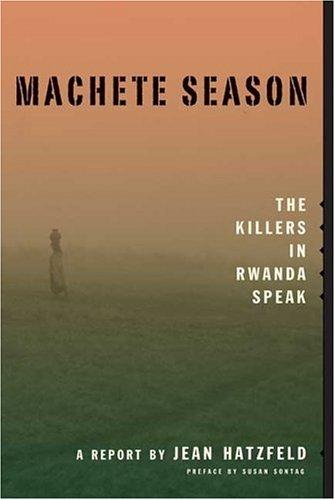
Hatzfeld interviewed a group of men imprisoned for taking part in the killing. Their calm accounts are shocking and essential for understanding how ordinary people became killers.
4. Life Laid Bare by Jean Hatzfeld
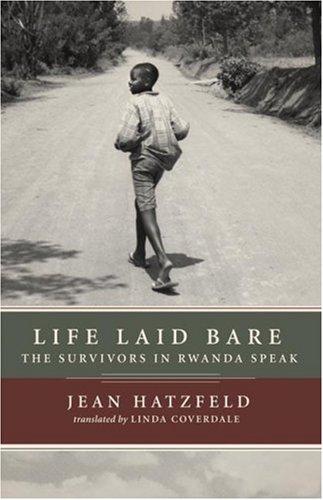
In this companion book, Hatzfeld records the testimony of survivors from the same region. It’s heartbreaking and deeply human.
5. Leave None to Tell the Story by Alison Des Forges
Des Forges led this Human Rights Watch investigation, which documents how the genocide was planned and carried out. It’s detailed and authoritative.
6. The Rwanda Crisis by Gérard Prunier
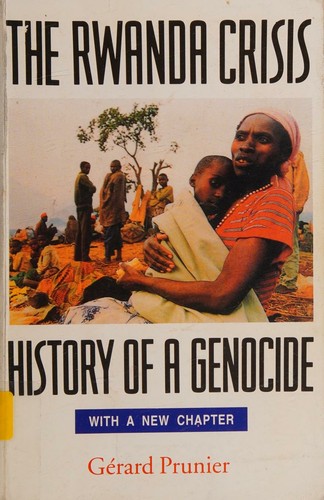
Prunier explains the history of Hutu and Tutsi identities, colonial rule and the politics that led to genocide. It’s a respected scholarly account.
7. A People Betrayed by Linda Melvern
Melvern investigates how the UN and Western governments failed to act. It’s a sharp and important book.
8. A Problem from Hell by Samantha Power
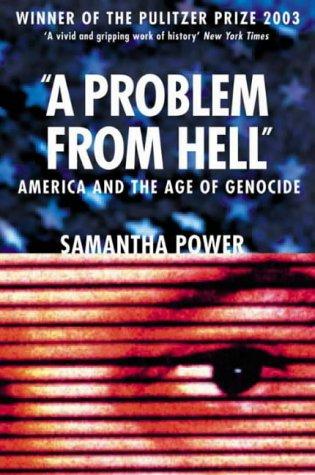
Power’s Pulitzer Prize winner examines how the United States responded to genocides in the 20th century, with a powerful chapter on Rwanda.
9. Rwanda: From Genocide to Precarious Peace by Susan Thomson
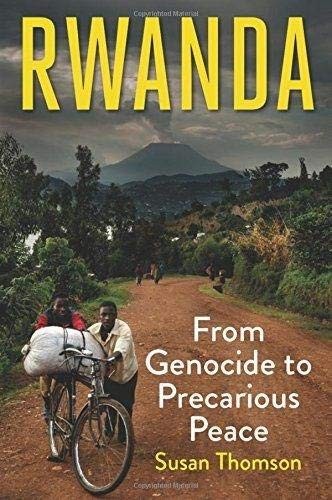
Thomson examines Rwanda’s history, the genocide and the country’s government since. It’s a thoughtful, critical account.
10. The Girl Who Smiled Beads by Clemantine Wamariya
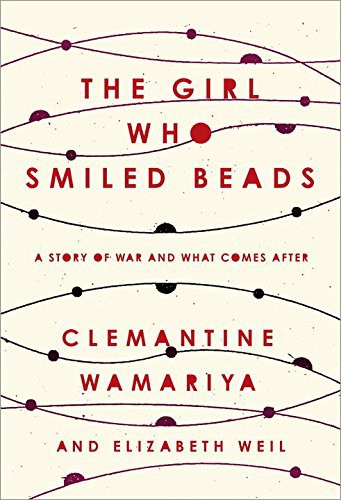
Wamariya was six when she and her sister fled the violence and spent years as refugees before reaching the United States. Her memoir is lyrical and moving.
11. Cockroaches by Scholastique Mukasonga
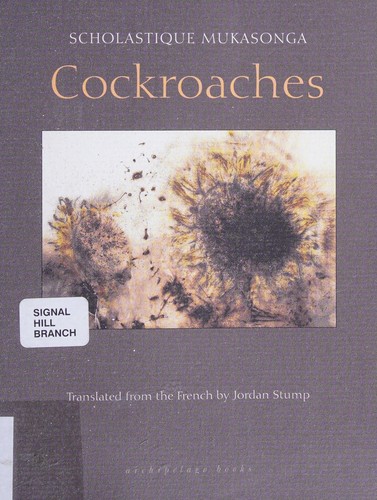
Mukasonga, who survived because she was studying abroad, writes about the family she lost and the persecution of Tutsi before 1994. It’s quiet and devastating.
12. Rwanda Means the Universe by Louise Mushikiwabo
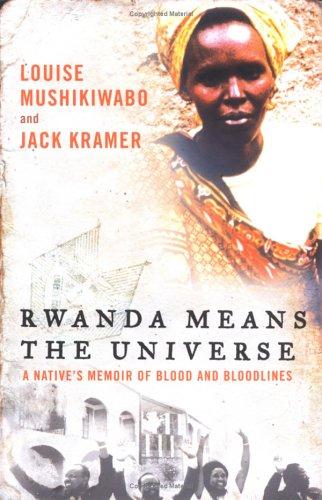
Mushikiwabo tells the story of her family, including her brother who was killed in the genocide. It combines memoir and history.
13. A Sunday at the Pool in Kigali by Gil Courtemanche
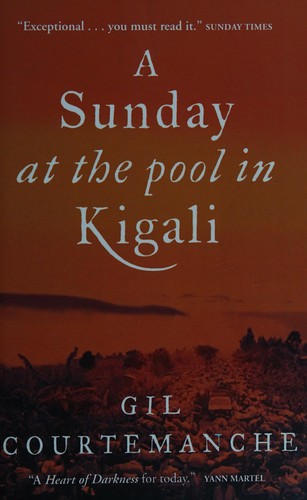
A Canadian journalist in Kigali falls in love as the genocide approaches. The novel is powerful and very graphic. Content note: explicit sex and violence.
14. Murambi, the Book of Bones by Boubacar Boris Diop
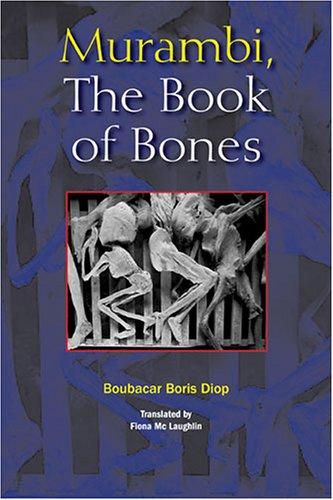
The Senegalese author tells the story of a massacre at a school in Murambi through several voices. It’s a haunting work of memory.
15. Running the Rift by Naomi Benaron
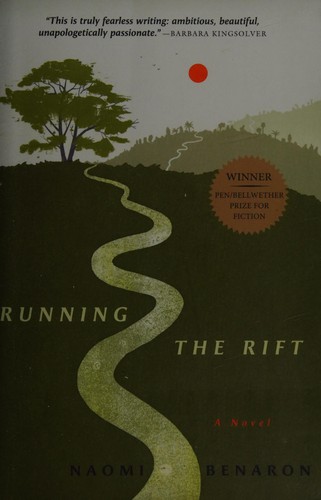
A young Tutsi athlete dreams of running in the Olympics as Rwanda moves toward genocide. It won the Bellwether Prize for socially engaged fiction.
Tips for Reading About the Rwandan Genocide
- Start with Gourevitch. It explains what happened and why.
- Read Dallaire. His memoir shows what the world failed to do.
- Pace yourself. These books describe terrible violence.
- Read survivors’ voices. Wamariya and Mukasonga make it personal.
- Learn the background. Prunier explains how colonial rule hardened ethnic divisions.
- Think about prevention. Samantha Power asks why the world keeps failing to stop genocide.
Related: best books on the Holocaust and best books on apartheid.
Frequently Asked Questions
What is the best book about the Rwandan genocide?
We Wish to Inform You That Tomorrow We Will Be Killed with Our Families by Philip Gourevitch is the essential book, and Shake Hands with the Devil by Roméo Dallaire is the most important memoir.
How many people died in the Rwandan genocide?
An estimated 800,000 people, most of them Tutsi, were killed in about 100 days between April and July 1994. Some estimates are higher.
Is Hotel Rwanda based on a book?
The film is based on the story of hotel manager Paul Rusesabagina, who later wrote a memoir, An Ordinary Man. His account has been disputed by some survivors.