
Disclosure: As an Amazon Associate, Bookish Wisdom earns from qualifying purchases. This doesn’t change our picks or your price.
Quick answer: The best books on World War I include classic histories, soldiers’ memoirs and great novels. Start with The Guns of August by Barbara W. Tuchman, All Quiet on the Western Front by Erich Maria Remarque, The Sleepwalkers by Christopher Clark, A World Undone by G.J. Meyer, Testament of Youth by Vera Brittain and Dead Wake by Erik Larson.
World War I, from 1914 to 1918, was supposed to be over by Christmas. Instead, it lasted four years, killed around 16 million people and destroyed empires. It introduced machine guns, poison gas, tanks and trench warfare on a terrible scale, and it set the stage for World War II. It also produced a remarkable body of writing by soldiers, nurses and historians trying to make sense of it. The books below include the classic histories of how the war began, sweeping narratives of the whole conflict, memoirs from the trenches, great novels and a children’s classic.
Table of Contents
Quick Picks at a Glance
| Book | Author | Type | Best For |
|---|---|---|---|
| The Guns of August | Barbara W. Tuchman | Narrative history | The opening weeks |
| All Quiet on the Western Front | Erich Maria Remarque | Novel | The essential war novel |
| The Sleepwalkers | Christopher Clark | History | How the war began |
| A World Undone | G.J. Meyer | Narrative history | The whole war in one book |
| Dead Wake | Erik Larson | Narrative nonfiction | Fans of true stories |
| The First World War | John Keegan | Military history | Military history readers |
| Testament of Youth | Vera Brittain | Memoir | A woman’s perspective |
| Storm of Steel | Ernst Jünger | Memoir | A German soldier’s view |
| Goodbye to All That | Robert Graves | Memoir | Literary readers |
| Regeneration | Pat Barker | Novel | Book clubs |
| Birdsong | Sebastian Faulks | Novel | Readers who love epic fiction |
| The Great War and Modern Memory | Paul Fussell | Literary history | Understanding the war’s legacy |
| War Horse | Michael Morpurgo | Children’s novel | Ages 9 and up |
| A Farewell to Arms | Ernest Hemingway | Novel | Classic lovers |
| Paris 1919 | Margaret MacMillan | History | Understanding the peace |
1. The Guns of August by Barbara W. Tuchman
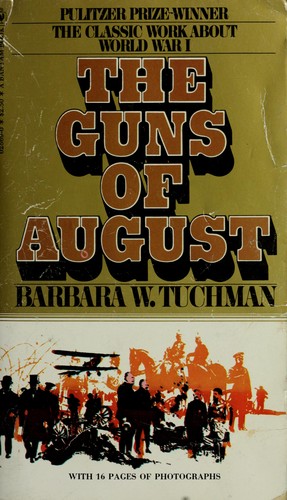
Tuchman’s Pulitzer Prize-winning history covers the first month of the war in 1914, when plans collapsed and armies collided. It’s famously gripping, and President Kennedy reportedly drew on it during the Cuban Missile Crisis. It’s the classic starting point.
2. All Quiet on the Western Front by Erich Maria Remarque
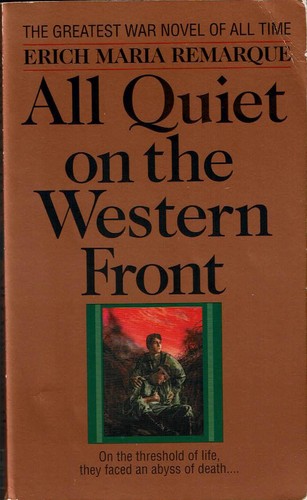
Remarque, a German veteran, tells the story of Paul Bäumer, a young soldier who enlists with his classmates and loses them one by one. Published in 1929, it’s short, devastating and one of the greatest anti-war novels ever written.
3. The Sleepwalkers by Christopher Clark
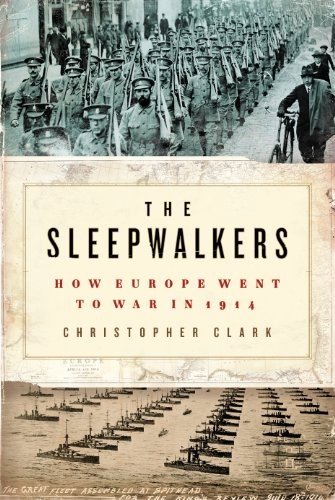
Clark explains how Europe stumbled into war in 1914 after the assassination of Archduke Franz Ferdinand. He argues that no single country was to blame; leaders on all sides walked into catastrophe. It’s detailed and fascinating.
4. A World Undone by G.J. Meyer
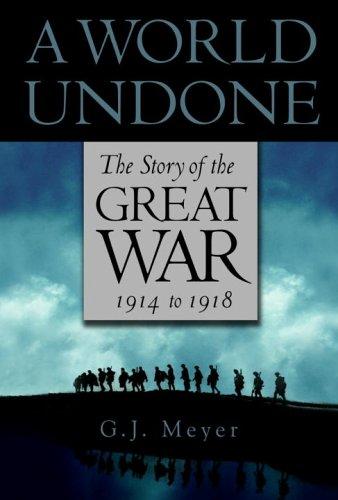
Meyer covers the entire war, from 1914 to 1918, with short background chapters on key people and ideas. It’s accessible and lively, perfect for readers who want the full story in one readable volume.
5. Dead Wake by Erik Larson
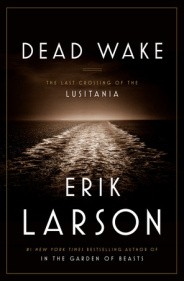
Larson tells the story of the Lusitania, the British liner sunk by a German U-boat in 1915, killing nearly 1,200 people. It moves between the ship, the submarine and Washington, and reads like a thriller.
6. The First World War by John Keegan
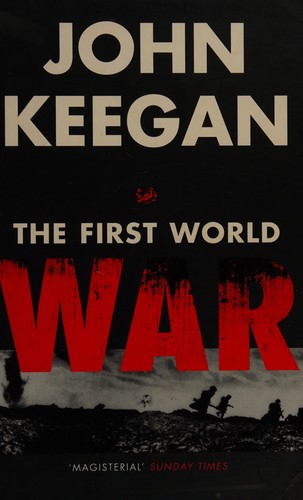
Keegan, one of Britain’s great military historians, covers the war’s battles and strategy across all fronts. It’s authoritative and clear, and his descriptions of the Somme and Verdun are especially powerful.
7. Testament of Youth by Vera Brittain
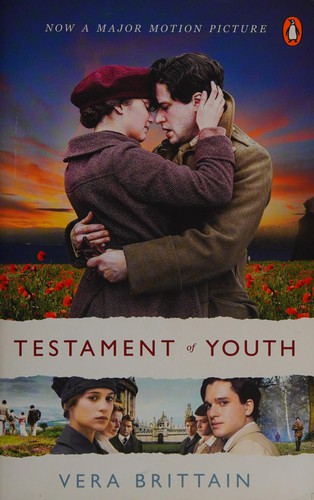
Brittain left Oxford to serve as a volunteer nurse and lost her fiancé, her brother and close friends in the war. Her 1933 memoir is heartbreaking and became a classic of anti-war writing. It was adapted into a 2014 film.
8. Storm of Steel by Ernst Jünger
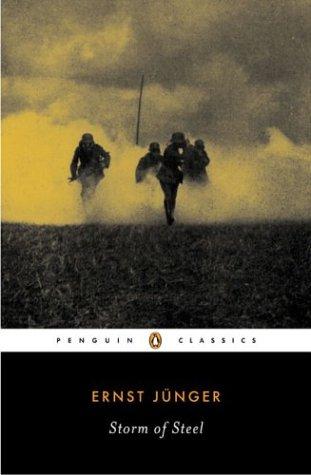
Jünger fought on the Western Front for nearly the whole war and was wounded many times. His memoir describes combat in vivid, unsentimental detail. Unlike most war books, it doesn’t reject the war, which makes it unsettling and important.
9. Goodbye to All That by Robert Graves
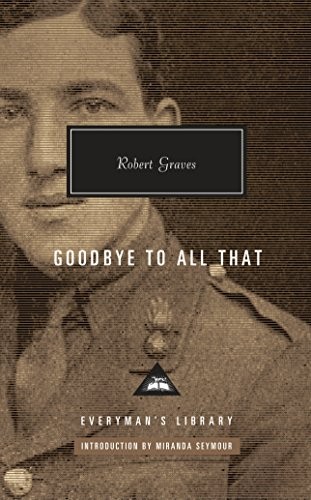
Graves, the poet and novelist, served as an officer in the trenches and was badly wounded at the Somme. His 1929 memoir is darkly funny, bitter and honest about the war and the society that sent young men to fight it.
10. Regeneration by Pat Barker
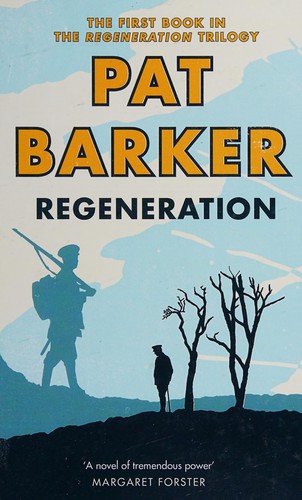
Barker’s novel is set at a Scottish hospital in 1917, where psychiatrist W.H.R. Rivers treats shell-shocked officers, including poet Siegfried Sassoon. It’s the first of a Booker Prize-winning trilogy and a moving look at trauma.
11. Birdsong by Sebastian Faulks
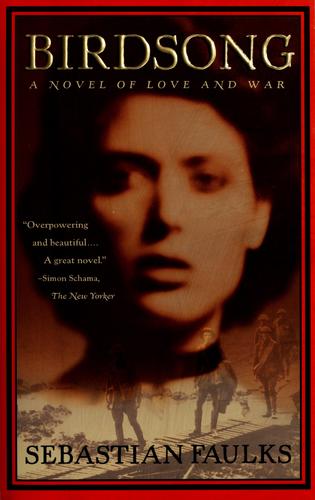
Faulks’s bestseller follows Stephen Wraysford from a love affair in prewar France to the tunnels beneath the trenches. Its scenes of the Battle of the Somme are unforgettable. Content note: graphic violence and sexual content.
12. The Great War and Modern Memory by Paul Fussell
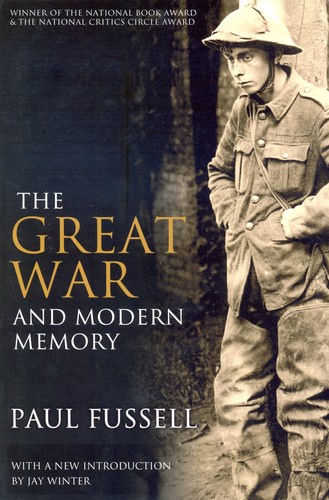
Fussell, a World War II veteran, shows how British soldiers’ writing about the war shaped modern irony and the way we remember wars. It won the National Book Award and remains a classic.
13. War Horse by Michael Morpurgo
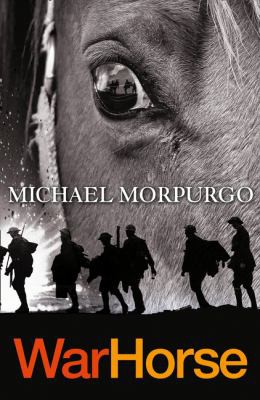
Joey, a farm horse from Devon, is sold to the army and taken to the front in France. Told from the horse’s point of view, Morpurgo’s novel is a moving introduction to the war for children. It inspired a hit stage play and a Steven Spielberg film.
14. A Farewell to Arms by Ernest Hemingway
Hemingway drew on his time as an ambulance driver in Italy for this 1929 novel about an American officer, Frederic Henry, and an English nurse, Catherine Barkley. It’s a spare, tragic love story set against the war’s chaos.
15. Paris 1919 by Margaret MacMillan
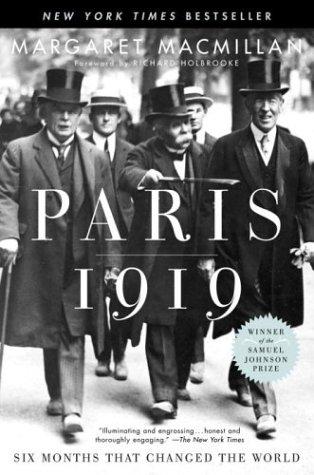
MacMillan tells the story of the six months in 1919 when world leaders met in Paris to redraw the map of the world. It’s a fascinating look at how the peace settlement shaped the century that followed, including the Middle East.
Tips for Reading About World War I
- Start with how it began. The Guns of August or The Sleepwalkers explains the summer of 1914.
- Read the soldiers. Remarque, Graves and Jünger show the trenches from different sides.
- Read the poets. Wilfred Owen’s and Siegfried Sassoon’s poems pair perfectly with Regeneration.
- Remember the home front. Testament of Youth shows what the war did to families.
- Use maps. The Western Front barely moved for years; maps make battles easier to follow.
- Read with kids. War Horse is an excellent first book about the war.
Related: the best books on the Cold War and the best historical fiction books for book clubs.
Frequently Asked Questions
What is the best book about World War I?
The Guns of August by Barbara W. Tuchman is the classic history of how the war began, and A World Undone by G.J. Meyer is a great one-volume history of the whole war.
What is the best World War I novel?
All Quiet on the Western Front by Erich Maria Remarque is the most famous. Regeneration by Pat Barker and Birdsong by Sebastian Faulks are acclaimed modern novels.
What is a good World War I book for kids?
War Horse by Michael Morpurgo is a moving, age-appropriate introduction for readers 9 and up.