
Disclosure: As an Amazon Associate, Bookish Wisdom earns from qualifying purchases. This doesn't change our picks or your price.
Quick answer: The best books to Read to Improve Vocabulary include Word Power Made Easy by Norman Lewis, 1100 Words You Need to Know by Murray Bromberg and Melvin Gordon and Merriam-Webster's Vocabulary Builder by Mary Wood Cornog, plus twelve more strong picks. Each one below has a short description and who it suits best, with a quick table to compare them.
A bigger vocabulary helps you read faster, write better and speak with confidence. These books include classic word-building guides, fun books about language and a few novels with especially rich prose. Use a notebook to collect new words as you go.
Each book below has a short description and a note on who it suits best. Use the quick table to compare the picks at a glance, then read the full entries for the titles that catch your eye.
Table of Contents
Quick Picks at a Glance
| Book | Author | Best for |
|---|---|---|
| Word Power Made Easy | Norman Lewis | structured learning |
| 1100 Words You Need to Know | Murray Bromberg and Melvin Gordon | daily practice |
| Merriam-Webster's Vocabulary Builder | Mary Wood Cornog | word roots |
| Verbal Advantage | Charles Harrington Elster | adult learners |
| The Elements of Style | William Strunk Jr. and E. B. White | clear writing |
| The Mother Tongue | Bill Bryson | fun language history |
| Eats, Shoots & Leaves | Lynne Truss | punctuation |
| Word by Word | Kory Stamper | dictionaries |
| The Etymologicon | Mark Forsyth | word origins |
| Because Internet | Gretchen McCulloch | modern language |
| Dreyer's English | Benjamin Dreyer | style and usage |
| The Meaning of Everything | Simon Winchester | dictionary history |
| The Superior Person's Book of Words | Peter Bowler | unusual words |
| The Phantom Tollbooth | Norton Juster | wordplay for all ages |
| Pride and Prejudice | Jane Austen | rich classic prose |
1. Word Power Made Easy by Norman Lewis
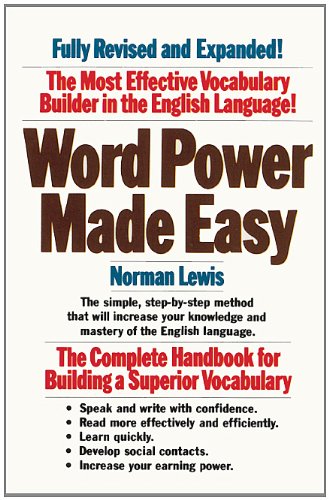
A classic course that builds vocabulary through word roots.
2. 1100 Words You Need to Know by Murray Bromberg and Melvin Gordon
Short daily lessons over 46 weeks.
3. Merriam-Webster's Vocabulary Builder by Mary Wood Cornog
Learn groups of words from Greek and Latin roots.
4. Verbal Advantage by Charles Harrington Elster
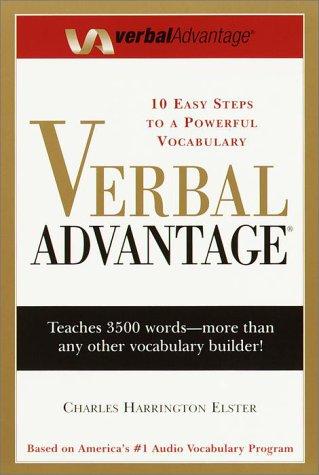
A ten-level program for advanced vocabulary.
5. The Elements of Style by William Strunk Jr. and E. B. White
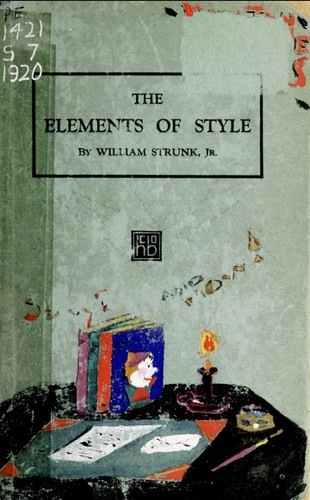
A short classic on writing well.
6. The Mother Tongue by Bill Bryson
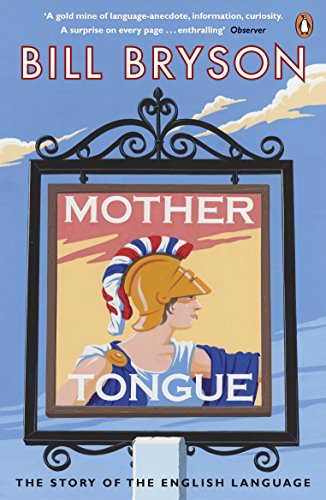
A funny history of the English language.
7. Eats, Shoots & Leaves by Lynne Truss
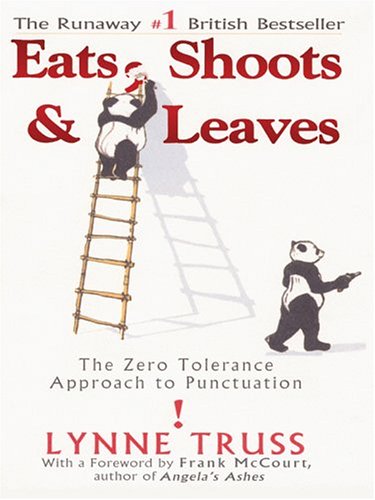
A witty guide to punctuation.
8. Word by Word by Kory Stamper
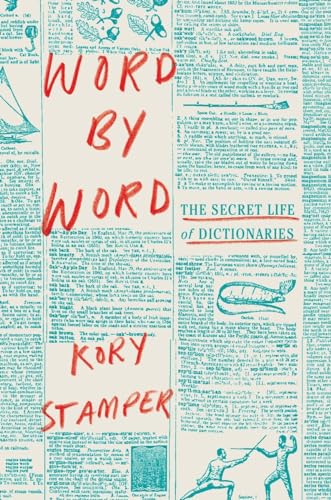
A lexicographer on how dictionaries are made.
9. The Etymologicon by Mark Forsyth
A playful tour of where words come from.
10. Because Internet by Gretchen McCulloch
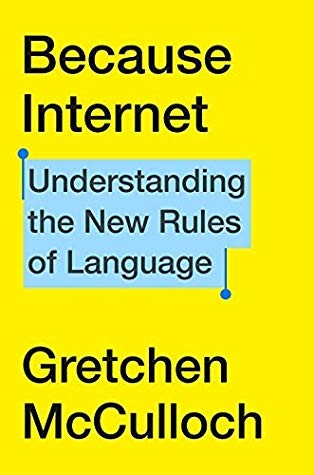
How the internet is changing English.
11. Dreyer's English by Benjamin Dreyer
A copy chief's advice on clear writing.
12. The Meaning of Everything by Simon Winchester
The story of the Oxford English Dictionary.
13. The Superior Person's Book of Words by Peter Bowler
A witty collection of rare words.
14. The Phantom Tollbooth by Norton Juster
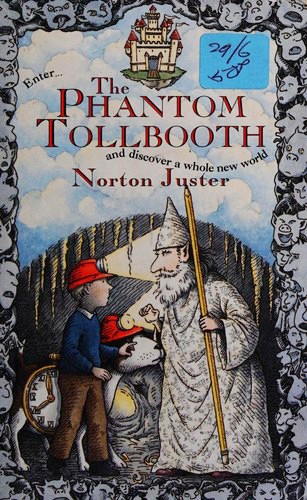
A boy's journey through a land of words and numbers.
15. Pride and Prejudice by Jane Austen
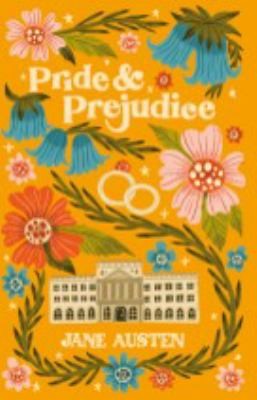
Austen's sharp, elegant language.
How to Choose
For a structured plan, start with Word Power Made Easy. For fun, read The Mother Tongue or The Etymologicon.
How We Chose These Books
Every pick is a real, widely available book with strong reviews from readers, teachers or librarians. We mixed well-known favourites with a few less obvious titles and noted who each one suits best. Check the description and the table before you buy, and borrow a copy from the library first if you are unsure.
Tips for Getting the Most From These Books
- Start with one. Pick the title that matches your goal today, not the longest one on the list.
- Sample first. Read the opening chapter in a library copy or ebook preview before you buy.
- Try audio. Many of these work well as audiobooks on a commute or walk.
- Mix formats. Try an audiobook or ebook version of one pick to see which format clicks.
- Keep a list. Jot down the titles you finish so you can look for more by the same authors.
Frequently Asked Questions
Which book should I start with?
Word Power Made Easy by Norman Lewis is a strong first pick, and every book on this list is worth a look.
Where can I find these books?
Most of these titles are easy to find at public libraries and bookshops, and many are also available as ebooks or audiobooks.
Related: The Mother Tongue by Bill Bryson: Summary and Key Takeaways · The Phantom Tollbooth by Norton Juster: Summary and Key Takeaways