
Disclosure: As an Amazon Associate, Bookish Wisdom earns from qualifying purchases. This doesn’t change our picks or your price.
Quick answer: The best children’s books about anger show kids that feeling mad is normal and teach them safe ways to cool down. Top picks include When Sophie Gets Angry—Really, Really Angry, The Color Monster, Grumpy Monkey, Ravi’s Roar, A Little SPOT of Anger and What to Do When Your Temper Flares.
Every child gets angry. A toy gets snatched, a tower falls, screen time ends, and suddenly there’s yelling, kicking or a slammed door. Anger itself isn’t the problem. It’s a normal feeling that tells us something feels unfair or out of control. What kids need is help noticing the feeling early and choosing what to do with it. Books are one of the easiest ways to start. When a child watches a character stomp, roar and then calm down, they can talk about it without feeling blamed. Here are 15 books we trust, from simple picture books for toddlers to practical workbooks for kids who have big tempers.
Table of Contents
Quick Picks at a Glance
| Book | Author | Ages | Best For |
|---|---|---|---|
| When Sophie Gets Angry—Really, Really Angry | Molly Bang | 3–7 | Calming down in nature |
| The Color Monster | Anna Llenas | 2–6 | Naming feelings |
| Grumpy Monkey | Suzanne Lang | 3–7 | Bad moods and humor |
| Llama Llama Mad at Mama | Anna Dewdney | 2–5 | Toddler tantrums |
| Mouse Was Mad | Linda Urban | 3–6 | Finding a calm strategy |
| Sometimes I’m Bombaloo | Rachel Vail | 3–7 | Feeling out of control |
| Ravi’s Roar | Tom Percival | 3–7 | Sibling frustration |
| When I Feel Angry | Cornelia Maude Spelman | 3–7 | Simple coping ideas |
| A Little SPOT of Anger | Diane Alber | 3–8 | Breathing tools |
| Angry Octopus | Lori Lite | 4–8 | Muscle relaxation |
| I Was So Mad | Mercer Mayer | 3–6 | Everyday frustrations |
| Cool Down and Work Through Anger | Cheri J. Meiners | 4–8 | Social skills |
| Train Your Angry Dragon | Steve Herman | 4–8 | Rhyming lessons |
| What to Do When Your Temper Flares | Dawn Huebner | 6–12 | CBT workbook |
| How to Take the Grrrr Out of Anger | Elizabeth Verdick | 8–13 | Tweens with big tempers |
1. When Sophie Gets Angry—Really, Really Angry by Molly Bang
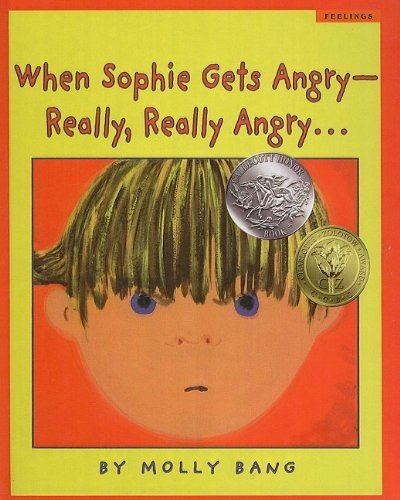
When her sister grabs her toy, Sophie explodes like a volcano. She runs, cries, climbs her favorite tree and lets the breeze calm her before going home. This Caldecott Honor book uses bold color to show anger rising and fading, and it models a healthy way to cool off.
2. The Color Monster by Anna Llenas
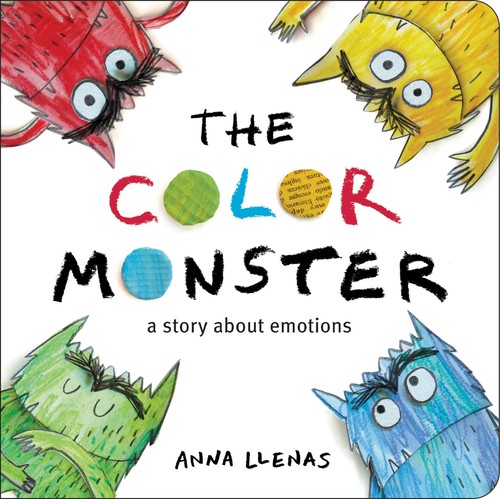
The Color Monster’s feelings are all mixed up, so a little girl helps him sort them into jars: yellow for happy, blue for sad, red for anger and more. It’s a gentle first book for toddlers and preschoolers who can’t yet tell one big feeling from another.
3. Grumpy Monkey by Suzanne Lang
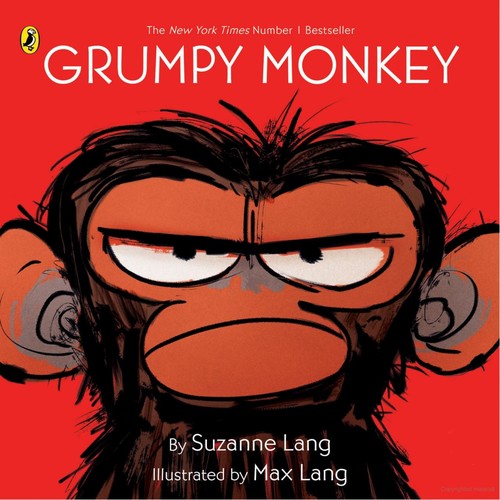
Jim Panzee wakes up grumpy for no reason, and his friends keep telling him to cheer up. The harder he pretends, the grumpier he gets. Kids laugh at Jim’s scowl, and parents appreciate the message that it’s okay to have a bad mood without being forced out of it.
4. Llama Llama Mad at Mama by Anna Dewdney
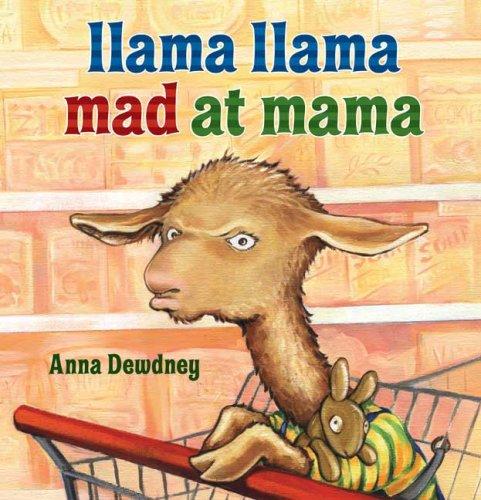
A boring shopping trip pushes Llama Llama over the edge, and he throws a full tantrum in the store. Mama stays calm, helps him clean up and turns the chore into teamwork. Toddlers recognize themselves instantly, and the rhyming text is fun to read aloud.
5. Mouse Was Mad by Linda Urban
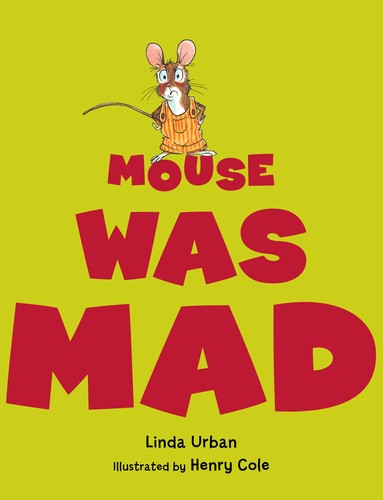
Mouse is hopping mad, but hopping, stomping and screaming don’t work the way they do for his friends. Then he discovers that standing very still and breathing helps him most. It’s a funny, simple story about finding the calm-down strategy that fits you.
6. Sometimes I’m Bombaloo by Rachel Vail
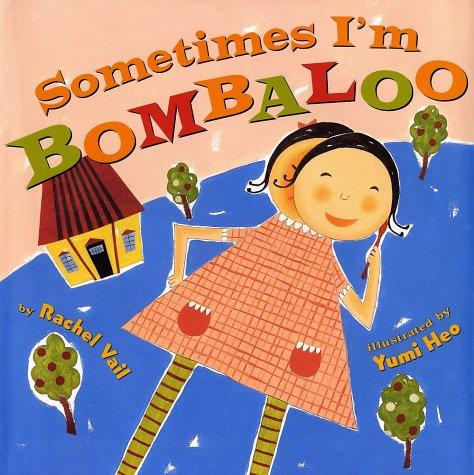
Katie is usually a good kid, but sometimes she gets so angry she turns into “Bombaloo” and uses her feet and fists instead of words. A little time-out and a laugh with her mom bring her back. It validates the scary feeling of losing control.
7. Ravi’s Roar by Tom Percival
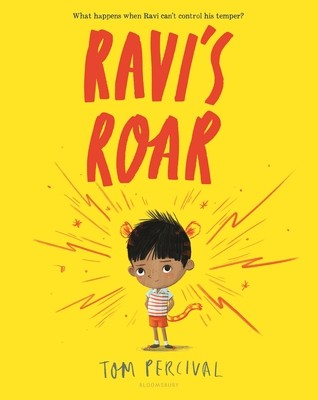
Ravi is the smallest in his family, and when things feel unfair, he turns into a roaring tiger. At first being a tiger feels great, but soon nobody wants to play with him. Part of the Big Bright Feelings series, it opens easy conversations about sibling anger.
8. When I Feel Angry by Cornelia Maude Spelman
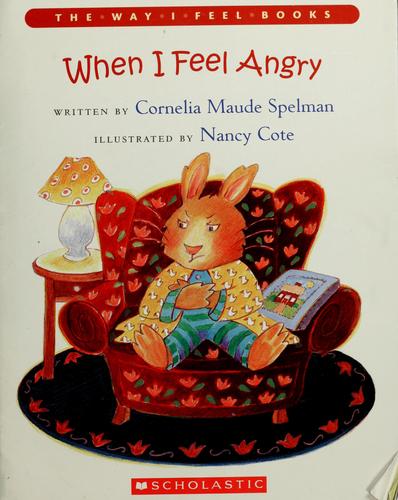
A little bunny describes what makes her angry and what anger feels like in her body. Then she lists things that help, like taking deep breaths, asking for help or going outside to run. It’s direct and reassuring, with a helpful note for parents.
9. A Little SPOT of Anger by Diane Alber
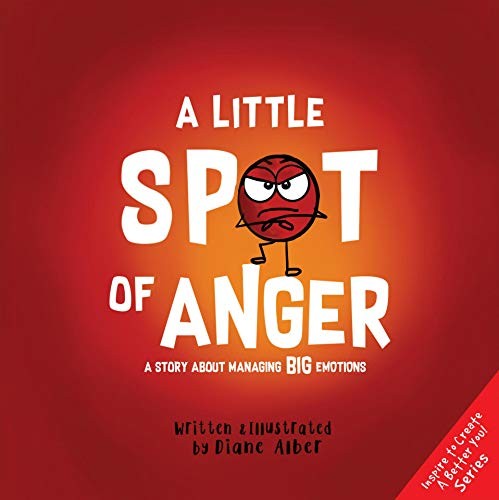
This book shows how a small Anger SPOT can grow into a big red one when it isn’t managed. Kids learn to notice the warning signs and use “Peaceful SPOT” breathing to shrink it. Bright pictures and repeatable steps make it a classroom favorite.
10. Angry Octopus by Lori Lite
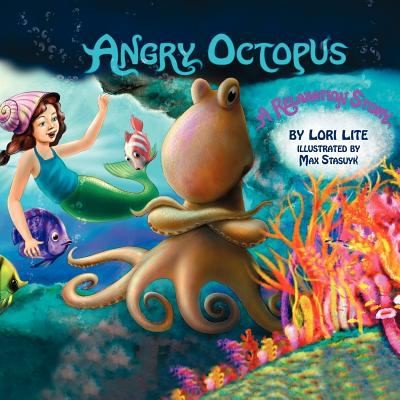
When an octopus is furious that his garden has been wrecked, a wise sea child guides him through squeezing and relaxing each of his eight arms. Children follow along, practicing progressive muscle relaxation. It works well as a bedtime story after a hard day.
11. I Was So Mad by Mercer Mayer
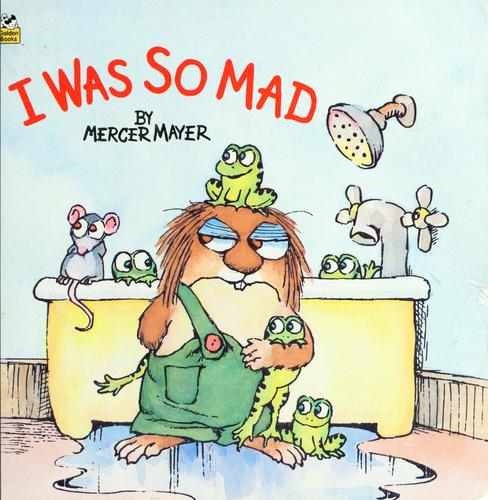
Little Critter is mad because grown-ups keep saying no, so he decides to run away. Along the way, his friends invite him to play, and his anger melts. This short classic is perfect for preschoolers frustrated by everyday rules.
12. Cool Down and Work Through Anger by Cheri J. Meiners
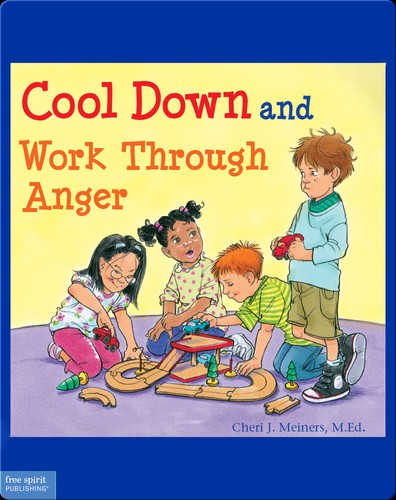
From the Learning to Get Along series, this book explains anger in plain language and teaches steps for calming down and solving the problem. Discussion questions and activities in the back make it great for teachers and counselors as well as parents.
13. Train Your Angry Dragon by Steve Herman
Diggory Doo’s pet dragon gets angry over small things, and his fiery outbursts cause trouble. In rhyming verse, kids learn tools like counting, deep breathing and talking it out. It’s one of the most popular books in the My Dragon Books series.
14. What to Do When Your Temper Flares by Dawn Huebner
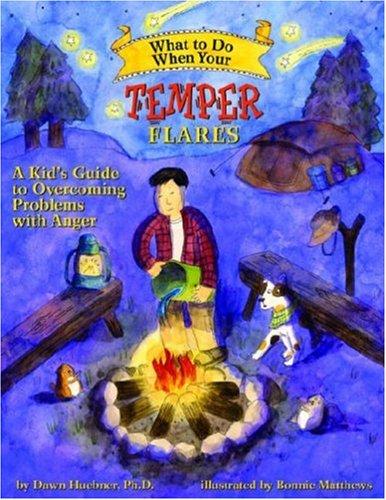
Written by a child psychologist, this interactive workbook uses cognitive behavioral techniques to help kids ages 6 to 12 understand their anger and cool it down. Drawing and writing activities let children practice skills with a parent, step by step.
15. How to Take the Grrrr Out of Anger by Elizabeth Verdick
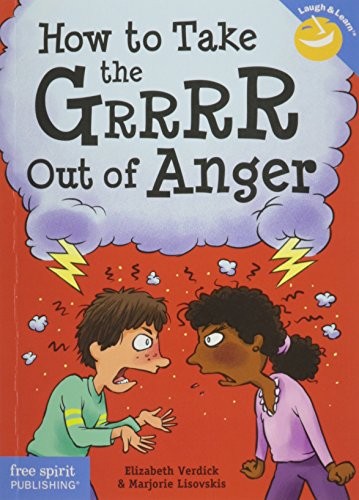
Co-written with Marjorie Lisovskis, this book speaks directly to tweens with humor, cartoons and real-life examples. It explains what anger is, why it happens and how to express it without hurting anyone. Older kids like that it doesn’t talk down to them.
Tips for Helping a Child with Anger
- Stay calm yourself. Your steady voice helps your child’s body settle faster than any lecture.
- Name the feeling. Say “You’re really mad because your tower fell” so they learn the words.
- Separate feelings from actions. Anger is always okay; hitting and breaking things are not.
- Practice tools when calm. Rehearse deep breaths, counting or a calm-down corner before the next meltdown.
- Talk after, not during. Kids can’t reason mid-tantrum. Revisit the moment once everyone is calm.
- Know when to get help. If outbursts are frequent, violent or affecting school, talk to your pediatrician or a child therapist.
Related: children’s books about anxiety and children’s books about bullying.
Frequently Asked Questions
What is the best children’s book about anger?
When Sophie Gets Angry—Really, Really Angry by Molly Bang is a classic for ages 3 to 7. For school-age kids who need real strategies, What to Do When Your Temper Flares by Dawn Huebner is the top pick.
How do I explain anger to a toddler?
Keep it simple: anger is a hot, big feeling we get when something seems unfair. Books like The Color Monster and Llama Llama Mad at Mama help toddlers put a name to it.
Can books really help kids control their temper?
Yes. Stories let kids practice calming tools like breathing and counting in a safe, low-pressure way, which makes those tools easier to use in a real meltdown.