
Disclosure: As an Amazon Associate, Bookish Wisdom earns from qualifying purchases. This doesn’t change our picks or your price.
Quick answer: The best classic books for book clubs are timeless stories that still feel relevant and spark debate today. Top picks include Pride and Prejudice, To Kill a Mockingbird, Jane Eyre, The Great Gatsby, Frankenstein and Rebecca.
Many people last read the classics in high school, when they had to, and missed half of what makes these books great. Reading them as adults, with a group, is a completely different experience. You notice the humor, the social commentary and the surprisingly modern problems. Classics are also easy to find at libraries and cheap secondhand, and most have adaptations to compare. This list includes short and long picks, romance, horror, satire and coming-of-age stories, so you can find a classic for any month of the year.
Table of Contents
Quick Picks at a Glance
| Book | Author | Published | Best For |
|---|---|---|---|
| Pride and Prejudice | Jane Austen | 1813 | First classic pick |
| To Kill a Mockingbird | Harper Lee | 1960 | Discussions about justice |
| Jane Eyre | Charlotte Brontë | 1847 | Gothic romance fans |
| The Great Gatsby | F. Scott Fitzgerald | 1925 | Short-read months |
| Frankenstein | Mary Shelley | 1818 | October meetings |
| Rebecca | Daphne du Maurier | 1938 | Readers who love suspense |
| 1984 | George Orwell | 1949 | Political discussions |
| Of Mice and Men | John Steinbeck | 1937 | Quick but powerful reads |
| Little Women | Louisa May Alcott | 1868 | Mother-daughter groups |
| Their Eyes Were Watching God | Zora Neale Hurston | 1937 | Readers who love rich voices |
| Beloved | Toni Morrison | 1987 | Ambitious, serious groups |
| The Picture of Dorian Gray | Oscar Wilde | 1890 | Readers who love wit |
| Fahrenheit 451 | Ray Bradbury | 1953 | Book lovers |
| Crime and Punishment | Fyodor Dostoevsky | 1866 | Groups that want a challenge |
| Wuthering Heights | Emily Brontë | 1847 | Readers who love dark romance |
1. Pride and Prejudice by Jane Austen
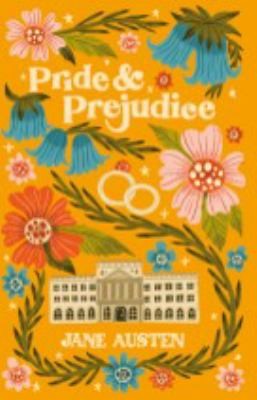
Elizabeth Bennet and the proud Mr. Darcy misjudge each other spectacularly in this witty novel about love, class and family. It’s funnier than people expect and very readable.
Talk about: Who changes more over the course of the novel: Elizabeth or Darcy?
2. To Kill a Mockingbird by Harper Lee
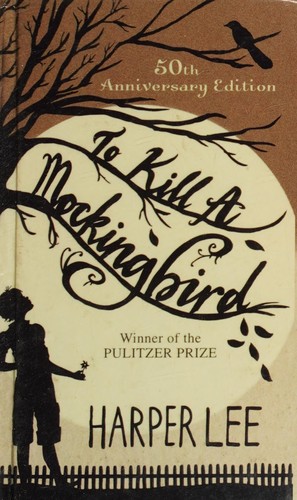
In 1930s Alabama, young Scout Finch watches her father, lawyer Atticus Finch, defend a Black man falsely accused of assault. It’s a coming-of-age story and a powerful look at racism.
Talk about: How does reading this as an adult feel different from reading it in school?
3. Jane Eyre by Charlotte Brontë
An orphaned governess with a fierce sense of self falls for her brooding employer, Mr. Rochester, but his house holds a dark secret. Passionate, gothic and surprisingly modern.
Talk about: Is Jane’s ending a reward or a compromise?
4. The Great Gatsby by F. Scott Fitzgerald
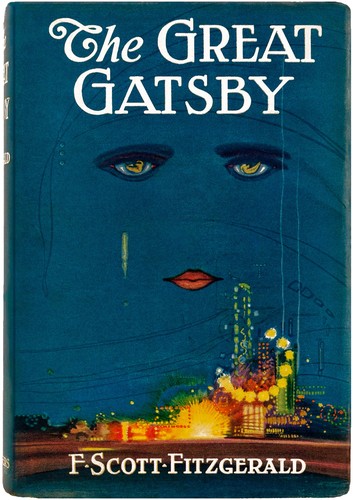
Mysterious millionaire Jay Gatsby throws lavish parties on Long Island in hopes of winning back Daisy Buchanan. At under 200 pages, it’s a sharp look at wealth and the American Dream.
Talk about: Is Gatsby a romantic hero or a fraud?
5. Frankenstein by Mary Shelley
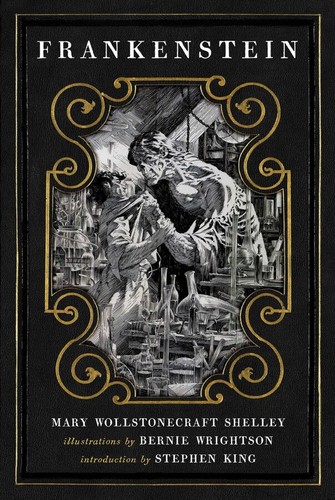
Victor Frankenstein creates life, then abandons his creation, with tragic results. Written by a teenage Mary Shelley, it’s more philosophical than the movies suggest.
Talk about: Who is the real monster?
6. Rebecca by Daphne du Maurier
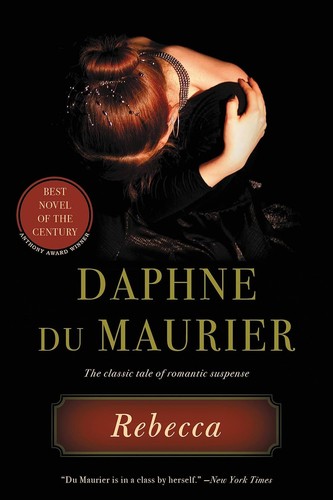
A shy young bride arrives at Manderley, her new husband’s estate, and finds herself haunted by the memory of his glamorous first wife. Atmospheric and gripping.
Talk about: Why do you think the narrator is never named?
7. 1984 by George Orwell
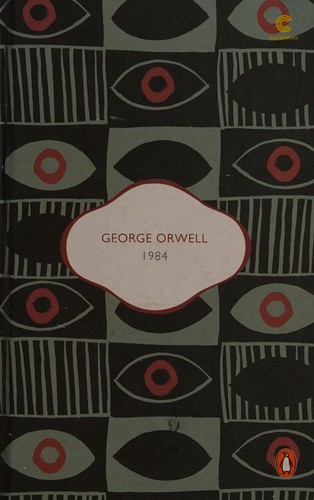
Winston Smith works for the Party, rewriting history, in a world of constant surveillance ruled by Big Brother. It’s bleak, gripping and alarmingly relevant.
Talk about: Which parts of Orwell’s world feel most familiar today?
8. Of Mice and Men by John Steinbeck
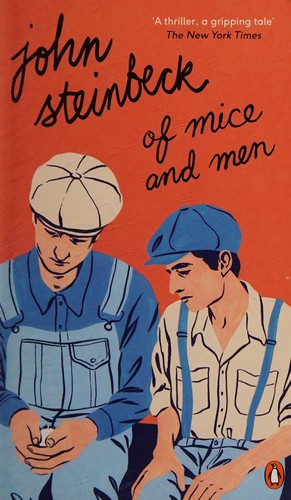
Two migrant workers, George and the gentle, strong Lennie, dream of owning a farm during the Great Depression. It’s barely 100 pages, and it hits hard.
Talk about: Was George’s final choice an act of love?
9. Little Women by Louisa May Alcott
The four March sisters grow up during the Civil War, each with very different dreams. Warm, funny and sometimes heartbreaking, it’s still beloved more than 150 years later.
Talk about: Which March sister are you most like?
10. Their Eyes Were Watching God by Zora Neale Hurston
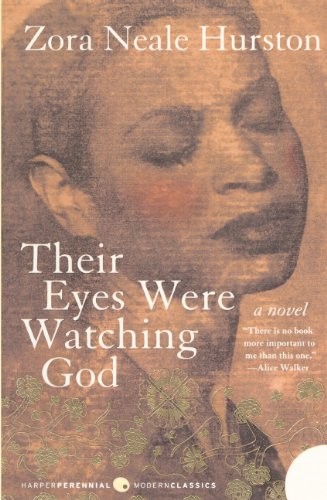
Janie Crawford tells the story of her three marriages and her search for love and independence in early 20th-century Florida. Hurston’s language is gorgeous.
Talk about: How does Janie find her own voice?
11. Beloved by Toni Morrison
Sethe, formerly enslaved, lives in Ohio with her daughter, haunted by the ghost of the baby she lost. This Pulitzer winner is challenging and unforgettable. Content note: violence and trauma.
Talk about: What does Beloved represent?
12. The Picture of Dorian Gray by Oscar Wilde
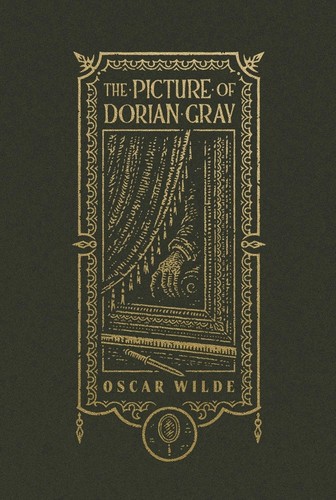
A handsome young man stays youthful while his portrait ages and reflects his sins. Wilde’s only novel is full of dazzling one-liners and questions about beauty and morality.
Talk about: Which of Lord Henry’s ideas did you find most dangerous?
13. Fahrenheit 451 by Ray Bradbury
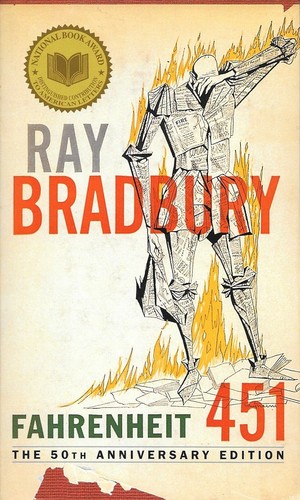
In a future where books are banned, fireman Guy Montag’s job is to burn them, until he starts reading one. It’s short, urgent and perfect for a group of readers.
Talk about: What would you memorize if books were banned?
14. Crime and Punishment by Fyodor Dostoevsky
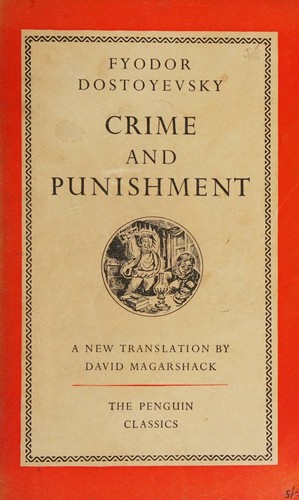
A poor former student in St. Petersburg commits a murder to prove a theory, then is consumed by guilt. It’s long, but it reads like a psychological thriller.
Talk about: Did Raskolnikov’s punishment fit his crime?
15. Wuthering Heights by Emily Brontë
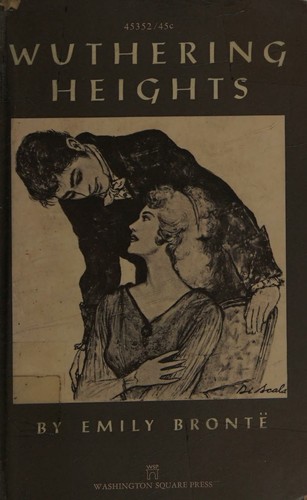
The passionate, destructive bond between Catherine Earnshaw and the brooding orphan Heathcliff ruins two families on the Yorkshire moors. It’s wild, stormy and divisive.
Talk about: Is this a love story or a revenge story?
Tips for a Classic Book Club
- Choose a readable edition with helpful notes, or try the audiobook for older language.
- Share historical context with a short background talk or article at the start.
- Compare with adaptations. Many classics have several film versions.
- Ask what still feels relevant today and what has aged badly.
- Pair a classic with a modern retelling, like Demon Copperhead and David Copperfield.
- Split long classics over two or three meetings.
Related: 15 Best Feel-Good Books for Book Clubs to Warm Your Heart · 10 Reasons Classic Books Are Still Relevant Today
Frequently Asked Questions
What is a good classic book for a book club?
Pride and Prejudice, To Kill a Mockingbird, The Great Gatsby and Frankenstein are easy-to-find classics that still lead to lively discussion.
What is a short classic for a book club?
The Great Gatsby, Of Mice and Men and Fahrenheit 451 are all under 200 pages and perfect for busy months.
Why should book clubs read classics?
Classics have shaped modern storytelling, are widely available and often feel surprisingly relevant, which makes them great for discussion.