
Disclosure: As an Amazon Associate, Bookish Wisdom earns from qualifying purchases. This doesn’t change our picks or your price.
Quick answer: These 15 detective books suit middle schoolers (ages 10–13). Start with Encyclopedia Brown, Boy Detective, Sammy Keyes and the Hotel Thief, The Name of This Book Is Secret, Cam Jansen and the Mystery of the Stolen Diamonds, The Boxcar Children or Spy School. Each pick below has a short blurb, an age range and a content note where it matters.
Detective stories turn readers into sleuths. Middle schoolers love hunting for clues, spotting red herrings and guessing the culprit before the final reveal, and they sharpen logic and attention to detail without noticing. This list collects fifteen detective and spy-style books for ages 8 to 13, from short puzzle collections to long-running series and clever modern capers. Most are mild and school-friendly, and a few have suspense or danger, which we flag. Pick up a notebook and a magnifying glass, and let the cases begin.
Table of Contents
Quick Picks at a Glance
| Book | Author | Ages | Best For |
|---|---|---|---|
| Encyclopedia Brown, Boy Detective | Donald J. Sobol | 7–11 | puzzle fans |
| Sammy Keyes and the Hotel Thief | Wendelin Van Draanen | 9–13 | spunky-sleuth fans |
| The Name of This Book Is Secret | Pseudonymous Bosch | 9–13 | quirky-mystery fans |
| Cam Jansen and the Mystery of the Stolen Diamonds | David A. Adler | 6–10 | younger readers |
| The Boxcar Children | Gertrude Chandler Warner | 6–10 | classic mystery fans |
| Spy School | Stuart Gibbs | 9–13 | action-comedy fans |
| The Case of the Case of Mistaken Identity | Mac Barnett | 8–12 | funny detective-novel fans |
| The Detective’s Assistant | Kate Hannigan | 9–13 | historical-mystery fans |
| Charlie Thorne and the Last Equation | Stuart Gibbs | 9–13 | genius-spy fans |
| Fenway Foul-Up (Ballpark Mysteries) | David A. Kelly | 6–10 | baseball and mystery fans |
| The Adventures of Sherlock Holmes | Arthur Conan Doyle | 11–14 | classic fans |
| The Sweetness at the Bottom of the Pie | Alan Bradley | 11–14 | sharp-wit fans |
| The Great Greene Heist | Varian Johnson | 9–13 | caper fans |
| Ruby Redfort: Look into My Eyes | Lauren Child | 9–13 | spy-and-code fans |
| The Mysteries of Harris Burdick | Chris Van Allsburg | 8–13 | imaginative readers |
1. Encyclopedia Brown, Boy Detective by Donald J. Sobol
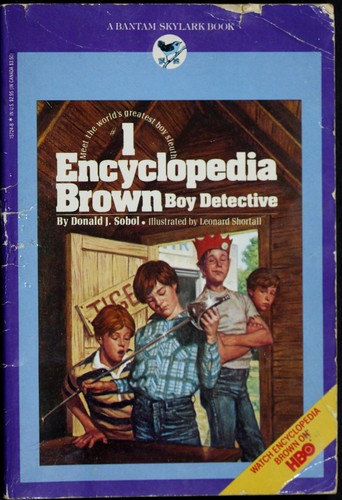
Ten-year-old Leroy Brown solves local mysteries, and readers can try to crack each case before reading the solution at the back. Short and interactive. A gateway to mysteries.
Best for: puzzle fans. Ages: 7–11.
2. Sammy Keyes and the Hotel Thief by Wendelin Van Draanen
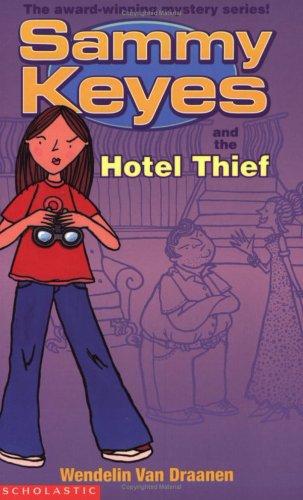
Thirteen-year-old Sammy spies on neighbors with binoculars and stumbles onto a theft. Funny, fast and warm. The first of a long series.
Best for: spunky-sleuth fans. Ages: 9–13.
3. The Name of This Book Is Secret by Pseudonymous Bosch
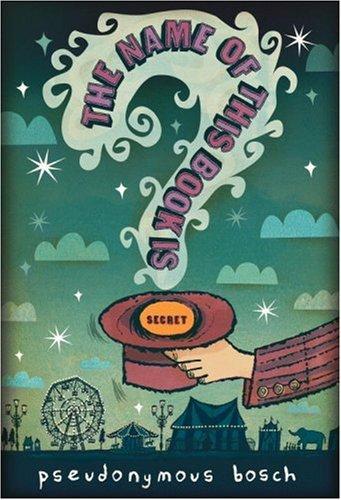
Cass and Max-Ernest investigate a mysterious death and the Secret Series. The narrator keeps warning you not to read. Playful and clever.
Best for: quirky-mystery fans. Ages: 9–13.
4. Cam Jansen and the Mystery of the Stolen Diamonds by David A. Adler
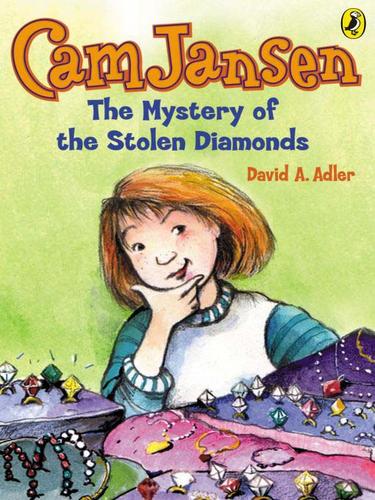
Cam has a photographic memory and says ‘click’ to remember details. Short chapters and clear clues. Ideal for transitioning readers.
Best for: younger readers. Ages: 6–10.
5. The Boxcar Children by Gertrude Chandler Warner
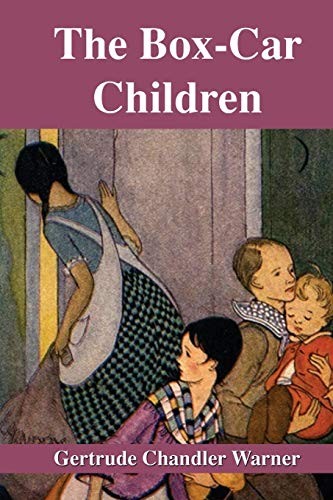
Four orphaned siblings live in an abandoned boxcar and later solve mysteries. Gentle and old-fashioned. The long series has dozens of books.
Best for: classic mystery fans. Ages: 6–10.
6. Spy School by Stuart Gibbs
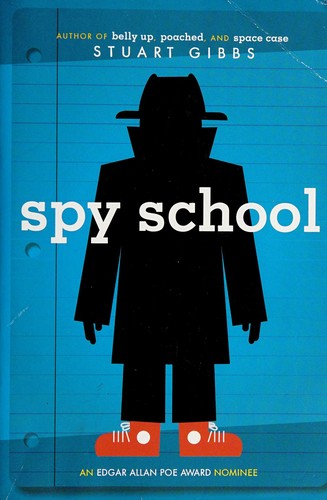
Ben Ravenwood is recruited to a secret spy academy and pulled into a real mission. Humor, gadgets and chases. The first of a hit series. Content note: cartoon-style peril.
Best for: action-comedy fans. Ages: 9–13.
7. The Case of the Case of Mistaken Identity by Mac Barnett
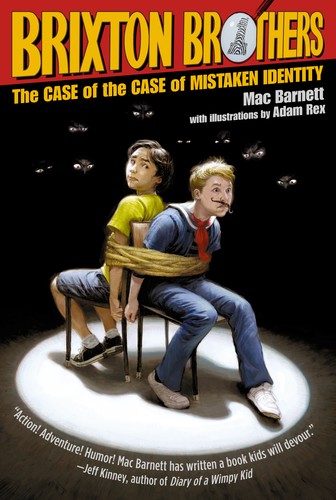
Steve Brixton, who loves detective books, is dragged into a real case. A wonderful parody of old-school mysteries. Witty and fast.
Best for: funny detective-novel fans. Ages: 8–12.
8. The Detective’s Assistant by Kate Hannigan
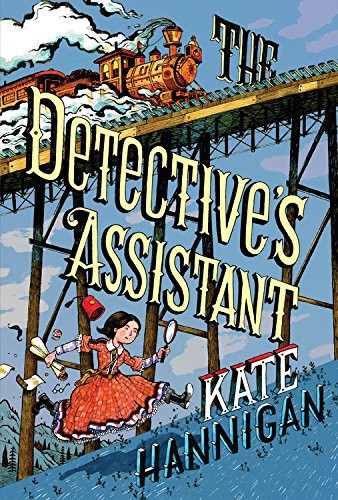
Nell Warne helps her aunt Kate, America’s first female detective, in the 1800s. Based on a real person. A good mix of history and mystery.
Best for: historical-mystery fans. Ages: 9–13.
9. Charlie Thorne and the Last Equation by Stuart Gibbs
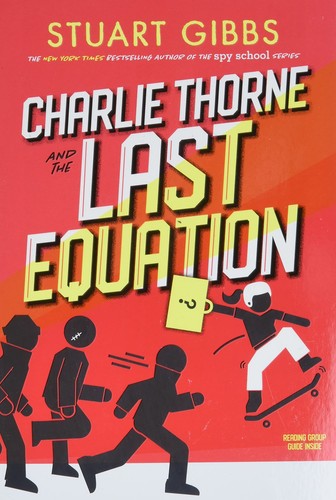
Twelve-year-old genius Charlie is recruited to find Einstein’s last equation. Quick chases and puzzles. A thrill ride for fans of Alex Rider. Content note: action peril.
Best for: genius-spy fans. Ages: 9–13.
10. Fenway Foul-Up (Ballpark Mysteries) by David A. Kelly
Mike and Kate solve a case at Fenway Park. Short, easy to read and full of baseball facts. A fun series for new chapter readers.
Best for: baseball and mystery fans. Ages: 6–10.
11. The Adventures of Sherlock Holmes by Arthur Conan Doyle
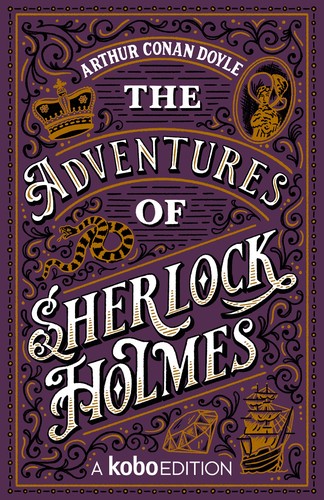
Holmes and Watson solve twelve cases in Victorian London. Elegant, clever and the root of modern detective fiction. An edition with notes can help.
Best for: classic fans. Ages: 11–14.
12. The Sweetness at the Bottom of the Pie by Alan Bradley

Eleven-year-old Flavia de Luce investigates a death in 1950s England, with chemistry as her tool. Witty and a bit dark. The first in a series. Content note: a murder.
Best for: sharp-wit fans. Ages: 11–14.
13. The Great Greene Heist by Varian Johnson
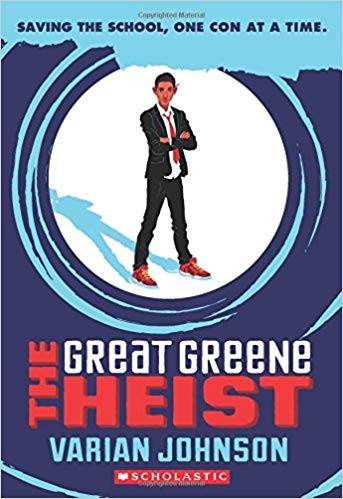
Jackson Greene, a retired con artist, assembles a team to rig a student election. Smart and funny. A fresh take on a heist story.
Best for: caper fans. Ages: 9–13.
14. Ruby Redfort: Look into My Eyes by Lauren Child
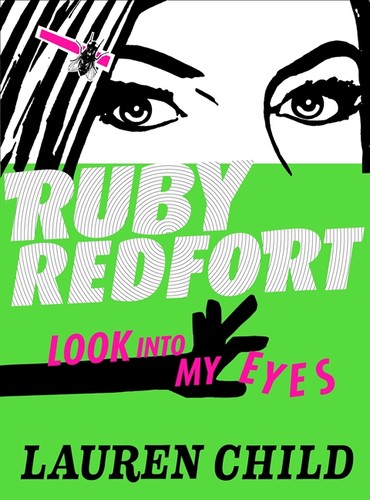
Thirteen-year-old Ruby cracks codes and becomes an agent. Stylish and smart. From the creator of Charlie and Lola.
Best for: spy-and-code fans. Ages: 9–13.
15. The Mysteries of Harris Burdick by Chris Van Allsburg
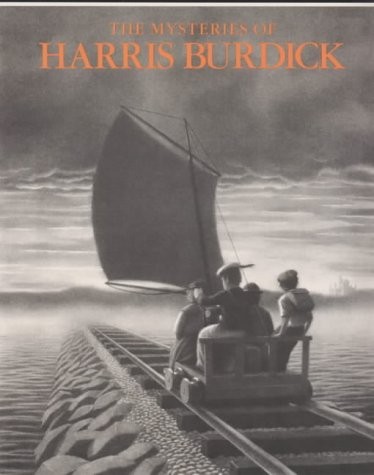
Fourteen haunting illustrations, each with a title and caption, suggest stories that were never told. Kids invent their own mysteries to explain each picture. A great spark for writing and discussion.
Best for: imaginative readers. Ages: 8–13.
How to Match a Detective Book to Your Middle School
Middle school readers range widely. One eleven-year-old may still love illustrated chapter books, while another is ready for novels with darker themes. Start with the reader’s current favorites, then pick a detective title with a similar length and pace. Look at the first page together: if your middle school can read it smoothly and wants to continue, it is a good fit. Short chapters and strong openings help hesitant readers, while avid readers can handle longer books and series. Pay attention to content notes in this list, and preview a book if your child is sensitive to a particular topic. When in doubt, offer two or three choices and let your child decide, because a book they choose is a book they are more likely to finish.
A Simple Reading Plan for Detective Books
Choose one book from the list to start this week and set a modest goal, such as twenty minutes a day. Keep a library card in use, since borrowing lets your child try several detective books without cost. Read the same book yourself, or listen to it as an audiobook in the car, so you can chat about it at dinner. When your middle school finishes, ask which part they liked best and whether they want to try the next book in a series or a similar title from this list. A simple chart on the fridge can track finished books. Celebrate progress with a trip to the library or bookstore rather than with screen time or a prize.
Why Detective Books Matter for Middle Schoolers
Reading detective books during the middle school years does more than fill free time. Children this age are building stamina for longer texts, growing their vocabulary and learning to follow complex plots, and they do those things best when they enjoy what they read. A book that fits their interests teaches them that reading is a source of pleasure, not only an assignment. It also gives you a way to talk about hard subjects, friendships and choices through characters, which can be easier than talking about their own lives. Research on reading habits repeatedly finds that children who read for fun do better in school, so a good detective book is worth far more than its price.
Where to Find and How to Read These Books
Buying every book on this list is not necessary. Start at your public library, where you can borrow print copies, e-books and audiobooks with a free card, and use the holds feature for popular titles. Paperbacks are usually the best value for books your child will reread, and hardcovers hold up better for favorites that will be passed down. Used copies are often cheap, and a classroom or neighborhood swap can add variety. Large-print or dyslexia-friendly editions help some readers, and audiobooks are a good support for children who are building stamina. Whatever format you choose, keep a few detective books visible on a shelf or by the bed so reading is the easy choice.
After the Last Page: What to Read Next
The last page of a book is a good moment to keep the momentum going. Ask your child what they liked, then look for the sequel, another book by the same author or a similar title from this list. Many children enjoy a small ritual, such as choosing the next detective book at the library every week. If a book did not work, treat that as information, not failure; it simply tells you what to try next. Notice patterns, such as whether your child prefers short chapters, humor or fast plots, and use them to guide future picks. Over a few months, those small choices add up to a real reading habit.
A Quick Checklist Before You Pick a Detective Book
Ask these questions before you borrow or buy:
- Is the length right? A 150-page book is a confident win, while a 400-page book is a project.
- Does the first chapter hook your child within a few pages?
- Is the content right for their age and sensitivity?
- Is there a sequel or companion book waiting if they love it?
- Can you find it at your library so there is no risk?
Questions to Talk About After Reading
These work for almost any book on this list:
- What was your favorite part, and why?
- Which character would you want as a friend?
- What would you have done differently in the main character’s place?
- Did the ending surprise you?
- Which book from this list do you want to read next?
Tips for Choosing Detective Books for Middle Schoolers
- Keep a case notebook. Writing clues down trains attention.
- Try short puzzles first. Encyclopedia Brown is perfect for quick cases.
- Choose a series. Detective stories are often long series.
- Play along. Pause before the reveal and guess.
- Read classics too. Sherlock Holmes shows where modern mysteries began.
Related: 15 best book club books for middle schoolers and 15 best books for reluctant readers in middle school.
Frequently Asked Questions
What detective books are good for 10-year-olds?
Sammy Keyes, Spy School, The Name of This Book Is Secret and Encyclopedia Brown are popular.
What is the best first mystery series for kids?
The Boxcar Children and Encyclopedia Brown are traditional starters.
Are detective books good for reluctant readers?
Yes. Short chapters and puzzles keep kids turning pages.