
Disclosure: As an Amazon Associate, Bookish Wisdom earns from qualifying purchases. This doesn’t change our picks or your price.
Quick answer: These 15 fantasy books suit middle schoolers (ages 10–13). Start with The Hobbit, The Dragonet Prophecy, The Girl Who Drank the Moon, Where the Mountain Meets the Moon, Nevermoor: The Trials of Morrigan Crow or Eragon. Each pick below has a short blurb, an age range and a content note where it matters.
Fantasy is where many middle schoolers fall in love with reading for good. Maps, magic, quests and invented worlds give readers room to imagine, and long series offer a satisfying reason to keep reading. This list mixes timeless classics with newer favorites, from epic dragon wars and magical schools to gentle fairy-tale worlds. Most books suit ages 10 to 13, and a few are more suitable for confident readers because of length or language. If your child has finished Harry Potter and asks what is next, or has never tried fantasy at all, these fifteen books are a strong place to start.
Table of Contents
Quick Picks at a Glance
| Book | Author | Ages | Best For |
|---|---|---|---|
| The Hobbit | J.R.R. Tolkien | 10–13 | classic quest fans |
| The Dragonet Prophecy | Tui T. Sutherland | 8–12 | dragon fans |
| The Girl Who Drank the Moon | Kelly Barnhill | 10–13 | lyrical story lovers |
| Where the Mountain Meets the Moon | Grace Lin | 8–12 | folklore fans |
| Nevermoor: The Trials of Morrigan Crow | Jessica Townsend | 9–13 | magical-school fans |
| Eragon | Christopher Paolini | 11–14 | epic dragon readers |
| Amari and the Night Brothers | B.B. Alston | 9–13 | superhero-and-fantasy fans |
| Howl’s Moving Castle | Diana Wynne Jones | 11–14 | witty fantasy readers |
| Fablehaven | Brandon Mull | 9–13 | creature fans |
| The Land of Stories: The Wishing Spell | Chris Colfer | 8–12 | fairy-tale mashup fans |
| The Tale of Despereaux | Kate DiCamillo | 8–12 | gentle-fantasy readers |
| Redwall | Brian Jacques | 9–13 | animal-epic fans |
| Keeper of the Lost Cities | Shannon Messenger | 9–13 | long-series readers |
| Tuesdays at the Castle | Jessica Day George | 8–12 | castle-lovers |
| The Phantom Tollbooth | Norton Juster | 8–12 | wordplay fans |
1. The Hobbit by J.R.R. Tolkien
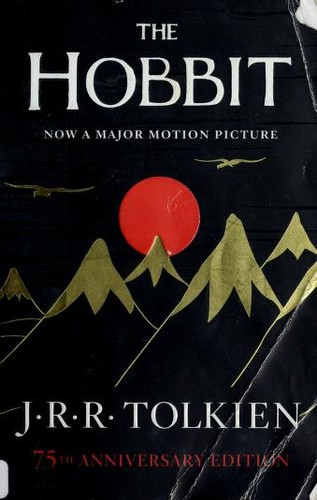
Bilbo Baggins, a comfortable hobbit, is swept off on an adventure with dwarves and a wizard to reclaim treasure guarded by a dragon. It is funny, exciting and easier to read than The Lord of the Rings. It makes a perfect first classic fantasy novel.
Best for: classic quest fans. Ages: 10–13.
2. The Dragonet Prophecy by Tui T. Sutherland
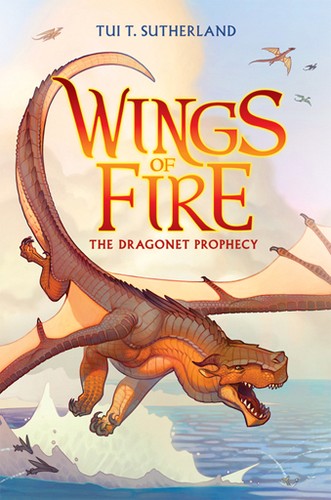
The first Wings of Fire book follows five young dragons raised in a cave to end a war. Each tribe has its own culture and powers, and the pace is quick. The series is long and popular with reluctant readers, and there are graphic novel versions too.
Best for: dragon fans. Ages: 8–12.
3. The Girl Who Drank the Moon by Kelly Barnhill
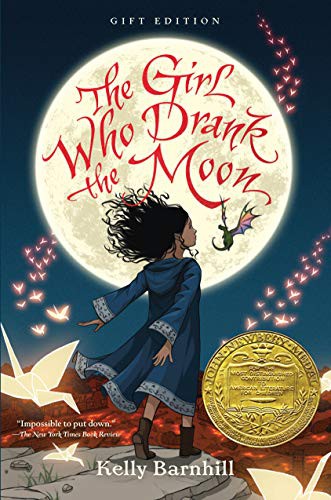
A kind witch accidentally feeds a baby moonlight and raises her as her own, while a village lives in fear of the forest. Beautiful language and gentle surprises earned this book the Newbery Medal. It suits thoughtful readers.
Best for: lyrical story lovers. Ages: 10–13.
4. Where the Mountain Meets the Moon by Grace Lin
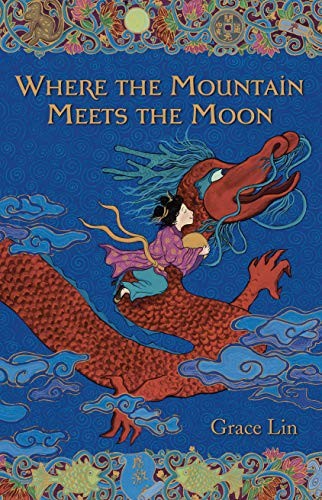
Minli sets out to find the Old Man of the Moon to change her family’s fortune. Chinese folktales are woven into her journey, and full-color illustrations add charm. It reads like a modern fairy tale and is lovely read aloud.
Best for: folklore fans. Ages: 8–12.
5. Nevermoor: The Trials of Morrigan Crow by Jessica Townsend
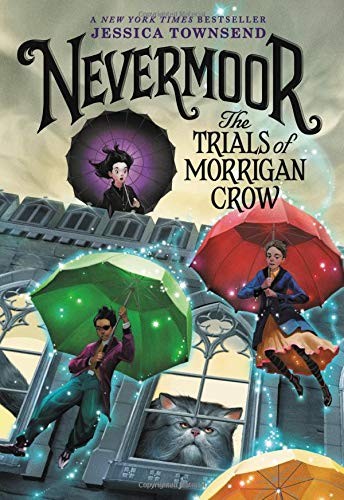
Morrigan, cursed to die on her eleventh birthday, is whisked to the magical city of Nevermoor and must compete to join a secret society. The world is full of whimsy and wonder, with a warm heart under the adventure.
Best for: magical-school fans. Ages: 9–13.
6. Eragon by Christopher Paolini
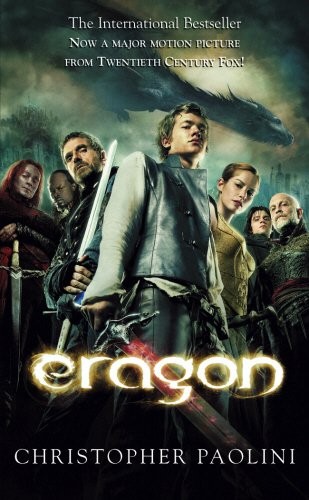
Farm boy Eragon finds a dragon egg and is drawn into a war against a cruel king. It is a long, classic hero’s journey with swordfights and magic. Best for confident readers who enjoy big worlds and multi-book sagas. Content note: battle violence.
Best for: epic dragon readers. Ages: 11–14.
7. Amari and the Night Brothers by B.B. Alston
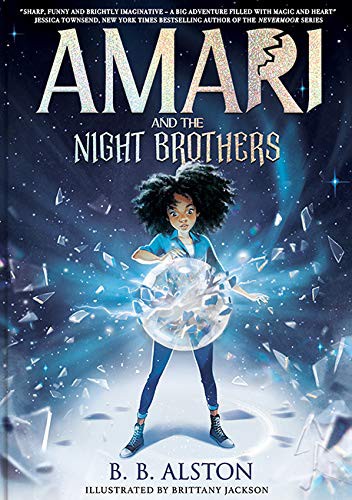
Amari Peters discovers a secret Bureau of Supernatural Affairs and tries to find her missing brother. The story mixes magic, friendship and a strong theme of belonging. It is fast, inclusive and fun.
Best for: superhero-and-fantasy fans. Ages: 9–13.
8. Howl’s Moving Castle by Diana Wynne Jones
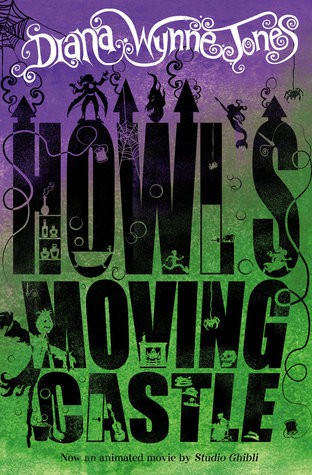
Sophie is cursed with old age by a witch and takes refuge in the wizard Howl’s walking castle. The humor is quick, and the plot twists in clever ways. Fans of the film will enjoy the very different book.
Best for: witty fantasy readers. Ages: 11–14.
9. Fablehaven by Brandon Mull

Siblings Kendra and Seth discover their grandfather’s estate is a hidden sanctuary for magical creatures. Rules are broken, and trouble follows. Imaginative creatures, humor and a good dose of danger make this series popular.
Best for: creature fans. Ages: 9–13.
10. The Land of Stories: The Wishing Spell by Chris Colfer
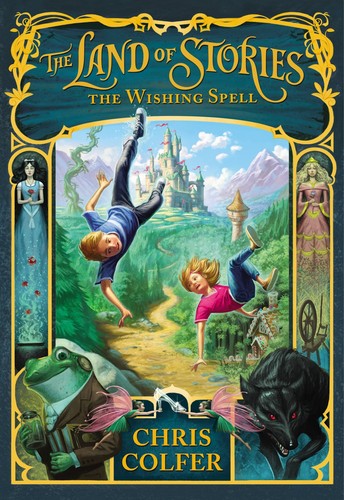
Twins Alex and Conner fall into a book of fairy tales and meet Cinderella, Red Riding Hood and others. Humor and nods to classic tales keep the story light. The first of a six-book series.
Best for: fairy-tale mashup fans. Ages: 8–12.
11. The Tale of Despereaux by Kate DiCamillo
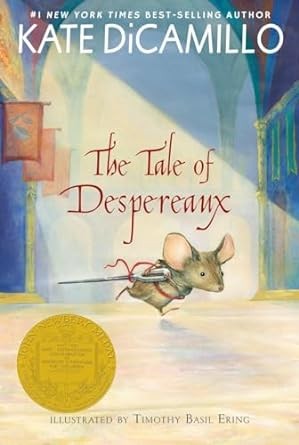
A tiny mouse who loves music and reading falls in love with a human princess and sets out to save her. Told with a storyteller’s voice, it is tender, sad and hopeful. It is a Newbery winner and works well as a read-aloud.
Best for: gentle-fantasy readers. Ages: 8–12.
12. Redwall by Brian Jacques
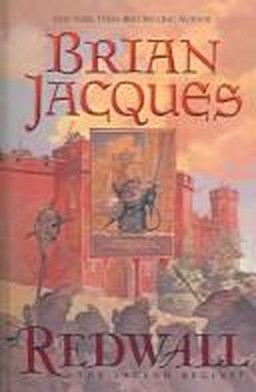
Mice, badgers and other woodland creatures defend Redwall Abbey from a rat warlord. Rich feasts, songs and sword fights fill the pages, and there are many sequels. It is longer than average and offers a classic good-versus-evil tale. Content note: some battle violence.
Best for: animal-epic fans. Ages: 9–13.
13. Keeper of the Lost Cities by Shannon Messenger
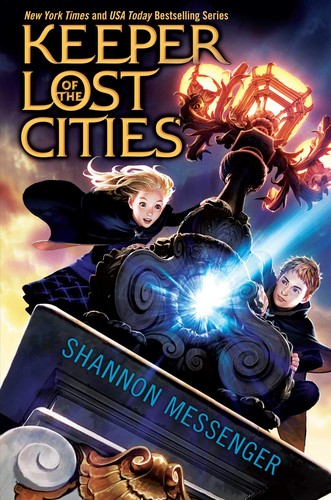
Sophie Foster discovers she is an elf with telepathic powers and must learn about a hidden world. It is the first of a very long series with a devoted fan base. Friendship, mystery and secrets keep readers going.
Best for: long-series readers. Ages: 9–13.
14. Tuesdays at the Castle by Jessica Day George
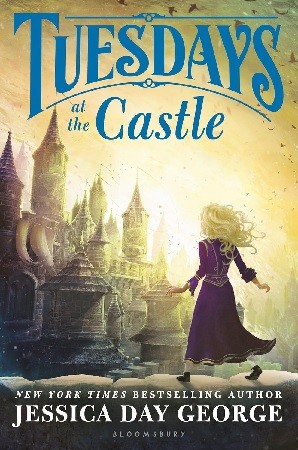
In Castle Glower, rooms and hallways change every Tuesday. Princess Celie explores the shifting castle and helps protect her family when danger comes. The idea is original and the pace brisk, a good pick for younger middle graders.
Best for: castle-lovers. Ages: 8–12.
15. The Phantom Tollbooth by Norton Juster
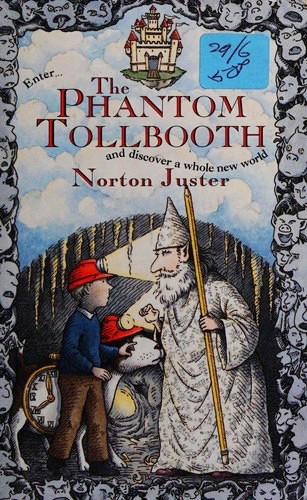
Milo, bored and listless, drives a toy car through a magic tollbooth into a land of puns and riddles. This classic celebrates learning and curiosity. Its wordplay rewards readers who enjoy language.
Best for: wordplay fans. Ages: 8–12.
How to Match a Fantasy Book to Your Middle School
Middle school readers range widely. One eleven-year-old may still love illustrated chapter books, while another is ready for novels with darker themes. Start with the reader’s current favorites, then pick a fantasy title with a similar length and pace. Look at the first page together: if your middle school can read it smoothly and wants to continue, it is a good fit. Short chapters and strong openings help hesitant readers, while avid readers can handle longer books and series. Pay attention to content notes in this list, and preview a book if your child is sensitive to a particular topic. When in doubt, offer two or three choices and let your child decide, because a book they choose is a book they are more likely to finish.
A Simple Reading Plan for Fantasy Books
Choose one book from the list to start this week and set a modest goal, such as twenty minutes a day. Keep a library card in use, since borrowing lets your child try several fantasy books without cost. Read the same book yourself, or listen to it as an audiobook in the car, so you can chat about it at dinner. When your middle school finishes, ask which part they liked best and whether they want to try the next book in a series or a similar title from this list. A simple chart on the fridge can track finished books. Celebrate progress with a trip to the library or bookstore rather than with screen time or a prize.
Why Fantasy Books Matter for Middle Schoolers
Reading fantasy books during the middle school years does more than fill free time. Children this age are building stamina for longer texts, growing their vocabulary and learning to follow complex plots, and they do those things best when they enjoy what they read. A book that fits their interests teaches them that reading is a source of pleasure, not only an assignment. It also gives you a way to talk about hard subjects, friendships and choices through characters, which can be easier than talking about their own lives. Research on reading habits repeatedly finds that children who read for fun do better in school, so a good fantasy book is worth far more than its price.
Where to Find and How to Read These Books
Buying every book on this list is not necessary. Start at your public library, where you can borrow print copies, e-books and audiobooks with a free card, and use the holds feature for popular titles. Paperbacks are usually the best value for books your child will reread, and hardcovers hold up better for favorites that will be passed down. Used copies are often cheap, and a classroom or neighborhood swap can add variety. Large-print or dyslexia-friendly editions help some readers, and audiobooks are a good support for children who are building stamina. Whatever format you choose, keep a few fantasy books visible on a shelf or by the bed so reading is the easy choice.
After the Last Page: What to Read Next
The last page of a book is a good moment to keep the momentum going. Ask your child what they liked, then look for the sequel, another book by the same author or a similar title from this list. Many children enjoy a small ritual, such as choosing the next fantasy book at the library every week. If a book did not work, treat that as information, not failure; it simply tells you what to try next. Notice patterns, such as whether your child prefers short chapters, humor or fast plots, and use them to guide future picks. Over a few months, those small choices add up to a real reading habit.
A Quick Checklist Before You Pick a Fantasy Book
Ask these questions before you borrow or buy:
- Is the length right? A 150-page book is a confident win, while a 400-page book is a project.
- Does the first chapter hook your child within a few pages?
- Is the content right for their age and sensitivity?
- Is there a sequel or companion book waiting if they love it?
- Can you find it at your library so there is no risk?
Questions to Talk About After Reading
These work for almost any book on this list:
- What was your favorite part, and why?
- Which character would you want as a friend?
- What would you have done differently in the main character’s place?
- Did the ending surprise you?
- Which book from this list do you want to read next?
Tips for Choosing Fantasy Books for Middle Schoolers
- Start with the reader’s pace. Short chapters like The Phantom Tollbooth suit reluctant readers, while epics suit avid ones.
- Try a series. Wings of Fire, Fablehaven and Keeper of the Lost Cities offer many books once your child is hooked.
- Use a map. Many fantasy books include maps. Let your child trace the journey as they read.
- Pair with audio. Audiobooks make long fantasy epics easier to enjoy and help with names and unusual words.
- Check for scary scenes. A few books have battles and danger, so preview if your child is sensitive.
Related: 15 best book club books for middle schoolers and 15 best books for reluctant readers in middle school.
Frequently Asked Questions
What fantasy books are good for 11-year-olds?
The Hobbit, Nevermoor, Amari and the Night Brothers and Fablehaven are good choices. They have strong plots without being too intense.
What should my child read after Harry Potter?
Try Nevermoor, Percy Jackson, Keeper of the Lost Cities or Fablehaven. They offer similar magic, friendship and adventure.
Is fantasy a good genre for reluctant readers?
Yes. Fast-moving series such as Wings of Fire and graphic-novel editions draw many reluctant readers, because the worlds feel exciting.