
Disclosure: As an Amazon Associate, Bookish Wisdom earns from qualifying purchases. This doesn’t change our picks or your price.
Quick answer: These 15 Halloween books suit middle schoolers (ages 10–13). Start with Coraline, The Graveyard Book, Scary Stories to Tell in the Dark, Small Spaces, The Witches or Doll Bones. Each pick below has a short blurb, an age range and a content note where it matters.
Middle schoolers love a good scare, and October is the perfect time to give them one. The best Halloween books for ages 9 to 13 balance spooky atmosphere with humor and heart, with ghosts who need help, houses with secrets and monsters with surprising feelings. This list brings together fifteen spooky and fun reads, from classics like Scary Stories to Tell in the Dark and Bunnicula to modern favorites like Small Spaces and Nightbooks. Some are mild and silly, others are truly creepy, so check the notes before handing a book to a sensitive reader. All are great for a flashlight under the covers.
Table of Contents
Quick Picks at a Glance
| Book | Author | Ages | Best For |
|---|---|---|---|
| Coraline | Neil Gaiman | 9–13 | brave readers |
| The Graveyard Book | Neil Gaiman | 10–14 | gothic fans |
| Scary Stories to Tell in the Dark | Alvin Schwartz | 8–13 | campfire storytellers |
| Small Spaces | Katherine Arden | 9–13 | mystery fans |
| The Witches | Roald Dahl | 8–12 | dark-humor readers |
| Doll Bones | Holly Black | 9–13 | friendship story fans |
| The Night Gardener | Jonathan Auxier | 9–13 | Gothic readers |
| Wait Till Helen Comes | Mary Downing Hahn | 9–12 | ghost-story fans |
| Bunnicula | James Howe | 7–11 | funny-spooky fans |
| Nightbooks | J.A. White | 9–13 | bookworms |
| Ghosts | Raina Telgemeier | 8–12 | graphic-novel fans |
| City of Ghosts | Victoria Schwab | 9–13 | paranormal fans |
| The Spiderwick Chronicles: The Field Guide | Tony DiTerlizzi and Holly Black | 8–12 | fantasy fans |
| Goosebumps: Welcome to Dead House | R.L. Stine | 8–12 | reluctant readers |
| The House with a Clock in Its Walls | John Bellairs | 9–13 | classic fans |
1. Coraline by Neil Gaiman
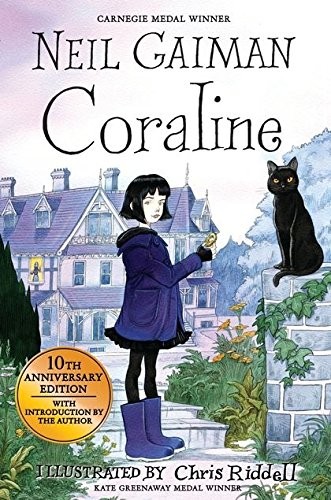
Coraline finds a door to a world that looks like hers but has an Other Mother who wants to keep her forever. Eerie, imaginative and clever, with button eyes that haunt readers. Content note: creepy imagery and peril.
Best for: brave readers. Ages: 9–13.
2. The Graveyard Book by Neil Gaiman
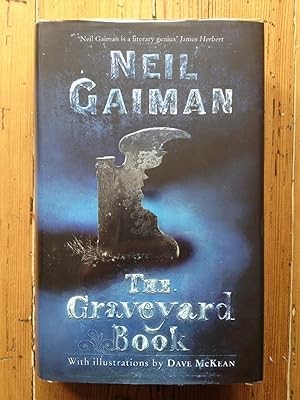
Nobody Owens is raised by ghosts in a graveyard after his family is murdered. Part adventure, part coming-of-age story, and a Newbery Medal winner. Content note: opens with a murder.
Best for: gothic fans. Ages: 10–14.
3. Scary Stories to Tell in the Dark by Alvin Schwartz
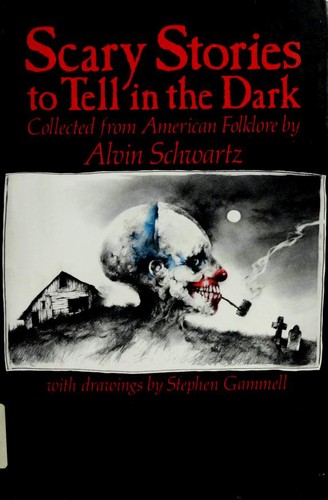
Short folk tales and urban legends accompanied by Stephen Gammell’s famously unsettling illustrations. Perfect for reading aloud in the dark. Content note: very scary art.
Best for: campfire storytellers. Ages: 8–13.
4. Small Spaces by Katherine Arden
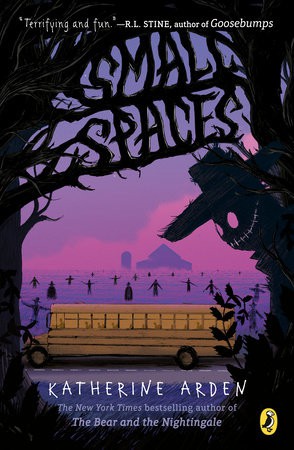
Ollie takes a school trip to a farm and discovers a spooky warning from a stranger. A fast, atmospheric mystery with a strong friendship at its heart.
Best for: mystery fans. Ages: 9–13.
5. The Witches by Roald Dahl
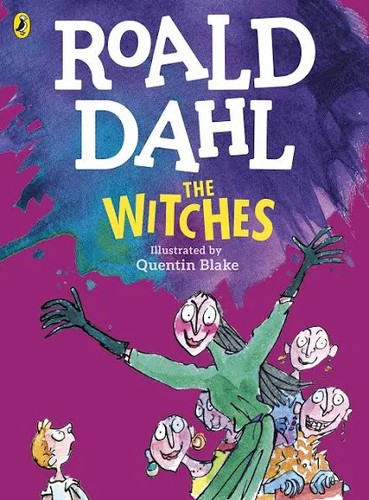
Witches who hate children are plotting to turn them into mice, and a boy and his grandmother try to stop them. Dahl’s dark humor makes it frightening and funny at once. Content note: scary scenes.
Best for: dark-humor readers. Ages: 8–12.
6. Doll Bones by Holly Black
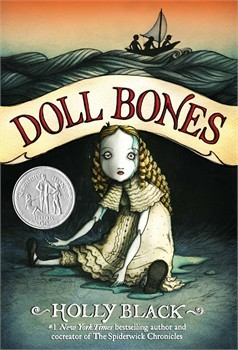
Three friends set out to bury a doll that may be haunted. Creepy and tender, it is about growing up as much as ghosts.
Best for: friendship story fans. Ages: 9–13.
7. The Night Gardener by Jonathan Auxier
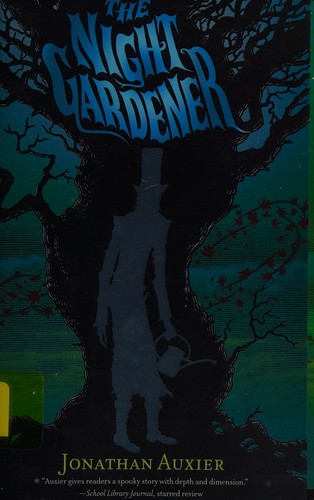
Two Irish siblings take work at a mysterious house with a sinister tree growing inside. Atmospheric and moving, with a haunting ending. Content note: some frightening moments.
Best for: Gothic readers. Ages: 9–13.
8. Wait Till Helen Comes by Mary Downing Hahn
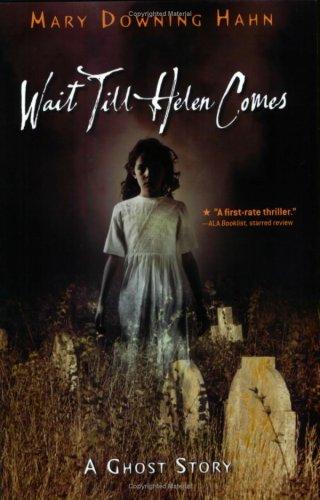
Molly and her stepbrother discover a ghost girl who lures children into danger. A classic haunting that still gives chills. Content note: scary scenes.
Best for: ghost-story fans. Ages: 9–12.
9. Bunnicula by James Howe
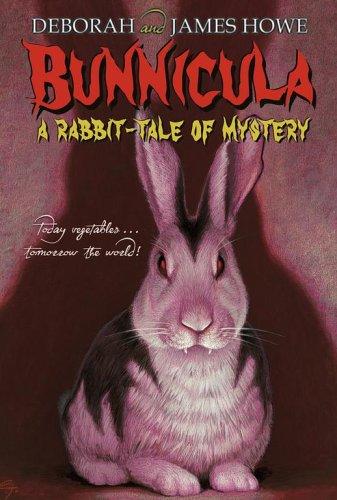
The Monroe family’s pet rabbit may be a vampire, and the dog and cat investigate. A gentle comic mystery, perfect for newer chapter-book readers.
Best for: funny-spooky fans. Ages: 7–11.
10. Nightbooks by J.A. White
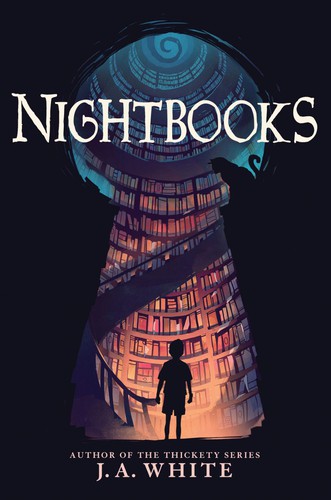
Alex is trapped in a witch’s apartment and must tell her scary stories every night to survive. A creepy, imaginative story about the power of storytelling.
Best for: bookworms. Ages: 9–13.
11. Ghosts by Raina Telgemeier
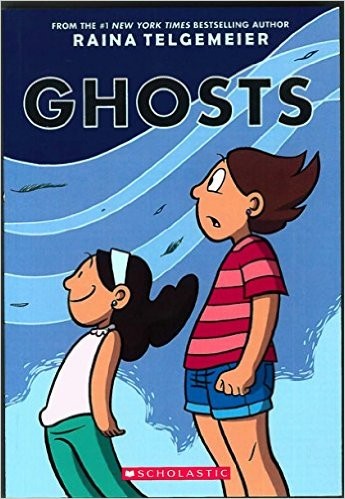
Cat moves to a coastal town and meets ghosts as her sister’s illness worsens. Warm, spooky and moving, with themes about death and Day of the Dead.
Best for: graphic-novel fans. Ages: 8–12.
12. City of Ghosts by Victoria Schwab
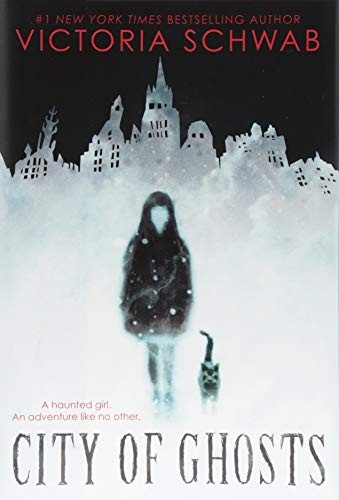
Cassidy Blake can step into the world of the dead and meets a ghost in Scotland. Atmospheric, with a strong sense of place.
Best for: paranormal fans. Ages: 9–13.
13. The Spiderwick Chronicles: The Field Guide by Tony DiTerlizzi and Holly Black
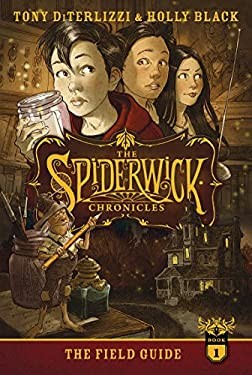
Three siblings find an old field guide to faeries and are drawn into a world of creatures that do not want to be found. Quick, richly illustrated.
Best for: fantasy fans. Ages: 8–12.
14. Goosebumps: Welcome to Dead House by R.L. Stine
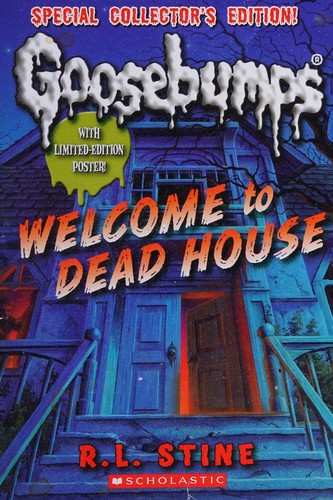
The Benson family moves into a creepy old house in a town with a secret. Fast-paced and easy to read, with cliffhangers that make readers want more. Content note: scary scenes.
Best for: reluctant readers. Ages: 8–12.
15. The House with a Clock in Its Walls by John Bellairs
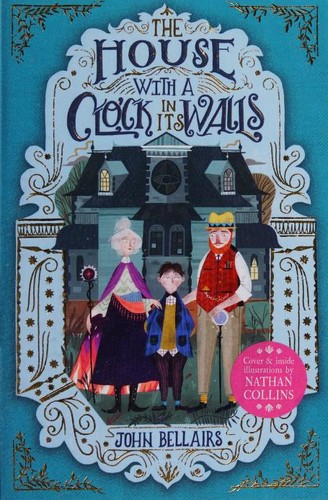
Lewis lives with his warlock uncle in a house where a ticking clock hides a threat. A well-loved gothic fantasy with a cozy feel. Content note: spooky scenes.
Best for: classic fans. Ages: 9–13.
Why Kids Love Being Scared by Stories
Many middle schoolers enjoy being scared as long as they know they are safe. Spooky books let readers practice feeling fear and relief in a controlled setting, and they offer a thrill without real danger. Stories like Coraline and Small Spaces also show young characters facing something frightening and using courage and cleverness to win. That is a powerful message at an age when kids are learning to handle worries of their own. If your child is not into scary books, that is fine; funny spooky stories and mystery stories offer a gentler path into the season.
Planning a Halloween Reading Night
Make a cozy reading fort with blankets and a flashlight, and let everyone choose a short story or a chapter to read aloud. Scary Stories to Tell in the Dark works well because each tale takes only a few minutes. Serve apple cider and popcorn, dim the lights and take turns doing creepy voices. End with a funny story like Bunnicula to lighten the mood before bed. A reading night gives children the thrill of a haunted house without the nightmares, and it is a family tradition they will remember.
How to Match a Halloween Book to Your Middle School
Middle school readers range widely. One eleven-year-old may still love illustrated chapter books, while another is ready for novels with darker themes. Start with the reader’s current favorites, then pick a Halloween title with a similar length and pace. Look at the first page together: if your middle school can read it smoothly and wants to continue, it is a good fit. Short chapters and strong openings help hesitant readers, while avid readers can handle longer books and series. Pay attention to content notes in this list, and preview a book if your child is sensitive to a particular topic. When in doubt, offer two or three choices and let your child decide, because a book they choose is a book they are more likely to finish.
A Simple Reading Plan for Halloween Books
Choose one book from the list to start this week and set a modest goal, such as twenty minutes a day. Keep a library card in use, since borrowing lets your child try several Halloween books without cost. Read the same book yourself, or listen to it as an audiobook in the car, so you can chat about it at dinner. When your middle school finishes, ask which part they liked best and whether they want to try the next book in a series or a similar title from this list. A simple chart on the fridge can track finished books. Celebrate progress with a trip to the library or bookstore rather than with screen time or a prize.
Why Halloween Books Matter for Middle Schoolers
Reading Halloween books during the middle school years does more than fill free time. Children this age are building stamina for longer texts, growing their vocabulary and learning to follow complex plots, and they do those things best when they enjoy what they read. A book that fits their interests teaches them that reading is a source of pleasure, not only an assignment. It also gives you a way to talk about hard subjects, friendships and choices through characters, which can be easier than talking about their own lives. Research on reading habits repeatedly finds that children who read for fun do better in school, so a good Halloween book is worth far more than its price.
Where to Find and How to Read These Books
Buying every book on this list is not necessary. Start at your public library, where you can borrow print copies, e-books and audiobooks with a free card, and use the holds feature for popular titles. Paperbacks are usually the best value for books your child will reread, and hardcovers hold up better for favorites that will be passed down. Used copies are often cheap, and a classroom or neighborhood swap can add variety. Large-print or dyslexia-friendly editions help some readers, and audiobooks are a good support for children who are building stamina. Whatever format you choose, keep a few Halloween books visible on a shelf or by the bed so reading is the easy choice.
Building a Daily Routine Around Halloween Books
Middle schoolers have busy schedules full of homework, activities and friends, so reading needs a protected spot. Aim for fifteen to twenty minutes after dinner or before bed, with the phone out of reach. Let your child choose the book, since choice is the strongest motivator at this age. Keep Halloween books in the car, in the backpack and on the nightstand so a few minutes of waiting turns into reading. Audiobooks count too, and they make chores and car rides pleasant. Check in with a casual question about what they are reading, but avoid quizzing, which can make a pleasure feel like homework.
Sharing Halloween Books With Family and Friends
Even middle schoolers who shrug at ‘reading time’ love talking about stories with the right audience. Let your child recommend a Halloween book to a friend, or start a mini book club with two or three classmates who agree to read the same title. Ask what they are reading at dinner, and share what you are reading, too. Libraries and schools often host clubs, author visits and reading challenges that give kids a social reason to read. Swapping books with friends keeps the supply fresh and free. When kids feel that reading is something their peers do, too, the habit becomes part of their identity.
After the Last Page: What to Read Next
The last page of a book is a good moment to keep the momentum going. Ask your child what they liked, then look for the sequel, another book by the same author or a similar title from this list. Many children enjoy a small ritual, such as choosing the next Halloween book at the library every week. If a book did not work, treat that as information, not failure; it simply tells you what to try next. Notice patterns, such as whether your child prefers short chapters, humor or fast plots, and use them to guide future picks. Over a few months, those small choices add up to a real reading habit.
A Quick Checklist Before You Pick a Halloween Book
Ask these questions before you borrow or buy:
- Is the length right? A 150-page book is a confident win, while a 400-page book is a project.
- Does the first chapter hook your child within a few pages?
- Is the content right for their age and sensitivity?
- Is there a sequel or companion book waiting if they love it?
- Can you find it at your library so there is no risk?
Questions to Talk About After Reading
These work for almost any book on this list:
- What was your favorite part, and why?
- Which character would you want as a friend?
- What would you have done differently in the main character’s place?
- Did the ending surprise you?
- Which book from this list do you want to read next?
How to Tell a Halloween Book Is the Right Fit
A book is working when your middle schooler keeps reading, talks about the characters or hides it in a backpack to read later. A poor fit shows up as stalling, rereading the same page or sneaking back to a screen. Give a book at least thirty to fifty pages, then let your child decide. A book that is too easy can still be a comfort read, and one that is too hard can become an audiobook. Take note of what hooked them, whether humor, mystery or friendships, and look for more like it. Let their taste lead.
Tips for Choosing Halloween Books for Middle Schoolers
- Match scare to reader. Silly creeps like Bunnicula suit sensitive kids, while Coraline suits bolder ones.
- Read together. Reading aloud makes scary parts less intimidating.
- Mix in audiobooks. Gaiman reads his own books in a wonderful performance.
- Daytime is okay. Spooky stories are still fun at lunch.
- Talk afterward. Ask which parts felt scary and why.
Related: 15 Best Halloween Books for Toddlers and 15 Best Christmas Books for Teens.
Frequently Asked Questions
What are the best Halloween books for middle schoolers?
Coraline, The Graveyard Book, Small Spaces, Nightbooks and Scary Stories to Tell in the Dark are popular, with enough scares for October.
Are spooky books okay for 10-year-olds?
Many are, but sensitivity varies. Start with milder titles like Bunnicula and Ghosts, and read ahead if you are unsure.
Are there funny Halloween books for this age?
Yes. Bunnicula and The Witches mix humor and spookiness, so they are a good choice for kids who want less fear.